
• About SHCC
    • BACK
      • Contact Us / Location
      • Mission and Values
      • Fees for SHCC Services
      • Social Media
  • Services
    • BACK
      • Counseling Services
      • Medical Services
  • Students
    • BACK
      • Make an Appointment
      • Get Involved
      • International Students
      • Veteran Students
  • Parents
    • BACK
      • Helping Your Student Succeed
      • Immunizations & Insurance
      • Policies and Guidelines
  • Resources
    • BACK
      • Forms
      • Student Health & Wellness
      • Sexual Assault Education and Resources
      • Marijuana Information
      • Tobacco Free Resources
  • Our Staff

  • Portal
  • Academics
  • Current Students
  • Employees
  • Give
  • Maps
  • Admission:
    • BACK
    • Admission
    • Apply
    • Get Info
    • Visit Us
Western Oregon University
search
  • Admission
  • Cost
  • Academics
  • Life at WOU
  • Athletics
  • Give
  • Portal
  • search

Student Health & Counseling Center

Home » Resources » Student Health & Wellness » Mental Wellness

Menu
  • About SHCC
    • Back
      • Contact Us / Location
      • Mission and Values
      • Fees for SHCC Services
      • Social Media
  • Services
    • Back
      • Counseling Services
      • Medical Services
  • Students
    • Back
      • Make an Appointment
      • Get Involved
      • International Students
      • Veteran Students
  • Parents
    • Back
      • Helping Your Student Succeed
      • Immunizations & Insurance
      • Policies and Guidelines
  • Resources
    • Back
      • Forms
      • Student Health & Wellness
      • Sexual Assault Education and Resources
      • Marijuana Information
      • Tobacco Free Resources
  • Our Staff

Mental Wellness

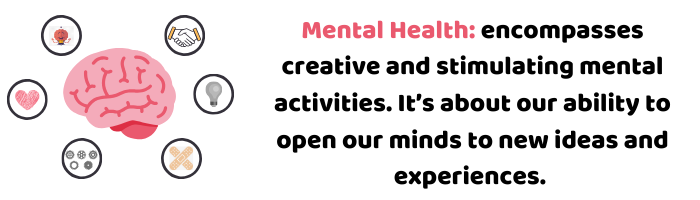
Mental Wellness requires that a person uses and takes advantage of the different resources available to expand his or her knowledge. This can be developed through academics, professional career, cultural involvement, and hobbies. Mentally well individuals have a desire to learn and apply new concepts, improve their existing skill sets, and seek new challenges.

Mental Wellness Topics Include:

  • Learning Styles / Study Skills
  • Cognition
  • Personality Styles
  • Mental Health Disorders

Mental Health influences how you feel, think, and behave in daily life. Mental health also affects your ability to overcome challenges, build relationships, cope with stress, and overcome life hardships.

People who are mentally healthy exhibit:

    • A sense of contentment
    • Zest for living – and the ability to laugh and have fun
    • Ability to deal with stress and bounce back from stressors
    • Sense of meaning and purpose
    • Balance between work and play, rest and activity.
    • Self-Confidence and high self-esteem
    • Ability to adapt to change
    • Flexibility and ability to learn new skills

6 Ways to Boost Mental Health:

This article on Building Better Mental Health includes information on:

  • Social Connection – Humans are social creatures with emotional needs for relationships and positive connections to others. We’re not meant to survive, let alone thrive, in isolation. Our social brains crave companionship.
  • Staying Active – Physical activity releases endorphins, powerful chemicals that lift your mood and provide added energy. Regular exercise or activity can have a major impact on mental and emotional health problems, relieve stress, improve memory, and help you to sleep better.
  • Managing Stress – stress takes a heavy toll on mental and emotional health, so it’s important to keep it under control. While not all stressors can be avoided, stress management strategies can help you brings things back into balance.
  • Brain-Healthy Diet – switching to a wholesome diet, low in sugar and rich in healthy fats, can give you more energy, improve your sleep and mood, and help you to look and feel your best.
  • Quality Sleep – Skipping even a few hours here and there can take a toll on your mood, energy, mental sharpness, and ability to handle stress. And over the long-term, chronic sleep loss can wreak havoc on your health and outlook.
  • Meaning and purpose – You may think of it as a way to feel needed, feel good about yourself, a purpose that drives you on, or simply a reason to get out of bed in the morning. Finding meaning and purpose is essential to brain health as it can help generate new cells and create new neural pathways in the brain. It can also strengthen your immune system, alleviate pain, relieve stress, and keep you motivated to pursue the other steps to improve mental and emotional health.

  • Mental Wellness
    • Study Techniques
    • Eating Disorders
    • Anxiety
    • Depression
    • Suicide

Western Oregon University

Facebook  Instagram  YouTube LinkedIn

WESTERN OREGON UNIVERSITY
345 Monmouth Ave. N.
Monmouth OR 97361

503-838-8000 | 1-877-877-1593

Tools

Bookstore
Campus Maps
Canvas
Find People
Portal
Technical Support
WOU Email
Technical Support

Resources

A-Z Index
Accessibility
Academic Calendar
Class Schedule
Net Price Calculator
Jobs at WOU
News
Explore WOU
Partnerships
Student Services
Freedom of Expression
Immigrant Resources

Western Oregon University’s Land Acknowledgement
Western Oregon University in Monmouth, OR is located within the traditional homelands of the Luckiamute Band of Kalapuya. Following the Willamette Valley Treaty of 1855 (Kalapuya etc. Treaty), Kalapuya people were forcibly removed to reservations in Western Oregon. Today, living descendants of these people are a part of the Confederated Tribes of Grand Ronde Community of Oregon and the Confederated Tribes of the Siletz Indians.

Accessibility    Public Records    Privacy    Student Consumer Information

WOU prohibits discrimination on the basis of race, color, sex, national or ethnic origin, age, religion, marital status, disability, veteran status, sexual orientation, gender identity, and gender expression in all programs, activities and employment practices as required by Title IX, other applicable laws, and policies. Retaliation is prohibited by WOU.