

Mount Hood

Hear about WOU Jazz Combo’s performance with John Raymond

Never Retallack  | Entertainment Editor

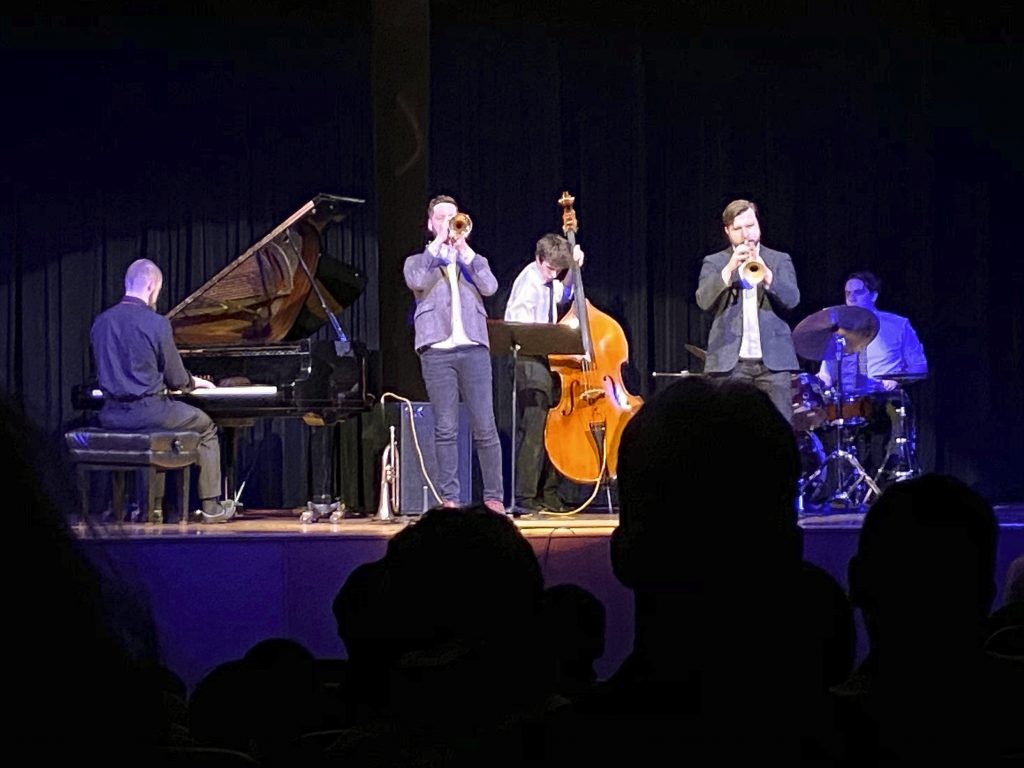
On Wednesday, Feb.19, John Raymond took to the Smith Hall stage alongside WOU Jazz Combo, for a night of jazz with a spin.

John Raymond is described by the WOU Jazz Combo pamphlet as, “One of the most promising, genre-bending musicians in jazz today. With a singular voice as a trumpeter, flugelhornist and composer…”

The interesting concept about Raymond’s idea of jazz is that he mixes genres such as, indie-rock, folk and electronic rhythms into his music, creating his own style.

Raymond studied in Wisconsin with Western professor and Director of Jazz Studies, Keith Karns. Since then, Raymond released six albums and is a professor of jazz as well as a sought after soloist at schools around the world.

The performance started with small solos from each member of the WOU Jazz combo, allowing the ivories, strings and drums to sing. Raymond took center stage while belting out the brass notes between two trumpets — a lively way to start, demonstrating just what the audience is in for.

They played a song from Raymond’s first album called “Onward,” which he composed himself. It began with soft piano, then the bass and drums joined, lastly a sorrowful trumpet, bringing a somber feel to the piece.

“The best part about performing music, especially in a jazz combo scenario is there is a lot of communication between the players…It’s just a big conversation,” said Kincaid Parsons, an Education Major, who plays the upright bass for WOU Jazz Combo.

Another song performed came from Raymond’s second album, recorded in New York with legendary drummer Billie Harp. Raymond explained with fondness that, “I was playing with someone who made the history of jazz.”

Similar to Raymond, Parsons also felt awestruck, “Getting to play with someone of that caliber was a very cool experience.”

The show was quite lively; Raymond even beckoned the pianist Clay Johnson for an improvised duet on stage.

Lastly, Raymond invited Karns onto the stage where they battled it out, trumpets singing back and forth powerfully, before ending the concert with a hug.


Contact the author at howlentertainment@wou.edu

Photo by Cora McClain
Learn more about gender and sexual identity in Alan Hunter’s “GenderQueer: A Sotry from a Different Closet”

Never Retallack  | Entertainment Editor

Gender and sexuality have been an ongoing and complex topic in societies all over the world. Those who are percieved as gay in any way face judgment and penalty like those who are.

In Allan Hunter’s book, “GenderQueer: A Story from a Different Closet,” they covers all these issues in a memoir style that takes readers on their journey, starting with their experience in middle school. Hunter describes how their story functions to highlight, “the realness of an identity that is not gay, bisexual, lesbian, or transgender, but it isn’t cisgender or heterosexual either.”

Hunter describes themself as a studious kid who followed the rules and listened to teachers. They were also someone who preferred to be around women and play with “girl toys” — which led to some ridicule. It wasn’t until their family moved to Los Alamos, New Mexico that they struggled with bullying immensely. 

Hunter’s style of writing, while not masterfully crafted, is deeply intimate and walks the readers through their thoughts and feelings from moment to moment. They name each bully that they faced in middle school, those who called them slurs because of how they dressed and styled themself. Hunter tried to seek help from their superiors, but nothing came of it, so much of Hunter’s story is how they work hard to control their anger so that they don’t antagonize the bullies more.

Along with the violence and emotional turmoil, they also detail how they feel about different girls that he meets, unafraid to share their intimate thoughts and desires. They mention each girl they fantasized about, whether or not they really interacted. They  spend most of their adolescent life wanting to have sex with a girl, but the only person who really touches them back was their male friend in high school.

Their younger sister, Kendra, was far more popular than them, and they often tagged along with her friends while in middle school. It wasn’t until high school when they joined the band and started to let loose a little that they started making connections; they made male friends and got girlfriends, but they were always wanting more.

There’s a certain point after college where a man goes pretty far with them, and they felt very uncomfortable and shaky afterwards. To their shock they realize they really are just heterosexual, all the people who called them gay had been wrong.

Sadly for Hunter, they faced a lot of harassment for how they were perceived — they even tried to take their own life. Later they realized a large part of how people developed their ideas about them was their wardrobe, wearing bright shirts with bold patterns.

Hunter’s journey of self-acceptance doesn’t start until college when they come out as someone who is genderqueer. Their gender is female, their sex is male and their orientation is attraction towards women. This understanding finally allowed them some peace and quiet.

Overall Review: This memoir is a personal journey about a person who has lived a life struggling to accept who they are based on the reactions of those around them. A lot of the book is hard to read, hearing how cruel people can be. But I recommend this book to anyone who wants to understand gender and sexuality on a deeper and more intimate level.


Contact the author at howlentertainment@wou.edu

Racking points for seniors during Women’s Rugby match

Hannah Greene  | Sports Editor

The gridiron was full of spirit, the seniors were ready for their game and their teammates ready to battle for them.

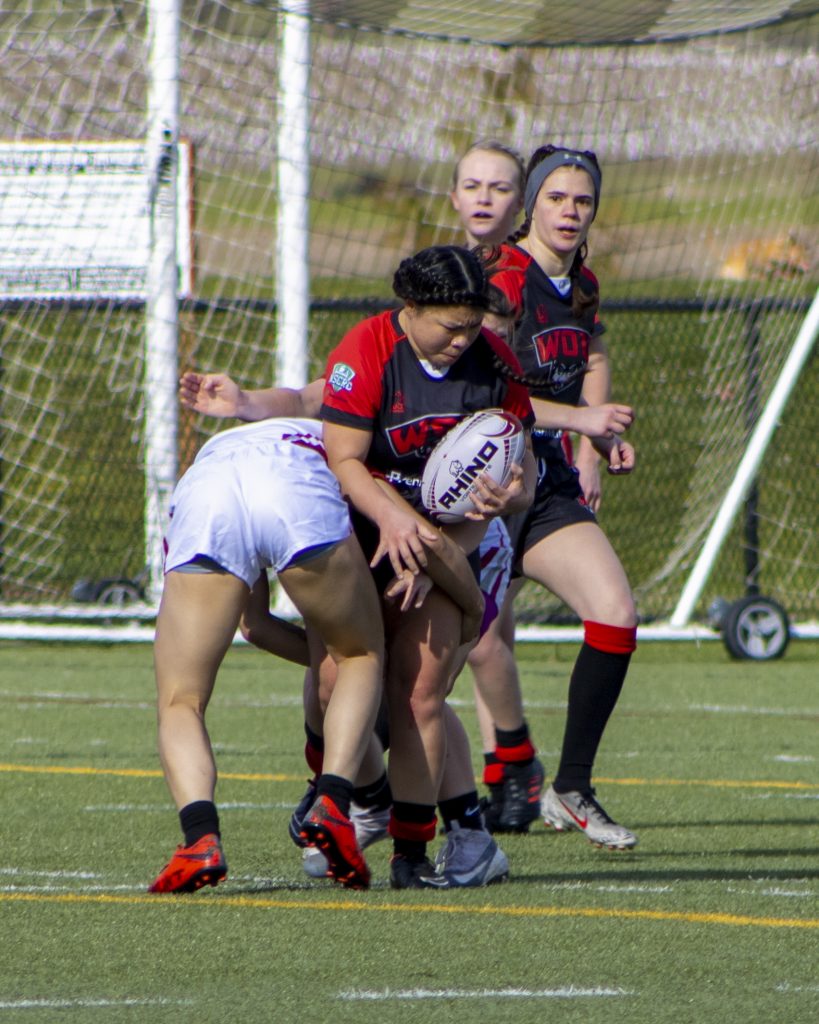
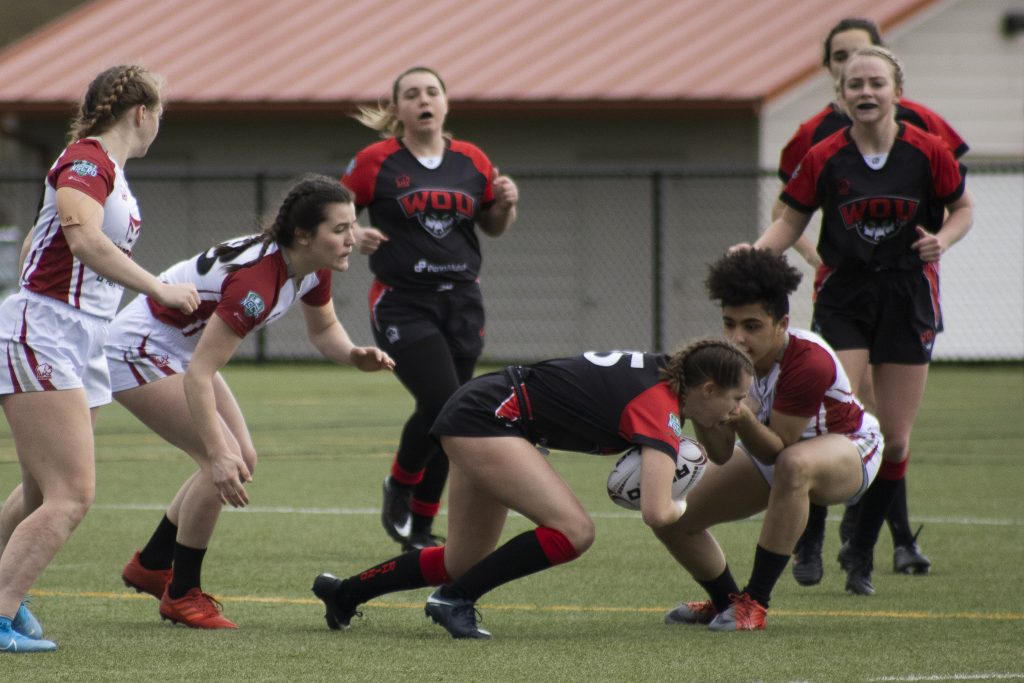
Saturday, Feb.29, the Women’s Rugby team held a home game against the Willamette University Wildcats for their Seniors graduating this upcoming spring term. 

The Wolves’ Seniors included Nelly Blancas, the captain and team president, Leslie Carrasco, Alexis Osborn, Christina Carney, Gha Ming Ng and D-Dré Wright who was unable to attend. 

This game represented the closeness the teammates have with each other and showed the power that women have.

This was a meaningful game for Women’s Rugby being that it was the last time a lot of these players would get to see each other on the field. 

“I’ve enjoyed my time as the president and as a player. The club is amazing! I have learned so much through the years. It’s always great seeing new players grow. And I hope the team (has) the best of luck for next year!” said Blancas about her Senior game with the Women’s Rugby squad. The enthusiasm that the club president has for this club is shared among the players, having brought home a cake of a win, beating the Wildcats 42-5.

Coming up the team will play Willamette University again on Sunday, March 8, International Women’s Day. They will also play University of Puget Sound on March 15, which will be their final and championship match, hosted on the turf field at Western.


Contact the author at hgreene18@wou.edu

Photos by Emily Prall

Western player spotlight: Gha Ming Ng

Hannah Greene  | Sports Editor

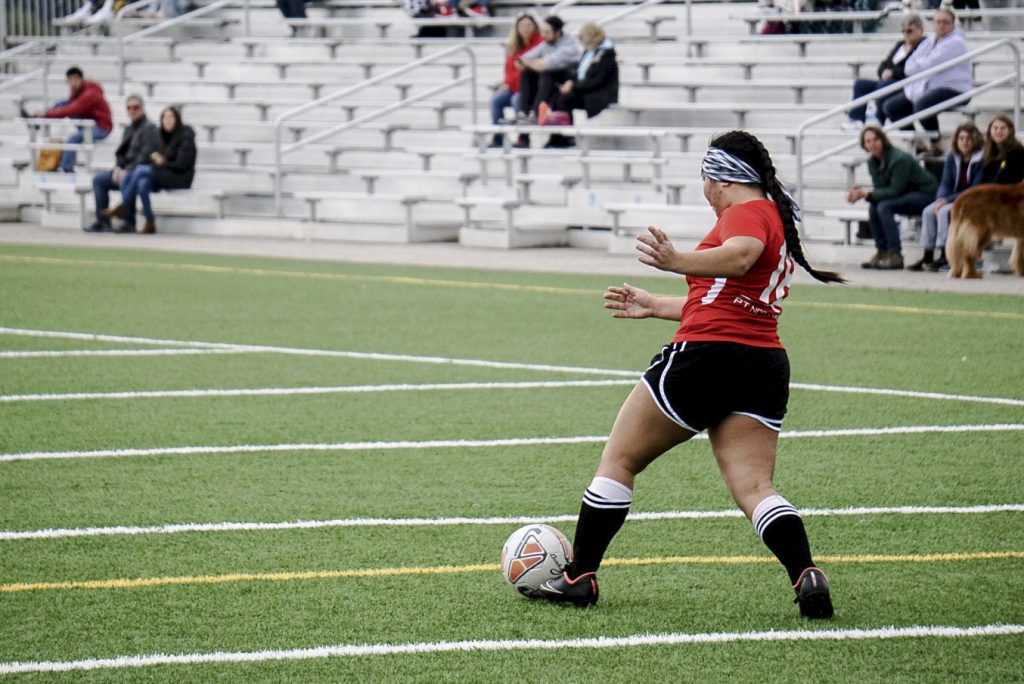
Highlighted this week is Gha Ming Ng, a Western Women’s Club Soccer player and newly Western Women’s Rugby player. Ming was part of the team that flew to Texas to participate in Nationals for club soccer and part of the rugby team that continues to dominate its opponents.

Ming “is a force to be reckoned with,” said D-Dré Wright, a teammate on both soccer and rugby. Though short, Ming makes up for size with her speed and aggression against any opponent, along with her undying passion to help her team succeed. Ming has been playing soccer for most her life and went from, “thinking that I would never play soccer out of high school, to being a part of a new club team,” said Ming about her excitement over being able to play soccer longer.

Currently, Ming is majoring in Psychology with a minor in Health. She was born and raised in Honolulu, Hawaii, where her main sport was soccer. Ming decided to go out for Women’s Rugby this Winter Term and has been killing it since. Ming is also a supervisor in the Valsetz Dining Hall and a WOU Ambassador. 

Ming creates a positive atmosphere, both on and off the field, and is able to bring any heated player to an even tempo. She plays each second with tenacity and drive, proving every practice that she belongs on the field during game play. As a senior, graduating this term, she has shown her natural leadership skills and her ability to be a role model to underclassmen. 

Through injury, Ming keeps pushing and never lets anything hold her back. 

“Ming is an endless source of energy on the field, whether it’s for soccer or rugby. Her perseverance on and off the field is incomparable,” said Wright, acknowledging her teammate’s power and recognizing Ming for her ability to step out of her comfort zone and join the Women’s Rugby team, “I wish I had joined earlier,” Ming said about her growing love for rugby.

“I am grateful that WOU has the options of intramurals as well as club sports where students can compete at different levels and overall just have fun,” said Ming about her time as an athlete at Western — getting the chance to continue her love and passion in soccer and now rugby.


Contact the author at hgreene18@wou.edu

Photos by Emily Prall

From the Sports Desk: You win or you lose, no inbetween

Hannah Greene  | Sports Editor

Currently, we are raising our children to have unrealistic expectations in life, that in turn, do not help our society grow or prosper. 

Growing up, trophies or ribbons were never given to anybody who got lower than third. Each team had to earn every part of that first place trophy, and if you failed you went to practice and worked harder than before to get there next year. Though sad, it taught me about failure, an experience and feeling we should all experience at some point in our lives, multiple times. In soccer, I learned that there will always be someone better, faster and stronger — but to never lose sight of what I was capable of or what I brought to the team. This allowed me to continue to grow as a player and realize where I belonged on the team — while also giving me hands on experience that I could translate into the “real world.”

My dad was very humbling. When I started track and field, ribbons were given out to every place up to eighth. Anytime I got one that was below third place with no personal best time, my dad would throw it away. I understood what this meant and it only enhanced the idea that I had to work for and earn that first place ribbon.

When we watch the Olympics, there is no fourth — if you didn’t get gold, silver or bronze, you didn’t do good enough. In the World Cup, there is no second place, there is only one World Cup trophy, for first place. 

By giving multiple trophies out we are teaching our future generations that they do not have to work hard or put in the time for something great — that they are deserving of something just because they wanted it and participated in it. We are teaching a behavior to children that will not get them far in life — a behavior that society accepted when they were children, but won’t when they are young adults. So why do we give out unnecessary nonsense? To make everyone feel included, like they have achieved something. In many eyes of parents this is a good thing, something that should be done everywhere. And thanks to these parents, it is everywhere. 

But, according to Dan Gould, a sports psychologist, “For rewards to work, they need to be earned” not handed out like a free-for-all. In life we will experience loss, watch someone else get what we wanted and know failure — and if we don’t when we’re young then we will be incapable of overcoming defeat in our futures.


Contact the author at hgreene18@wou.edu

Men’s Baseball win two of their four home games

Hannah Greene  | Sports Editor

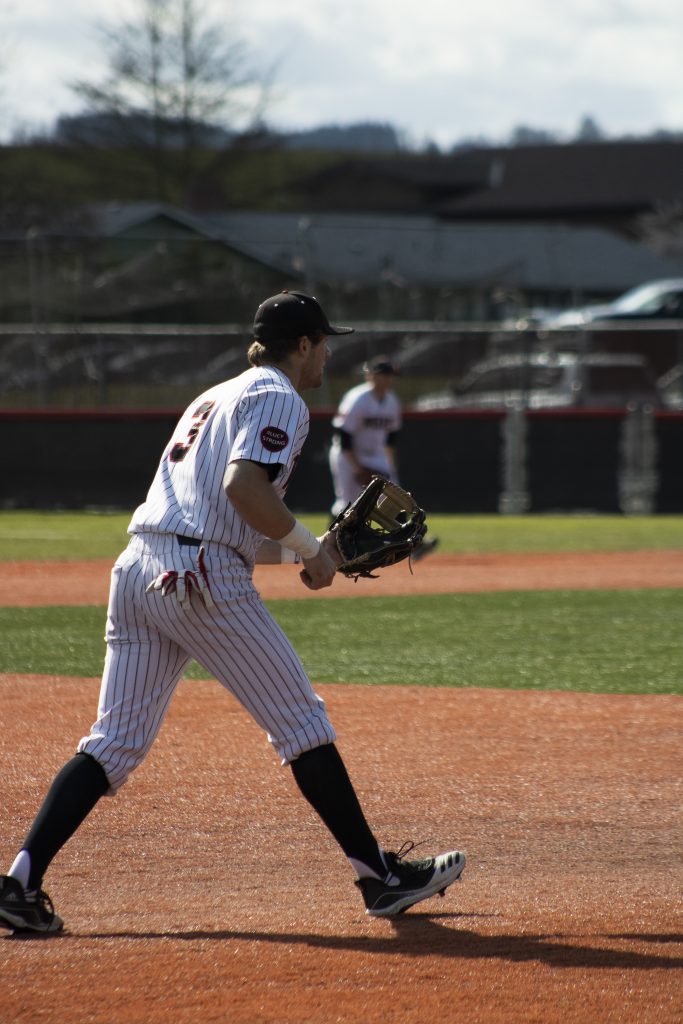
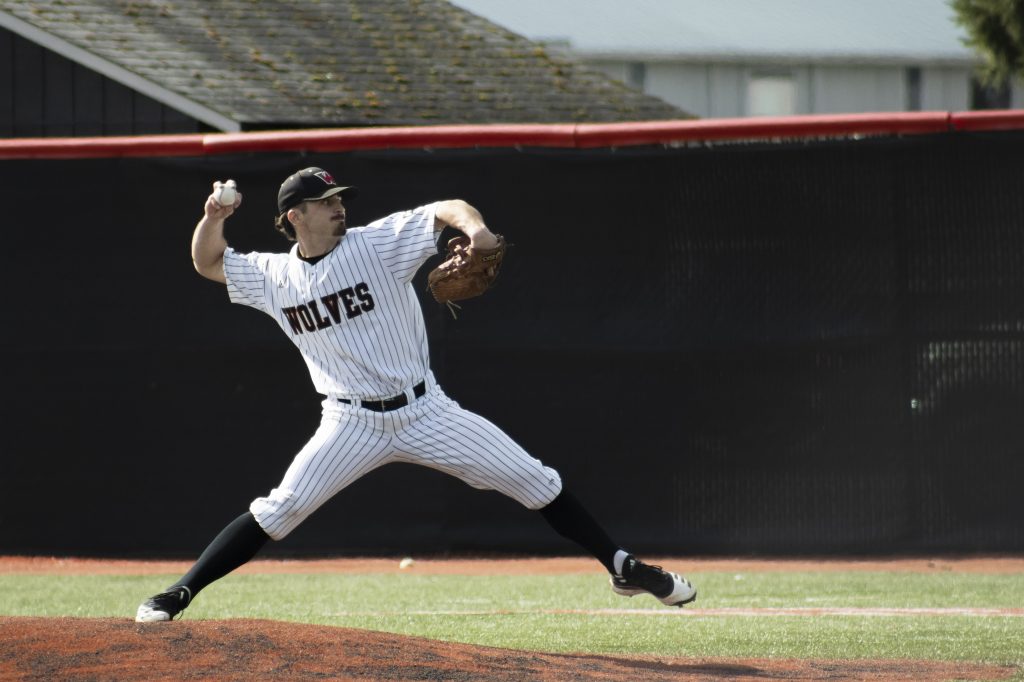
Sunday, March 1, marked for a day of Western Baseball. From Feb. 29 through March 1, the Baseball team played against the Montana State University Billings Yellowjackets, a 4-game series. Saturday showed for a win-loss day, both the Wolves and Yellowjackets got a bite out of each other. 

The following day wasn’t much different; the first game going to the paws of the Wolves and the second and final game went to the stingers of the Yellowjackets. 

Each team showed great battles and entertained the spectators, with multiple runs and hits to bases. The Wolves were able to hold the Yellowjackets off in two of the games due to innings being shutout and runs being made. 

This weekend showed that the Wolves were able to hold their own and have the ability to have a strong season, but also gave them the insight they needed on what to work harder on and improve upon. 

Coming up, the Wolves head to Central Washington University in Ellensburg for two games on March 7 and 8. Their next home games are March 14 and 15 against Concordia University, with George Fox University coming to Monmouth on March 18.


Contact the author at hgreene18@wou.edu

Photos by Kay Bruley

Linguistics and Writing professor, Dr. Cornelia Paraskevas, has worked around the state to redesign curriculum, advocating as much for educators as she does for students.

Sage Kiernan-Sherrow  | News Editor

At the Willamette Promise advisory meeting last Thursday, Feb. 26, the board spent over five minutes praising Dr. Cornelia Paraskevas for her contributions to the project — and she wasn’t even in the room, according to Sue Monehan, the Associate Provost for Program Development at Western. The Willamette Promise is a project focused on designing and evaluating an accelerated credit program for high school students from Eugene all the way to the Portland Metro area. Dr. Paraskevas was one of the founding members of the project, stepping in just nine months after its establishment; now, she’s stepping down from that position, but her legacy of advocacy for both educators and students endures. 

Through the Willamette Promise, Dr. Paraskevas has led the state in innovative practices, creating models for teaching an accelerated credit program focused around the idea of college-level portfolios that are manually assessed for proficiency. This ensures that the work of college-level high school students reflects the skills they need to further their education. She has testified in front of the Higher Education Coordinating Commission on behalf of the project and spoken with faculty at other institutions, which, according to Dr. Monehan, hasn’t always been well-received, as much of her work challenges popular practices — like the five-paragraph essay. Nevertheless, by working with over 100 teachers, she has enabled approximately 1,700 students to earn college credit for Writing 121 and sometimes Writing 122.

“I watched Dr. Paraskevas work with teachers in the region and faculty around the state … I watched her and her colleagues develop resources for teachers that are changing the way teachers approach teaching in high schools, said Dr. Monehan, “she has a much richer understanding of what students can do with writing if they engage in a writing process.” At Western, Dr. Paraskevas is known as a student advocate; it took her over seven years to convince the university to adopt the Integrated English Studies program — which aids students in graduating with less credits while also gaining in-depth knowledge in a variety of English-related fields. Her other accomplishments include providing a valuable perspective by sitting on the Board of Trustees, advising and advocating for dozens of students and being an active scholar in her field — regularly publishing material. 

Of Dr. Paraskevas’ continuous advocacy for students on campus, Dr. Monehan relayed, “she’s very centered on what it is you’re learning and how it’s contributing to your learning, and making sure that everything you’re doing is for the students and their learning and not our own purposes … she’s trying to figure out how to build and enhance who students are and what they will be able to do in the world.”

Dr. Paraskevas is reportedly retiring at the end of the 2021 school year, but as Dr. Monehan stated, “I believe that she will continue to make a difference. She may be retiring, but I don’t think she’s going to stop working with our schools.”


Statements from Western Students regarding Dr. Paraskevas: 

Sean Tellvik: “One of my favorite things about Dr. Paraskevas is how student-oriented she is. In the classes I’ve taken with her, she has been highly receptive to content students are struggling with, and she changes her approach accordingly, whether that is by adjusting the lessons or providing more resources. To me personally, she has been supportive and encouraging, even outside of just Linguistics, which has helped me gain confidence in my abilities.”


Noah Nieves-Driver: “Cornelia helped me find my passion in langauges and linguistics. I am thankful to have had such an amazing teacher and person be a part of my schooling.”


Contact the author at howlnews@wou.edu

Sean: Courtesy of Sean Tellvik

Noah: Courtesy of Noah Nieves-Driver

During Black History month, part of BSU’s festivities included three-minute presentations on historically-significant black figures and events.

Sage Kiernan-Sherrow  | News Editor

February was Black History Month, and students from the Black Student Union at Western planned many events related to the celebration of black culture. One event new to this year was the introduction of three-minute presentations on a historical figure or event related to black history, such as the Black Panthers, the Birmingham Bombings, Andrew Foster and Janelle Monaé. Tati Whitlow, the membership outreach coordinator for BSU, said the event was “highly successful because of its high turnout rate,” adding that multiple organizations came to the event — such as the Stonewall Center and Heritage Hall Government. 

Whitlow said that the idea for the three-minute presentations derived from the realization that black historical figures and events weren’t being represented in the classroom. 

“We picked people that weren’t in our history books,” said Whitlow. “We’re all constantly learning … if you’re not straight, cis and white, you’re basically blacked out of history and it’s horrifying.”

The presentations were included in the Black History Month festivities, but Whitlow says they may continue afterwards, with student support.

“It’s something we’re just now trying out … it was very fun and educational and it might be good to do on a monthly basis,” they said.


Contact the author at howlnews@wou.edu

Volunteers at the Food Pantry named the last week in February “Food Insecurity Awareness Week,” with the intent to reduce stigma on campus.

Sage Kiernan-Sherrow  | News Editor

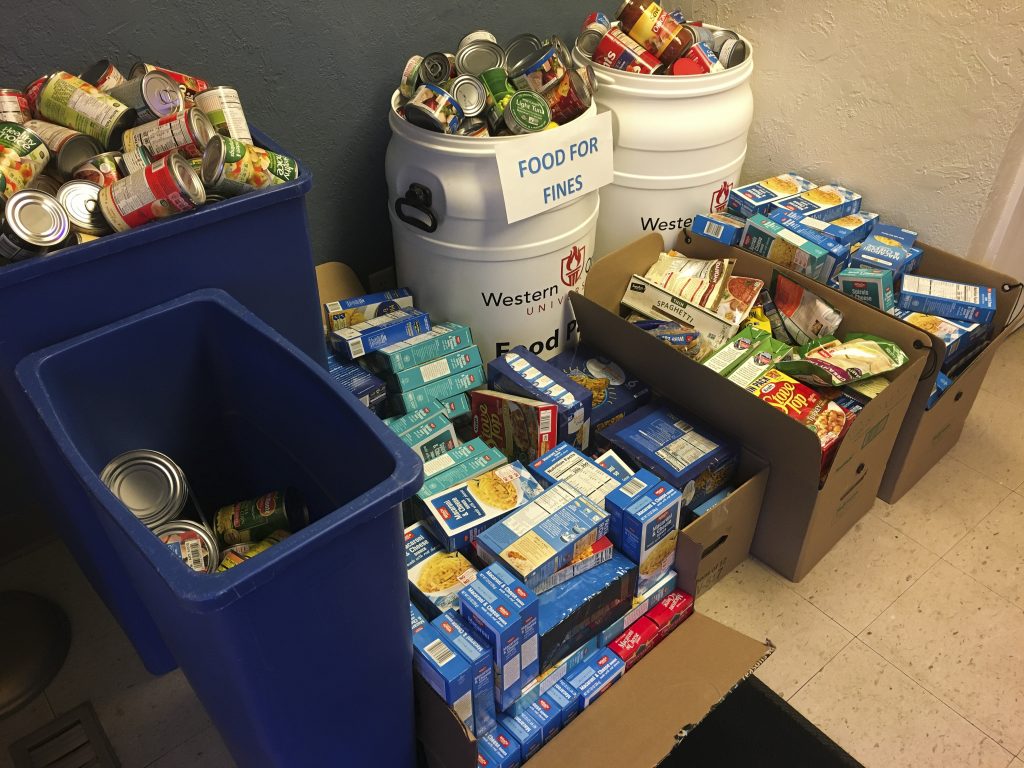
Last week, from Feb. 24 to 28, was Food Insecurity Awareness Week at Western, which coincided with the Governor’s Food Drive and the Food For Fines event. Students at Abby’s House, who volunteer at the Food Pantry, planned educational events — like discussions about nutrition and sustainability — to bring awareness to food insecurity on campus and reduce the stigma related to it.

Rachel Bayly, the Community Coordinator for the Food Pantry, says she believes that Western is “already a fairly aware campus,” citing the two full barrels and three boxes of food collected for the Governor’s Food Drive as proof that Western is aware of and is contributing to solutions regarding food insecurity. 

Western has been the highest contributing Oregon university to the Governor’s Food Drive for the past 13 years. 

However, Western’s food insecurity rate is higher than the national average, according to Bayly, and there’s always ways in which the campus can improve its practices to reduce it. 

“I’ve been working with someone who’s on the ASWOU Senate and works at Valsetz and she came to me because she was appalled with the amount of food that was thrown out there and wanted to see what we can do as far as a leftover program with the pantry or something like that,” Bayly stated, adding that they’re likely to bring this issue to the Head of Dining in the future.

According to Bayly, there is an additional plan to combat food insecurity through a bill in the Oregon House of Representatives, which ASWOU lobbyists are currently trying to push through in the short session.

“If you are struggling with it, it’s not something to be ashamed of … There’s a problem with the system and I hope that people can feel proud that they are a part of a community that supports that and access that resource when they need that and go on later to give back in whatever way they can,” Bayly said.

Bayly stated that students interested in alleviating food insecurity on campus can help through volunteering at the Food Pantry, participating in food drives and being a supportive individual to anyone who is experiencing food insecurity by sharing the knowledge of the resources available one campus.


Contact the author at howlnews@wou.edu

Photo by Sage Kiernan-Sherrow

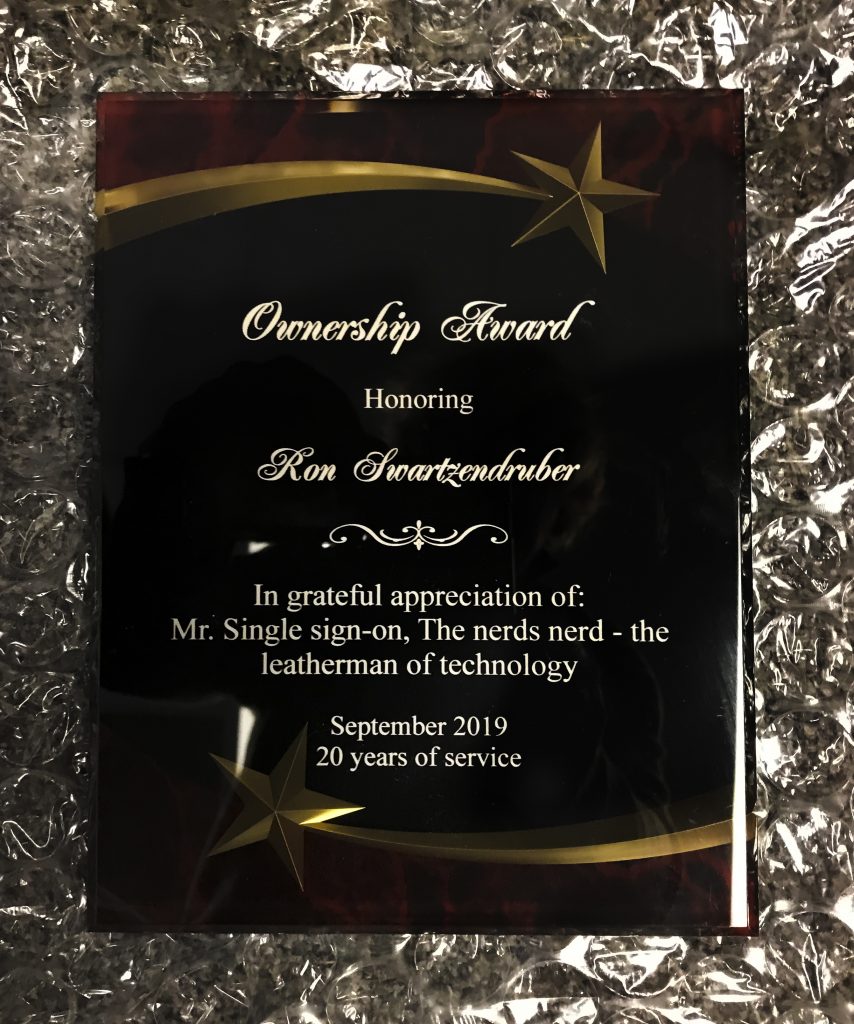
Ron Swartzendruber, a pillar at University Computing Services who dedicated over 21 years of service to Western, passed away on Feb. 19.

Sage Kiernan-Sherrow  | News Editor

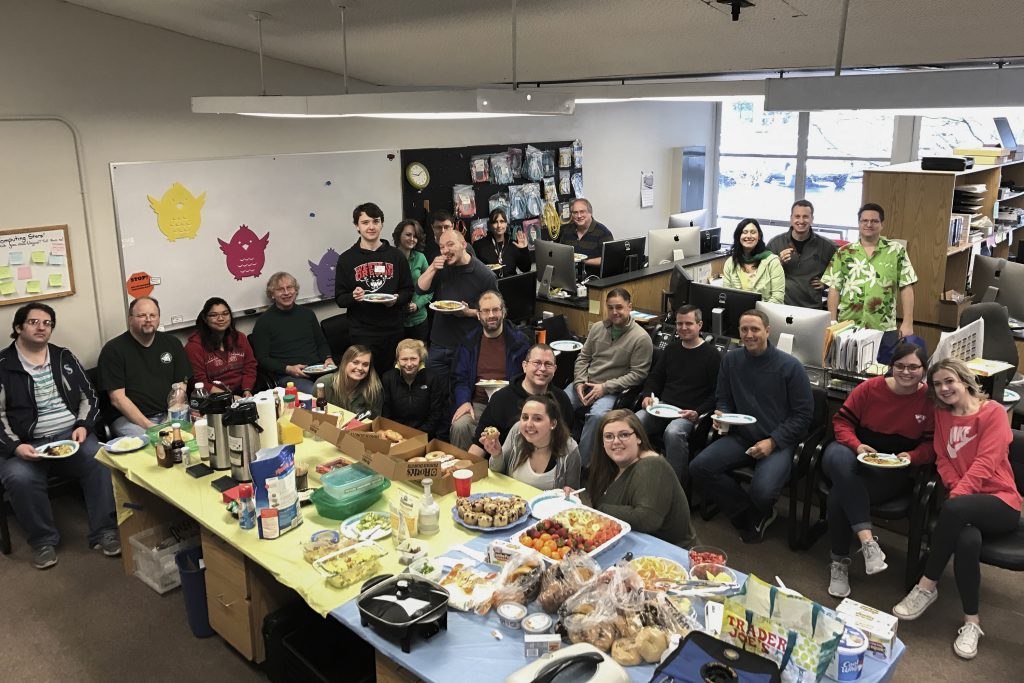
Friends who knew Ron Swartzendruber best describe him as someone who built bridges — a man who connected databases as much as he connected people. On Feb. 19, he passed away at the age of 48 after suffering a sudden cardiac arrest, and is survived by his wife, Whitney Ware; parents, Warren and Jackie; and brother, Erik. 

Bill Kernan, the Director of the University Computing Services department, is the man who originally hired Swartzendruber back when the university’s server was on a PC sitting in the basement of the Administrative Building. Though it was originally thought that he would only be staying for five years, Swartzendruber went on to dedicate over 21 years of service to Western as one of its main programmers at UCS. Western’s portal, as well as many other programs utlized on campus, are credited, in part, to Swartzendruber’s endeavors. The campus lost an asset in the programming world, but those at UCS lost a friend. 

Kolis Crier, the Banner Solutions and Integrations Manager at UCS, recalled the first time he met Swartzendruber, saying “he had a welcoming and happy spirit … and an infectious laugh.” Crier, whose desk has neighbored Swartzendruber’s for years, added that, “he was always engaged, he always had the answer, or was willing to share information.”

Yet, according to Kernan, he had no ego whatsoever —  a characteristic that Kernan called a “rarity” in the IT world, considering Swartzendruber’s intelligence. In fact, Swartzendruber was an active member on Quora, an online platform for sharing information, where it was discovered he made over 5,000 posts in his lifetime, many of them responses to people struggling with personal issues.

“Ron had a ministry on Quora. He helped thousands of people he didn’t know, for no other reason than the fact that he likes helping people,” said Tony Manso, the Mobile and Systems Programmer at UCS. 

In one of the last posts before his passing, Swartzendruber responded to a prompt that read “Is it good to demonize the reality of our world by making it worse in our mind and then experience it with less pain?” 

His answer?

“If we have trained ourselves to expect the worst, it would be far harder to choose anything besides staying in our comfort zone and letting life pass us by …. that’s too high a price for whatever reduction in pain we might get gain in exchange,” said Swartzendruber. 

A man who always wore Birkenstocks unless it was snowing, and who loved Sci-fi and Cliff Bars, Swartzendruber was “a teacher … and the glue between many of the staff and groups at UCS,” according to Michael Ellis, the Assistant Director of UCS.

Members of the UCS team have identified over 40 projects in which Swartzendruber was the main contributor. They are currently collaborating in order to finish what he left behind. 

“Ron’s scope was so large, that we’re just having to pick off the most important ones first,” said Kernan.

Since Swartzendruber was an avid cyclist who biked to work every day and once even across the United States, there are plans for one of his bicycles to be incorporated into a sculpture in his memory. And, there will be two services to honor Swartzendruber; one will be a private family service, and the other will be held at Western on March 14th to celebrate his contributions to the university and to his campus community.


Contact the author at howlnews@wou.edu

Photos courtesy of Bill Kernan, Director of UCS

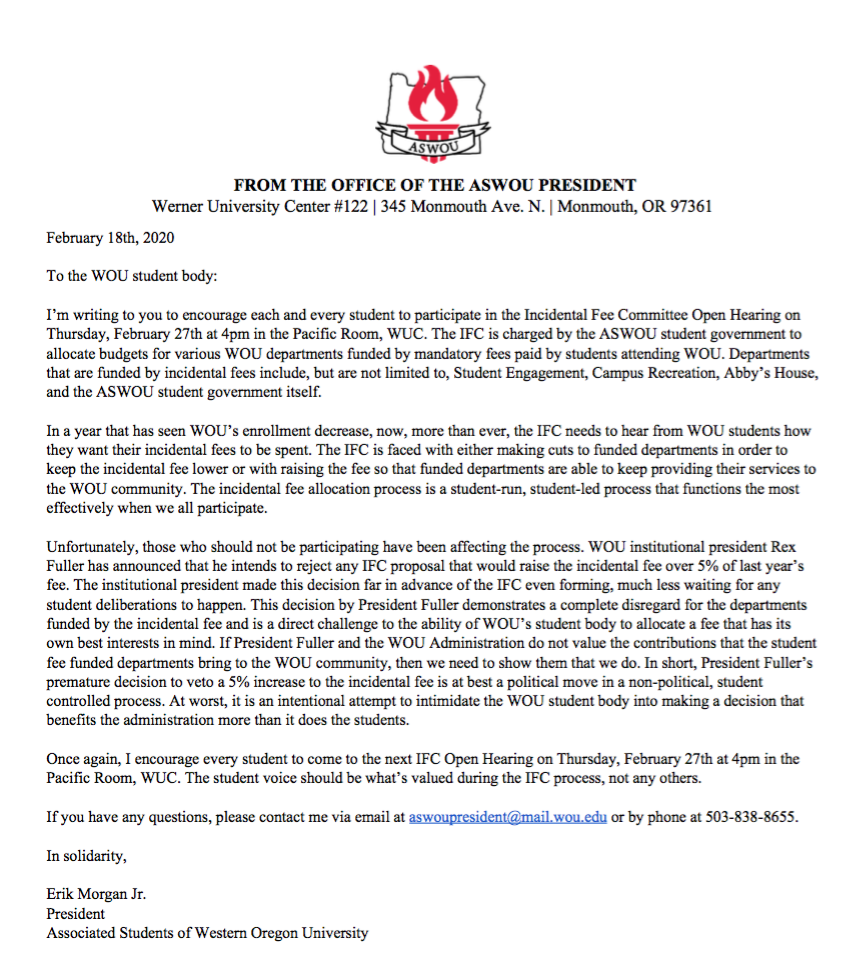
Letter to the Editor

Submitted by Erik Morgan Jr.  | President Associated Students of Western Oregon University

To the WOU student body: 

I’m writing to you to encourage each and every student to participate in the Incidental Fee Committee Open Hearing on Thursday, February 27th at 4pm in the Pacific Room, WUC. The IFC is charged by the ASWOU student government to allocate budgets for various WOU departments funded by mandatory fees paid by students attending WOU. Departments that are funded by incidental fees include, but are not limited to, Student Engagement, Campus Recreation, Abby’s House, and the ASWOU student government itself. 

In a year, that has seen WOU’s enrollment decrease; now, more than ever, the IFC needs to hear from WOU students how they want their incidental fees to be spent. The IFC is faced with either making cuts to funded departments in order to keep the incidental fee lower or with raising the fee so that funded departments are able to keep providing their services to the WOU community. The incidental fee allocation process is a student-run, student-led process that functions more effectively when we all participate. 

Unfortunately, those who should not be participating have been affecting the process. WOU institutional president Rex Fuller has announced that he intends to reject any IFC proposal that would raise the incidental fee over 5% of last year’s fee. The institutional president made this decision far in advance of the IFC even forming, much less waiting for any student deliberations to happen. This decision by President Fuller demonstrates a complete disregard for the departments funded by the incidental fee and is a direct challenge to the ability of WOU’s student body to allocate a fee that has its own best interests in mind. If President Fuller and the WOU Administration do not value the contributions that the student-fee-funded departments bring to the WOU community, then we need to show them that we do. In short, President Fuller’s premature decision to veto a 5% increase to the incidental fee is at best a political move in a non-political, student controlled process. At worst, it is an intentional attempt to intimidate the WOU student body into making a decision that benefits the administration more than it does the students. 

Once again, I encourage every student to come to the next IFC Open Hearing on Thursday, February 27th at 4pm in the Pacific Room, WUC. The student voice should be what’s valued during the IFC process, not any others. 

If you have any questions, please contact me via email at aswoupresident@mail.wou.edu or by phone at 503-838-8655. 


In solidarity, 

Erik Morgan Jr. President Associated Students of Western Oregon University 


Disclaimer: The views and opinions expressed in guest opinions are those of the authors and do not necessarily reflect the views of The Western Howl. 

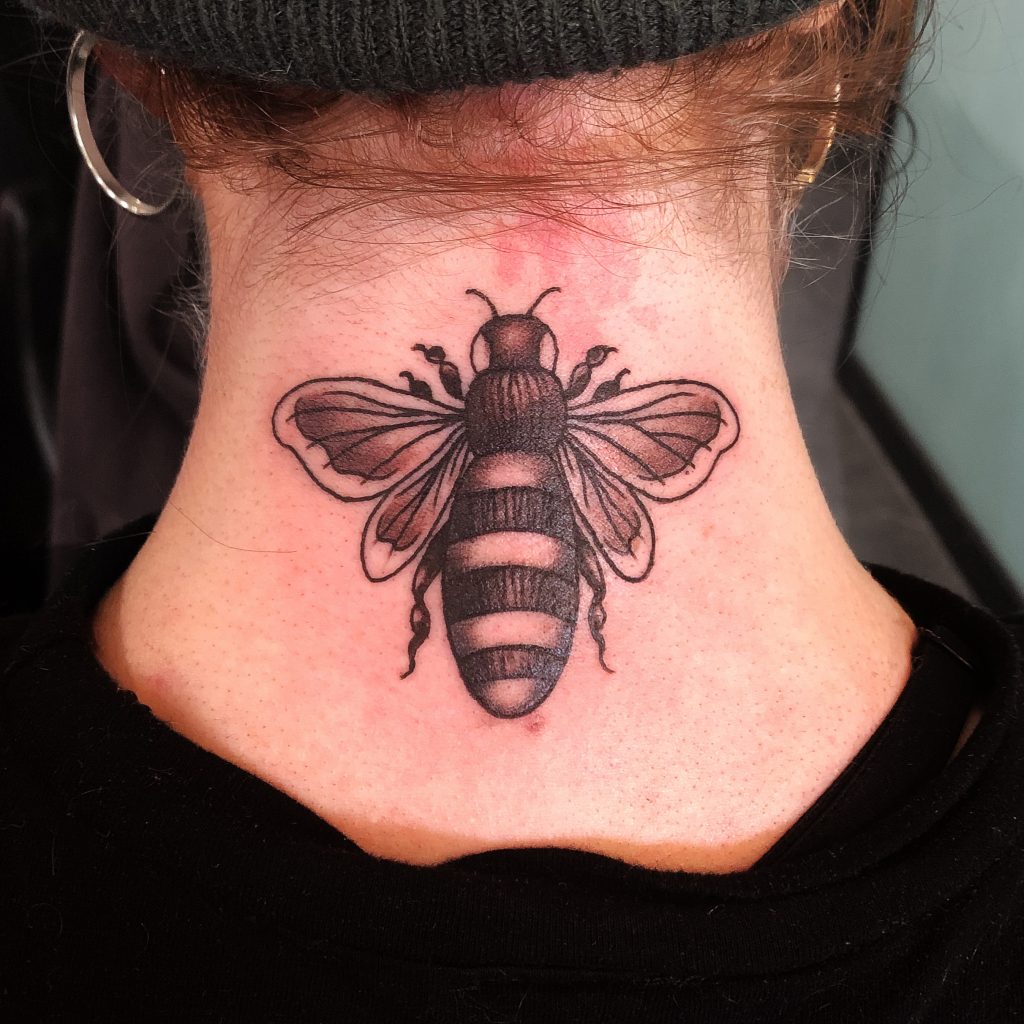
What to think about before getting a tattoo

Rylie Horrall  | Lifestyle Editor

Tattoos are a commitment that someone should be sure about getting, and can be an overall fun experience to have. However, there are some essential things to keep in mind before and during the time a person gets a tattoo.

Staying hydrated should definitely be kept in mind when getting inked. Firstly, when the body is hydrated, it will take to the ink more effectively, so overall it could be best for the final look. Moreover, staying hydrated can make the process less painful overall. From the day before to the day of, drink plenty of water, and remember to bring some for during the appointment.

Eating something that is filling is important as it reduces the likelihood of becoming lightheaded or passing out during the tattooing process. The body’s blood sugar will be raised and more prepared for the stamina and energy needed for an appointment. In addition, the body’s pain tolerance will be higher on a full stomach versus an empty one. If the tattoo will take a while to complete, consider bringing something to eat during a break as well.

Avoid drinking an alcoholic beverage the day of a tattoo session. Some people may drink beforehand as an alternative to taking painkillers, but alcohol can thin a person’s blood, which could lead to bleeding more easily during the inking process. On top of that, it can also thin the ink, which could lead to an unpleasant and unwanted final result. It’s best to avoid drinking the day before, so there isn’t anything lingering in the body.

With that said, don’t take painkillers before getting a tattoo either. Painkillers like Advil and Ibuprofen also thin the blood, which will lead to similar issues that alcohol has. Acetaminophen may potentially be fine to take, but should be discussed with the artist beforehand. It’s best to avoid these as well the prior day and the day of the appointment.

Dress for comfort over style; the tattooing process can potentially take a long time to complete, so sitting in sweatpants may be a better idea for the long haul. They also need to be looser, depending on where the tattoo is being placed. A baggier shirt is better for a rib tattoo than a form fitting one, or shorts and capris over leggings and jeans for tattoos on legs. In addition, wearing something dark will prevent any ink or blood stains from retaining.

When planning for the day of, make sure enough time is set aside for the session to avoid any rush — whether that’s rushing the tattooing process, which could be detrimental to the final result, or feeling pressure to be on time to a previous engagement. It’s best to feel as relaxed as possible, so managing time is one way to relieve tension. Practicing various breathing exercises during the tattooing is another way to help with relaxation.

Finally, be sure to research the tattoo artist before picking one. It’s best to find one who has a good portfolio that has a style that’s liked and maybe pertains to the desired tattoo — such as picking an artist who specializes in lettering for someone who wants a quote tattoo. If they offer a consultation, it would be good to meet with them and fully discuss the idea.


Contact the author at rhorrall17@wou.edu

Photo courtesy of Emily Hedges

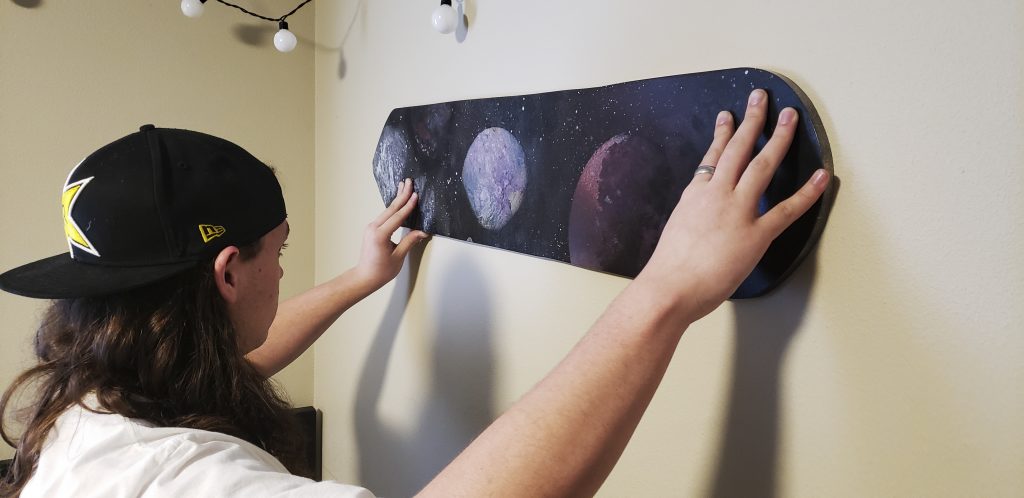
Rearranging and recreating your space

Rylie Horrall  | Lifestyle Editor

I’m someone that needs a new change of scenery every once in a while — that can mean that I want to go out to the city for a day trip, try shopping somewhere new or just go on a walk. The easiest thing I do when I get into that slump is redecorate or rearrange my room. It always feels like a nice change of pace and doesn’t take much to do, not to mention there are plenty of benefits to redoing a bedroom.

A room can become cluttered after some time, so rearranging can help get rid of some things that have served their purpose. They don’t have to necessarily be thrown out either, as something that’s still useful can be donated if it’s no longer needed. Taking the time to go through things can also be cathartic — different objects could trigger nostalgic and happy memories, or there can be satisfaction in throwing away things that bring back unwanted reminders. If spring cleaning is on a to-do list for the future, redecorating and purging can be a way to get a jumpstart.

This type of project could work as a stress reliever and distraction from tension-inducing activities. After a long week of work and school, with obligations and due dates hanging over one’s head, taking a break to focus on a space designated for yourself can clear the mind. Plus, redecorating a space that’s frequently occupied can brighten the room back up; it increases someone’s productivity and exercises the creative side someone might not know they have, according to agapepress.org

The effect that rearranging can have on someone’s mood is beneficial as well. For a person that’s been in a strange funk lately or just hasn’t been in the greatest of moods for an unknown reason, a remodel could be what they need to improve their spirit. According to agapepress.org, a fresh look can bring life into an otherwise lackluster space, and can inspire an individual to so much more in everyday activities.


Contact the author at rhorrall17@wou.edu

Photo by Rylie Horrall

How to: Charcuterie board basics

Caity Healy  | Managing Editor

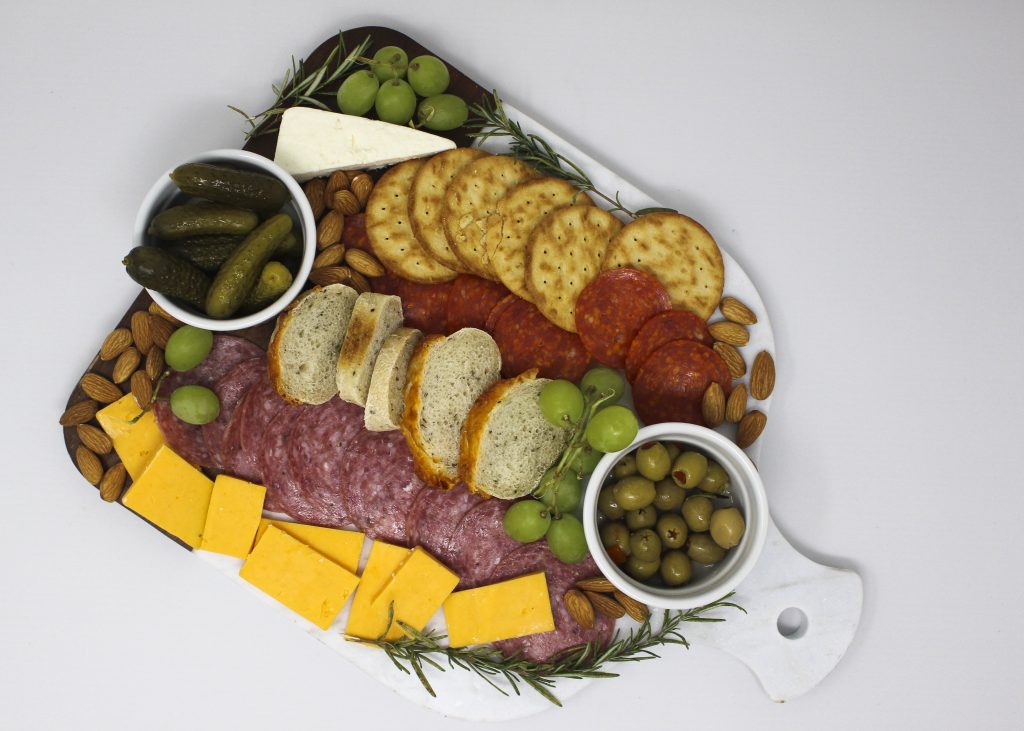
For those looking for a delicious, easy and aesthetically pleasing appetizer, charcuterie boards have been all the rage. Charcuterie, a French word which by definition is a branch of cooking involving prepared meats, is something that ages back to before refrigeration — it was born out of necessity. However, today it serves as a quick, pretty party-pleaser that is not only restricted by the root of its name; charcuterie boards can be modified to match a party’s crowd, one’s budget or even what’s in the fridge. 

All it takes to get started is a cute dish or cutting board of some sort and a little imagination. I’ve created two boards for inspiration: a basic meat and cheese board and a pancake board. However, remember that these can be adjusted however one sees fit. 


Meat and Cheese Board

What you’ll need:

Salami

Gouda cheese

Sharp cheddar cheese

Almonds

Green olives

Grapes

Marinated artichoke hearts

Mini dill pickles

Crackers 

Toasted sliced baguette

Herbs for greenery (basil, thyme or rosemary work well)


Pancake Board

What you’ll need:

Pancakes

Syrup

Blueberries

Strawberries

Raspberries

Whip cream

Chocolate chips

Butter

Peanut butter


Quick tips for charcuterie boards:

-The preparation is basic; it’s the presentation that’s key. Try to really fill the board, unless you’re going for a minimal look — in that case, leave intentional blank spaces.

-Find cute dishes to serve toppings in from thrift stores. It looks cuter, and it saves you money.

-Make sure to mix colors on the board to help it look vibrant.


Contact the author at chealy16@wou.edu

Photos by Caity Healy

Get ready to be scared, impressed and unable to stop dancing with Hayley Williams’ “Petals for Armor”

Never Retallack  | Entertainment Editor

Released on Feb. 6 was lead singer of Paramore, Hayley Williams’, solo song for her new album “Petals for Armor.” The six-song album is quite small, but large in impact, especially when tying in the movie-like music videos she produced. Williams has essentially created a story of darkness, rebirth and self-acceptance, all while producing music that is unique and oddly scary.

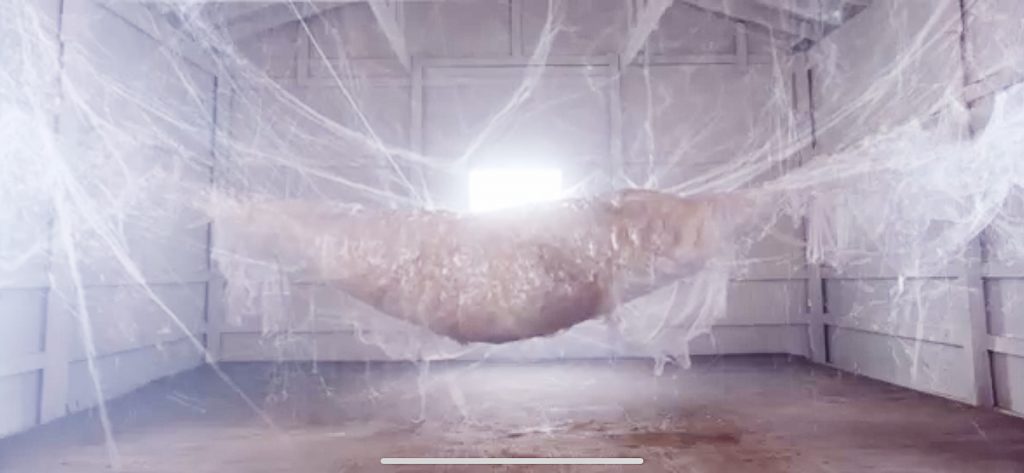
“Simmer” is Williams first song on the album. The video features her running through the woods, being chased by something that is not quite visible. She has a light in her chest that is glowing and she seems to be protecting it, naked and vulnerable, she hides behind trees and sings about the dark rage that is “simmering” inside of her. 

The song is quite different from that of Paramore, and feels very dark and raw. She croons in a low tone about a man who deserves to be gutted, and it seems as if her rage is creeping in. At one point, she makes it into a house where she covers herself in a thick red-brown clay and the audience sees a cloaked and masked figure come after her. Naked and covered in clay, Williams smashes a bowl over the figure and the audience discovers it is herself beneath the mask. 

While not included in the Spotify album, on YouTube, “Simmer Interlude” provides the aftermath of the attack. The now violent Williams drags her other body and huddles over her until a cocoon forms with little music in it, just an eerie “Simmer simmer simmer” being whispered over and over. The video ends with Williams in the cocoon opening an eye with beautiful color adorning her eyelashes.

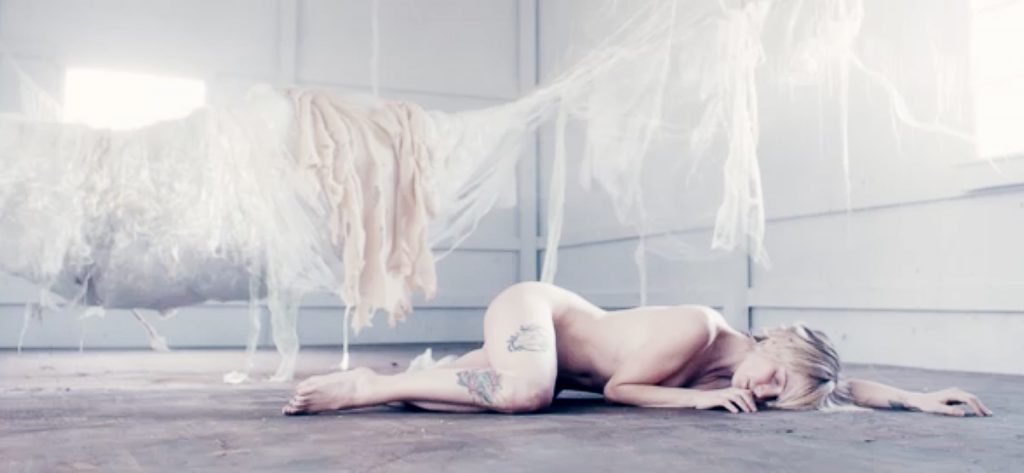
“Leave it Alone” offers a story of doing okay when everyone else around you is not, and that it is impossible to ignore. Williams sings bitterly of God’s sense of humor and that those around her are dying, all while laying in her cocoon, as a morbidly realistic butterfly-humanoid. The ethereal singing and soft melodies are unique, and the only artist I can tie it to is one like Missy Higgins or Imogen Heap, hauntingly beautiful. Dark string instrumentals create a heavy feeling of foreboding in the stomach. Yet Williams is clawing her way out of her cocoon, reemerging as one entity rather than the two she started with, covered in slime and naked. This is a twisted song of self-acceptance and the understanding that no matter how hard someone tries they can’t change another’s fate.

Just like “Simmer Interlude,” “Leave it Alone Interlude” is not on Spotify, but the video features a newborn Williams — shaky and covered in slime— as she attempts to cover her naked body with the tattered remains of her cocoon. She seems different from how she was in both “Simmer” and “Leave it Alone” — she appears vulnerable and frightened as she approaches the door of the room she is in as the final shot.

The end of Williams’ video series for her album is arguably the most scary, “Cinnamon.” Williams explores her house, and is stalked by human-shaped creatures that are the patterns of her wallpaper or piano, while singing how she feels alone in her home. Once discovering the creatures that follow her she is naturally frightened, until alone with one that slithered out of the bathtub. She begins to move in sync with it, and that is when the shift happens.

Instead of singing of loneliness, she opens her eyes, dressed in colorful garb — gone are the remnants of her cocoon — and she dances with the creatures of her house belting out that she is not lonely, but rather she is free.

What is so brilliant about this series, despite only covering the first three songs of “Petals for Armor,” is that it is a complete story with a beginning, middle and end.

This horror-esque music series provided a story of accepting that there is a dark side to everyone and that you have to let it in to fully accept yourself. Williams danced and sang her way to provide a piece of art.


Contact the author at howlentertainment@wou.edu

Photos courtesy of petalsforamor.com

Learn more about the up-and-coming space-themed drag show

Never Retallack  | Entertainment Editor

This year, get excited for the 24th Annual Drag Show at Western. An interview with Skyler Scott, the Choreographer Liaison, provided some exciting information regarding the upcoming performances.

Currently, those in the drag show are rehearsing as often as they can. Those organizing the event have provided daily rehearsals so students can come whenever they are available. They have learned over half the dances in the show, which they do on weekends, so that during the week the cast and crew can practice.

There are around 60 dancers in the production with six choreographers: Hannah Hazelwood, Grace Salud, Mandy Storm, Marika Hatos, Emma Rae and Rory Krehbiel — all of whom are Western alumni. The dances are very exciting and fun; Scott mentioned how several of the dancers watching may ask to join in a dance because they are so into it.

Nicole Gebbie is the script writer as well as the director, but Scott describes the process as more of an integrated team focus. There are six members of their leadership that are working together to create this production. Scott called it a “group effort.” Sam Shoemaker is the TA Liaison, Gwendolyn Baker is the Dancer Liaison, Jeannie Edney is in charge of costumes and makeup and Carina Ramirez is the Props Designer.

The theme of this year’s show is — wait for it — space. 

“We really like to keep the creative side as a surprise for when people come to see the show,” Scott said. So for those who are curious about what the space theme really entails, they will just have to attend the show.

Show times are Tuesday to Thursday, Apr. 7 to 9, during the evening — the official times have not been released yet. This is the first Drag Show at Western that will be running for  three days rather than two, as it is growing in size and has a higher demand within the community. Tickets are $5 and will be on sale soon.

While Scott couldn’t tell me too much about what to expect with the show, they did say, “it’s going to be a tour of the LGBT community.” 

“One of the things we’re trying to do with the show is show a bunch of different parts of the LGBT community, and not just different LGBT identities, but other identities within the LGBT community … representation of a bunch of different body types and identities, that intersectionality is really important, and I love that we get to showcase that in the Drag Show,” Scott said in regard to the importance of representation.

Those interested should keep a look out for posters around campus, as well as check https://calendar.wou.edu/ for any updates on the specifics for the 24th Annual Western Drag Show.


Contact the author at howlentertainment@wou.edu

IFC suggests cuts that would reduce Smith Fine Arts performances by half

Never Retallack  | Entertainment Editor

The Incidental Fee Committee (IFC) has recently made some big preliminary decisions regarding the Creative Arts cuts, and in response there has been confusion and anger about what it means for Western’s campus. I set out to get more information from those on IFC and figure out how this process works and what to expect next.

On the Incidental Fee-Preliminary decision document (which can be viewed online at wou.edu/ifc/current-fee/) that lists all the suggested cuts, the Creative Arts has 8.5% with an asterisk next to it that connects to the sentence:, “With recommendation to eliminate Smith Fine Arts Acts.” This led to several points of confusion; for starters — those in the Arts department feared more of their fees would be cut, and it sounded as if Smith Fine Arts would be completely abolished.

There are several things to point out; firstly, IFC is not technically allowed to decide how things are cut, but these are students on the committee who are using knowledge to make the most sensible decision for how student funds are used. 

“The IFC made the 5% cut with the recommendation to cut half of the programs that Smith Fine Arts puts on. According to my understanding, this would decrease their performances from six to three a year,” said Logan Barker, the Chair of the IFC. 

While cutting the performances in half may seem harsh, an interview with Rachel Bayly, the current Vice Chair for the committee and previous Chair last year, proved that there is more at work behind this decision.

The IFC does not want to cut areas of the Creative Arts like Theatre, Dance and many vocal and instrumental performance groups that are “student-centered and already operating with minimal budgets.”

From there they decided to recommend cuts to Smith Fine Arts, which brings musicians to campus.

“We feel that students are not benefitting as much from Smith Fine Arts as they are from other Creative Arts activities,” Bayly said, explaining why they decided to choose this program.

Another huge part that affected this decision is the fact that the Smith Fine Arts receives a large portion of their budget outside of the IFC, so the 50% cut they are recommending is far less than 50% of the total allotted money for the concerts.

“Our specific recommendation is that the 8.5% cut to the Creative Arts Department be taken directly from the number of concerts put on for next year’s Smith Fine Arts Series,” Bayly said.

They are focusing on keeping programs that are important to student life and success.

“If the Creative Arts Department decided to ignore the will of students in how student fees are spent, that would be a misuse of funds that they are privileged to have. IFC is a place where student voice should have the final say, and area heads understand that as well as the committee does,” Bayly said in conclusion about what to expect as the decision is finalized.


Contact the author at nretallack15@mail.wou.edu

Track and field take 6th and 7th at GNAC Championships

Hannah Greene  | Sports Editor

Over the last weekend, Feb. 21 and 22, the Men’s and Women’s Track and Field teams got on the bus to head to Boise, Idaho, for the GNAC Indoor Championships — a preview of what to expect for the NCAA Division II Championships.

The Wolves proved to be the powerhouse among the other competitors in this meet, finishing in the top-three in multiple races and events. Derek Holdsworth, a transfer senior, blew the competition out of the water in the Men’s 800-meter run and claimed the GNAC title, placing first in the final with a time of 1:54.20 — and not far behind was Max Carmona, a transfer sophomore from Ventura College, placing second with a time of 1:55.25. The Wolves were able to finish four runners in the top-five, with sophomore Adam Alnazer in fourth and junior Trey Reed in fifth — not leaving any space for the other opponents.

Along with Holdsworth, Boise saw Dominique Loggins, a first-year on the track team, steal the Men’s 60-meter run title with a time of 6.86 — this only being Loggins’ second indoor meet. If Loggins is able to bring his time down to a 6.72 he will qualify for the NCAA Division II Championships. 

First-year and standout, Maya Hopwood, had a plate full with the Women’s 60-meter and 200-meter dash — placing second in the 60 with a time of 7.64 and seventh in the 200 with a time of 25.25, just .01 seconds away from the next runner.

Kalulusno Ngaida, a junior jumper, jumped a new season best in the triple jump with a mark of 38-7.5 and came in second. Ngaida has proved to be a dominant jumper among the Wolves claiming sixth place in the high jump with a mark of 5-3.75.

Last week’s star, senior Justin Crosswhite, just barely missed the top-three in the mile, taking fourth with a time of 4:16.73. Along with this, Jillian Greene, a first-year, ran a new season best in the mile with a time of 5:10.69 — and moved herself into ninth on the all-time WOU record book.

The GNAC Championships made for a sweet, high-scoring trip — with the Men’s team placing sixth overall and the Women’s team placing seventh overall. 

Next up, the Wolves head to Seattle, Washington, to run their best time in the SPU Last Chance Qualifier. There will also be two meets closer to home on March 6 at Linfield College in McMinnville and at Willamette University on March 7.


Contact the author at hgreene18@wou.edu

Photos Courtesy of Rick Edelman

Varsity and Club Sports March calendar

Hannah Greene  | Sports Editor

Local Games Only

Varsity Men’s Baseball:

    March 1 @ 12 p.m. vs. Montana State University Billings

    March 14/15@ 1 p.m. vs. Concordia (tentative)

    March 18 @ 2 p.m. vs. George Fox University

    March 27/28 @ 1 p.m. vs. Northwest Nazarene University (tentative)

Varsity Men’s Basketball:

    All away

Varsity Women’s Basketball:

    Feb. 27 @ 5:15 p.m. vs. University of Alaska Anchorage

    Feb. 29 @ 2 p.m. vs. University of Alaska

Varsity Women’s Softball:

    March 13 @ 1 p.m. vs. Montana State University Billings

    March 14 @ 10 a.m. vs. Montana State University Billings

Varsity Track and Field:

    March 7 @ Willamette University, Salem, OR

    March 14 @ Pacific University, Forest Grove, OR

    March 21 @ Lewis and Clark College, Portland, OR

    March 26 @ Lane Community College, Eugene, OR

    March 28 @ Willamette University, Salem, OR

Club

Men’s Lacrosse

    March 1 @ 12 p.m. vs. Pacific Lutheran University

    March 14 @ 1 p.m. vs. Humboldt State University


Contact the author at hgreene18@wou.edu

IFC planning to cut 5.5% from Campus Recreation, your activities

Hannah Greene  | Sports Editor

Intramurals are a way to get out and be active; they happen all year long with multiple teams one can join each term. Not only do students actively participate in Intramurals, but the league also provides jobs for more than 25 students, from referees to scorekeepers to supervisors. 

Currently, the IFC, Incidental Fee Committee has released a preliminary decision to reduce the Campus Recreation Department budget for next year by 5.5%, amounting to about $61,000. 

What does this mean for fellow students? As of right now, Volleyball during spring would no longer be offered, multiple free tournaments would be taken away — golf and bowling for example — and the champions of the Rogue tournaments would no longer receive a free Championship shirt. 

Right now, Campus Recreation is hoping that students will share their voice to help reverse these proposed budget cuts. There will be one more hearing this month where Campus Recreation is encouraging students to attend the final open hearing to speak about their experience with Intramurals and the Campus Recreation Department in an effort to curb the finalization of the preliminary decision. On Feb. 27, an Open Hearing is scheduled for 4 p.m. in the WUC Pacific Room; a sign-in sheet will be provided for those wishing to speak, as an individual or as a group. There will also be smaller group discussions where one is able to speak to a smaller crowd — these will take place after the hearing. 

The IFC will have a table across from the bookstore where one is able to voice their thoughts and concerns to their peers — Feb. 26 from 11 a.m. to 2 p.m. and Feb. 27 from 12 to 3 p.m


Contact the author at hgreene18@wou.edu