Mount Hood

Work for fun

A sketched comic of a woman complimenting a girl’s sweater. | Photo from @juliehang.art on Instagram

Jan. 14 2026 | Belen Ponce Leal | Lifestyle Editor

According to the Oxford dictionary, a hobby is an activity that is done by a person for the sole purpose of enjoyment or relaxation. Hobbies can range from hiking in the mountains to playing video games at home. I personally don’t have a lot of hobbies. The main hobby I have, writing, has become something I do for school and work. While I still love it with a passion, I have been wanting to take up a new one that doesn’t involve me trying to spell things correctly. 

I haven’t had the opportunity to really explore activities to do in my free time. Yet during 

break, when I had all the time in the world, I came to the realization that I had no idea how to get a new hobby.  I’ve usually just stuck to the ones I had growing up. I can only imagine that a lot of other students feel the same way. Therefore, I have created some tips on how to discover a hobby. 

Something simple that anyone can do is create a list of things they like. The list doesn’t have to be concrete. It could range from things done as a child that were fun, like playing tag or building things with LEGOs. Some things to consider would be topics that are engaging and that aren’t tiresome for oneself. 

There’s also scheduling that should be considered when taking up a new hobby. As someone with a busy schedule, I would want a hobby that is easy to do anywhere and can be done wherever I go. For someone who would prefer to do something with their hands, crafting and sculpting would be good ideas. 

Something that discourages a lot of people from starting new hobbies is the lack of perfection at first. Obviously, no one is going to be good at something from the start, and if they are, they are not human. 

Stuart Brown once said, “Life without play is a grinding, mechanical existence organized around doing the things necessary for survival. Play is the vital essence of life. It is what makes life lively.” I’ve thought about trying to start crocheting because the thought of creating my own things sounds awesome. However, I’ve been hesitant to do so because I know for a fact that the first thing I make will look horrifying. Still, that shouldn’t dissuade me or anyone else searching for something new to do in their spare time. 


Contact the author at howllifestyle@mail.wou.edu

Our fearful companion

April 2, 2025

Written by:  Isabelle Jones | Lifestyle Editor

Fear. A simple four-lettered word that latches onto each of us. What was originally designed to protect us now holds many back. Learning to overcome fears is an essential step toward personal growth, confidence and overall well-being. Although fear is a natural response to perceived danger that is wired to protect us from threats, our modern life has diminished this need. There are many types of fears that one may harbor. Whether it is a singular fear or many, it falls under one of these six categories.

Primal fears — These are deep-seated, instinctive fears that have evolved over time to help us survive. Seen as universal, they are linked to real physical threats that our ancestors faced. According to grouporttherapy.com, “These fears include nyctophobia (fear of darkness), acrophobia (fear of heights), agrizoophobia (fear of wild animals), monophobia (fear of being alone or isolated) and sonophobia (fear of loud noises or sounds).” Since these fears are hardwired into our brains, they require conscious effort to overcome, even if they are not indicative of danger in modern life as they were in primal life. 

Social fears — These are categorized as anxieties related to interactions with other people, mainly centered around the fears of being judged, rejected or embarrassed. They stem from the deep need for acceptance and belonging in society. Types of social fear include glossophobia (fear of public speaking), rejection-sensitive dysphoria (fear of rejection) and social phobia — anxiety disorder — (fear of embarrassment). This type of fear can hold people back from personal and professional growth. 

Phobias — Phobias are intense, irrational fears of specific objects, situations or activities. They include mottephobia (fear of moths), claustrophobia (fear of enclosed spaces), megalophobia (fear of large objects or things), coulrophobia (fear of clowns), acridophobia (abnormal fear of grasshoppers) and trypanophobia (intense fear of needles in medical settings). 

Trauma-based fears — This type of fear is an intense, persistent fear that develops as a result of past traumatic experiences. It is deeply rooted in emotional and psychological distress, which is often triggered by reminders of past events. This can lead to an avoidance of certain places, people and situations. Trauma-based fears include philophobia (fear of forming or maintaining intimate relationships), decidophobia (paralyzing fear of making a wrong decision) and atychiphobia (fear of extreme failure). 

Existential fears — These are deep-seated anxieties about life, meaning and one’s own mortality. They stem from the awareness of human limitations, uncertainty and the search for purpose. In other words, existential fears center on any big, abstract questions that cause distress if left unresolved. They include thanatophobia (fear of death), apeirophobia (fear of infinity or eternity) and xenophobia. Although xenophobia is used to discriminate against others because of its tie to the fear of strangers and foreigners; the original meaning is much broader, including anything or anyone that’s unfamiliar or unknown. 

Anticipatory fears — This fear can be summed up by its name, given its relation to future events or situations. Anticipatory fears are anxiety about things that might happen. This fear is based on the uncertainty and possibility of negative outcomes rather than any actual, immediate danger. Anticipatory fears trigger extreme anxiety, leading to avoidance behaviors that can interfere with one’s daily life. They include the fear of bad news and aerophobia (fear of flying). 

Despite the fact that fear is a normal part of life, letting it control one’s decisions can limit one’s experiences and growth. Before one can begin to face their fears, we need to understand why we are fearful. 

The first reason is evolutionary survival. Fear helps us to avoid harmful situations. Our brain’s amygdala detects danger and releases adrenaline to trigger our “flight or fight” reaction.

The second reason for fear is social and learned experiences. These develop through past personal experiences and observations. They shape fear through past events, social influences and psychological associations. One may develop a fear by watching others react fearfully. Society teaches us certain fears, and the media, movies and the news can reinforce those fears. 

The third reason is biological and genetic factors. Some people are more prone to fear due to genetics or an overactive amygdala. Genetic factors can stem from certain mental illnesses such as anxiety disorders, obsessive-compulsive disorders and avoidant personality disorder, making fear responses more intense. 

Lastly, one can be fearful due to uncertainty or lack of control. Many fears stem from the unknown. When people feel that they have no control over a situation, fear tends to increase. Our need for control gives us a sense of security, stability and predictability in a very unpredictable world. 

If someone wants to take control of their fears, there are several things they can do. First things first, one needs to identify and acknowledge their fears. Recognizing what makes one fearful helps provide the power to manage and reduce fear, instead of letting it control us. We need to ask ourselves, “Is this fear based on reality or perception?” This question helps one to decipher whether their fear is rational or irrational. Rational fears are often easier to face because they are based on real, tangible dangers. After recognizing the fear — as long as one wants to take action — the best method to combat it is gradual exposure. Facing one’s fear in small steps helps to desensitize to the fears over time. This helps build confidence, reduce anxiety and regain control over one’s fears. 

During this time it’s important to challenge the negative thoughts that come with it, such as, “Something terrible will happen,” “Other people can do this, but I can’t” and  “Everyone is watching me and waiting for me to fail.” Negative thoughts can make overcoming fear more challenging by reinforcing avoidance behaviors and lowering confidence. It’s essential to replace negative thoughts with rational, positive ones, because that helps us to take action, embrace challenges and overcome obstacles. 

Extra support may be needed from other people in our lives. It’s a completely normal need, especially for those feeling like their fears are too powerful. Their encouragement and presence can provide the motivation and strength needed to take on challenges that come with facing one’s fears. 

Overcoming fears is a journey. Encouragement and praise make one feel accomplished. Although friends and family may be enough for most, professional help can be needed when a fear seems too powerful for one to face. This happens when a fear becomes too overwhelming and interferes with daily life. One type of helpful therapy is cognitive behavioral therapy. This can help people change the way they think about their fears. It focuses on identifying negative thought patterns, challenging irrational fears and gradually exposing individuals to fearful situations in a controlled and supportive way. 

The goal isn’t to eliminate fear entirely, but to learn how to manage it so it doesn’t control one’s life. By stepping outside of one’s comfort zone, confronting negative thoughts and taking small, courageous actions; one gains confidence, resilience and a greater sense of control. The greatest growth lies on the other side of fear. Franklin D. Roosevelt sums it up best — “Courage is not the absence of fear, but rather the assessment that something else is more important than fear.” 

Contact the author at howllifestyle@wou.edu

Giving back

February 26, 2025

Written by: Sadie Latimer | News Editor

March 4, 2025, marks Western’s annual Giving Day — a way for people to donate to their chosen clubs, organizations, scholarships or other funds. Started in 2016, Giving Day has been an integral part of making sure the university and its students have the resources they need. 

Nearly every college and university has a day specifically for crowdfunding. For Western, it’s  “Howl from the Heart.” It is a component of “Wolves Rising: The Campaign for Western Oregon University,”a fundraising program launched Dec. 14, 2024, with an overall goal of raising $20 million for the university to better support students overall. 

Western has highlighted funds on the Giving Day website, including athletics, the Student Success Center, scholarships and the “Future Wolves Fund.” The website also promotes donating to the “Fund for WOU.” This is a general fund that will go toward the areas with the most need, such as campus maintenance and facilities, offsetting operating expenses and funding current campus activities. 

Every year, Giving Day gets bigger and better. This year, Western has a goal in sight of $300,000, compared to the nearly $250,000 that was reached last year. The crowdfunding day also has more than 60 funds to support, compared to last year’s 40 funds. 

On Giving Day 2024, the university created a service and volunteer aspect so students can give back to both Western and the surrounding communities. This year, the students’ community service will extend to Salem for park cleanup — an occupational therapy project. Alongside it, a blood drive on campus was hosted successfully. A need for student volunteers remains at Heron Pointe Senior Living in Monmouth to spend time with seniors from 2 p.m. to 4 p.m. on March 4. Students can sign up to volunteer by going to this Google Form.

If students want to find volunteer opportunities outside of Giving Day, a service fair will be held on campus on March 4, 10 a.m. to 2 p.m. in the Willamette room of the Werner University Center that will help organizations needing volunteers get connected with students. 

If a certain club, organization or other facet of Western isn’t listed on the website, donors can press the red “Make a Gift” button in the top right corner. This page allows donors to designate their gift to the place of their choice. 

Everyone is welcome to participate in Western’s Giving Day, including students, alumni, faculty, friends of the university and other community members. It is a great way for anyone to show their support, regardless of their affiliation with Western. 

If people would like to get more involved in Giving Day, and potentially win a $50 gift card, they can sign up to become a Giving Day Ambassador. 

“Giving Day Ambassadors are people just like you — students, staff, faculty, parents and friends of the university,” David Beasley, the director of development, annual giving and sponsorships, said in an email to the student body. “By signing up to be a Giving Day Ambassador, you can let alumni, friends, family, colleagues and others know about how they can support Western students.”

Two students can each win a gift card, with one student bringing in the most gifts and the other raising the most money. To become an ambassador, press the “Ambassador Sign-up” button on the Giving Day website. Then, fill out the short form and choose what program to support. After submitting the form, potential ambassadors will receive a unique donation link through email. When Giving Day arrives, they can share the link with others and give them the opportunity to donate to the ambassador’s chosen fund. 

If one does not receive a link from an ambassador and would still like to donate, many options are available, including calling 503-838-8814, visiting the Giving Day website — givingday.wou.edu — or going to The Cottage on Western’s campus and giving donations in-person. 

A Feb. 12 press release written by Maureen Brakke stated, “Join Western Oregon University on March 4, 2025, for Howl from the Heart. Make a meaningful contribution and help ensure that every student at Western has the resources they need to thrive.” 

Contact the author at howlnews@mail.wou.edu 

My Western experience

Written by: Taylor Duff | Lifestyle Editor

Western was founded in 1856 as Monmouth University, making it one of Oregon’s oldest public institutions. The school has a long history and a strong dedication to education dating back over 160 years, with Western Oregon State College being renamed in 1939, leading to Western’s formal establishment as a university in 1989. This rich tradition instills pride in the community, and I’ve always felt that as a student here. My experience at Western is probably similar to many others — the campus is smaller and only a few blocks long, yet it’s easy to become lost in the halls and classes, especially in the first few weeks. I’ve had my share of disorientation trying to identify buildings on campus or figuring out which direction to walk when I’m in a new area of the school. But, in other ways, the size has been a great thing as everything is nearby, leaving a comforting feeling from being in a location that’s easy to explore once you get the hang of it. 

What stands out the most from my experience at Western is the sense of community. The classrooms are small enough to build relationships with your teachers and fellow students, but large enough to provide a variety of ideas, viewpoints and interests. Compared to the big lecture halls I had seen in movies or heard about at other universities, Western’s classes felt much more personal and approachable. They were small enough that I felt at ease stepping in, knowing that I could have discussions with my professors and peers. It was simple to pick up a conversation with students, and I truly felt like I was a part of something more than simply a classroom, but part of a community.

Western’s dedication to diversity and inclusion contributed significantly to my sense of belonging. Western is extremely diverse, reflecting a broad variety of cultural, ethnic and socioeconomic origins. Western actively promotes diversity through a range of services, including community centers, multicultural student clubs and activities that encourage inclusiveness on campus. I felt Western was the right school for me, not simply because of its history or location, but because of its real commitment to accepting and giving respect to everyone.

I had a special connection to the university long before I became a student. I grew up witnessing my mom graduate from Western when I was 12 or 13, and the campus and buildings have always seemed like home. The familiarity of Western’s streets, the charm of Monmouth and the inviting attitude all helped me feel connected as a student. Coming back to Western as a college student meant more than simply continuing my education, it felt like coming full circle. When I reflect on my time at Western, I am extremely proud of the route I’ve chosen. From the first day on campus, I felt encouraged and advised, whether through academic advice or just knowing I could bring up concerns to my instructors. There was always a helping hand when I needed it, and I felt it throughout my journey. I’m happy that I got to experience Western for all it is and meet many other students on the way. 

My involvement with “The Western Howl,” the university’s student-run newspaper, was one experience that truly impacted my time at Western. I met other students who worked with me at the paper and it changed my college experience for the better. Initially, I came to Western to pursue a bachelor’s degree in English, but after being involved with the Howl and continuing my love of writing and collaboration, I changed my major to communications. The transition seemed natural, and looking back, it was one of the greatest changes I’ve ever made. Being part of the Howl allowed me to express myself in ways I had not before considered. Writing for the newspaper allowed me to not only show my talents but also to express myself on issues that were important to me and the campus community. It wasn’t just about producing articles, it was about the process, creativity and working with other students. The work I made with the Howl formed my interest in communications and helped me determine my professional goals in ways that no textbook or lecture could.

What distinguishes Western from other schools is its dedication to assisting students in discovering their interests and directing them to programs and opportunities that match their passions. Western provides a diverse range of academic programs and resources to fulfill the requirements of all students. Every department, whether you study education, arts, sciences or communications, fosters a culture of inclusion. The instructors are friendly and truly concerned about their student’s progress. The tools offered from student clubs to internships form an unforgettable network of support. 

I’m very grateful for the time I spent at Western. The experiences, friendships and mentorships have shaped me both as a student and as a person. Without the help of my classmates, teachers and most importantly the people I met at the Howl, I’m not sure where I’d be in my educational journey or my career ambitions now. The university, its tight-knit community and its range of viewpoints all combined make my experience at Western extremely memorable. As graduation approaches, it’s bittersweet to know that I’ll be leaving a place that has seemed like home for so many years. I will take the lessons, friends and sense of belonging wherever I go.

Contact the author at howllifestyle@mail.wou.edu

Winter resources

Written by: Hannah Field | Editor-in-Chief

It has been reported that about 10 million American adults suffer from seasonal affective disorder — SAD — from mid to late fall through the spring season. Oregon, especially, is cold and wet during the cold season, with the sun setting early and the temperature staying chilly throughout the day, even at the peak of the sun.

Seasonal affective disorder is a form of depression occurring during the colder months, the timing being the only difference between SAD and typical depression. It often returns annually for those who experience SAD. Explanations for why someone might experience SAD are still relatively unknown. The trigger, however, is a lack of light. The effects can be debilitating for some, and merely exhausting or tiring for others, meaning it varies from person to person.

Doctors make multiple recommendations for those who struggle with SAD. Studies state that proper sleep will elevate energy levels. If sleeping is a problem, doctors also recommend avoiding screens or other blue light before bed and creating a nighttime routine, something that promotes mindfulness and relaxation, ideally for a few hours leading up to sleep.

On the topic of mindfulness, many may benefit from meditation, yoga, pilates or other exercise or mindfulness practices to stabilize the mind and body. The easiest way to do this is to think of the moment — what is being done and how does it feel? Consider it “grounding.”

It is recommended to find everyday movement. To be clear, this does not necessarily mean exercise as in going to the gym or pushing yourself too hard, but finding time every day to walk, jog, step or play. Finding winter activities can assist, such as snowboarding, skiing, ice skating, sledding or even indoor activities, such as baking, cooking, reading, writing, crocheting and more. Creating things is good for the brain and brings feelings of pride and accomplishment.

And, although difficult, it is recommended to leave the house in one way or another, even when it’s freezing outside. Fresh air is good for the body and brain and leaving the house can stimulate, leading to better mental health.

Surrounding yourself with friends and family is a proven way to ward off the negative feelings accompanied by winter and is highly recommended. Being intentional with plans and self-care can help propel oneself into better health. Examples of self-care include forms of mindfulness as mentioned, cleaning, eating more healthily, exploring faith, self-reflection, practicing gratitude and more.

Artificial light is an alternative as well. Individuals may use sun lamps to replicate the light of the sun and using such light first thing in the morning has been proven to have positive effects. Studies also recommend taking media breaks, such as distancing from apps and social media. News, especially, can negatively affect mental health and during such critical months, access should be limited.

Having a clean, clutter-free environment may elevate moods, although the process is technically a chore. Doing the laundry, dishes and vacuuming can create comfort and remove at least a few tasks off the stressful weekly list.

Other resources, such as therapy, are recommended and can be easy to locate. Psychologytoday.com offers therapists from the area, virtually and in-person, and can point interested folks toward the right information to get set up. It often displays insurance information and sign-up material needed.

Antidepressants can also be helpful for those who suffer majorly from SAD. Meeting with your doctor can get this process started.

There are vitamins that individuals can take to promote health and well-being, such as vitamin D supplements — easy to buy from most local stores.

Most of all, individuals should learn what they need to be healthy and prioritize their health. Western’s Student Health and Counseling Center offers resources, professionals to speak to and other help at https://wou.edu/health/. “Wellness is a conscious, self-directed and evolving process of achieving full potential. We view well-being as a multidimensional and holistic process. The seven wellness realms we focus on, include: social, emotional, physical, spiritual, financial, environmental and mental,” says the center.

The website also provides graphics with more advice for handling poor mental health and finding a work-life balance. It recommends volunteering, maintaining relationships and adopting daily rituals. Figuring out what stress responses there are can be incredibly helpful as well, as each method can be remedied in a different way. Those who isolate may benefit from energizing activities, while those who grow angry or emotional may need to find a quiet, relaxing activity to recover instead.

Starting small with stress can make an impact, eventually snowballing into better coping mechanisms and skills. One conversation at a time opens the door for help.

The weather will, eventually, warm; the sun will return. Nobody should suffer alone. Merely having conversations about mental health can help destigmatize the concept of “winter blues” so that others can receive help as well, and feel less isolated in the process.

Contact the author at howleditorinchief@mail.wou.edu

October opportunities and activities

Written by:  Sierra Porter | Staff Writer

As students jump into the school year this fall, heads will be filled with priorities of homework, classes, jobs and of course, the pressures of everyday life. Oregon has a tremendous amount of October opportunities of all sorts stemming from screamingly scary to family friendly. 

When it comes to the scariest Oregon has to offer, Fear PDX, Nightmare Factory and the Halloween Train are the best places to look. 

Fear PDX Haunted House takes place every weekend from Sept. 29  until Nov. 1 and is the largest Halloween event in Portland. Fear PDX offers up to eight different terrifying attractions that include gore, chainsaws and escape games. 

The Nightmare Factory is at the Oregon School for the Deaf and is held every weekend in Salem from now until the end of November. Deaf students, alongside volunteers, provide a heart-racing experience with interactive lights, displays and scary characters. Proceeds from the Nightmare Factory contribute to the yearly funds for the Oregon School for the Deaf and help support the longest-running haunted house in all of Oregon. 

Mt. Hood offers the Phantom of the Rails Halloween Train — available to book online Oct. 20-21 and Oct. 27-28. Inspired by Edgar Allan Poe, the Halloween Train provides a two-and-a-half-hour ride filled with ghosts and spooks. 

Oregon has more than just spooky attractions and has a variety of events perfect for people of all ages and scare levels. Bauman’s Farm puts on a harvest festival each year from Sept. 23 through Oct. 29 that includes hay rides, pumpkin picking, a dark maze, an animal petting zoo and kids’ play areas. 

If you’ve never seen a giant pumpkin you may have a chance this October… 

From Oct. 20-21, the West Coast Pumpkin Regatta is taking place with dressed-up members of the community paddling in giant pumpkins in the Regatta Race. 

Eastern Oregon is also celebrating its fourteenth annual film festival during Oct. 19-21 — supplying various films and documentaries for the community to enjoy. 

Don’t stay cooped up in your dorm this October, and take advantage of all of Oregon’s best October opportunities.

Contact the author at howlstaffwriter@wou.edu

Wicked writing ideas for this October

Eight frightful writing prompts to ignite the imagination

Sarah Austin | Lifestyle Editor

During the stressors of fall term, it can be rewarding to sit down and write something creative. Celebrate this Halloween season by crafting up a chilling short story. Listed below are eight spooky ideas to help ignite the imagination. Take the prompts below and morph them into any horrific desire.

  • Todd Hall — previously a women’s dorm — is rumored to be haunted and feed on the fear of men. Halloween night a group of men walk by the three story brick building. They hear/see…. 
  • After talking to someone on “Tinder,” they say something disturbing and get blocked. The next morning they are reported missing and there are flyers around the city.
  • While sweeping the living room, a dark stain is noticed near the carpet. After lifting to investigate, a hidden door is discovered.
  • It’s the day after Halloween. Nobody shows up to the 8 a.m. lecture besides the professor and one person. Campus is empty….
  • During an all-nighter at the Hamersly Library, a strange sound is heard. It repeats every five minutes….
  • While at a pumpkin patch, three close friends decide to enter a corn maze and ignore the closed sign across its entrance. After twenty minutes of wandering, they realize one friend is missing…. 
  • Using “Bumble BFF” a friend-date is made. After meeting and having dinner together, they offer a ride home. Instead of home, they pull into….
  • The main character is driving to the coast when they pull off onto a dirt trail, in hopes of a short cut. It seems to work until they see a tree fall on the road behind them, trapping them in. Forward is the only way to go on this unknown and unmarked trail, and the sun sets in two hours.

For a chance to be featured in Student Media’s art and literary magazine, “The Northwest Passage,” submit stories via email to northwestpassage@mail.wou.edu.

Happy haunting, writers.

Contact the author at lifestyleeditor@thewesternhowl.com

A valiant return: homecoming makes a comeback for fall 2021

With a lineup of exciting activities, homecoming 2021 is sure to not disappoint

Mikayla Coleman | News Editor

Homecoming week is upon us. This student favorite, which has been at Western for a century, is back and will not disappoint. Oct. 5 – 9 marks a week jam packed with exciting and engaging activities leading up to the big game and the crowning of Wolf Royalty on Saturday. 

Homecoming is much more than just a football game. “Having something where we can come together and kind of have fun and unite over something, even if you’re not into sports, it’s a good excuse to dress up, put on your WOU shirt, or whatever,” said Antonia Scholerman, the Homecoming Events adviser.

Homecoming this year has a more emphasized meaning. Due to COVID-19, almost all students were off campus last year and were unable to attend or participate in the traditional activities, like football games.  

In our ever-changing COVID world, we are learning to adapt; and homecoming, like most other on campus events, has had to adapt as well. For example, the Power Puff game was replaced this year with a dodgeball tournament. This exciting addition to homecoming week also proves to be more inclusive. 

“Typically Power Puff was only open to female-identifying students and so (now) anyone of any gender can participate in the dodgeball games,” Scholerman said. 

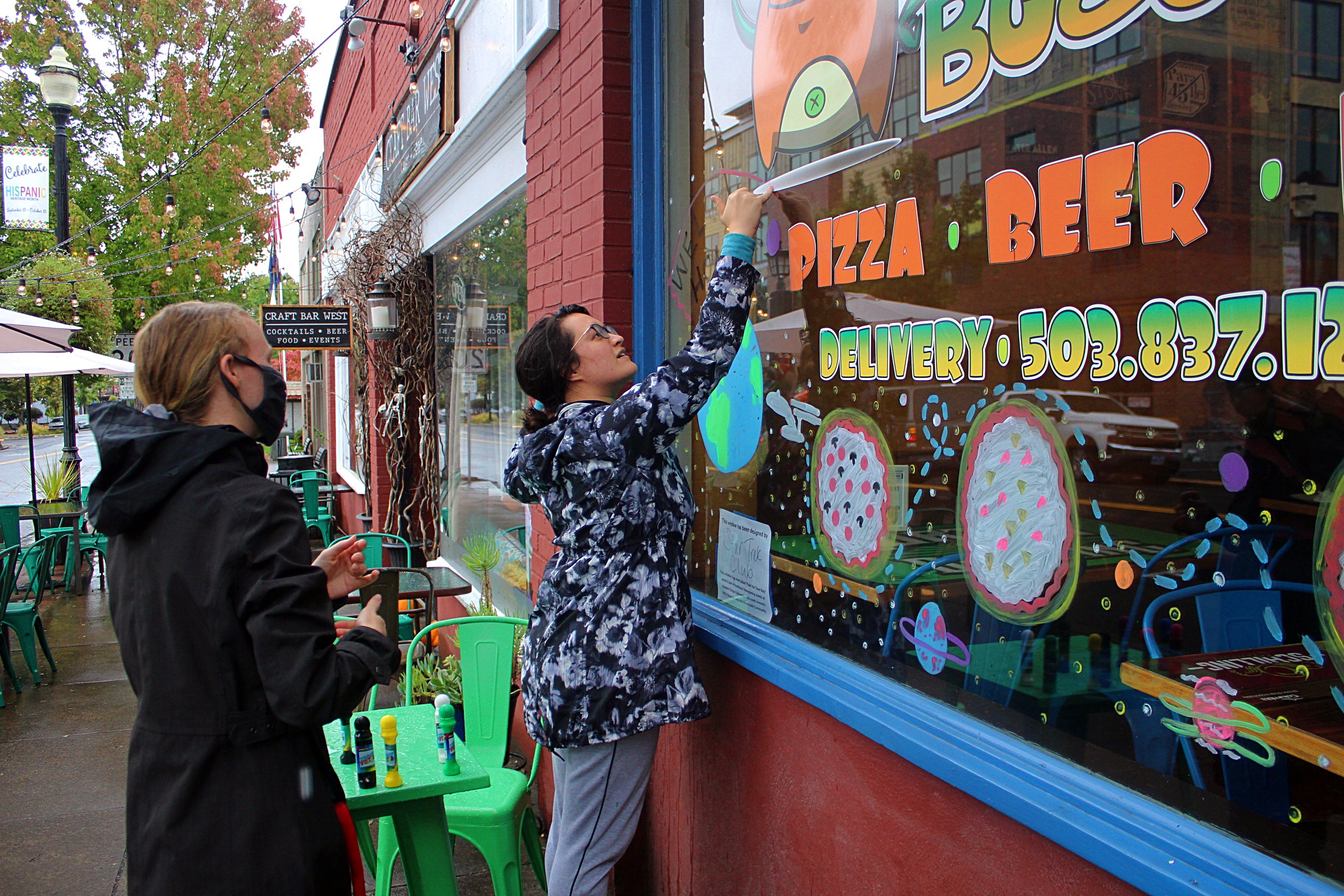
While homecoming events are important in growing and strengthening the community of students at Western, it is also a way for students to get connected with their off campus community in Monmouth. The activity that best exemplifies this is Paint the Town Red in which students will paint the windows of local businesses in downtown Monmouth. Student groups sponsor these windows and they will be judged against one another. The winner will be announced during a pizza party for the participating groups. This process of collaboration between these businesses, making a very physical and bold show of support for students at Western, reaps a mutual benefit. 

Every year there are nominations of students, by students — six of whom will end up on the 2021 Homecoming Court. After the court is established, these students will fill out a questionnaire and have interviews to allow students and staff to better get to know them and their values. Once those are filled out, voting forms will be sent out to all students so they can vote for the two finalists who will be crowned Wolf Royalty. 

For the full rundown of homecoming events, check out our calendar below. 

Contact the author at newseditor@thewesternhowl.com

Intramural sports return

Intramural recruiting for Fall 2021 begins

Mikayla Coleman | News Editor

The recent return to campus life leaves many students questioning just what extracurricular activities are resuming for fall term. Intramural sports have made a strong willed return. 

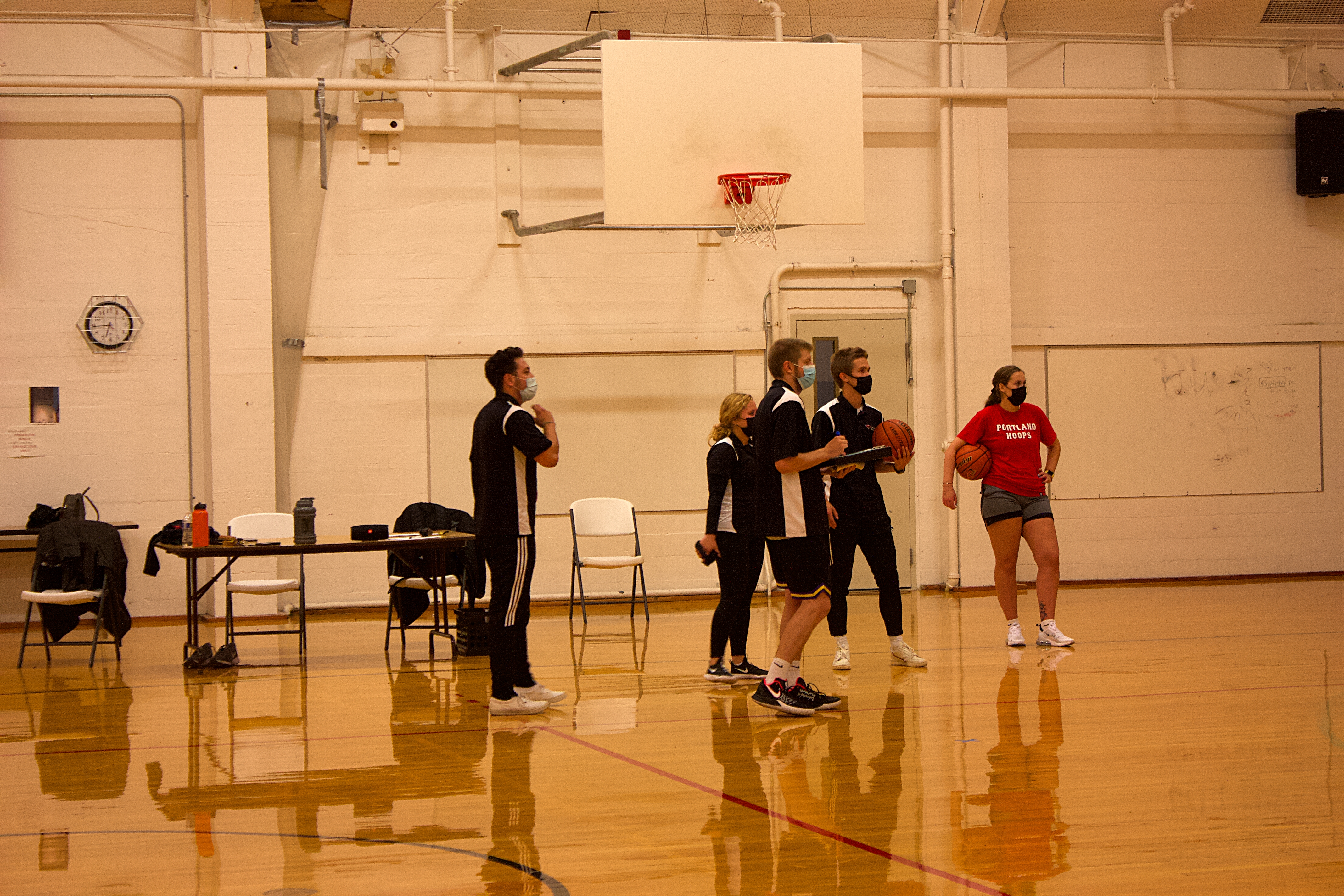
Intramural sports programs are open to all Western students, faculty, staff and spouses. They are a great option for those who want to participate in sports, but may not necessarily have the commitment level or developed skill set for a school sports program. 

“Intramurals fill a unique void. There are no practices, no coaches — it’s just show up and have fun and play with your friends,” said Andy Main, assistant director for Campus Recreation. 

Intramurals have less emphasis on qualities that make sports a stressful event and weigh more on getting involved within the campus community. 

“It’s a unique way to blow off steam, maybe take your mind off of a stressful final coming up — for me, most importantly is to meet and bond and get to know new people,” Main said. 

Western’s intramural program has thirteen different sports that they are currently recruiting for. Each sport does have a cost associated with it depending on the scope of the league, tournament or event. This fall term they plan to offer many exciting in person events including Badminton League, Corn Hole League and Volleyball League. Amidst the pandemic panic we have all endured, they also plan to grow with the technical times and implement two virtual sports and activities: the NCAA Bowl Game Pick’em and esports. 

All rules and regulations can be found on imleagues.com/wou

Contact the author at newseditor@thewesternhowl.com

Gaze into new possibilities with stargazing

Get outside and find a new hobby in stargazing

Allison Vanderzanden | Lifestyle Editor

Enjoying the night sky gets easier as the nights grow warmer. Looking for a new hobby? Stargazing is accessible to most everyone, and extensive astronomy knowledge is not required. Follow these tips to start stargazing.

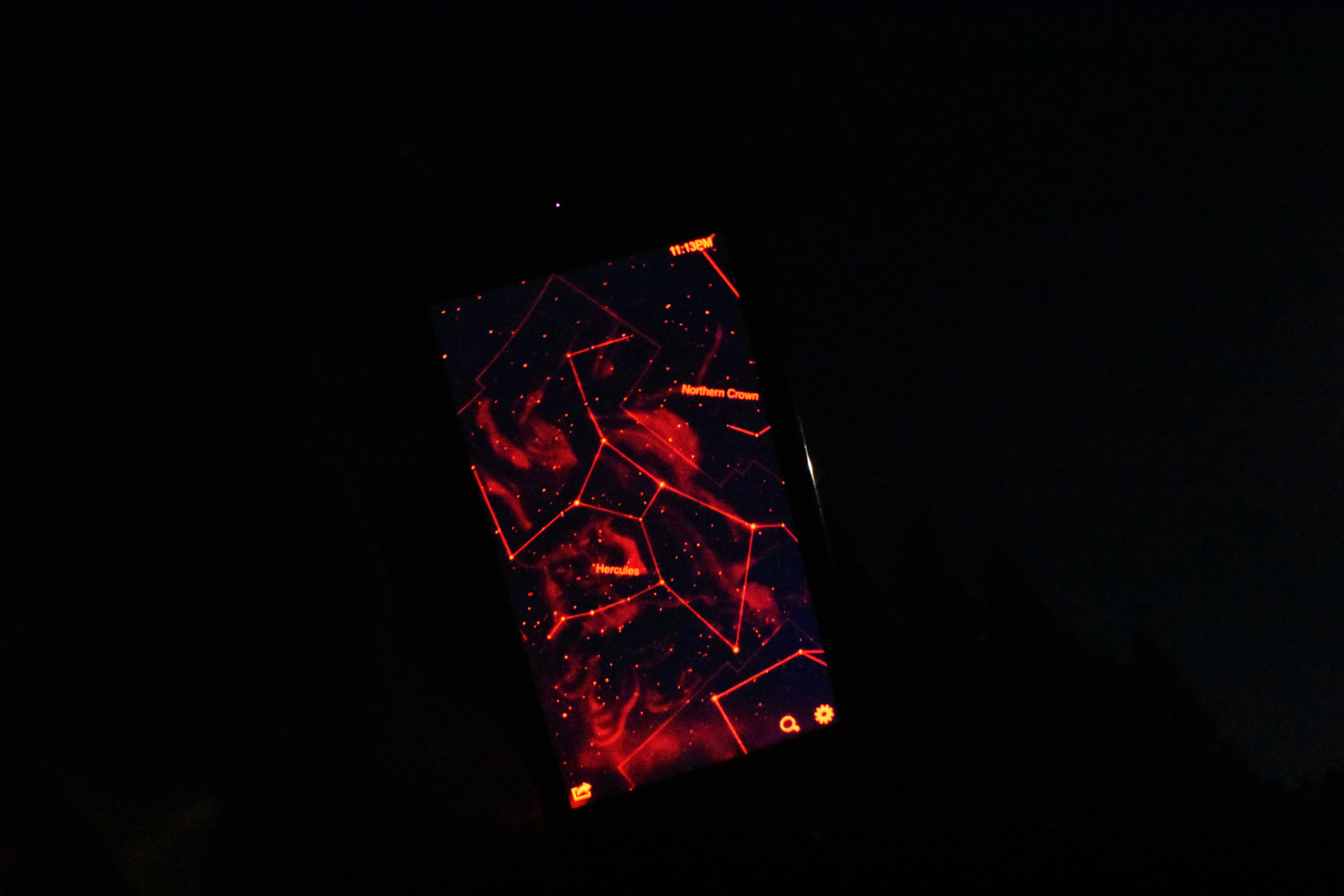
If totally new to stargazing, there are a number of apps that can help. I use “Star Chart” because it offers a red light mode; red light, unlike other colors, won’t affect the eyes’ perception of darkness. Other apps include “SkyView Lite,” “Star Walk 2” and “SkySafari” ⏤ all available on both the App Store and Google Play store. 

With a mobile guide in hand, it’s time to get outside; while stargazing is more exciting when away from city lights, it is perfectly fine to simply walk into the backyard and look up. The best nights to stargaze are cloudless, moonless nights, so check the weather forecast before heading out. 

Once outside, let the eyes adjust to the darkness for about 20 minutes so that as many stars as possible will be visible. Take a moment to become oriented with cardinal directions; all stars, planets and the moon rise in the east and set in the west.

There are a few types of objects that will be visible: stars, planets and satellites. Planets do not shimmer like stars do and tend to be brighter. Meanwhile, satellites tend to move slower and are much dimmer than airplanes across the sky. Track which planets or satellites will be out at what times online.

Now to identify some constellations. The Big Dipper, part of Ursa Major, is arguably the easiest constellation in the northern hemisphere to identify, and it’s in the night sky year-round — making it the perfect starting point. The two stars that form the end of the dipper’s bowl point upwards towards Polaris, the end of the Little Dipper’s handle. Following this same line leads to Cepheus, shaped like a house. Next to Cepheus is the “W,” Cassiopeia. In Greek mythology, Cepheus and Cassiopeia are husband and wife, so they sit together in the night sky. All of these constellations are circumpolar, meaning they are visible all year round.

Different constellations — like Orion, Pegasus and the zodiacs — will come out during different seasons, meaning something new awaits in the night sky every month. Use an app as a guide to learn which constellations are next to each other, and as an added activity, learn about the mythology of constellations online.

Contact the author at avanderzanden19@mail.wou.edu

‌Show Mother Earth some love on April 22

Simple ways to enjoy Earth Day this year

Natalie‌ ‌Dean‌ ‌|‌ ‌Entertainment‌ ‌Editor‌

With Earth Day steadily approaching, it’s time to start making plans for April 22. If it’s staying at home or going out, there is more than one way to advocate for environmental concerns and to celebrate Earth Day. According to earthday.org, “(Earth Day) is marked by more than a billion people every year as a day of action to change human behavior and create global, national and local policy changes.” To celebrate, consider these ways to enjoy Earth Day either solo or socially distancing: 

  • Donate unwanted clothes or items around the house to declutter, and to support local charities, organizations and people in need. 
  • Return cans and bottles to declutter, recycle and get a little extra cash. 
  • Get outdoors with gardening projects ⏤ which can attract native pollinators, support local ecosystems and provide fresh produce.
  • Walking, hiking and biking are rewarding activities that get the body moving while being in the great outdoors. 

  • Join a group or go solo to pick up litter at parks, beaches, dams, hiking trails or around the neighborhood.
  • Reduce, reuse, recycle materials around the house with art projects, such as some of the ones below. 
  • Create a bird feeder by taking a pinecone and covering it with peanut butter, and then sprinkling birdseed on the peanut butter. Once evenly coated, tie the pinecone up with string in a secure location. 
  • Try painting and decorating rocks, which can add flair to any yard or garden. Designs can be as simple as a sun or a ladybug, or they can be used as identifying markers for different plants.
  • Make a fairy garden out of everyday items found outside, like sticks, bark, stones, moss and flowers. 
  • Learn about other ways to be environmentally conscious, such as trying to go plastic-free, reducing waste and being energy efficient.

Contact the author at ndean17@wou.edu

‌Hop to it, Easter is just a few days away

Plan something fun for Easter with these suggestions 

Natalie‌ ‌Dean‌ ‌|‌ ‌Entertainment‌ ‌Editor‌ ‌ ‌

Easter get-togethers and egg hunts across the community will look a little different this year, but there is still an abundance of things to do come Easter Sunday. The day can be as simple as enjoying one’s own company ⏤ full of rest, relaxing and eating huge chocolate bunnies. Whatever people may have planned, here are a few things anyone can try to stay entertained:


  • For many people, dyeing Easter eggs is a must, although it can get messy. There are online tutorials that explain tips for beginners and ones that show elaborate designs. 
  • Easter egg hunts are a staple activity for people of many ages, and can also be a good way to keep kids engaged for a while. Try it with pets by putting treats in the eggs and hiding them in a place they frequent. 
  • The egg toss is perfect because all ages can participate in the competition. This is another messy game but it allows people to enjoy time outdoors and to practice their hand-eye coordination. 
  • It would be a shame to forget about the egg walk — which requires the player to hold a spoon in their mouth, while an egg balances in the spoon. Then, they walk a certain distance without dropping the egg in order to win. 
  • “Pin the tail on the rabbit” is an easy, interactive game to help entertain the youngsters. This will require a blindfold, a piece of paper, a pen to draw the bunny, some tape and a white cotton ball for the tail. 

Contact the author at ndean17@wou.edu

Embroidery is one of life’s thimblest pleasures

Embroidery is the latest activity to try from home 

Natalie‌ ‌Dean‌ ‌|‌ ‌Entertainment‌ ‌Editor‌ ‌

Through the last year, people have had to get creative with their activities and pastimes. The world went through a collective bread baking phase and making the TikTok famous whipped Dalgona coffee, but there’s one activity that’s been overlooked. Embroidery has long been used throughout history to adorn and craft clothing items or to make elaborate art pieces. It continues to be a popular and eclectic activity, with a variety of ways to mix materials and try new designs. 

The starting materials don’t have to cost the artist a lot of money, and many smaller items can be found around the house or at an art store. It’s a hands on project that requires practice and patience, but it pays off to see the finished product. Here are some insider knowledge, tips and tricks that can make it easier to enjoy:

Starter supplies: 

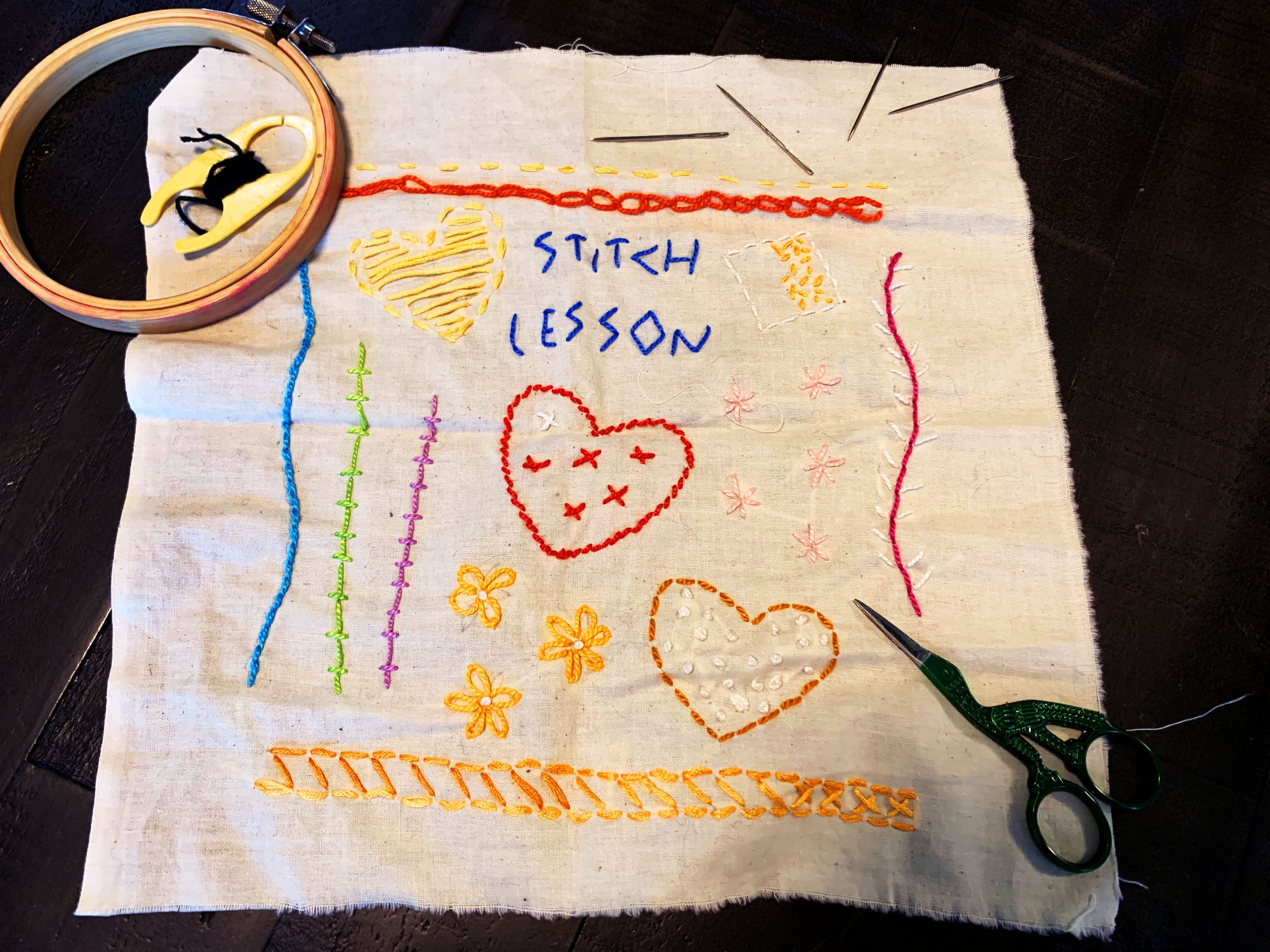
  • Key items for any beginner embroiderer would be a wooden or plastic embroidery hoop or frame, a set of needles, thread of the artist’s choosing, fabric and sharp scissors. 
  • I find it useful to have a small pouch or container to keep supplies in, and it helps keep some of the smaller items organized.
  • Hoops, frames, fabrics and embroidery patterns can be found in thrift stores at low price points and often be bought in bulk. 

Optional supplies: 

    • There are specialty embroidery scissors that one can use, which tend to be smaller and sharper than traditional scissors — they are also often decorated or embossed. 
    • A thimble is small but mighty, and it can protect sensitive fingertips from the threading and sewing process. 
    • Using a very small amount of thread conditioner or beeswax can prevent tangling and knotting. If using a conditioner kit, lightly take the thread that is being used and run it along with the conditioning agent, while pressing against the thread with a finger. Then, pull the thread between two fingers to remove any static.

    Learn the stitches: 

    • Knowing the difference between a French Knot, a Running Stitch, Chain Stitch, Stem or Split Stitch, Long and Short Stitches, Woven Wheels and Lazy Daisy Loops will help narrow down which ones should be used for the desired effect.  
    • Take it slow at first; consider watching YouTube videos and practicing on cheaper fabric to get the hang of it. 
    • Watch out for pulling stitches too tight, which can distort the fabric and overall design. 
    • Overlapping stitches can provide a lush look for flowers or nature scenes.
    • Stitches that involve knots can be perfect for finer details or building texture.

    Contact the author at ndean17@wou.edu

    These gardening tips are kind of a big dill

    These gardening tips are kind of a big dill

    Allison Vanderzanden | Lifestyle Editor

    Growing a garden can be a rewarding hobby, though winter makes it all but impossible to grow greens outdoors. Luckily, many herbs and small vegetables can be grown indoors, a win-win for those without outdoor spaces and those looking for year-round fresh goods. Here are some steps to starting a personal indoor garden.

    Firstly, map out the perfect spot in the house. Most plants will grow best in a south facing window with full sunlight. If no such window is available, investing in incandescent, fluorescent or full spectrum LED lights is also an option. 

    Pick out which greens are going to be planted. The possibilities are endless ⏤ from scallions to basil to oregano to microgreens. According to gardentherapy.ca, the easiest herbs to grow indoors include chives, mint, parsley and Vietnamese coriander. Seedlings tend to be less fickle than seeds — a good option especially for novice gardeners. Buy seeds and seedlings from the gardening center at a grocery outlet or home improvement store.

    Next, acquire other necessary supplies; use pots, containers or window boxes at least four inches deep, and make sure they have drainage holes with a drip tray underneath. Get organic potting soil and some type of watering can or mister, and buy fertilizer if desired.

    Pat down about two inches of soil into a pot, then scatter many seeds over the soil. Top with a thin layer of soil, then water and add optional fertilizer. If repotting seedlings, make sure the roots get fully covered with dirt. Place the pots in adequate light; if using artificial light, set it on a timer for about 16 hours per day.

    Each plant is unique, so follow growing instructions provided on the seed packet or online. Most plants will need to be watered every couple of days. Many greens will pop up in about one week, and some may be ready to harvest in as little as three weeks; cuttings can be taken starting when the plant reaches at least four inches tall.

    When harvesting, use clean, sharp scissors to cut lower outer leaves and stems. Harvest often, but cut less than one third of the plant at a time to encourage growth. Enjoy fresh herbs and vegetables in meals, soups and salads all year-round.

    Contact the author at avanderzanden19@mail.wou.edu

    Celebrate the season of love with these activities

    Ways to spend time this Valentine’s Day if alone or single

    Natalie‌ ‌Dean‌ ‌|‌ ‌Entertainment‌ ‌Editor‌ ‌ ‌

    Valentine’s Day is right around the corner, but not everyone has plans this year, or a significant other to spend it with. However, the holiday doesn’t have to be full of sadness or longing for a partner; instead, it can be an opportunity to make the most out of singledom and celebrate love in other ways. Here are some of the best ways to spend time alone when single or without plans:

    • Write letters to family or friends: If spending this holiday solo, love letters or letters of gratitude for friends and family can go a long way. This past year has been hard on everyone, and a small moment of appreciation can mean more to someone than initially thought. It doesn’t have to be pages long, but can highlight favorite memories, inside jokes or a cute message. Go the extra mile and mail them out if needed. 
    • Pampering: There are a ton of takeout and delivery services available to enjoy a nice meal, beverage or sweet treat from home. Or the day can be spent cooking favorite meals or treats at home, with a movie or music. Take a nap, get out of the house, enjoy time in nature ⏤ do whatever brings the most relaxation through the day.
    • Spend time with pets: Valentine’s Day can be spent with pets, either out on a walk, playing, lounging around or by giving them treat after treat. Have a fun photoshoot with pets to commemorate the day together, give them a little Valentine’s with a toy or treat in it and bestow some extra attention (flowers are optional, chocolate not recommended).
    • Random act of kindness: There are plenty of people in our community that need a helping hand, from folks facing homelessness to families in our own neighborhoods. Donating time and resources can make a big difference to those who may be struggling, even if it’s something small. Spread the love by going through old clothes, dishes, home items or unwanted food products and donating them to food pantries and homeless shelters. 
    • Valentine’s Day cards: If there are any kiddos or youngsters in the family, they may really appreciate some chocolates, a toy or Valentine’s Day cards — since they aren’t in classrooms and can’t quite celebrate in the traditional way. It can be an exciting time for children to soak in the holiday, so try out a themed activity with them. Have them make their own cards to give to family members or friends, decorate the house, bake goodies or have a spa day. 

            Contact the author at ndean17@wou.edu

            Six Oregon waterfall locations to visit

            Dozens of waterfalls within driving distance of Western

            Allison Vanderzanden | Lifestyle Editor

            Creeks and rivers grow to roaring currents in the wake of winter rain and snow, fueling waterfalls to their full power. Brave the cold and get out to see these waterfalls less than an hour and a half drive from Western. 

            Silver Falls State Park (56 minutes away): Home to eighteen waterfalls and the 7.2-mile Trail of Ten Falls hike, Silver Falls State Park is a nature lover’s dream. Pay a $5 day-use fee to spend hours immersed in the lush forest surrounding Silver Creek. Not up for a hike? Some falls — including North, South and Winter Falls — are a short walk from parking lots.

            Scotts Mills Falls (59 minutes away): While only possessing a 10-foot drop, Scotts Mills Falls is very accessible in the small park of Scotts Mills. Visit during the summer and go for a swim in Butte Creek.

            Shellburg, Ayers and Stout Creeks (1 hour 2 minutes – 1 hour 15 minutes away): Accessed via gravel roads and obscure trails in the Santiam Canyon area are six waterfalls: Shellburg, Lower Shellburg, Ayers Creek, Upper Ayers Creek, Horseshoe and Stout Creek Falls. As of Jan. 26, this area is closed due to damage from Sept. 2020 wildfires.

            Alsea and Green Peak Falls (1 hour 11 minutes away): Right off the parking lot of Alsea Falls Recreation Site is the 30-foot Alsea Falls. Take a 2.5-mile roundtrip hike to see the even more impressive 45-foot Green Peak Falls with a $3 day-use fee.

            Niagara and Pheasant Creek Falls (1 hour 12 minutes away): Oregon boasts its very own Niagara Falls in the Siuslaw National Forest. These two waterfalls, each with over 100-foot drops, are both within a two-mile hike. Pack a lunch and enjoy the roar of the falls from a nearby picnic table.

            McDowell Creek Falls County Park (1 hour 15 minutes away): A self-proclaimed hidden gem, McDowell Creek Falls County Park harbors two major waterfalls — Majestic and Royal Terrace Falls — as well as three minor falls. Be prepared for stairs, but the viewing platforms offer beautiful photo opportunities.

            For even more waterfalls in the Pacific Northwest, check out waterfallsnorthwest.com and get exploring.

            Contact the author at avanderzanden19@mail.wou.edu

            More quality quarantine activities for 2021

            Nine new things to occupy time in self-isolation

            Allison Vanderzanden | Lifestyle Editor

            With the number of COVID-19 cases still rising, it is important to continue practicing social distancing and self-quarantining when necessary. After being home for the holidays, the first few weeks of January may be a very important time to stay put at home. Alleviate the monotony with these quarantine activities — some new, some familiar from 2020, but all possible ways to cure boredom.

            Practice self care: Put mental health first, as isolation can bring about feelings of depression and lack of motivation. On difficult days, remember to complete some daily necessities, including brushing teeth, showering and drinking water. Also do something to relax or have fun, like taking a bubble bath or reading.

            Learn to play an instrument: It may sound intimidating, but YouTube offers many great videos to help people learn to play all kinds of instruments for free. If traditional instruments are inaccessible, start with something simple like the harmonica, kalimba or ukulele.

            Binge watch, listen and read: Many shows may have already been binged over the summer, but the selection of entertainment options is nearly endless. Ask friends for their recommendations to start, or scroll through a favorite genre on a streaming platform. If looking for something other than movies or TV shows, try listening to a podcast or a music album, or read a new book or series. 

            Try a new look: There are pros and cons to having little to no human interaction; one pro is that no one can judge. Dye or cut hair, have fun with new makeup looks and experiment with fashion like no one is watching.

            Explore the world virtually: Travel the world without leaving the couch. Use Google Maps and walk the streets of a new city, or play a game with world maps like Geoguessr ⏤ where the player guesses where in the world they’ve been dropped ⏤ or MapCrunch, in which the player attempts to find the nearest airport using street view.

            Take knowledge tests: The internet and smart devices such as Google Home offer a wide array of quizzes on an infinite number of topics. Sporcle, for example, is a quiz website that has something for everyone, including geography, song lyrics, film trivia and much more. Play along with friends and family by sharing one’s screen over video call as well.

            Make something new in the kitchen: The possibilities are endless: appetizers, snacks, side dishes, entire meals, cocktails, desserts and the list goes on. Get inspired by some recipes featured in previous issues of The Western Howl, or a quick web search will yield dozens of results to choose from.

            Start learning a new language: Learning a new language is a long process, but knowing a few phrases here and there can be fun. Use free apps like Duolingo or Memrise, or use online resources such as YouTube to get started.

            Get ahead on work: It may sound like the most boring option, but I personally get antsy without some productivity in my life. Take a look at the syllabus or ask the boss for work that can be started or finished ahead of time. Bonus: less stress for the future.

            Contact the author at avanderzanden19@mail.wou.edu

            ‌Five online game sites to get lost in

            Five websites with online games to help with boredom 

            Natalie‌ ‌Dean‌ ‌|‌ ‌Entertainment‌ ‌Editor‌

            Online games have long been a staple of the internet ⏤ with dress-up and makeover flash games, car racing, cooking competitions and many that come from shows like “The Suite Life of Zack and Cody,” “Spongebob” and “Tom and Jerry.” Online games such as these can be a good way to burn some time alone; or, if the kids are bored at home and need something new to do, let them explore early internet games. 

            There used to be many other options for playing these types of games, but because of security threats in the Flash Player, Adobe heavily suggests that it be uninstalled. As of Jan.12, Adobe blocked Flash content from running the Flash Player, since the program is at the end of its life. It’s always smart to play it safe and be cautious of clicking weird ads, links or installing unknown things onto the computer. All things considered, here are some sites that will let anyone play some fun games:

            1. Right off the bat, igrezadecu.com has ones like “Zack and Cody Pizza Party Pickup Game,” “Tom and Jerry Cheese Swipe,” “Spongebob Mini Golf” and “Spongebob Rock Collector.” 
            2. httml5games.com has “Smarty Bubbles,” “Badland,” “8 Ball Billiards Classic,” “Crazy Caves,” “Jungle Run,” “Archery World Tour,” “Solitaire Klondike,” “Diamond Rush” and pages worth of other choices. 
            3. Over at funnygames.org, there’s “Fireboy and Watergirl 5,” “Tiles,” “Phase 10,” “Gold Strike” and “Master Chess.” Check this site out for other games too under categories such as adventure and platform, action and fighting, brain and cards, skills and multiplayer and cards. 
            4. gameforge.com holds browser and free games, plus plenty of MMORPG’s (massively multiplayer online role-playing games). There are many alternative categories such as bowling, scary, strategy and memory games.
            5. Finally, gamesheep.com is home to “Garden Bloom,” “My Little City,” “Mad Racer,” “Yeti Sensation” and my personal favorite, “Super Onion Boy.” 

            Contact the author at ndean17@wou.edu

            Review: “Mushrooming Without Fear”

            Be a fun-gi and safely forage for mushrooms with this field guide

            Natalie‌ ‌Dean‌ ‌|‌ ‌Entertainment‌ ‌Editor‌

            Nature-lovers alike can appreciate any field guide that is safety-oriented ⏤ especially one that is in-depth and provides full-color pictures. This quick read by Alexander Schwab is full of thorough information; “Mushrooming Without Fear: The Beginner’s Guide to Collecting Safe and Delicious Mushrooms” includes detailed steps on the proper way to hunt for these hidden gems in the area. 

            Throughout the three main sections, the reader can explore the components of a mushroom and how to tell the difference in its anatomies — such as its gills, tubes, spines and ridges. Since there is such a variety of species and toxicity levels, it is important to go through Schwab’s recommended steps for positive identification. The guide breaks into sections for different types of fungi, which has a full overview and highly stresses their “safe method,” and consists of these guidelines:

            1. When first starting off, leave most mushrooms alone.
            2. Closely evaluate which specific markings are present, and keep in mind which identifiers are absent.
            3. Follow the rules and take the identification process step-by-step.

            This safety method ensures that the forager will avoid deadly species or ones that can cause permanent damage, such as ones with gills, which are highly poisonous and should be avoided completely. Further in the book, there are eight rules that should also be studied before picking or consuming. 

            Aside from the bounty of safety information found in this guide, readers can also check out the twelve types of mushrooms and their species — like the King Bolete, Chanterelles, Common Puffballs, Hen of the Woods and Bay Boletes. One especially useful part of the positive identification checklist is a scale of colors along the top of the page, which represents the correct color the cap should be when picked.

            Other details on the checklists include the average size across the cap, what time of the year they make an appearance, their location and other tips. 

            With the identification checklist readily available for each type of mushroom, there are also plenty of details for how to handle, store, season and cook them. Out of all the field guides out there on the market, this one is very beginner-friendly, affordable and definitely worth taking along while foraging. 

            Rating 4/5 because I will now be spending all of my money on mushroom field guides. 

            Contact the author at ndean17@wou.edu

            ‌10 scrapbooking tips and tricks to try out

            A well-loved pastime is making a comeback in 2021 

            Natalie‌ ‌Dean‌ ‌|‌ ‌Entertainment‌ ‌Editor‌ ‌ ‌

            Scrapbooking has been cherished by many types of people, and one of the beauties of the craft is that it’s open for anyone to enjoy. It can be used to remember the passing years and fun times and can be incorporated into cards, letters, journals and photo albums alike. The art form has been used for centuries to capture important moments and faces filled with smiles. In past times, some people would compile scrapbooks throughout the years for their children ⏤ occasionally gifting them on their wedding day or important birthdays. It can also be used as a thoughtful way to commemorate a loved one who has passed away. 

            Although not as many people are utilizing scrapbooking nowadays, the craft can be explored individually but can be enjoyed with company such as groups, retreats or classes. The world of scrapbooking can be intimidating; there is no one “right” way to scrapbook, and the most important part is to have fun with it and to see where it goes. That being said, there are a few tips and tricks that can make the activity easier to explore:

            1. If a traditional scrapbook isn’t available, any drawing booklet, old journal or photo album will work just fine. 
            2. Reduce, reuse and recycle. Most materials used can be found around the house or bought at thrift stores and yard sales.
            3. Pick a color scheme and a theme. If using photos, the rest of the page layout can be inspired by colors or details in the pictures. 
            4. If using older photos with limited or no copies, it can be best to leave them as is or to cut them in traditional shapes like squares or ovals. If they are more recent photos, consider developing extra pictures.
            5. Thicker cardstock paper works best for backgrounds since it withstands materials like thick markers, lots of tape and paint. Pictures from magazines, newspaper clippings and drawings all work too. Put unused scraps in a resealable plastic bag to avoid a mess.
            6. Journaling highlights and details from the event, memory or photo can be a good jumping-off point for a page, which could include the location, date, weather, favorite parts and the people involved. 
            7. If the page layout doesn’t include journaling and isn’t quite centered around one theme, quotes from books, movies, tv shows or lyrics can be used to balance the design. 
            8. For an added design element, include dried or pressed flowers or leaves, or embellish with bits of fabric, ribbon, stickers, paint and different writing techniques.
            9. Using textured paper adds a little pop to the page, and envelopes can double as pockets for photos or journaling snippets. Two-page layouts add extra space.
            10. Don’t glue or tape things right away; lay it all out and experiment with the design. Double-sided tape works best when layering, and glue sticks work better with paper.

            Contact the author at ndean17@wou.edu