Mount Hood

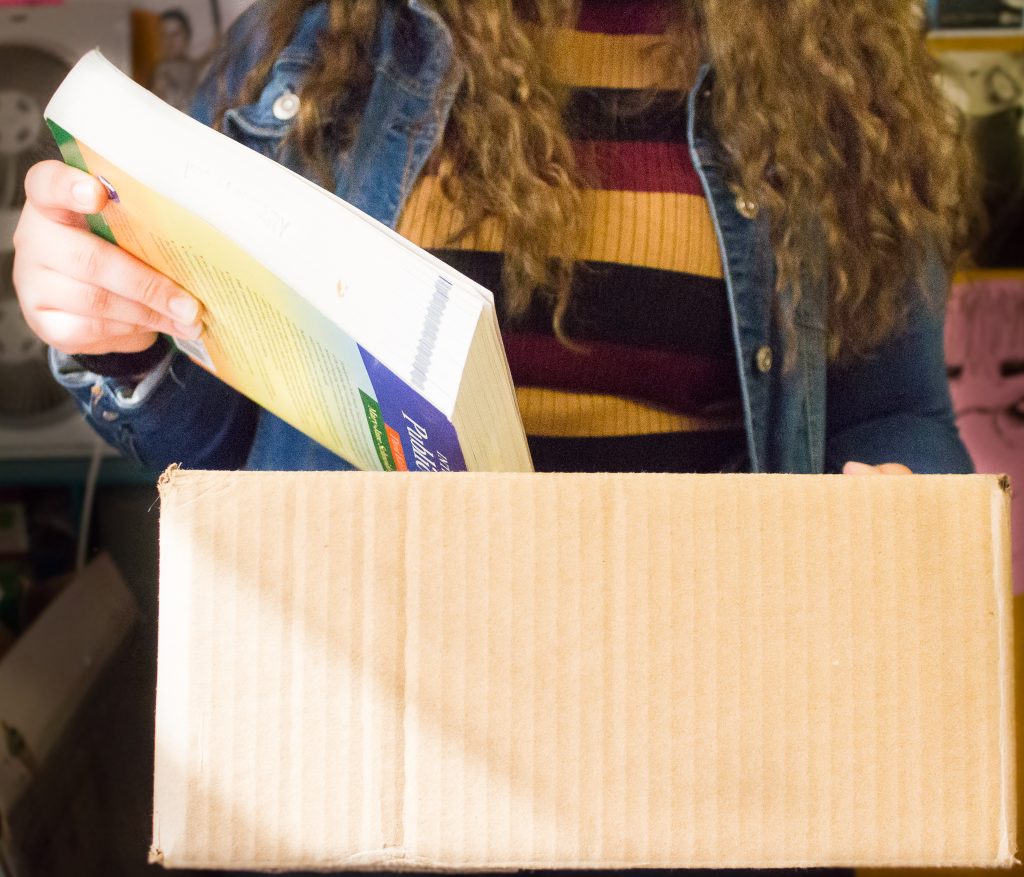
Showcase: Graduation caps

Rebecca Meyers | Lifestyle Editor


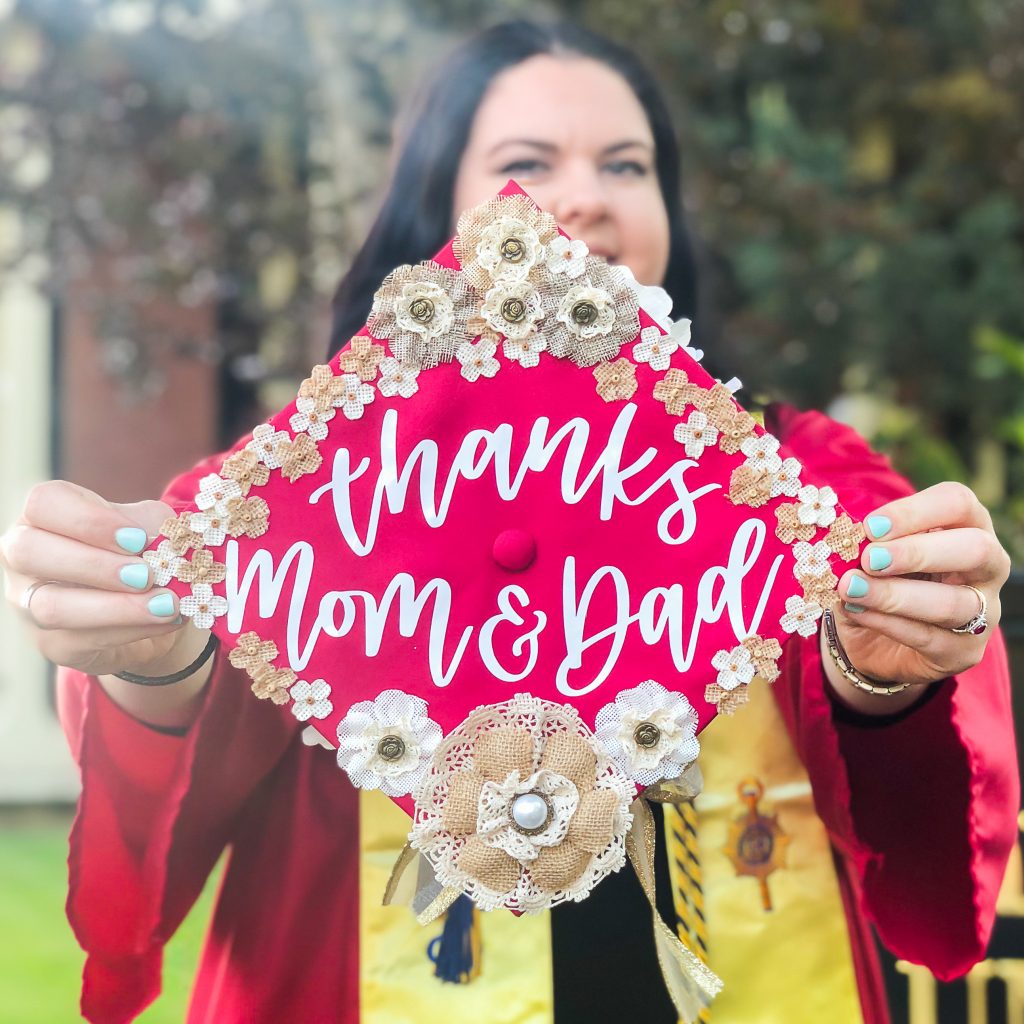
Michelle Soutar, BS in Communications: “The names on my cap represent people that have always supported me and held me up during my last few terms. Like most things in college I hadn’t intended to put flowers but a mistake ended up working out for me with the flower cover up. The Comm saying is mostly because it’s my major. Thanks Pinterest! Let’s go out glittering y’all!”

Photo by Rebecca Meyers

[fruitful_sep]

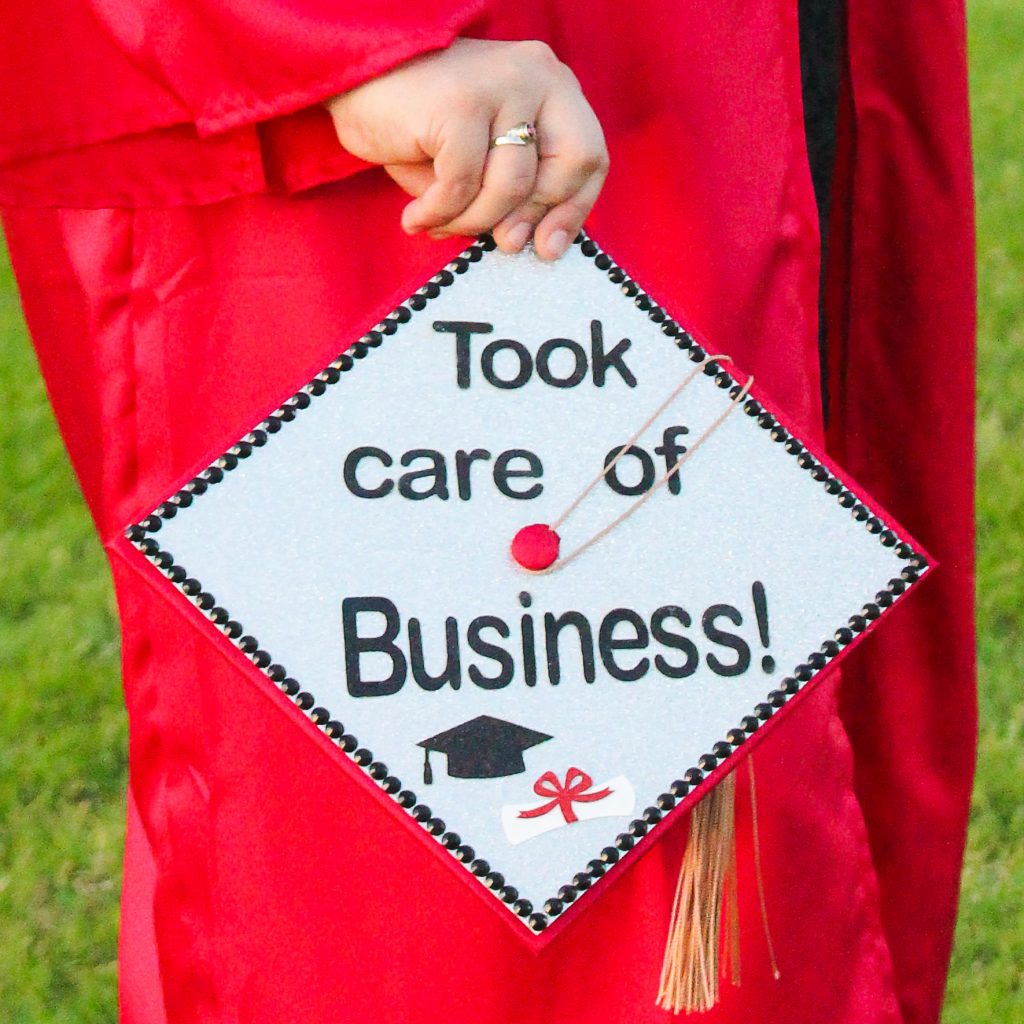
Stephanie Franco, BS in Business: My cap is a reference to me finishing my degree in Business, and made it glitter to help me stand out in the crowd at graduation.

Photo by Rebecca Meyers

[fruitful_sep]

Sara Powszok, BA in Interdisciplinary Studies: “I chose to decorate my cap this way because I seriously couldn’t have survived this chapter of my life without the support of my parents. They are truly my best friends and my number one fans. I am eternally grateful for them.”

Photo courtesy of Sara Powszok

[fruitful_sep]

Preston Moore, BS in Interdisciplinary Studies: “I chose this for my grad cap because of all the crazy adventures I have gone on at my time here at Western. All the steps taken and new friends made are innumerable. Also, I love ‘Harry Potter’ — #GriffindorRules.”

Photo by Caity Healy


Become the greatest gift-giver

Rebecca Meyers | Lifestyle Editor

There are many great things to look forward to after graduation: the celebrations, the feeling of accomplishment, the relief of being done with school and of course, the gifts. They often come from well-meaning friends and family, but they also can often be a hit or miss. If you’re worried you’ll shoot for a hit but get a miss with your grad gift, here’s a list of ideas to start with.


Money: An easy first answer that any grad will appreciate is a little financial relief, regardless of their tastes. Even if it’s a minimal amount, it can still buy a little extra caffeine and the grad will definitely appreciate it.

Vacation: Graduation and finals tend to take everyone’s energy and focus, so arranging and paying for some stress relief will help take the graduation load off. Hopefully, they will return energized and ready to face the post-graduation world.

A collection of memories: Whether in the form of framed photos or customized decor, putting together a compilation of memories from the grad’s years at Western will be sure to be a hit for a nostalgic graduate.

New laptop: Senior’s laptops have been through years of all-nighters, coffee spills, built up files and hours of streaming that wear down the battery life. Send your graduate into the world prepared to do all these things over again, but with a fresh start for their new careers.

Portfolio or business card holder: A few simple gifts at the cheaper end, professional portfolios, business card holders or planners are gifts to show your support for your graduate’s endeavours.


Contact the author at howllifestyle@wou.edu

Photo by Paul F. Davis

Alumni: Life after graduation

Rebecca Meyers | Lifestyle Editor

Javan Mngrezzo, Class of 2017:

Tell us about your background. Where are you from? What did you study at Western?

I was born in California. We moved around a lot, so I wouldn’t say I’m from a specific spot, just overall California. Then we moved to Oregon when I was 16 and I went to Corvallis High School for a bit… (Then) I went to Western. When I first got there, I was actually a mathematics and dance double major, but I ended up being a dance major and a social science minor with a concentration in sociology.


What did it feel like to finally graduate?

It definitely felt good … I was determined to do the four year track in three years, so it was pretty stressful. I took upward of 20 credits each term and then had a lot of other school activities … I was President of the dance program for half the year and then I was also involved with Rainbow Dance Theater … so yeah, it was a lot, but it felt good that I accomplished my goal of finishing in three years.


How has life been since you graduated? Was it what you were expecting?

It’s almost been better … it’s almost more rare nowadays to have people move right into their field of focus after they graduate; I feel like there’s often lots of times people work jobs that don’t necessarily depend on their degree so it’s nice for me to be utilizing my degree every day and really enjoying what I do … I’m currently working at BodyVox, a professional dance company here in Portland.


What’s one of your best memories from Western?

So many. I would say my best memory from Western was being an RA at Heritage Hall and having that responsibility of being that first point of contact for first year students, which is something I had a lot of passion doing. I was an RA my sophomore year and a Plus+ Team member my junior year … I kind of miss having those leadership roles … my residents all went on to great things so I miss that sense of community and leadership there.


How do you feel your time at Western prepared you for the “real world?” What lessons do you feel you took away?

I kind of stayed strictly in the world of dance … and started dancing when I got to Western — that was the first time I’d been dancing, and now for me to be at a company that has more of a level of prestige … it was really nice having Rainbow as that stepping stone or springboard into something bigger.


Do you still keep in touch with your friends from Western?

I still keep in touch … probably the senior class this year are the last people I know really well, just because it’s been that long, I definitely still have a few friends there.


Do you ever miss being a student?

Yes and no. I definitely miss that daily challenge to keep learning, because I do love learning, but out in the real world, it’s harder for you to pick something and start doing research when there’s not a paper due or that kind of structure. But, I do miss that learning aspect.


Any advice for graduating seniors of this year?

Don’t be afraid to fail. You can’t succeed if you don’t take a risk, especially in dance or any field in the arts; money is going out and it’s harder to get settled in your niche in any world once you graduate. So, I would say persevere past the point of what’s easy and don’t become complacent. Return for bigger and better things.


Photo courtesy of Javan Mngrezzo

[fruitful_sep]

Mickey Hiller, Class of 1979:

Tell us about your background. Where are you from? What did you study at Western?

I grew up in Corvallis, so I was a big Beaver fan growing up. I really wanted to go to OSU, so I went for one year and I hated every minute of it. The classes were just so big. So I transferred to Linn Benton Community College for a few years, which was nicer because there were smaller classes and more closer interactions with everyone. At one point I mentioned to a friend that I didn’t think I would play football again — I played football in high school — and he told me to go talk to the coach at Western, which was still the Oregon College of Education at the time. So I ended up going up there to play football, and I loved every minute. My major was physical education and health education.


What did it feel like to finally graduate?

After graduating, it was rather uneventful. I didn’t go to the graduation, I just got my diploma and had a party with some of my friends. But I did feel like ‘What do I do now?’ Luckily, I happened to be living in Corvallis, down the street from the high school, and I was walking down there one day and happened to see a football practice. So I went up and asked ‘Need any help?,’ which is how I ended up there for five years, helping the football team, and eventually got into substitute teaching.


How do you feel Western helped prepare you for the “real world?” What lessons did you take away?

The professors, especially one in particular Dr. Hein, were on my case every day. It was awesome; they just kept pushing me to do better …They taught me how to treat people … and how to interact with kids. I’ll never forget my coach, Coach Kelly … a guy just out of the prison came up to me in the gym and handed me some pills, and he said ‘Take these pills, you’ll get stronger and bigger.’ So I took them into Coach Kelly’s office and said ‘This guy gave me these pills…’ and he told me, ‘Throw them out. They’re steroids.’ I’ve never forgotten it … I would have gone for it, I would have taken them if he hadn’t said that. It’s really stuck with me and I keep bringing it up when I talk about him. He didn’t care about me being bigger or stronger, he was more interested in me as a person.


Do you still keep in touch with some of your friends from Western?

Somewhat, yeah … With Facebook, I know a lot of people don’t like it but I’ve gotten in touch with a few people I haven’t seen in years through it.


What is one of your favorite memories from Western?

Playing football was great, the friends I made and the fun we had … I can’t think of just one … I have nothing bad to say (about Western) — everything good.


Any advice for this year’s graduating class?

Think back on your time here and enjoy every minute of it … Just find a job you love — doesn’t have to be the exact thing you were going for.


Photo by Rebecca Meyers

[fruitful_sep]

Keary Niarkos, Class of 2011:

Where are you from? When did you go to Western, and what was your major?

I am from Vancouver, WA and attended WOU in the fall of 2008 and graduated in the spring of 2011. I graduated with a BA in American Sign Language Studies.  


What did it feel like to finally graduate?

For me it was a mixed feeling. I was thrilled to be done with school and proud of what I had accomplished but didn’t necessarily have much figured out and being on my own after the security of college was intimidating.


What has your life been like since graduating? Is it what you were expecting or were there surprises?

Life has been good. I had a serious relationship that began in high school and we both attended WOU together and about a year after graduating we got married. We are about to celebrate seven happy years of marriage. I wanted to do something with American Sign Language but not sure what. I took a job interpreting (which was not my plan) and that ended up being a wonderful experience and that led me to teaching ASL. I have now been teaching for six years and while it can be a challenge, I genuinely love my job. So some things were surprising and others feel into place quite naturally.


How do you feel Western helped prepare you for the “real world”?

I know that I would not have been able to do the jobs that I have done had I not attended WOU and studied ASL there. So careerwise, I needed the education. I would say that the personal interactions and experiences of talking with people from such different walks of life was invaluable for shaping me into the person I am. I think we are often so sheltered in high school but in college you are forced to reach out and work with others and that was a huge benefit for me.


Do you still keep in contact with your friends from Western, and do you ever miss being a student?

I have some people that I stay in contact with and some that have even been co-workers. I miss the pace of being a student and I miss the fun environment. I don’t miss the workload but honestly as a teacher the workload hasn’t changed much. I would say that while the stress is immense as a student with all the homework/presentations there is a sense of security that is always there and that goes away as you enter adulthood and your career.

Do you have any advice for graduating seniors?

Remain open-minded. You can’t see where things will lead you and you never know what experiences you need to go through to get you, truly, where you need to go. That doesn’t mean be reckless and jump into everything, but be willing to meet people, take jobs, join organizations that might not have been in the plan because you will learn more of what you really want.

Focus on what matters. At the end of the day, you will not care if you finished that one project at work — you will care about the people in your life. Often, we don’t focus on what is most important until we lose it. Sometimes the best thing you can do is have that conversation that seems pointless, but could mean all the difference in the long run.


Photo courtesy of Keary Niarkos

[fruitful_sep]

Contact the author at howllifestyle@wou.edu

Transitioning to Monmouth from a big city

Suzana Carroll | Freelancer

The move from a big city to Monmouth is definitely a culture shock — there is not a Starbucks on every corner, no mall a short drive away, and there definitely is not as large of a variety of food. So, coming from a big city can be very difficult. I had severe homesickness and craved being home with a lot to do around me, but I had to stick with Monmouth and do my own searching for things that made me feel close to home and kept me occupied. Have no fear; Monmouth has pieces of the big city life in its small city surroundings.

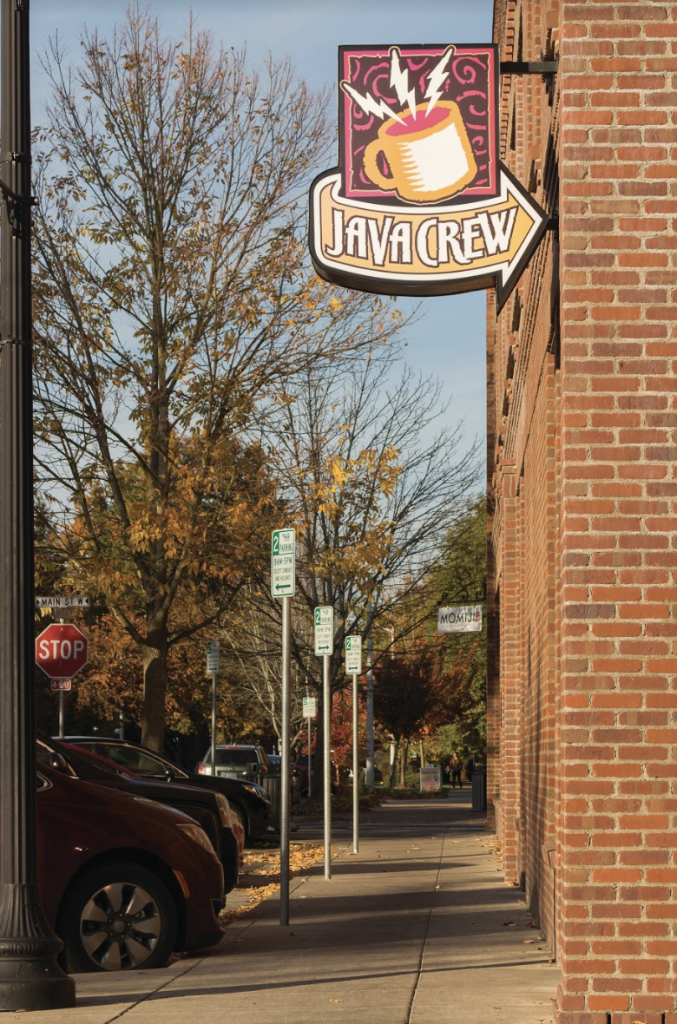
You can score adorable boutique finds at The Find on Main Street, a small business that opened in 2013 and is dedicated to bringing Monmouth cute fashion as well as home decorations, such as hanging signs and candles. When you are shopped out, you can hop over to Java Crew for a good latte, tea, or any way you like caffeine. While Java Crew might not have the big city bustle, it is the perfect place to dive into your new book, or catch up on some old homework you have been procrastinating.

Big cities have a lot of food choices, while Monmouth’s choices are a little limited. However, it is not impossible to find good eats around town. There is a Subway and Papa Murphy’s that taste the same as they do at home, Koyotes, a local, quick, affordable Mexican restaurant, and even a Hawaiian food cart, Lonney’s Lunch Wagon. The different food variation really helps with being able to try different foods like one would in a city setting without having to go far for them.

Night life in a city is one of the perks of being in a big town, but Monmouth has a night life of its own, as well. Of course, there’s the Main Street Pub & Eatery on Thursday nights, and while it is not a big city bar, there are always people you know, a fun time, and a safe environment. For those that are not partiers, but want to enjoy a cocktail, Crush Wine Bar on Main Street is the perfect atmosphere to enjoy a quality cocktail.

With summer coming up, the thought of spending the vacation in a small town can seem underwhelming to big city people, but fortunately we have some events to keep boredom away. Main Street Park and Riverview Park host regular concerts, and Independence also has movie nights in the park during the summer.

While Monmouth is not a big city, and it definitely is hard to adjust from a big city life, there are slivers of a large city within Monmouth’s walls, which does make it a lot easier to adjust.


Contact the author at scarroll15@wou.edu

Photo by Ashlynn Norton

How to make gluten-free vegan protein smoothie popsicles

Morgan Taylor | Freelancer

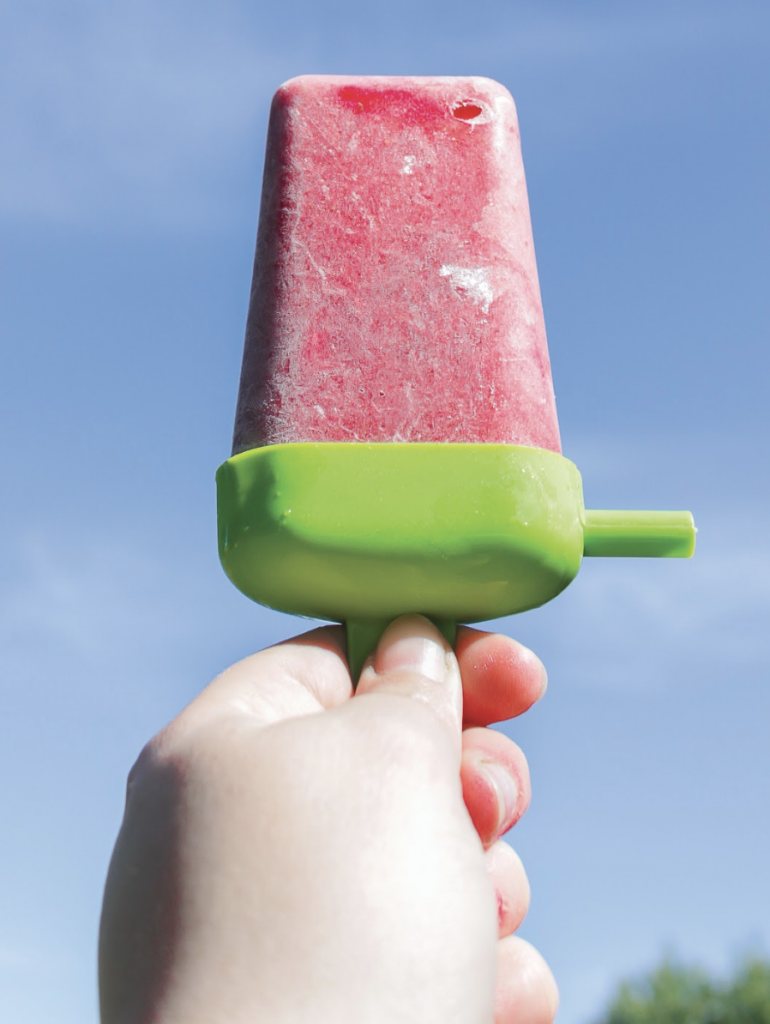
This simple sweet treat is sure to be the perfect snack for after a workout, or just to cool down. All you need is a blender, some popsicle molds, which can be purchased at your local grocery store or Amazon, and freezer to whip up these delicious popsicles. While they are full of protein, they are also gluten-free and vegan. You can’t go wrong with this refreshing treat.


STRAWBERRY PROTEIN PACKED POPSICLES

Prep Time: 15 minutes

Freezer Time: At least 5 hours

Servings: 10 Popsicles

Ingredients:

3 cups of frozen strawberries

1 banana

1 1/2 cups of almond milk

3/4 cup of juice of your choosing (I used strawberry apple)

2 scoops of Vanilla Orgain Protein Powder (or any other vegan/gluten-free brand)

½ pound of fresh strawberries

Instructions:

Add frozen strawberries, banana, and the almond milk to the blender.

Blend until frozen strawberries are chopped up.

Add protein powder and juice.

Blend until smooth.

Slice fresh strawberries and line the inside of the popsicle molds.

Pour in protein smoothie and place in freezer.

Freeze for at least five hours.

Enjoy.


Contact the author at mrtaylor14@wou.edu

Photo by Rebecca Meyers

The value of clothing, the pros of thrifting

Karlene Curtin | Staff Writer

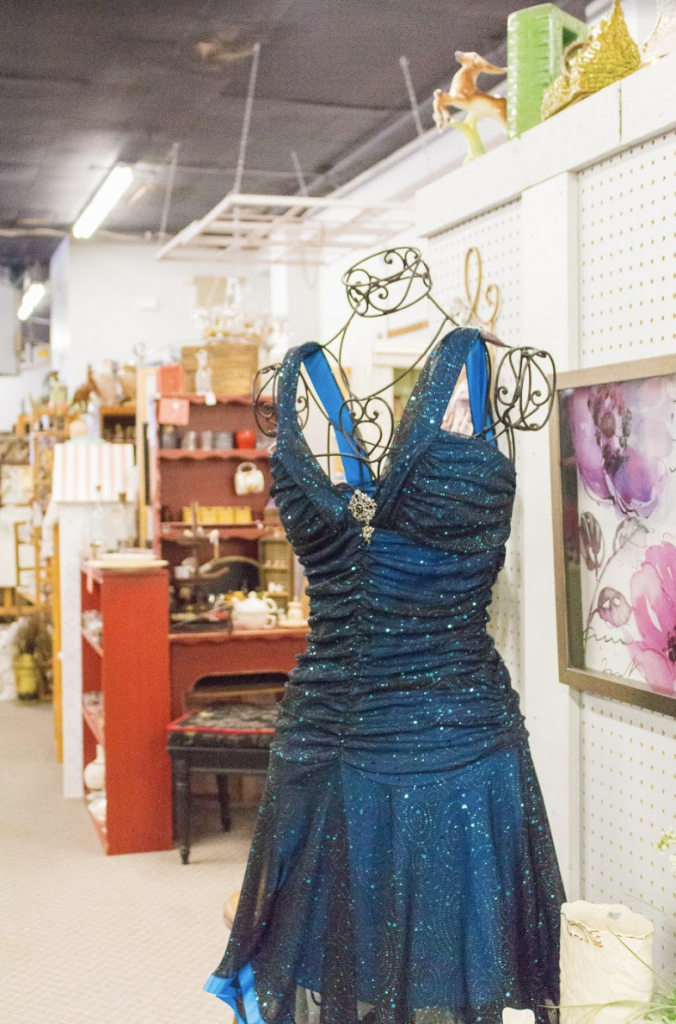
Oregon is home to some of the finest thrift stores in the U.S. and has some of the best clothing finds that are far  cheaper than corporate clothing stores. By thrift shopping, one is encouraging recycling thus creating a cleaner environment.

Planet Aid, a website that encourages different ways of recycling says, “Nearly 100% of clothing is recyclable.” The clothing that is thrown away goes into landfills otherwise known as textile waste.

Harmony, a website that gives information about different waste solution says, “The U.S. EPA estimates that textile waste occupies nearly 5% of all landfill space. While the EPA estimates that the textile recycling industry recycles approximately 3.8 billion pounds of post-consumer textile waste (PCTW) each year, this only accounts for approximately 15% of all PCTW, leaving 85% in our landfills.”

Also according to Harmony, the average American throws away 70 pounds of clothing annually and textiles take approximately 25 to 50 years to biodegrade. These numbers add up per person, and landfills are now overflowing with clothing that could have been donated to thrift stores — perhaps, the problem could have been prevented by buying secondhand in the first place. By secondhand shopping, or maybe giving clothing away to family and friends, it encourages recycling and also saves money in the long run. When one donates to thrift stores, they are preventing clothing from going into landfills; by shopping at one, it is also likely to save a consumer at least 50% of what they’d usually spend on clothing.

There are many Thrift Stores in the area, such as  Fashion Sense & Home Store and Robins Roost Resale Store which are both located in Independence. By thrift shopping, I have not only saved money but have found different approaches to my style — I love finding old band t-shirts and other vintage clothing. My style becomes more one of a kind without breaking the bank. It is worth donating and checking out local thrift stores to not only save money but the environmental as well.

Contact author at kcurtin14@wou.edu

Photo by Ashlynn Norton

Tattoos found on campus

Rebecca Meyers | Lifestyle Editor

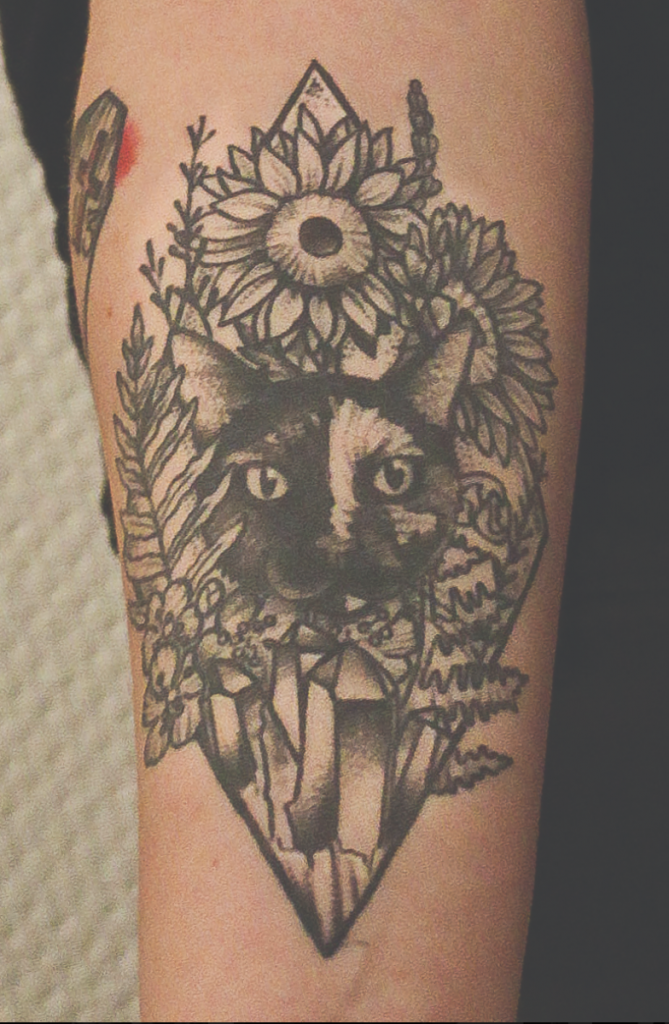
Natalie Dean: I chose this tattoo because my cat, Penny, is nearly 14 years old and I know I won’t have her forever, so having a piece of her means a lot. I got rosemary sprigs for my grandmother, Rosemary, as well as my May birth flowers (Hawthorns). I also got sunflowers because I grow them in the summer — I wanted things that brings me joy.

Photo by Rebecca Meyers

[fruitful_sep]

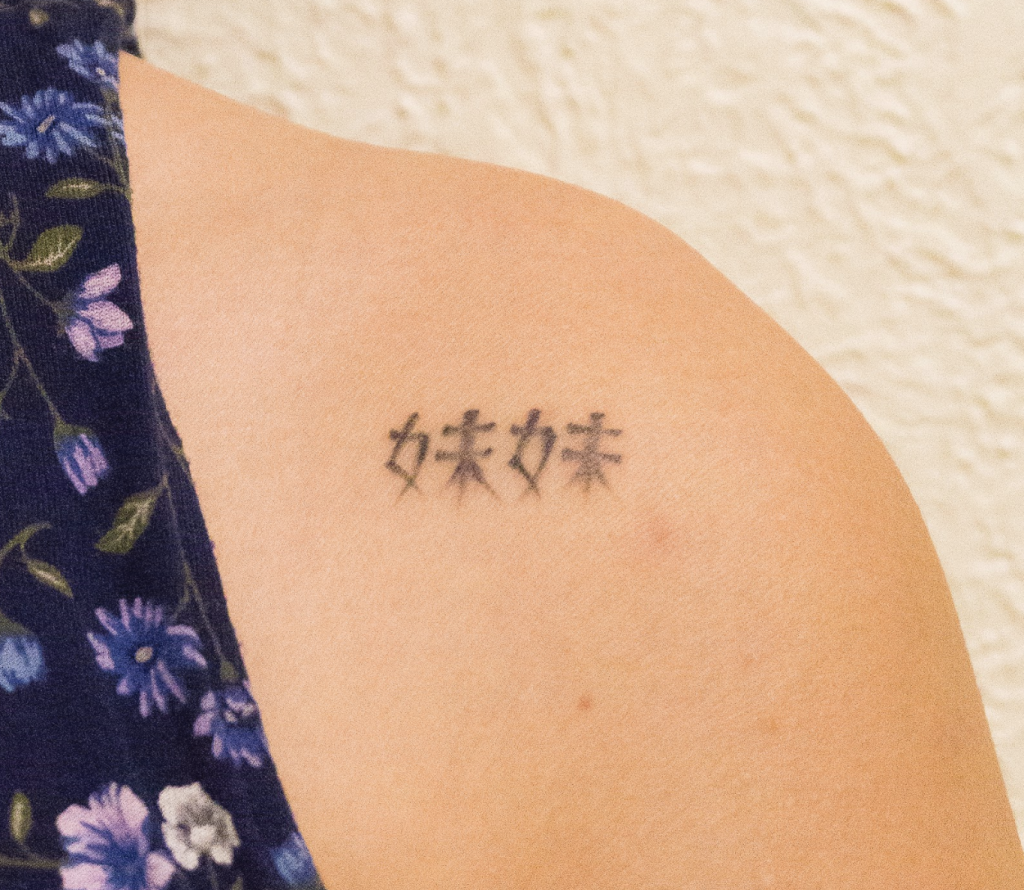
Lucia Breeden: My sister and I wanted sister tattoos, but we eventually thought it’d be great to involve our mom. So after a long time convincing her that’d it’s be fun, she agreed. Mine says “little sister,” my sister’s is “big sister” and my mom’s is “mama.”

Photo by Ashlynn Norton

[fruitful_sep]

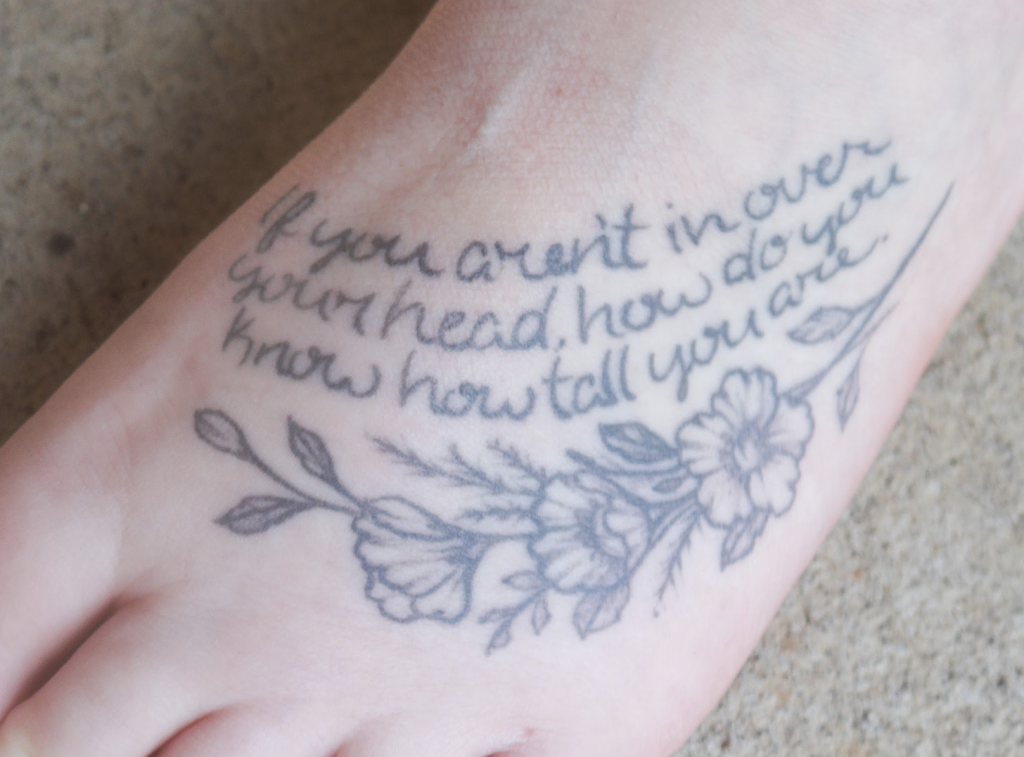
Madison Gaylin: For my sunflower, it was inspired by my grandma singing “You are my sunshine” song to me growing up. For other one, I found the quote in my junior year of high school and it’s just stuck with me and made me have a constant reminder – if I’m not trying my hardest how am I going to know what I can handle?

Photo by Rebecca Meyers

Why pets are great companions

Karlene Curtin | Staff Writer

When I first met Clover, a short hair tabby cat, it was love at first meow. Taking him home for the first time was exciting and also nerve-wracking. Adopting a cat is a lot of work, much more than what people often anticipate. There’s litter box training, grooming, feeding, vet bills and then trying to teach kitty the rules of the home.

After a year with Clover my stress levels have lowered significantly. He has become a major part of my life. He knew when I was having a rough day or if I was not feeling myself and would bring me one of his toys in hopes that it would make me happier. Then, he’d sit next to me and let me pet him.

Bringing Clover home has impacted how I deal with stress significantly. Playing with him, petting him or simply watching his sassy antics brought me joy. Many other college students, like myself, deal with stress and have expressed their furry companion being major stress reliever in their lives.

Jaclyn Spani, an education major and soon to be graduate from Western Oregon, discussed how her cat, Scout, has helped her cope with stress while attending college.

Upon asking why she wanted to get a cat in the first place, her answer was clear.

“I’ve always had a cat in my life,” Spani explained. “I found Scout because one of my dad’s friends was just going to give her up to the Humane Society since he couldn’t take Scout with him. So I took her instead.”

She also added that she wanted to get a cat because, “they’re also just so smart but independent. I knew I wouldn’t have the time that caring for a dog requires, even though they’re great, so a cat was the perfect way to go.” Since having her cat, Spani explained that it has helped her significantly when it comes to coping with stress.

“My cat has been so helpful when dealing with the stress of college. Even just knowing that she’s at home waiting for me can turn days around,” said Spani. “She is so sensitive to what I need and is always around when I’m not feeling well, (or when I’m feeling) stressed or have headaches. She’ll come up and lay on the bed with me and just purr to try and help me feel better. Knowing that there’s something at home waiting for you to play and love is so relaxing.”

Although adopting a pet is a lot of work, it can be worth it when coming home to a perfect companion.

According to the American Institute of Stress, just about any type of pet has been proven to increase their human companion’s health. Caring for an animal can act as a buffer to social isolation and other stressors that negatively impact mental health. Fortunately, this fact allows mental health professionals to certify pets as Emotional Support Animals that can overcome some housing barriers students face. College isn’t easy, but a furry (or scaly, or feathery) friend can make it a little easier.


Contact author at kcurtin14@wou.edu

Photo by Ashlynn Norton

Cocktail Corner with Mikaela: Mango Tango

Mikaela Wong | Staff Writer

When it comes to alcohol, most everyone wants a drink that “tastes good” — but what exactly does that mean? For many, it means having a drink that doesn’t taste overwhelmingly like alcohol, but still enough to know that there’s some there. Similarly, a lot of people prefer fruity, citrus-based drinks that mask the taste of alcohol, but don’t know many drinks that fit that description.

The Mango Tango is a drink specially created at the Main St. Pub & Eatery and is a crowd-pleaser when it comes to strength and taste combination. It’s a great, refreshing drink that is easy to enjoy and has an easy name to remember. This week on Cocktail Corner, we’ll teach you exactly what goes into, and how to make one on your own. Remember — please drink responsibly and only drink alcohol if you are over 21 years old.


MANGO TANGO

Servings: 1 drink

Ingredients:

1 lime wedge, muddled

1 lemon wedge, muddled

1 ounce guava rum

1 ounce mango rum

1 ounce triple sec liqueur

2.5 ounces sweet & sour mix

2.5 ounces cranberry juice

Ice to fill one 16 ounce pint glass

Instructions:

Muddle lime and lemon at bottom of pint glass. Fill glass with ice.

Combine guava rum, mango rum, and triple sec liqueur in glass.

Fill the rest of glass with equal parts sweet & sour and cranberry juice


Contact the author at mwong16@wou.edu

Photo by Rebecca Meyers

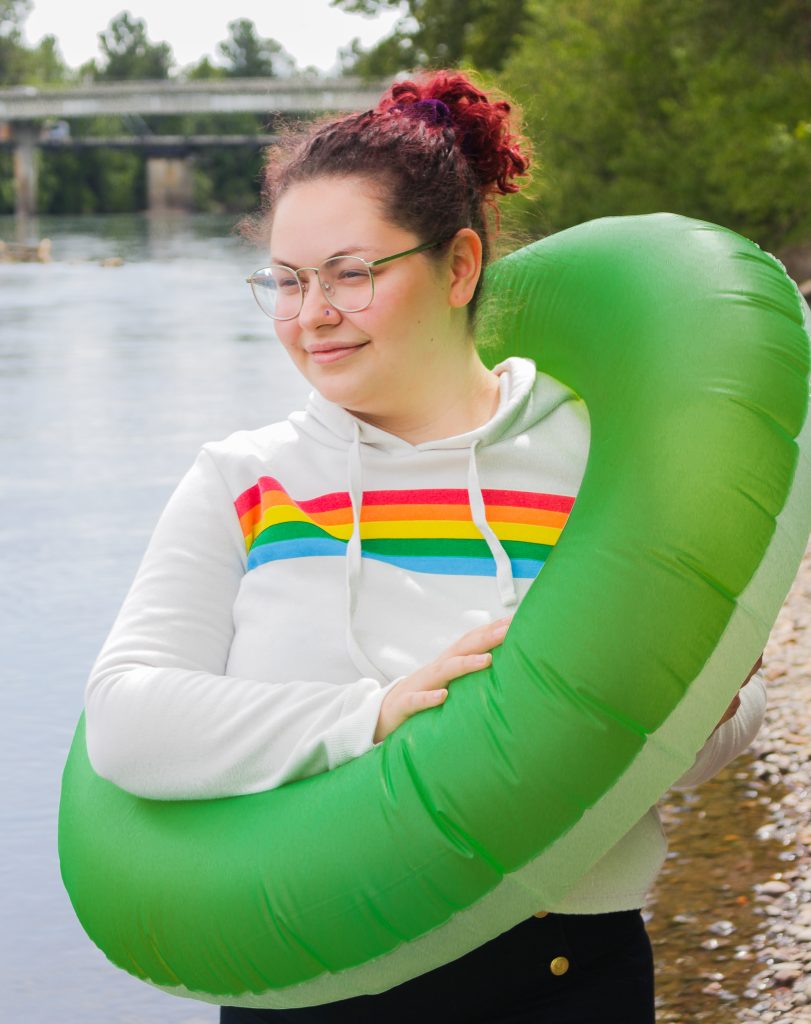
Popular floating spots to cool off this summer

Rebecca Meyers | Lifestyle Editor

It’s a well-known fact to Oregonians that Pacific Northwest residents often complain about the rainy seasons, but as soon as summer starts to get real we look for ways to cool down. One way to do this is to find a nice spot to swim or float down one of the miscellaneous rivers in our state. Here’s just a few places to find such as spot.


The Willamette River in Corvallis

True, the Willamette isn’t known to be the cleanest — particularly near Salem. Fortunately, there are a few places that are upstream of the State Capitol. The distance from Willamette Park to Michael’s Landing in Corvallis is a nice 30-45 minute float, and a short drive from one end to the other to make it easier.


The Mary’s River in Corvallis

For a small, out of the way spot that the locals love to swim in, the Mary’s River runs right behind Avery Park. One entry point features a rope swing into one of the deep ends of the river. The rest of the river is fairly shallow and easy for the less-confident swimmers to navigate.


The McKenzie River in Eugene

For a longer float, and a bit of a longer drive from Western, Eugene is home to, among other things, the McKenzie River. With a starting point of Island Park in Springfield and an endpoint in Alton Baker Park in Eugene, this float route is a few hours long.


The Deschutes River

Perfect for a weekend trip in Central Oregon, the Deschutes River in Sunriver is a popular scenic place to float. Start at Harper’s bridge and get off at Benham Butte for a ride of about three and a half hours, or get off at Sunriver Marina for half the time.


Contact the author at howlifestyle@wou.edu

Photo by Rebecca Meyers

Molly Mayhead: An interview with a professor

Karlene Curtin | Staff Writer

Going to office hours, getting to know professors and connecting with them is an important aspect of one’s college career. Meet Molly Mayhead, a professor of communication studies at Western Oregon University.


What was your original goals as an undergraduate student?  

I wanted to teach high school english and speech classes. From there, I wanted to coach the high school speech and debate teams.


Why did you choose to get a PhD?

I had a conversation with one of my advisors and mentors who was also my speech and communications professor. They told me that becoming a communications professor is something I probably would find more interesting and rewarding.  


Where did you go to college?

I went to Western Oregon University to receive my bachelors and then went on for my PhD at Penn State University.


Favorite class to teach?

Three classes: Argumentation, Freedom of Speech and Rhetoric of the Women’s Movement.


What were you like in college?

It is important to mention I was a first generation college student and came to Western on several scholarships. This made me very studious with my studies and also a nerd. I also lived and breathed competing on the speech and debate team.


Some fun facts:

Favorite color: Purple

Love: The Seattle Mariners

Favorite Animal: Dogs

Dream vacation: Anything on a beach, with clear blue water and drinks that have umbrellas.

Contact the author at kcurtin14@wou.edu

Photo by Caity Healy

Recognizing and dealing with burnout

Rebecca Meyers | Lifestyle Editor

College students are constantly working towards both new and old goals, some of which are personal and some of which are external pressures to be successful. It seems like there’s always post after post on social media about how constant hustle is the most important thing. Just the other day, I saw a tweet about how “rich people don’t sleep eight hours a day.” I also recently happened to come across a BuzzFeed article called “How millennials became the burnout generation.”

While a good chunk of the students at Western, particularly underclassmen, are Gen Z rather than millennials, the problems both generations face stem from similar sources and have been known to cause burnout.

According to psychologytoday.com, burnout is generally a combination of long hours, lack of control over the amount work one needs to get done and lack of work that a person finds meaningful. These are all common things that an average student faces on a regular basis. We often work long hours to pay for rent and tuition, we are assigned hours of work outside of class, we have other time commitments and we are usually required to take at least one class we have little to no interest in. Additionally, technology makes it so that work and school are able to contact us at any time, often putting us on edge even in our leisure time.

With these factors considered, I asked Craig Wimmer of the Student Health and Counseling Center how they are affecting Western students.

“I don’t think I would say burnout is common, but feeling overwhelmed and stressed is definitely a common experience, especially at the end of a term or the academic year,” Wimmer explained. “In a survey we did last spring of 2018, the National College Health Assessment, 93 percent of our students indicated that in the last 12 months they had ‘felt overwhelmed by all they had to do’. 89 percent indicated they ‘felt exhausted’ (not from physical activity).”

Unfortunately, burnout can result in “cynicism, depression and lethargy,” according to psychologytoday.com, which are the last things a college student needs to be able to focus on their goals. To counter burnout, it’s important to recognize when these symptoms start appearing. If they do appear, there’s a few ways of dealing with them. Wimmer noted some things to look out for are “Disengagement, lack of motivation, and isolation.”

If you feel these are problems you’re experiencing, Wimmer made something clear: “It’s not too late. Talk with professors, reach out to support services for academics and personal care,” he said.

Wimmer also had some advice for how to avoid burning out.

“Plan ahead. Look through your syllabi and map out when projects and tests occur and how you can spread out the workload … Find a strategy that works for you, whether that is a calendar, list, phone reminders.” Wimmer added, “Make sure that you are taking breaks, and dedicating some time for you to do things that you enjoy and are social.”

For mental health information and counseling services at Western, visit the Health and Counseling Center on campus or online at wou.edu/health.


Contact the author at howllifestyle@wou.edu

Photo by Ashlynn Norton

Tips for long distance relationships

Rebecca Meyers | Lifestyle Editor

As it turns out, some of that technology that our parents kept complaining made us antisocial can actually be used to be keep in contact with people in many new ways. One big example is long distance relationships, which tend to rely on methods of communication like texting and video chat. These still can’t quite make up for missing the real thing, however, and because of this many are skeptical when it comes to making long-distance work. The good news is that these relationships can work just fine as long as both people are committed to making it work. Stephanie Franco, a senior business major, is just one example of why this is true — she’s been in a long distance relationship for about five years. Her reason why come down to a few simple tips.

“You gotta put in the work, and you gotta communicate,” Franco said. Any relationship requires some work put in, but the distance adds a little extra. Even if you’re in the same time zone, coordinating the best time for face to face communication takes a bit more effort. Also, though it is constantly repeated in relationship advice, it’s still worth remembering that communication is important, even more so when it’s restricted.

“You have to be confident and trusting,” Franco added. One side effect of the skepticism surrounding long-term relationships is that people often feel like there’s pressure to make every communication or interaction count. The reality is that this is not necessarily the case for any other couple, so dropping these high expectations can have a relieving effect on partners who might feel they need to spend their limited time together a certain way. Embracing any quality time will ultimately strengthen the relationship.

Another main thing to keep in mind is to make sure you’re both on the same page about when, how and if you’re going to continue their lives together. Otherwise, someone might end up putting some of their life on hold in order to make things work out, only to find out they want different things. It’s important to still feel like your life is still progressing, or at least that there’s a plan you can depend on to make things work out in the end.

In the end, it’s up to each person to decide whether long-distance relationships are for them. Like any relationship, there’s a potential for it to end poorly, but there’s also great potential to be closer than ever thanks to having stuck it out together. As Franco pointed out, “If you’re both committed to making it happen, it will work out.”


Contact the author at howllifestyle@wou.edu

Photos by Ashlynn Norton

On campus to off campus

Karlene Curtin | Staff Writer

Finally — it’s time to have your own personal space that is finally not a dorm in the residence hall. That means lighting candles, a full kitchen, no strictly enforced quiet hours nor resident assistants. As exciting as it was to move into my first apartment, there were a couple things I wish I was more prepared for. Here are a few things I wish I had known when I moved into to my first apartment.


I missed campus dining

Trust me, this surprised me more than I expected. But with budgeting and going out adds up. Cooking becomes the alternative to save money. It is fun for a little bit, but on those days when the motivation to cook is just not there, taking a small trip to Valsetz Dining Hall seems to be the better alternative.


I didn’t realize how much furniture and kitchenware cost

Sometimes there are other alternatives to finding furniture, like posting an “SOS” to Facebook in hopes to score some free couches or even pots and pans. I suggest saving some money after every paycheck to put towards necessities.  


Budgeting is key

Food, gas, water, garbage, rent and school expenses add up and sometimes can feel impossible to budget out. I saved money by working extra hours and putting a portion of my paycheck into savings. Also by making smart purchases at the store instead of impulse buying can help save.


I have to deal with real adult problems with no third party

Turns out when the neighbors begin to get rowdy at 2 a.m., there’s no R.A. to tell the neighbors to cork it. And let’s be real — confrontation can be awkward. Maybe ask if they can give a heads up before they have another party.


Contact author at kcurtin14@mail.wou.edu

Photo by Ashlynn Norton

Mother’s Day at Western: Showing appreciation for moms who are students

Caity Healy | Editor in Chief

Mother’s Day: A time to celebrate the maternal figures in our lives who have helped us reach the point we are at now. Whoever that person is for you, an important date is coming up. Falling on May 12 this year, this holiday gives us an opportunity to thank mothers for all that they do.                                                                                                                                         

It’s no secret that being a mother is a difficult thing to be. Add student to the job title, and the position just became all-the-more demanding — and all-the-more rewarding. Three mothers shared what it’s like to be both a student and a mom, and discussed some of the obstacles they’ve overcome and experienced to reach the point that they’re at now.

[fruitful_sep]

Demeter Finch

Demeter graduated high school in 2001. Since then, she’s been trying to get her bachelor’s degree, going to school off and on for 18 years. For the past six years, she’s been married. About four years in to her marriage, the two took notice of something.

“We started asking … ‘Why do we have no babies yet?’ And we were told … I couldn’t have kids,” said Demeter.

So, she continued pushing forward with school. However, about one year ago, she received news she didn’t think she ever would: “I found out I was 16 weeks pregnant,” said Demeter.

“The same week I found out I was in the Interpreting Program, and the same week I got accepted to Seabeck, I found out I was pregnant.”

When speaking with Demeter, the amount of love she felt for her daughter, Persephone, was obvious.

“She still doesn’t sleep through the night. She’s a mommy’s-girl,” said Demeter. “She’s very opinionated — she’s just my mini-me.”

Being both a mother and a student, Demeter has faced some obstacles as she attempts to finish out her final year at Western.

“For all of her firsts, I don’t necessarily want to miss those but I know I have to keep coming to school and finish what I started for her,” said Demeter. “So definitely, as a mom, the guilt of leaving her at home … sometimes it’s not always easy. Especially with the added idea that I didn’t think I would ever have her … she’s super special so I need to be there.”

But despite all of the struggles she faces, the thing that helps her pull through is her perseverance.

“I think that people think ‘oh it’s not possible’ — but it is possible. You just have to pick and choose what your priorities are,” said Demeter. “If you have something that you want to do, just hold on to it. You can get it no matter what, just keep pushing.”

Photo courtesy of Liz McClellan

[fruitful_sep]

Arianna Stone

Arianna’s story began by her moving to Australia after graduating high school in 2008 to work, save money, and practice her photography. When she moved back to the US in 2011, she became a full-time photographer. After difficulties keeping her photography business alive with Patrick, her then business-partner, now husband, the two began facing even more obstacles.

In 2013, the home they were renting burned down. From there they’d couch hop, until they moved in with parents to save money. In 2014, they got married, bought their first home, and Arianna became pregnant with their first child, Eleanor. When she was born, Arianna became a stay-at-home mom.

Soon, Arianna and Patrick realized they weren’t making enough to save for important life events. Due to that, paired with several other reasons, they decided to go back to school. Arianna attended Chemeketa Community College where she earned her associate degree and had her second child, Henry, in 2018. Now, she is in her junior year at Western.

With her and her husband both attending school, there are certainly some challenges.

“Scheduling is so much harder when you have little people to take care of,” said Arianna. “I can’t just take whatever classes I want to take, whenever I want to take them.” On top of that, she added that getting care for her two children can be very expensive — so much so, that she had to pick up a full-time job while being a full-time student to pay for it.

Struggles aside, there are several reasons that Arianna feels that her experience is rewarding, as well.

“My daughter got to be at my community college graduation … and that made me so proud,” she said. “My daughter will see me do this, and know that nothing is impossible for her.”

Arianna made it clear just how important her children are to her.

“We all have our reasons for attending college, and my kids are a big part of mine,” she said.

Photo courtesy of Arianna Stone

[fruitful_sep]

Liz McClellan

In 1991, Liz graduated high school and began her college education at Chemeketa Community College, planning to go into teaching. After a couple of years, she left, started working, then came back — this time at Portland Community College, where she got a degree in dental hygiene.

For 21 years, she worked as a dental hygienist. During these years, she had her daughter, Annika, and her son, Liam. But, eventually, she was ready to go back to school to continue her education in teaching, taking one year online at Oregon State University, and the rest at Western Oregon.

As a single mother, an obstacle she faced was trying to figure out how to support herself to go back to school. But luckily, she has a huge support system. So much so, that she keeps a list of all of the people who have been a support to her over the years.

“I have a little notebook, and anytime I get help from someone or even a kind word — and my kids are on that list, too … as well as their dad, and step-mom — they go on the list, and the list is very long,” said Liz. “It’s not a solo journey.”

Having the support of her children was incredibly important to Liz. When she was transitioning back into being a student, her whole family sat down to figure it out. The response she got from Annika and Liam made the transition easier.

“I got their support to do this, so that really helped. But it’s hard to miss things,” said Liz. Her decision was not only supported by her children and family, but also by other moms.

“A lot of moms who had had children were like, ‘You should just go for it, and don’t worry about what anyone says.’ And I just got some really good encouragement from other women. So that’s what I want to do,” said Liz. “Go for it, you can do it.”

Photo by Caity Healy


Contact the author at howleditor@wou.edu

Fanny packs: utility you can make stylish

Cora McClain | Copy Editor

Fanny packs — they’re not just for great Aunt Martha, they can be for you too. Just look around campus and I’m sure you’ll see these trendy packs popping up on the waists of students. As a huge advocator for fanny packs, it appals me to see people hating on what is obviously the most ingenious invention humanity ever stumbled upon.

Keeping your hands free and back or shoulder painless, this waist-slinging pack allows you to do more while still holding all of your important items. And there’s another thing, with a limited amount of space — though some can be quite spacious with many pockets — you only take the necessities with you wherever you go and are not bogged down by unnecessary things.

However, some people feel adversed to these glorious little hip pouches due to their cringe-factor. But guess what; like all trends, the fanny pack trend is coming back around.

Celebrities are highlighting just how viable these little utility packs are. “The Cut” attributes the explosion of fanny pack fashion to Kendall Jenner and her vast collection of fanny packs.

Whether on the street like Rihanna, or on the red carpet like Jimmy Kimmel, a fanny pack can enhance any outfit. Have a nice black dress? Pair it with a sleek black fanny pack. Want something a little more out there? Try out a clear or iridescent snake skin pack. You can even wear them over your shoulder or across your torso to up the trend factor! The options are endless and relatively cheap if you order on Amazon. If you’re wanting to go a little more fancy, can even get designer fanny packs from Louis Vuitton or Prada.

Give these trendy little packs a try, and you might just become a fanny pack fannatic too.


Contact the author at howlcopyeditor@wou.edu

Photos by Paul F. Davis & Ashlynn Norton

Campus voices: LACC edition

Rebecca Meyers | Lifestyle Editor

“I really like intro to fiction ‘cause there’s a lot of really good discussion. Also, even though I’m usually not a science person, I really liked Earth Science.”

-Rowan Hammer, sophomore economics and criminal justice major

[fruitful_sep]

“Theater with Ted Dechatelet.”

-Casey Brown, junior business major

[fruitful_sep]

“Jazz history if you like music.”

-Mateo Batista, sophomore biology and chemistry major


“Choir is a lot of fun … I love choir and it’s a one credit class you can take multiple times. Or Philosophy with Perlman…or Earth Science with Dr. Wade.”

-Conner Price, senior political science major


Photos by Rebecca Meyers

Journey towards success after loss of motivation

Karlene Curtin | Staff Writer

“Failure is not the opposite of success, failure is simply apart of its journey.” This quote was said by business woman Arianna Huffington, creator of Huffington Post. Huffington is one of many who have worked hard for their dreams to become a reality.  
Choosing to continue one’s dreams despite the obstacles and defeats are related to courage and pushing forward. Whether the goals are in relation to a career, academics, athletics or any other reason, the fear of failure or the feeling of failure can affect motivation and stamina towards one’s progress.
There are many solutions to push forward. Here is a list of  ways to regain motivation, even if failure or the loss of motivation have occurred.


Change perspective:

Mistakes or some sort of set back may have occurred. Take a step back and reflect on what happened. I suggest writing down a checklist to account for what went wrong.

Learn from it:

Change your perspective on mistakes. Understand that faults happen and it is a natural part of the learning process. When it comes to trying new things, mistakes are inevitable. It is better to learn from them than to dwell on them.

Grow from it:

A major part of growing is learning from mistakes and realizing what works. Mistakes and failures are a major part of life; learning from these setbacks can make one a better version of themselves.

Look for inspiration:

Find inspiration through others. Seeing how others complete their goals can help create a new strategy. New techniques and a new mindset can help complete goals that could be beneficial for reaching success.

Remind yourself why you started:

Asking the “why?” question is super important when trying to complete a goal. Whether it is career, school or even the beginning of a new project or health plan, reminding oneself “why?”  can remind us why we begin this journey in the first place. It can possibly bring back loss of motivation too.

Try again:

Don’t ever give up on dreams. Push through the unique journey, even if it takes more than a second time to try.


Contact the author at kcurtin14@wou.edu

Photo by Rebecca Meyers

Tools and resources to improve your writing

Rebecca Meyers | Lifestyle Editor

Writing is one of those things that is inevitable in college for just about any major. Even those opting to study completely different subjects have to do it, and some students even have to face the daunting task of writing a thesis. Fortunately, there’s no shortage of tools and resources to help tackle writing assignments, both on-campus and off.


Writing Center

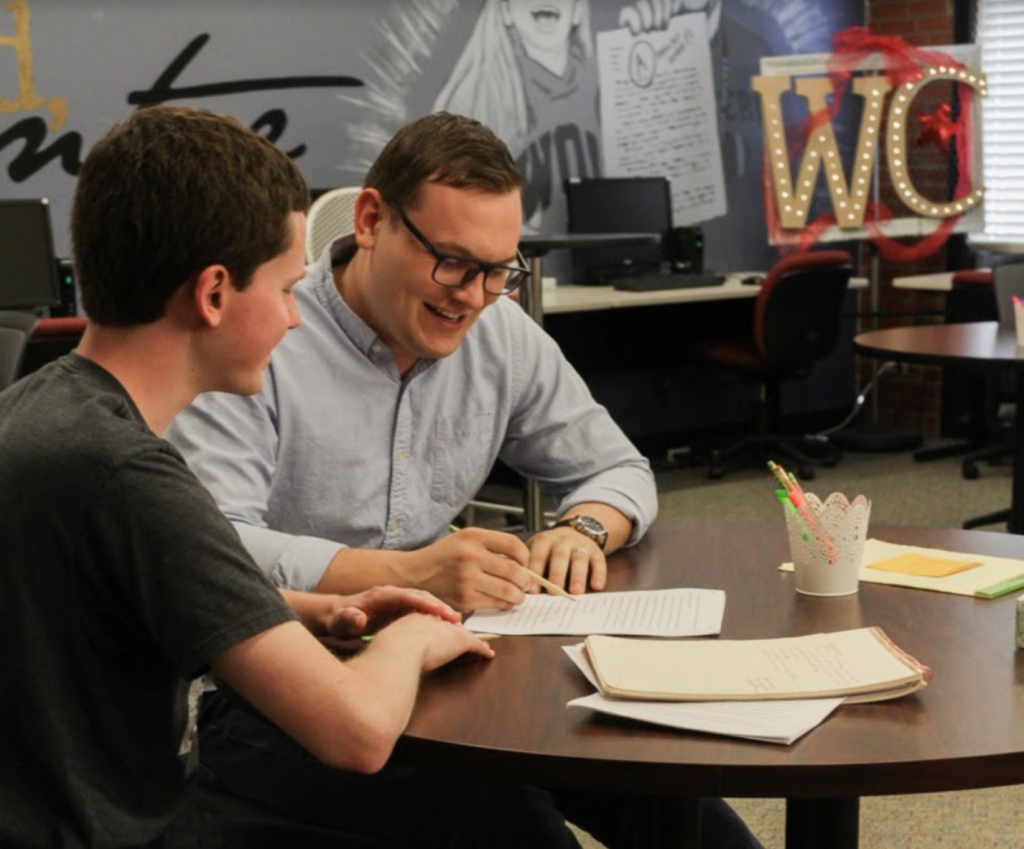
Western’s Writing Center is where students and their work can receive one-on-one attention from tutors that can help with any kind of writing purpose. A full list of their hours, services and contact information can be found at wou.edu/writingctr.

Writer’s Crucible

One of Western’s newest additions, the Writer’s Crucible is a group on campus for regular writers who want to improve their overall writing in an environment of other writers. For more information, contact Natalie Dean at ndean17@wou.edu.

Grammarly

This online tool is a free and simple way to do basic grammar checks while writing any important paper. It’s not necessarily a substitute for proofreading, but it does help eliminate a lot of basic mistakes.

Google Scholar

Tired of having to sort through results on Google to find credible sources? Google Scholar narrows your search to academic and peer reviewed sources only.

Mendeley

This free online tool helps store research and organize papers. It allows users to upload almost any document to use later for reference or storage and even has a bibliography tool.

Writer’s Diet

This quick and easy online tool will analyze a segment of writing and analyze the ways in which it may be too wordy. Students should note, however, that most academic papers tend to score poorly in the abstract nouns section due to the nature of research papers, but it’s a good way to check unnecessary words in the other categories, such as use of adverbs.

Easybib

This online tool is a go-to for many students in creating or learning how to create the different types of citations. Results usually have to be double-checked and occasionally edited, but it creates a good initial framework either way for creating citations.


Contact the author at howllifestyle@wou.edu

Photo by Rebecca Meyers

How to make gluten-free teriyaki chicken with ramen noodles

Morgan Taylor | Freelancer

A simple recipe that can easily be altered to your liking, this dish is full of hidden vegetables and can basically be made with any that are on hand. Also, if gluten-free isn’t your thing, this recipe works with any type of instant ramen noodles as a cheap and fast alternative.


TERIYAKI CHICKEN AND VEGETABLES WITH RAMEN NOODLES

Start to finish: 40 minutes

Servings: About 4 portions


Ingredients:

2 medium-to-large chicken breasts

1 tablespoon avocado oil or olive oil

Poultry seasoning — a few pinches

1 medium onion — sliced

1 yellow pepper — sliced

1 orange pepper — sliced

1 ½ cups of snap peas

2 cups of cabbage (pre-shredded works)

2 minced garlic cloves

3 packs of gluten-free ramen noodles

3 cups of water

3-4 tablespoons of gluten-free teriyaki sauce


Instructions:

Chop up chicken into either strips or chunks, using a separate cutting board for the raw chicken, and slice onions.

Heat up oil in wok or large pan on medium-high heat and then add chicken, onions and garlic. Season chicken with poultry seasoning. Cook until chicken turns white on the outsides.

Add half of the teriyaki sauce. Simmer until caramelized.

Reduce to medium heat. Add peppers and snap peas. Cook for about one minute.

While the peppers cook, begin to boil water in separate pot. Add noodles in and cook for approximately 2 minutes. Separate noodles with fork as it cooks.

Drain noodles and add to stir fry. Add cabbage and the remaining teriyaki sauce. Cook for one minute.

Serve and enjoy.


Contact the author at  mrtaylor14@wou.edu
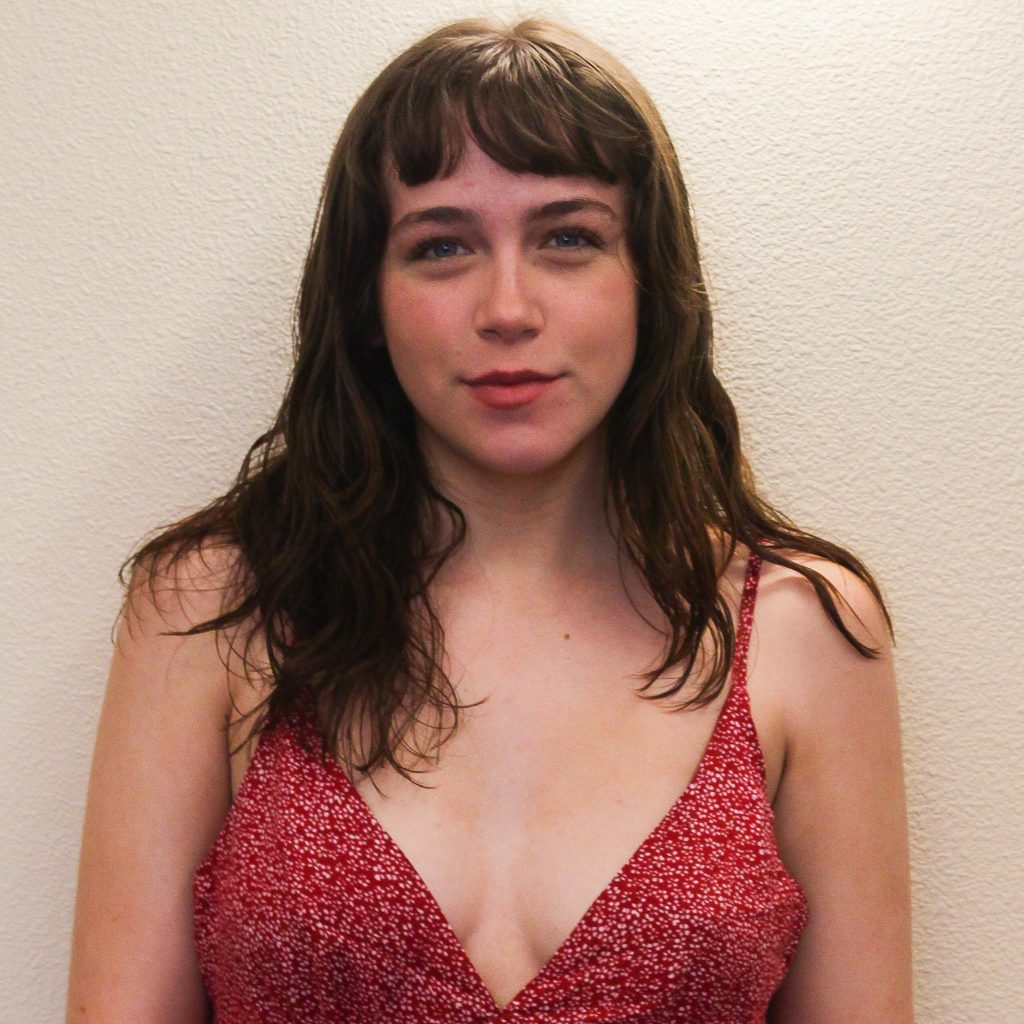
Photo by Morgan Taylor