

Mount Hood

Flu season

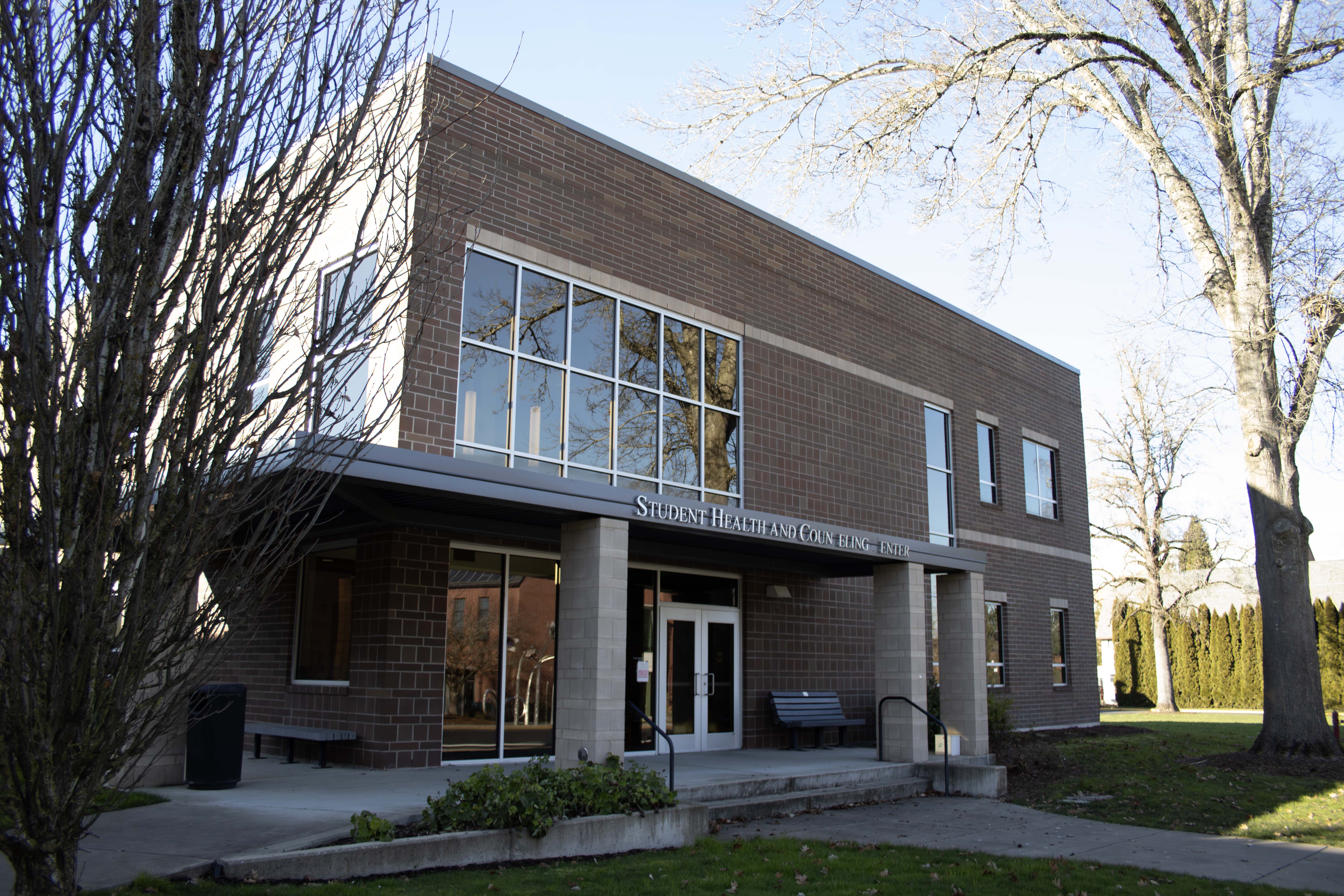
A photo of the Health and Counseling Center on campus. | Photo taken by Moth Martinez-Faccio

 Jan. 28 2026 | Abbi Duhart | News Editor

In Oregon, the flu has become increasingly active during the 2025-26 season, starting from a 0.4% positive increase and zero hospitalizations during the week of Sep. 28 to a 16.2% positive increase and 49 hospitalizations during the week of Jan. 11. Additionally, the 2025-26 Oregon flu season had the lowest amount of flu immunizations in the past four years. The amount of immunizations this year peaked at the end of September, drastically decreasing since then. 

Influenza — or the flu — is an infection of the respiratory system primarily through the nose, throat and lungs. Symptoms for the flu can be similar to a common cold, such as the sore throat and runny or stuffy nose, but the flu amplifies these symptoms, and is often accompanied by additional symptoms like fever, cough, headache, muscle aches, exhaustion, sweating and chills. A cold tends to have a slow start, while the flu can come on very quickly, typically two to three days after contact with the virus. 

Flu season in North America usually runs from October to May. The virus is spread through coughs, sneezes, spit and touch. To help prevent getting the flu, it is recommended to stay away from others who have it as well as to sanitize hands and surfaces frequently. 

This flu season, about 15 million Americans have come down with the flu so far, and, as of Jan. 13, 180,000 have been admitted to the hospital with the flu, with 7,400 reported deaths. 

This flu season, a variant of the flu called subclade K has been prevalent, thus being the cause of the rise in cases. The seasonal flu vaccine in the US this year provided protection against three flu viruses that researchers had expected to be the most common, but did not account for the sudden mutation of subclade K, making the vaccine less effective. The subclade K variant has not been present in the past few years, which also resulted in a natural decrease in immunity. 

The subclade K variant has been responsible for 90% of flu cases this year. There is no evidence to suggest that the variant is more severe, just much more active due to its mutations. 

Due to the sudden rise of the mutation, the flu vaccine this year is less effective. Typically, the vaccine is anywhere between 60-65% effective in the prevention of the flu, but this year the vaccine is only 30-40% effective. That being said, experts still recommend getting the vaccine to anyone who doesn’t have a medical reason not to because, not only does it reduce the risk of getting the flu, it also lessens the severity if anyone does get the flu. The flu vaccine takes about two weeks to be fully effective, so those who plan to get it should do so sooner rather than later.

Minor side effects that may arise from getting the flu shot include soreness, a low fever, aches and redness, along with swelling where the shot was given.

Walgreens offers a free flu shot for those who are interested. They take walk-ins, with the option to also schedule ahead. Walgreens recommends the flu shot for anyone three years old and up. Those who get it should also consider getting the vaccine once a year due to immunity fading over time as well as new variations arising yearly. 

Any Western student who pays the health fee can also go to the Health and Counseling Center on campus to get their flu shot. Clinic hours are Monday through Friday, 9-12 p.m. and 1-5 p.m. They also offer free cold and flu kits to students that include medicine, thermometers and throat lozenges, among other things, to help stay healthy during flu season.


Contact the author at howlnews@wou.edu
Vaccine requirements are increased over the U.S.

The Biden-Harris Administration introduces new nationwide vaccination requirements

Mikayla Coleman | News Editor

Since the beginning of his presidency, President Joe Biden has been a huge advocate for the importance of vaccinations among Americans to stop the spread of COVID-19. In September,  President Biden asked the Occupational Safety and Health Administration (OSHA) to develop a set of rules that would require companies with over a hundred employees to get all of their employees vaccinated for COVID. 

Since COVID vaccination opened up freely for all Americans 12 and older on April 19, 2021, the Biden-Harris Administration has taken steps to make COVID vaccines available at 80,000 locations across the United States. They have since moved to vaccine requirements — first in federal employees, then to employees of contractors that work for the federal government, and now extending to all businesses that have more than a hundred employees. 

The official White House report on vaccination requirements released on Oct. 7 stated this requirement will impact over 80 million workers in private sector businesses. If employees decide to remain unvaccinated they will be required to produce a negative test result on a weekly basis before reporting to work. 

The word “requirement” can cause a knee-jerk reaction for many. It is clear that, in general, the American people do not like to be told what to do, especially by the government. But vaccination requirements have been proven to actually work. The Oct. 7 White House report stated, “Vaccination requirements have increased vaccination rates by 20+ percentage points to over 90% in many organizations.” 

OSHA has been faced with the task of writing out the mandate and are working around the clock to make the parameters of the requirements very clear and strong enough to pass legal muster. This is the reasoning behind the slow start to implementation — but it is smartest to iron out all standards as they will most definitely be challenged by those who refuse to comply.

The White House report stated, “Without vaccination requirements, we face endless months of chaos in our hospitals, further detrimental impacts on our economy, and anxiety in our schools. With them, we will accelerate our path out of the pandemic.” 

Contact the author at newseditor@thewesternhowl.com

WOU announces plans to require COVID-19 vaccine

Western leadership creates incentive program for vaccines

Sydney Carpenter | News Editor

As of May 11, a total of three private and four public universities in Oregon have announced requirements for students to be vaccinated for COVID-19 for the next school year.

Western became the third public university to announce its plans to require students, staff and faculty to be vaccinated for the upcoming school year during a virtual town hall meeting on May 10.

“I wanted something that rewarded students for doing the right thing,” said Johnson, “and I also wanted to push us to have a more safe opening in the fall.”

The incentive program was initialized by Associated Students of Western Oregon University President NJ Johnson to further encourage the community to be vaccinated against the virus. Under the program, people who have received their first dose of the vaccine qualify to receive a $25 WolfStore voucher that can be used for textbooks, Western merchandise or other miscellaneous items found at the bookstore. To receive the voucher, a vaccine card and student ID must be presented to the Werner University Center information desk.

According to Johnson, the program is currently being funded by the General Fund and anticipates it costing around $100,000. The intent is to eventually have the program funded by the emergency relief fund, however, due to the ambiguity of what emergency relief is permitted to be used for, the university is still working with the federal government to determine if the program is legally permitted to be funded this way.

Western intends to provide students with the opportunity to take in person classes next term. During the virtual town hall meeting, the modalities were presented as follows: in person classes will make up 53% of Western’s curriculum, 22% hybrid, 19% online asynchronous and 6%  online synchronous; departments were not specified.  For students planning to live on campus next year, Tina Fuchs announced reduced capacity in the residence halls. Ackerman will be filled to 85% capacity while Arbor Park will be filled to 100%. Barnum and Landers will be assessed on a need basis. 

The COVID vaccine is not the only required vaccination by the institution; according to the Student Health and Counseling website, all admitted students are required to have the measles, mumps and rubella vaccine before coming to campus. Exceptions include being born before Jan. 1, 1957, religious beliefs and specific nonmedical related issues that are provided by the state of Oregon. Western is still currently researching exemptions for COVID.

“Many of the details remain unfinished,” said Western Vice President and General Counsel Ryan Hagemann, “and that’s because we have to speak to our community.” 

Hagemann went on to say how the university is making this a priority and is trying to get it right.

“This really relates to the idea that we should be able to have a safe community,” said President Rex Fuller during the May 10 virtual town hall meeting. “We know that being together in face to face encounters with careful safety planning, we have a better educational experience for all of our students, faculty and staff.”

Contact the author at scarpenter18@mail.wou.edu

West Valley Hospital moves second vaccine distribution site to WOU

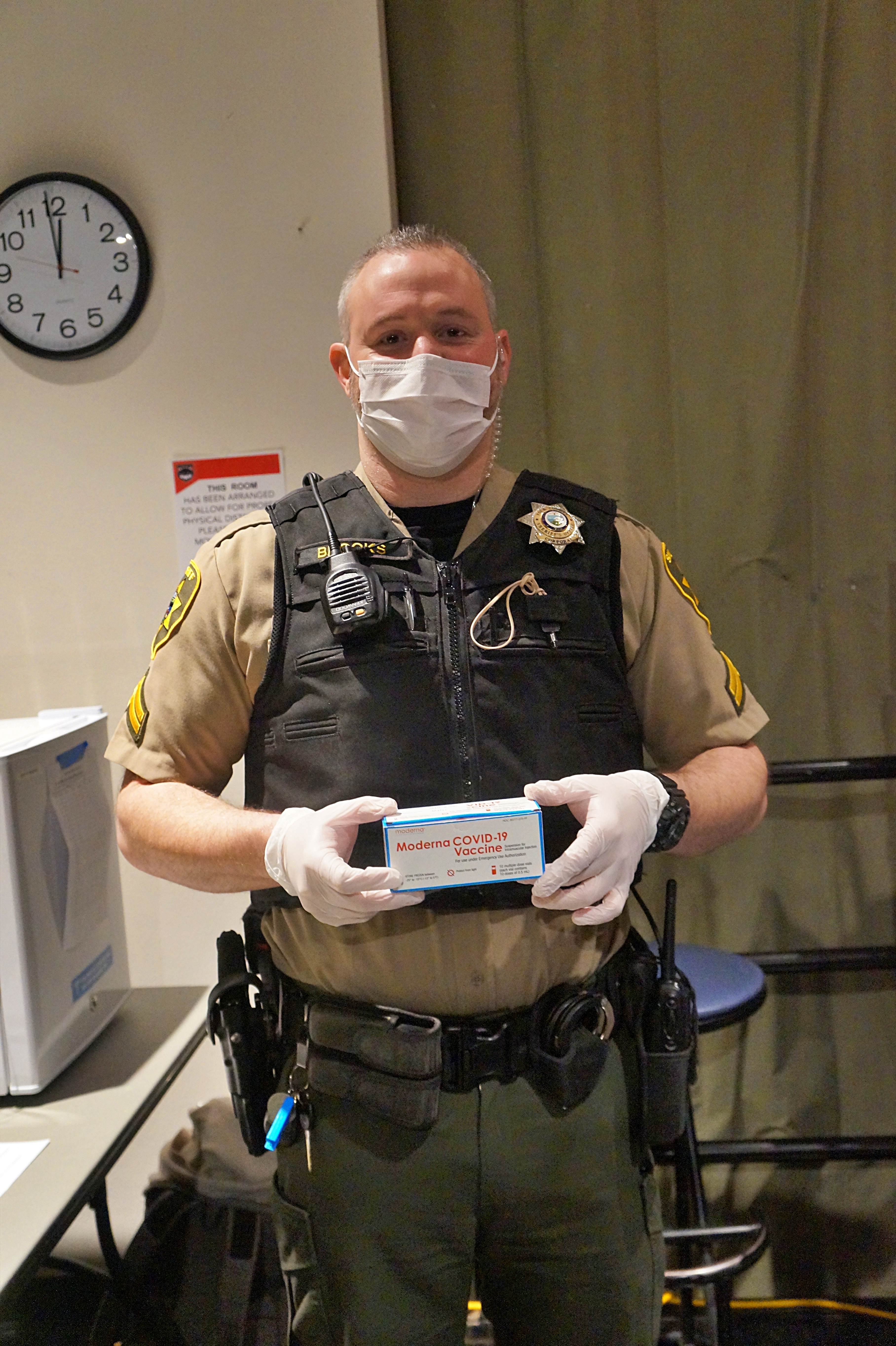
Western’s Pacific Room is being used to allocate COVD-19 vaccine during Phase 1A 

Sydney Carpenter | News Editor

Last week, West Valley Hospital relocated their second distribution site for the COVID-19 vaccine from the Polk County fairgrounds to Western’s campus.

 “We were able to put up our first week there,” said Pathway Program and Community Outreach Administrator Jenny Von Derahe. “We moved here because it’s a central location and the technology is adequate for our needs.”

According to Von Derahe, the clinic was furnished in a day with the help of hospital facility workers, the environmental services team and kitchen staff.

“It feels safer and more comfortable than the fairgrounds,” said Polk County resident Wendy Brockhouse. “It just seemed weird in the big old barns … this just seems more a part of the community and safer.”

At this time Western is not charging West Valley to rent out the Pacific Room. According to Von Derahe, Western is not funding employment for the workers or volunteers of the clinic, however there are discussions of potentially allowing Western students interested in the medical field to volunteer at the clinic. Additionally, the clinic is not administering vaccines to administrators, faculty, staff or students unless they qualify within Phase 1A.

“One positive that’s come out is the collaborations that have taken place,” said Western Alumnus and District 1 Polk County Fire Chief Ben Stange.

Stange explained that Western has worked extensively with the community to facilitate a functional clinic on its campus.

“The Pacific Room would normally be used for this or that … but we (Western) can’t have events so it’s available. So what can we do to help the larger cause,”said Stange.

According to the Oregon Health Authority, Polk County has partially vaccinated 8.5% of its population and fully vaccinated less than 1% of the population. 

“It’s been such a huge deal to our people,” said Stange. “We were transporting positive patients every couple days, and it’s been difficult to see. The opportunity to actually hands on start to fix a problem that we’ve really felt we’ve had zero control over has been nice.”

Stange explained that, just like other health care professionals, their focus is to take care of people during emergency situations.

“There hasn’t been anything really till this moment that we’ve felt like we can do to make a large impact,” said Stange.

At this time, West Valley is charging a $60 administration fee for the vaccine that will be billed to the patient’s insurance. If uninsured, the hospital waives the fee. Due to the unpredictability of vaccine dose delivery, clinics are not open daily. To learn about hours and vaccination qualifications, visit their website at salemhealth.org.

Contact the author at scarpenter18@mail.wou.edu