Mount Hood

To dip or not to dip

A photo of a pile of french fries with dipping sauces next to it. |

Feb. 18, 2026 | Belen Ponce Leal | Lifestyle Editor

French fries are one of the most beloved sides to many fast food dishes. Most burgers come with a full side of them, chicken baskets come stacked with them and even fish have “chips” to adorn the main dish. Fries come in all sorts of shapes and sizes: some curly, some salty, some spicy or just plain. 

Growing up, both of my parents worked at a potato factory and would often bring bags of fries home whenever they would have extras. I watched my mom dip them in a pot of boiling oil, and I was so hungry that I would usually burn my fingers while trying to grab them. As an adult with an air fryer and somewhat more patience, I recently made them while my husband was making some chicken tenders to go with them and started wondering where they came from. 

There seems to be a bit of a custody battle between two countries that claim to be the creator of fries. The name “French fries” implies that they originated in France. According to cookbooks from the country, they mention that potatoes have been fried as early as the 1700s, but probably didn’t look anything like the fries we imagine today. Some say that the side dish was originally a snack sold by street vendors as a sort of street food. If anyone has seen those videos of street food on TikTok, it is believed to be made similarly. 

However, fries were recently believed to be tied to Belgium as their “birthplace.” According to some historians, fries were invented in the winter of 1680 when the citizens of Namur, who had a knack for loving fish, needed to find something else to eat during the time when the lake froze over. Since they no longer had fish to cut up, they decided to use potatoes instead. They cut them into long skinny pieces, fried them up and created French fries as a sort of struggle food. While others argue about the legitimacy of this “fry lore,” Belgium has been firm in its belief that it is the parents of this famous side dish that we Americans can’t get enough of. 

Yet, there could be another reason why these two countries specifically claim to have created fries. A Belgian researcher named Pierre Lecercq did extensive research trying to figure out where fries came from. He discovered that a cook named Herr Krieger, who was trained in Paris, was traveling town to town in Belgium in the early 1800s. He sold fried potatoes that were sliced, which he described as Paris-style fried potatoes. Supposedly, he cut them into slices because it made it easier to cook them. 

French fries have been stuck in a custody battle for a few years now, and in the end, where they came from doesn’t really matter. After all, I couldn’t care less whether they come from Belgium or France. I personally enjoy the thought of them being made by a trained French cook, but sold around towns in Belgium. Yet, as long as the fries are crunchy with some ketchup or fry sauce, I will enthusiastically eat them no matter where they’re from. Except In-N-Out. 


Contact the author at howllifestyle@wou.edu 

Animal cruelty initiative

A photo of a redband trout. | Photo from @theoregondesert on Instagram

March 4, 2026 | Abbi Duhart | News Editor

IP28, also known as the People for the Elimination of Animal Cruelty Exemptions (PEACE) Act, is a proposed ballot initiative in Oregon for the November 2026 general election.

In general, the bill seeks to prohibit animal cruelty in the form of abuse, harm and neglect, and to extend legal protections of multiple groups of animals in Oregon, such as pets, farm animals, research lab animals and animals in the wild. These animals would be protected from slaughter, hunting, fishing and experimentation.

The definition of animal abuse is the intentional, knowing and reckless injury of an animal, and IP28 seeks to expand which animals are protected against this.

In addition to the injury and killing of animals, animal sexual assault would be prohibited. More specifically, this prohibition targets the breeding of animals to impregnate them, including farm and ranch animals as well as dog breeders.

Neglect in the form of withholding care from an animal or the unnecessary tethering of an animal would be made illegal under the bill. Under this, animals in transport trucks would also need to have the required resources to avoid neglect, like adequate food, water and shelter.

Those with a criminal charge of animal cruelty would be prohibited from owning more animals.

There would be certain exceptions to the law, such as required veterinary care and acts of self-defense against animals.

Those against the ballot argue that the killing of animals is necessary for things like food production, population management and research. In response, the IP28 team says, “We believe it is possible to meet all of our needs as human beings while simultaneously meeting the needs of the animals we inhabit this state with. Using the killing of animals as a strategy to meet our needs is a choice, and our campaign wants to propose making a different one. Whether that looks like greater investment in plant agriculture, utilizing non-lethal wildlife management practices, or implementing non-animal methods for research, many alternative strategies already exist to choose from.”

In regard to the concerns brought up of not having enough food in the case of the bill passing, they argue that Oregon is a top producer of many crops, fruits, nuts and vegetables, and that Oregon already produces enough of these crops to feed everyone.

To help those who rely on animals, IP28 also says that they will provide a Humane Transition Fund that would provide grants to assist in providing food, replacing lost income, job retention and conservation and rewilding efforts. 

Those who are against the proposal have many concerns, often the biggest one being a forced vegan agenda on Oregonians — they would either have to adapt their lifestyle or import food from another state, raising the cost of food. Small business owners who make a living off of animals would be negatively affected, such as small farms, local Saturday markets and restaurant owners. Oregonians outside of this would also be affected on a day-to-day basis. For example, pest control would be illegal, meaning homeowners couldn’t harm things like mice in their house. Additionally, they argue that scientific research and teaching involving animals is necessary to continue for those who want to go into veterinary careers or study topics like oceanography.

Regardless of the opposing sides, the ballot proposal would need upwards of 115,000 more signatures from Oregon registered voters to get on the November ballot.


Contact the author at howlnews@wou.edu

Reduce, reuse, recycle

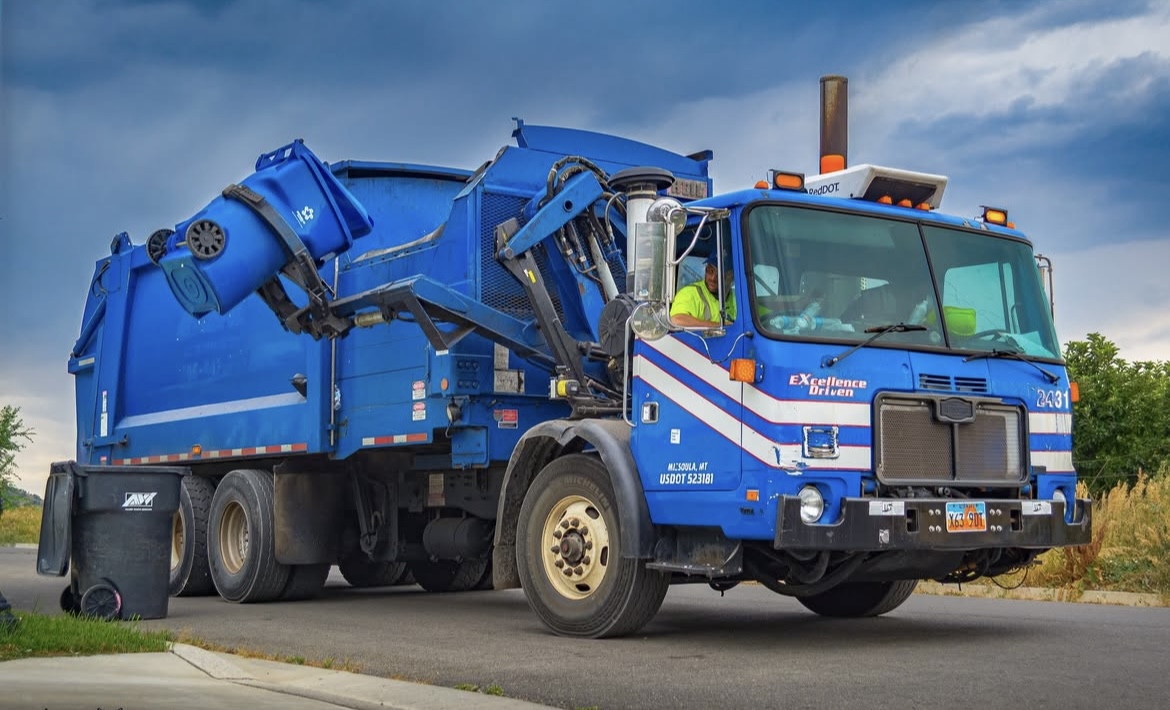
A photo of a recycling truck. | Photo from @thrash_n_trash22 on Instagram

Feb. 25, 2026 | Abbi Duhart | News Editor

On July 1, 2025, the Plastic Pollution and Recycling Modernization Act was passed in Oregon, seeking to set statewide recycling laws and spread recycling standards and services throughout the state. 

The new law stated that companies in Oregon that make over $5 million in annual revenue and sell packaged products such as residential and commercial packaging, printing and writing paper and food serviceware must pay a fee that goes toward improving recycling standards. Companies to oblige include General Mills, Ikea, Keurig and Dr Pepper — businesses that often produce a lot of waste when packaging and selling their products.

The fee that companies received was centered around how much paper and packaging they produced, based both on weight and type. The revenues from the fees are then used to help pay for recycling services, such as purchasing new recycling trucks or recycling bins and educating Oregon residents on how to recycle.

The fees are collected by an Oregon nonprofit organization called the Circular Action Alliance — a U.S. Producer Responsibility Organization who are “dedicated to implementing effective Extended Producer Responsibility laws for paper and packaging.”

In 2025, when the act was introduced, the fees that Oregon businesses were charged with from it made up less than 5% of all producer fees in Oregon, though many businesses argued it was still more than they could afford because they had a rigid financial plan that was being thrown off.

Just a few weeks after the act was put in place, the National Association of Wholesaler Distributors sued the Oregon Department of Environmental Quality, arguing that many businesses have very little control over the rates they pay for packaging. 

In response to the lawsuit, Oregon lawmakers considered a bill that would exempt companies that sell essential foods such as packaged berries, meats, poultry, fish and seafood. A number of businesses are in support of this proposed bill, though many still argue that the recycling fees should be put on pause for all producers, regardless of the product.

Lawmakers paused the recycling act in November, and it is still paused until the lawsuit is resolved and a consensus reached.

The National Association of Wholesaler Distributors says that the recycling system put in place is unconstitutional and that the Department of Environmental Quality delegated “essential regulatory authority” as well as “sweeping regulatory power” to a third-party organization — the Circular Action Alliance.

It’s unclear whether the recycling system will be kept, adapted or removed, but those in favor have expressed the benefits of it. The new recycling system would bring recycling services to more than 150,000 households in Oregon that don’t already have them. Though it’s difficult for companies to adapt to a new system, it’s clear the benefits that recycling has on the environment.  


Contact the author at howlnews@wou.edu


The campus cat

Feb. 11, 2026 | Abbi Duhart | News Editor

During Fall term and the beginning of Winter term this school year, students living in Arbor Park reported seeing an orange and white cat wandering around the area. The cat was very friendly, meowing and nuzzling up against anyone who came close. He had no collar or tag of any sort, with the exception of a tag saying “looking for a home” that was on him for a short period of time. It is unclear what happened to this tag.

After noticing his appearance at Arbor Park for a couple of weeks, many students started to give him food and bring him inside, assuming he didn’t have a home or needed food and shelter. He very willingly entered the buildings and let students pick him up and snuggle him. Though it’s unclear where the name came from, many students started calling him “Big Mac,” thus giving the cat his unofficial name. 

On Jan. 13, Resident Director Maya Guerra sent an email to all students living in Arbor Park, reminding them of the housing contract they signed, stating that residents feeding and harboring stray animals is a violation; Guerra also added, “Leaving out beds and food is prohibited and will be removed if found. This is my last email regarding this situation. If I find it again, I will proceed with the $150 fine.”

Many students were upset with this response, believing that the cat either didn’t have a home or had neglectful owners and needed the resources. Rosie Paris, a resident of Arbor Park, said, “I was really disappointed by our school’s guidelines. I understand that we can’t have him in the buildings, but their decision to fine us over 100 dollars seemed really cruel. They were gonna fine us if we continued giving him food or shelter.” Paris explained, too, that she was told Big Mac had a home, but the owner wouldn’t let him inside, and said, “I’m pretty doubtful they fed him well.”

Recently, Big Mac was adopted and now has a new home no longer on campus. Allegedly, a resident of Arbor Park living in Spruce Hall messaged in the hall group chat for the building, explaining they set Big Mac up for adoption and later let everyone else know that he was officially adopted. Addressing this, Paris, agreeing with many other students, said, “He was such a sweetie, and I’m so happy he got adopted … I miss him honestly, but I’m happy he got a home.”


Contact the author at howlnews@wou.edu

 A job that character builds

Jan. 28, 2026 |  Belen Ponce Leal | Lifestyle Editor

Retail is the type of job that many dread to think about working. A very underappreciated type of work, retail is described by Indeed as a type of job that involves “selling products to customers.”

From a small business to a large corporation, there are many different types of retail jobs. While there are admittedly a lot of negatives to working these types of jobs, I thought it would be interesting to write about the benefits of being a retail worker. As of June 2025, I have been working in a retail job at a popular phone service company. This is the first retail job that I’ve done in my life, and I thought about writing about the benefits that come along with this unique kind of job. 

Most retail jobs are at places that involve interacting with the public quite often. Whether it be a large fast food chain or a small coffee shop, retail jobs involve interacting with customers who are interested in food, services or products. 

One benefit that retail workers have is being exposed to many different types of people. As someone who works at a phone store where anyone who has enough money can buy a piece of technology that fits in their pocket, many different people come into the store. People of color, people with disabilities, people who are kind, some who are unfortunately not and some who are just looking for some help with an issue. 

Aside from the background of customers, many fit into four different types: direct, emotional, expressive and analytical. 

Customers who are direct prefer to have all the facts laid out in front of them immediately so that they have a clear image of what is happening. They want to feel like they are in control of the situation and don’t want their time to be wasted. 

Then, there are the emotional types of customers who enjoy getting to know the person they are working with. Conversation is valued with these patrons, and they appreciate wanting to be included in whatever transaction they are doing, whether it be speaking about their day when waiting for items to be scanned or wanting to know how the product will help them. 

Expressive customers enjoy connecting with people and will often speak about things aside from the items in front of them. It’s important for the worker to acknowledge their desire to connect with them and get to know them. 

Lastly, there are analytical customers. Similar to the direct types of consumers, analytical people are less likely to want to engage in small talk and want to get accurate information from the person. They want their concerns or questions to be acknowledged properly and to be taken seriously.

All these types of customers teach the retail associate how to interact with them, what will make them happy and what will potentially upset them. This can be a very eye-opening experience for those who may not have been exposed to different types of people. This allows retail workers to develop customer service skills, confidence, empathy and sales knowledge. 

Another strength that comes from retail work is the variety there is in it. Entry-level jobs include cashiers, people who collect payments for the items that customers buy and customer service representatives, who are responsible for speaking with customers about any questions, concerns or complaints they may have about purchases or services. There are also sales associates, which is what I am. A sales associate is a mix of the previous two, where they are responsible for greeting customers, answering questions and using cash registers to process payments. These jobs can be done throughout fast food places, supermarkets, coffee shops, pottery shops and phone retailers. 

For those who do not like interacting with the public very much, there are a few retail jobs that can at least limit the number of people that need to be seen by the worker. There are the obvious ones, such as inventory specialists or those who package products for delivery. These types of jobs involve storing and tracking supplies that are needed for the business. They can help people learn organizational, technical and logistical skills. There are also visual merchandisers, who are the ones who create appealing displays to attract customers to their products. They need visual design skills as well as a creative mind to do their job properly. 

However, it’s important to acknowledge that there are some negatives that come with this type of job. It’s well known that those who work in retail are incredibly underappreciated. Working in this type of environment that involves working with the public and always maintaining friendly mannerisms can be exhausting. It can also be difficult if someone were to encounter customers who were rude or demanding. However, I will say that it is rare to deal solely with terrible people. There are usually some good customers that will help balance out the day. 

Another negative that can come with this type of work is irregular scheduling. A lot of different customer service industries, in particular, can have special hours outside of a regular work week, such as holidays or weekends. There can also be a variety in the hours of a shift that a service worker can be scheduled to do every week. While it could be seen as a flexible work schedule for some, for those who enjoy consistency in their hours, this type of scheduling can be annoying. 

Retail work has been underappreciated for way too long now. While there are definitely a lot of complaints I can make about working the job I have currently at the phone service company, I will say it has been the most character-building experience I’ve had in my life. Patience has been tested, coworkers have been bonded with, scheduling has been flexible enough to attend university and I have spoken to many kinds of people in the six months I’ve worked there. 

To anyone who works a retail job — I appreciate you. 

Contact the author at howllifestyle@wou.edu

Grounds for dismissal

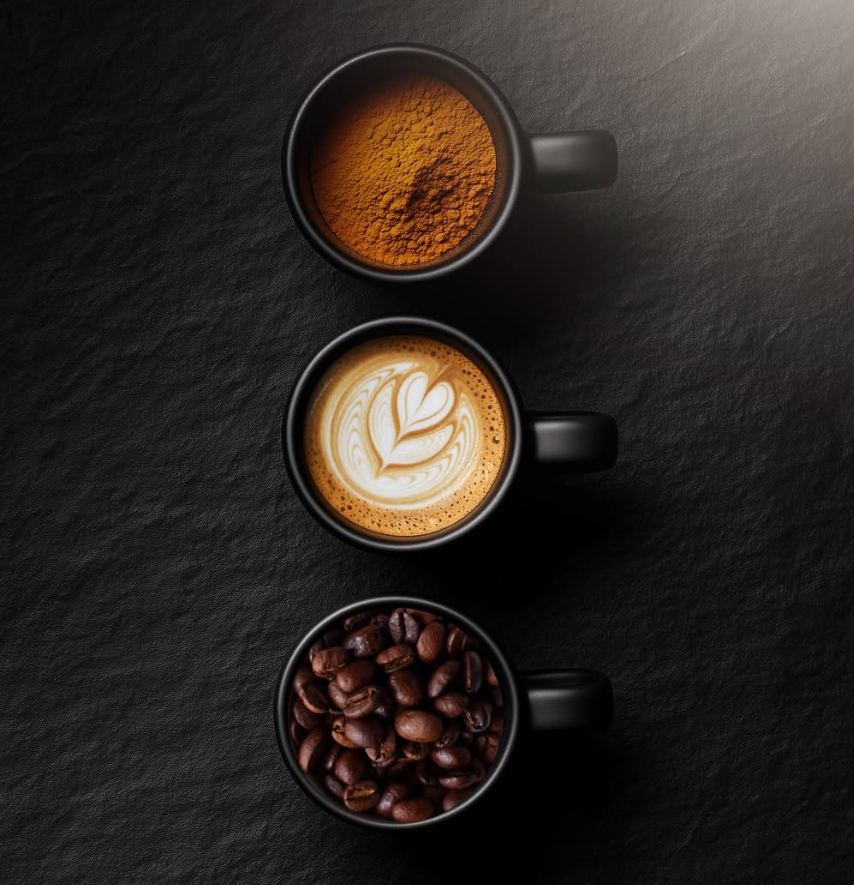
A photo of coffee grounds, beans and in liquid form. | Photo from @harshasipani on Instagram

Nov. 19 2025 | Belen Ponce Leal | Lifestyle Editor

There is a legend involving the discovery of coffee and goats. Yes, there is. According to this legend, Kaldi was once a goat herder who noticed that after his goats ate the cherries of a specific tree in the ancient forests of the Ethiopian plateau, they became so hyper that they couldn’t sleep through the night. When Kaldi told the priest of the local monastery about the behavior, they decided to do a makeshift experiment where they turned the berries into a drink. After a few sips, they were saying the prayers with a boost of energy. The reason those cherries made everyone so jumpy was that they contained a lovely little drug most college students are utterly familiar with — caffeine. 

Most adults are no strangers to caffeine. On average, 4 out of 5 adults consume it daily, myself included. This drug can be found in a lot of different things naturally, but the most common way people consume it is through drinks. The most popular caffeinated beverages are coffee, tea and energy drinks. While most people know what it is and what it does, most aren’t aware of what is a normal side effect of caffeine and what isn’t. Most view it as a harmless drug, because, for the most part, it is, as long as it is used responsibly. So, let’s dig into what makes the bitter taste so powerful. 

The definition According to WebMD, “caffeine is a natural chemical with stimulant effects.” It increases the activity of the brain and nervous system. Caffeine is closely associated with coffee, as it was isolated from the coffee bean by Ferdinand Runge in 1819. It is also a long-lasting drug, taking 5 to 30 minutes to kick in and staying in the body for up to 12 hours, depending on the person. 

Purpose The main reason everyone consumes caffeine is to increase alertness, enhance athletic performance and improve focus. Some also use it for other purposes like ADHD, asthma, low blood pressure and depression, though WebMD does state that there isn’t a lot of good scientific evidence to support the latter four uses. 

Side effects The effects of the drug can involve increased breathing, elevated heart rate and increased mental alertness as well as a boost in physical energy. It also has some side effects involving digestion and urination. Sometimes, people say that coffee can give them heartburn. A possible reason for that is that caffeine can increase the amount of acid in a person’s stomach. Some scientists theorize that because of the bitter taste that can come with the drug, it could lead to a buildup of acid-forming in the stomach. Caffeine is also a diuretic, which means that the body will want to urinate more when consumed. 

Concerning side effects For the most part, caffeine is safe for the heart for those who don’t have any preexisting heart conditions. It is possible, though, to have had an inordinate amount. Signs that a person has had too much caffeine could be shakiness, agitation, trouble sleeping, a racing heart and dizziness. It’s also possible for headaches, chest pain and severe anxiety to happen. WebMD notes that a 32-ounce energy drink has a much higher ability to give a person abnormally high heart rhythms and blood pressure. 

Amount to have If a person does not have any sort of underlying conditions, the maximum amount of caffeine someone can consume in a day is about 400 milligrams, which is the amount found in four cups of coffee. However, it is notable that energy drinks can contain a lot more caffeine. According to the Food and Drug Administration, energy drinks typically have 41 to 246 milligrams per can. My energy drink of choice is typically Red Bull. Lately, though, I have been drinking Monster since most people I know have them regularly. I haven’t really liked the taste of it, but I noticed that the drink caused me to feel off. My heart rate increased a lot, my hands were twitching and my chest would occasionally hurt. I found out that there is quite a difference between the two. A 16-ounce Red Bull, on average, contains 136 milligrams of caffeine while a 16-ounce Monster Energy drink has 160 milligrams. Granted, the difference is only 24 milligrams, but it was enough to affect me. 

Who shouldn’t have it Anyone who has any preexisting health conditions or is under the age of 18 could suffer serious health conditions or even death from having too much caffeine. Pregnant women are able to drink it as long as they don’t go over 300 milligrams. Caffeine can pass into breast milk, so limitations while breastfeeding are recommended. 

Extreme cases — In 2023, Matthew Patrick, known more commonly as MatPat, made a video called “This Lemonade Could Kill You (Panera),” where he discussed a viral TikTok posted by user @sarachebaus. In her video, she discusses being unaware of how much caffeine is in a now-discontinued product served by Panera known as the “charged lemonade.” 

The 20-ounce drink had 260 milligrams of caffeine in it, while the large size had 390 milligrams, which is only 10 milligrams away from being the recommended limit of a person’s daily caffeine intake. She also noted that she drank 4 or 5 of them a day, which would have been the equivalent of 11 Red Bulls, according to MatPat. Both he and @sarachebaus criticized Panera for the lack of any disclaimers of how much caffeine these drinks contained. Despite these drinks having way more of this drug than a typical energy drink, they were not labeled as such. They were only called “charged lemonades” and had in tiny lettering underneath the sign the amount of caffeine in a 20-ounce and a 30-ounce. MatPat then spoke about how potentially dangerous these drinks could be to those with preexisting heart conditions. As it turned out, he was right. 

In September of 2022, a 21-year-old University of Pennsylvania student named Sarah Katz went into cardiac arrest shortly after having one of these drinks and passed away. According to USA Today, her family had sued Panera, explaining that she had a heart condition and would explicitly avoid any drinks that had caffeine in them. They accused Panera of being misleading in the marketing, as well as failure to provide labeling that better warned that these drinks were dangerous to those who had underlying health conditions. Another person, 46-year-old Dennis Brown, died from cardiac arrest in October of 2023 after drinking three charged lemonades. His family also sued Panera, explaining that he had high blood pressure and never consumed energy drinks. 

Caffeine is a drug. Like any drug, people can become dependent on it. Withdrawal symptoms typically include crankiness, headaches, sweating, anxiety, fatigue and in some cases, muscle pain. Withdrawal can begin within 12 to 14 hours from the last sip taken and can last up to a week. It’s possible to break the dependence by steadily reducing the amount of caffeine being consumed. This gives the body time to adjust to being able to function without depending so much on the drug. So, be mindful of how much is consumed. 


Contact the author at howllifestyle@mail.wou.edu


The strength of diversity

A photo of a vase of stargazer lilies. | Photo from @wildflowersparkland on Instagram

Nov. 12 2025 | Belen Ponce Leal | Lifestyle Editor

The United States is known for its diverse communities. Despite the problems and deep-rooted racism that encompass the history of this country, the U.S. is full of people from different cultures and backgrounds. According to an article from the National Library of Medicine, over 50% of the population is part of minority ethnic groups. Immigrants move here to provide better lives for their families and bring with them their own cultures. Their values, beliefs and ways of life are all varied. As human beings, we tend to fear what we don’t understand, thus many from versatile styles of living often feel out of place in their new communities. However, fitting in is honestly overrated and I thought it would be interesting to delve deeper into the benefits of diversity.
The environments we come from have a major influence on the way we view the world. Some cultures view loyalty as the most important virtue someone can have. Others think that the truth is the most valuable. Neither way of thinking is wrong — it is merely a difference in a person’s beliefs. However, these differences in a person’s way of life can provide new ideas that others would not have thought of. If everyone had the exact same way of thinking, humanity would not advance.
This is why companies are often on the lookout for people who are not from the average population. People who stand out are those who think differently and experience unique ways of reasoning. Without coming up with new ideas, everything would stay the same. Technology wouldn’t exist, companies wouldn’t succeed and if there is anything that is true about our world, it is that it is constantly evolving. Based on an article published by the Hult International Business School, the uncertainty and constant change in the global business environment make it important to be adaptable. If there is anything true about people who come from different places in the world, chances are that they are willing to withstand how drastic the changes can be.
It is because of the difference in values and beliefs that oftentimes those who come from different backgrounds can find success in using that knowledge to their advantage. For instance, bilingual people often make more money as they are able to reach out to more people who may not speak the same language. Not only does it benefit them, it benefits other people who might not know how to speak English and need assistance for doctor’s appointments, driving tests, important news announcements and much more. This way of thinking does not only apply to translators, though. Different cultures with different priorities will want to create products aimed at distinct people, such as restaurants that offer culture-specific food, whether it be soul food, Mexican food, Chinese food, Filipino food or another cuisine. Some could think of it like having a spy on the inside, someone who understands who the target audience is and can offer advice as to what appeals to them.
Being diverse can also promote personal growth. According to the Steps4Change organization, having new experiences gives us the opportunity to explore outside our comfort zone, which can enhance our learning and develop a sense of personal growth. Everyone has different ideas of what “normal” is. Some can view being different as a weakness, yet in reality, it’s an irreplaceable strength that can provide more empathy with people who think differently than them. Those with more variety in their lives are more likely to be empathetic and resilient in the way they conduct themselves.
According to Sean DallasKidd, a Forbes Councils member, “Research is the gateway to imagination.” It improves the likelihood of more imaginative and impactful storytelling in works, whether it be at work or in school. Being a diverse individual can mean much more than simply coming from a different place or being a different gender.
There’s also something known as cognitive diversity. The definition for this topic involves the way we think. Some approach an assignment with the thought of getting it done immediately after the lecture, as they want the information to be as fresh as possible. Others prefer to do it later, not just because of procrastination reasons, but because they want time to process the information they learned.
It’s why some can have very different interpretations of stories. Some may think that Meredith and Derek, the couple from “Grey’s Anatomy,” are a good representation of true love and can pose a good argument for their reasoning. Others believe that they were terrible for each other and give several examples of their toxicity. Neither interpretation is wrong per se, but each has a strong argument for their way of thinking.
Being a diverse person is an exciting thing. It makes someone much more relatable and more unique. Creativity is higher and diversity is being more sought out in the modern day, as uncertainty in businesses means needing more unique ways to come up with ideas to stay in the market. Some of the biggest problems in the world have been solved by tackling a problem in an unusual way. Vaccines were created by using the sickness that was killing people as a way to immunize themselves from it. The most unbelievable circumstances can end up being the solution to a major problem.

Contact the author at howllifestyle@mail.wou.edu

Spooky treats

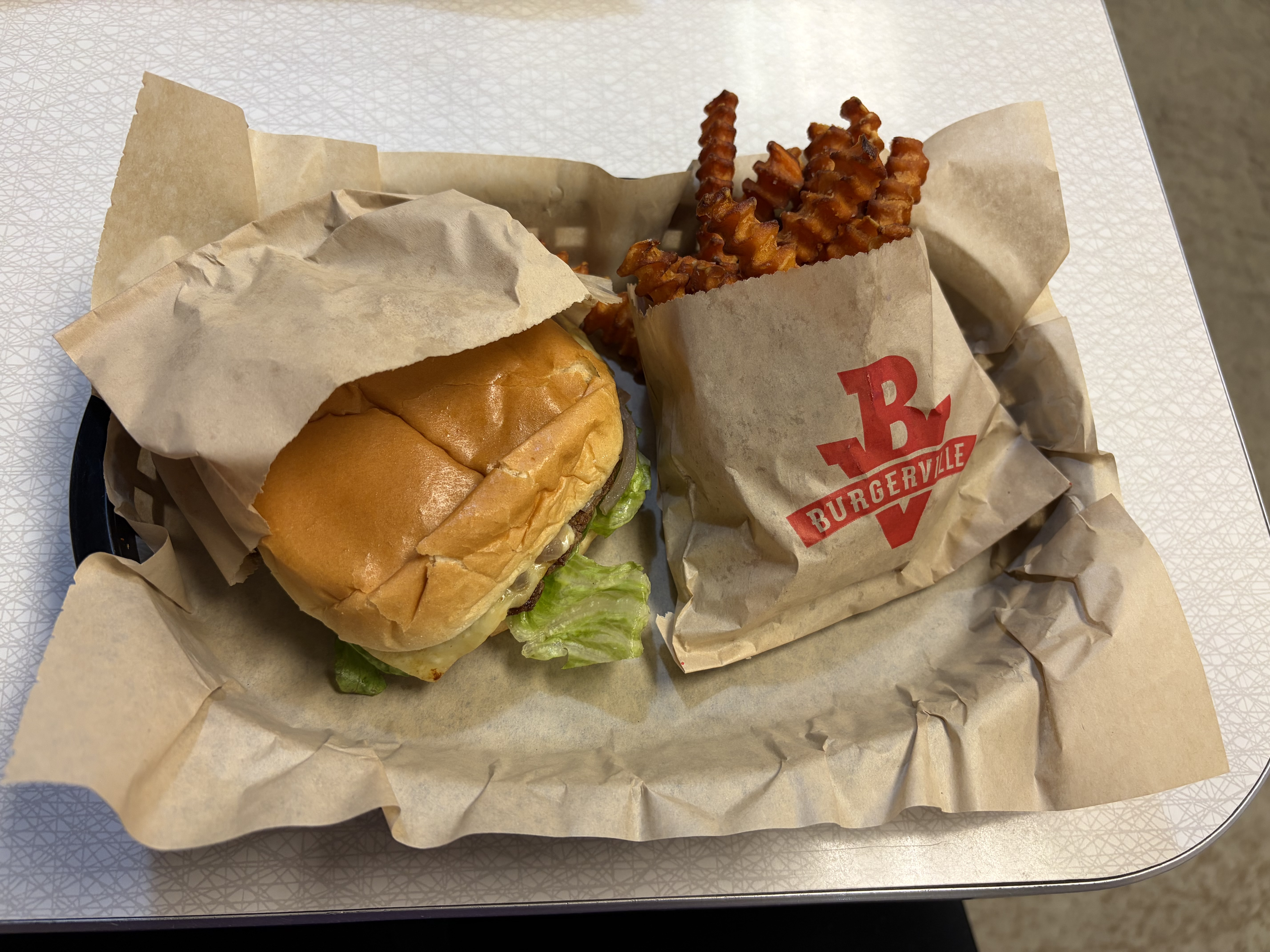
A photo of Burgerville’s Vampire Slayer Cheeseburger and sweet potato fries. | Photo by Belen Ponce Leal

Oct 29 2025 | Belen Ponce Leal | Lifestyle Editor

It’s always interesting to see what kind of menus companies can come up with for a spooky season. Whether it be dyed foods designed to look like pumpkins, sweet ice cream treats with candy bits in them or some locally sourced ingredients used creatively, there is no end to the trend. I thought it would be interesting to discover what kind of spooky-themed foods to try out before the end of the month.  

Burger King is well known for their advertising of their special limited-time menus. Right now, they have what they call the “monster menu.” The main staple of the menu is the  Jack-O’-Lantern Whopper. It is a version of their famous Whopper burger with a “naturally colored orange bun” with black sesame seeds. While it does have a festive appearance, it has been described by many as tasting basically the same as a regular Whopper burger. Some other items they are selling are Vampire Nuggets, Mummy Mozzarella Fries, the Franken-Candy Sundae and, at certain locations, a trick-or-treat basket. 

At the moment, McDonald’s might not have much of a Halloween menu as they are currently focused on their Monopoly-themed one, but the Boo Buckets have returned once again. During October, McDonald’s will give out Happy Meals in what is called a Boo Bucket. They are plastic containers that can double as trick-or-treat buckets. The classic designs have returned, which are the ghost, pumpkin and goblin. However, there are two new additions to the roster this year, which are a black cat and a zombie bucket. 

IHOP has come out with some delicious pancake flavors for the season. Obviously, the pumpkin spice pancakes have returned, with the option to make them a short or full stack. They have been described as tasting very good, soft and buttery. The item that I find the most interesting and most delicious is the coffee cake pancakes. Made with cinnamon streusel, cinnamon spread layering and cream cheese icing, these coffee cake pancakes have a delicious crumbly texture. 

Burgerville is known throughout Monmouth for being a great place to eat, as it prides itself on locally sourcing its ingredients. All their food is fresh and delicious throughout the year.

Their seasonal menu is composed of their pumpkin shake, apple crumble sundae, harvest cider iced tea, sweet potato fries and, their star of the menu, the Vampire Slayer Cheeseburger. This burger, along with all of their others, has a pasture-raised natural beef patty. The cheese on the burger is called Face Rock Vampire Slayer Cheddar, which is cheddar with a strong dose of garlic in it. That, combined with arugula, which is a leafy green vegetable with a sort of peppery, nutty flavor, makes the burger a fantastic mix of various flavors. 

Every restaurant has a different strength, whether it be in design or flavor. I love how every year Burger King can come up with a menu that looks amazing, and even though it doesn’t taste very different, it is at least aesthetically pleasing. I also enjoy how Burgerville can come up with some amazing combinations of flavors in their burger while still being naturally sourced. While not all seasonal food is created equal, it is always endearing to see what companies can come up with to create delicious and good-looking cuisine. 


Contact the author at howllifestyle@wou.edu

Shutdown guide

A photo of Vice President JD Vance taking questions regarding the government shutdown at a press briefing. | Photo from @whitehouse and @vp on Instagram

Oct 29 2025 | Hannah Field | Editor-in-Chief

On Oct. 1, the United States government ceased its operations and entered a shutdown, following Congress’ failure to pass the bills necessary to fund those operations. Republicans and Democrats failed to agree on how the money would be used throughout the government, resulting in the shutdown, limiting governmental operations across the country and endangering certain benefits for millions of Americans.

For the most part, students remain unaffected by the shutdown. Western students can continue to attend class and participate in their typical activities, but there may be some instances where students are impacted.

It is expected that thousands of Oregonians will lose their food stamp benefits, known as SNAP, after Oct. 31 due to the stalled funding. While most receiving benefits are not college students, the students who do receive food stamps will lose their access alongside an estimated 41 million Americans.

Western students who have compromised food aid due to the shutdown are encouraged to connect with resources on campus, such as Abby’s House and the Food Pantry, to avoid further food insecurity. Food banks are expected to be heavily utilized following Nov. 1, meaning resources may be limited across the country.

Another way students may be impacted is through travel. Demand for air traffic controllers has been high since well before the government shutdown, but now many are not coming to work, despite being considered essential workers — all of whom are expected to work without pay during government shutdowns. Due to the lack of staffing, many flights are experiencing cancellations or delays, namely at major U.S. airports such as Newark, Phoenix, Nashville, Dallas, Denver, Las Vegas and Burbank, and likely more as the shutdown progresses. Security lines through checkpoints at airports may be longer than normal as well.

Thankfully for students, funding for FAFSA, student loans and Pell Grants has not been suspended. Federal grants awarded to schools will continue, but new grants may face delays. Students across the country may be let go from work-study jobs depending on funding.

While many things are still up in the air regarding the government’s funding, one thing is certain: the longer the shutdown, the more it will affect. Millions of Americans on SNAP will continue without benefits, essential workers will keep working for free and travelers will face further roadblocks. 


Contact the author at howleditorinchief@mail.wou.edu

First gen week

A photo of the Trio lounge. | Photo by Abbi Duhart

Oct 29 2025 | Abbi Duhart | News Editor

Being first-generation means that neither of the student’s parents or guardians graduated with a four-year degree. If someone’s parents earned an associate degree or started at a four-year college but didn’t finish, the student is still considered first-gen. Identifying as first-gen means that a student has an amazing opportunity to achieve and succeed, yet they may not have the same guidance about the process of enrolling in college that non-first-gen students have, making the transition much more confusing and scary. For these reasons, first-gen students can often feel vulnerable or face imposter syndrome because they encounter different barriers.

To support first-gen students, TRIO is putting on various events during First-Generation Week, starting Nov. 3. TRIO is a federally funded nationwide program implemented to advise and assist students who are first-gen, low-income or receive accommodations through Disability Access Services. Students part of TRIO have a specific advisor who helps them with academic, career and major advising, finding resources, finding a job and more. 

First-Generation Week happens at Western as a replacement for First-Generation Day, which is a national celebration on Nov. 8. Because Nov. 8 is a Saturday this year, TRIO created First-Generation Week so students can celebrate the week leading up to First-Generation Day. Every day during First-Generation Week has different events that help students connect with the diverse resources around campus. 

Each day of events during First-Generation Week has a different theme. Monday, Nov. 3, is all about basic needs. The day will start with a kick-off happening in the TRIO lounge at the Student Success Center from 10 a.m. to 1 p.m. This is primarily to outline the events happening throughout the week, but students can also come for some fun games and snacks. Next, students can head over to the Werner University Center from 1 to 3 p.m. to learn about meal prepping. Meal prepping can be especially hard for students in terms of budgeting, so this event can help them learn how to actively and efficiently meal prep at a lower cost. 2 to 4:30 p.m., there is a drop-in for students to chat with SNAP workers in the Werner University Center. SNAP is a federal nutrition assistance program that gives students a certain amount of money each month to purchase groceries. In the same location, there are Food Pantry and Stitch Closet tours happening from 2 to 4 p.m. These are both helpful resources on campus that students may not know about, and these guided tours can show students where they are and how they work.

Tuesday’s theme is mental health. Starting off, there are presentations happening from 11 a.m. to 12 p.m. in the Santiam Room in the Werner University Center. Counselors from the Health and Counseling Center on campus will be giving presentations about the importance of mental health. Later, there will be a trail walk starting in the TRIO lounge from 1 to 2 p.m. Students will join a walk around campus and participate in a mediated conversation where they ask each other questions and just talk about life. From 2 to 4 p.m., students can head back to the TRIO lounge to participate in a mini brain break where they can do some arts and crafts and join a “Mario Kart” tournament. 

Wednesday’s theme is community. Students can attend a first-gen fair happening in Richard Woodcock Education Center Room 101 from 10 a.m. to 3 p.m. Here, they can connect with fellow students, staff, faculty, resources and departments around campus. Each department will have a table. Students who go will receive a bingo card to mark off each table they attend, with a possibility of winning a prize. There will also be free food at this event. At 4 to 5 p.m. in the Student Success Center, Room 203, a workshop with Student Success and Advising will take place. This will surround the theme of professional goal setting.

Thursday’s theme is “step in the right direction,” beginning with a Career and Professional Pathways fair happening from 11 a.m. to 2 p.m. on the second floor of the Student Success Center. Students can go to network with recruiters from various organizations and jobs, as well as with alumni. These professionals will be giving students advice on how to land jobs in their chosen career path. From 3 to 5 p.m., there will be a TRIO and first-gen alumni panel in the Willamette Room in the WUC. Students can talk with them and get an understanding from someone of a similar background on how to get to the career they’re in. 

Friday’s theme is celebration. A Tri-Alpha induction ceremony will be happening in the Willamette Room from 9:30 to 11:30 a.m. This is for the Alpha Alpha Alpha Honor Society, an honor society for first-gen students. Students can come to celebrate and support inductees as they join Tri-Alpha. 12 to 3 p.m. in the TRIO lounge, there will be a First-Generation Day celebration to celebrate National First-Generation Day. There will be different stations and games for students as well as cake to enjoy. Students who attend any event throughout the week will be entered in a raffle for prizes on Friday.

Andres Hernandez, the first-gen coordinator, explains that everyone — not just first-gen students — can benefit from attending these events. While the resources are catered to help first-gen students more, all students can learn how to best support first-gen students who often come from different backgrounds and face different barriers. If anything, students can attend any event throughout the week to learn about helpful resources, potentially win some prizes and maybe even meet some new friends.


Contact the author at howlnews@mail.wou.edu

The haunting history

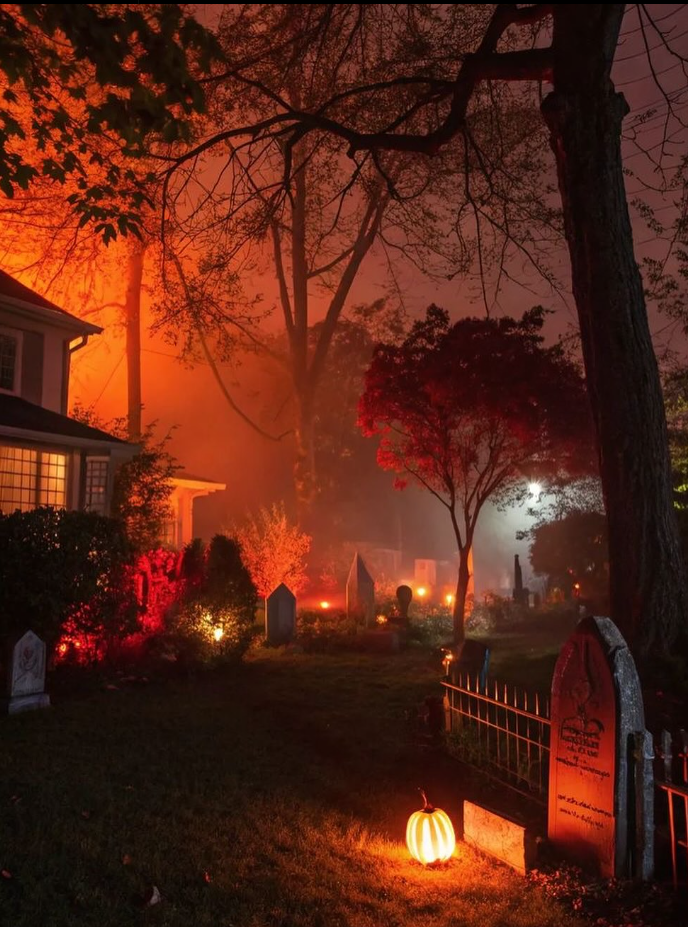
A photo of Halloween yard decorations. | Photo from @halloweenperfection on Instagram

Oct 29, 2025 |  Belen Ponce Leal | Lifestyle Editor

Halloween is known throughout the United States as the spookiest time of the year; the time when children go door-to-door wearing costumes that range from cute to scary, candy is given out and scares are plotted throughout the night. Despite its popularity, many don’t know the origins of this holiday that has developed and changed throughout the centuries. 

The origins of Halloween can be traced back to the ancient Celtic festival of Samhain, which is still celebrated today by Pagans. Over 2,000 years ago, the Celts and the druids celebrated the new year Nov. 1. Samhain, which translates to “summer’s end” in Gaelic, marked the end of the harvest, meaning winter was about to begin. Winter was seen as a time of death, where the veil between the living and the dead thins to allow supernatural forces to wander the earth. The people would gather to burn crops and offer animals as sacrifices to the Celtic deities. Additionally, those who were thinking of their lost loved ones would use candles and bonfires to guide them to the afterlife. 

Others would wear costumes to scare the bad spirits and demons away. However, some believed that doing this would allow them to be able to tell each other’s future. The Celtic priests believed that due to the presence of otherworldly beings on the earth, their predictions would hold more weight. After the festival was over, they would take flames from the bonfires and light their own hearths with them. It was believed that the fire would protect them from the incoming winter. 

In the eighth century, Pope Gregory III proclaimed Nov. 1 “All Saints’ Day,” which honors not only the saints, but also the martyrs. Then, in the year 1000, the church made Nov. 2 “All Souls’ Day,” a day that honors the dead. It is believed that the church did this to replace the Celtic festival with a Christian-sanctioned holiday. 

It incorporated some of the traditions of Samhain, like big bonfires, celebrations and dressing up in costumes as beings like devils, saints and angels. The night before, which was originally Samhain, began to be called “All-Hallows Eve.” 

When people began immigrating to the US, which at the time was the 13 colonies, All-Hallows Eve began to change. As the customs of European ethnic groups and Native Americans clashed, “Halloween” began to emerge. 

The first celebrations of the tradition were known as “play parties,” which were events held to celebrate the harvest. Neighbors shared stories of the dead and would try to tell each other’s fortunes.

Trick-or-treating is based on European traditions where Americans began dressing up in costumes and going door-to-door to ask for food or money, which eventually became the trick-or-treating recognized today. 

Jack-o’-lanterns come from a tradition in Ireland that came over with Irish immigrants. It is said that there was a man known as “Stingy Jack,” who would trap the devil multiple times throughout his life, keeping him captive until he promised Jack he wouldn’t go to hell. However, when the time came for Jack’s death, he found out that he wasn’t allowed to go to heaven either, so he was doomed to wander the earth forever. The devil supposedly gave Jack a burning lump of coal in a hollowed-out turnip to be his makeshift lantern. 

Therefore, the locals began carving spooky faces into their own vegetables to frighten away the spirits from their homes. When immigrants moved to the U.S., the Irish brought the tradition with them. Since pumpkins are native to North America, they decided to switch from turnips to pumpkins; thus, the Jack-o’-laturns that are known today were born. 

While Halloween isn’t the same as Samhain in the traditional sense, the holiday still carries that same spirit expressed by the druids and the Celts. It celebrates the time in the year where the leaves change color, the harvest comes in for the final time and everyone does their best to deal with mischievous spirits, whether it be a ghost, a demon or a roommate who wants to scare someone into a heart attack. 


Contact the author at howllifestyle@wou.edu

Renaissance faires

March 12, 2025

Written by: Isabelle Jones | Lifestyle Editor

For those who’ve wanted to step into a land of splendor and mystery, Renaissance faires offer an enchanting escape. These lively gatherings transport those who enter to a land of history, fantasy and fun. Whether thou art drawn to the melodious strains of medieval music, the spectacle of knights jousting or the allure of fine attire, Renaissance faires deliver an experience like no other. 

At the core of a Renaissance faire, tis’ a grand celebration of the culture, customs and way of life from the Renaissance period — 14-17th centuries. Each event seeks to recreate the very sights, sounds and spirit of that age, though they mix in a dose of fantastical elements —  mythical beasts, modern pop culture and fair folk. Imagine a small, bustling village straight out of the Renaissance, with merchants peddling their wares, entertainers performing for passersby and knights competing in grand tournaments. All come dressed in elaborate costumes, contributing to the immersive experience. It isn’t simply just a day out, but rather about stepping into a world where time feels suspended. 

Some things one should expect at a Renaissance faire:

Costumes and Immersion — The first to strike one’s eye is the garb — clothing. Period costumes are extremely popular, from elaborate gowns and corsets to tunics and breeches. Some hard-core ren fairers go all out with full Renaissance-style attire, complete with accessories — hats, jewelry and swords. For those who want to participate but don’t have a costume, many faires offer costume rentals. 

Jousting and Games — At the hearts of many is the ultimate spectacle of jousting. Knights in shining armor, mounted upon their steeds, charging at each other with lances, vying for victory and the audience cheers as the riders compete for eternal glory. There is also ground fighting — where fighters engage in close-quarters combat. The competitions can make one feel as if they’ve fallen into the movie “A Knight’s Tale” or “Shrek.” Many faires feature games and contests like archery and axe throwing. These activities offer one some Renaissance-era skills with friendly competition and lots of laughs. 

Live Performances and Merriment — Entertainment is the very soul of the Renaissance experience. One could watch a live performance of Shakespearean plays, enjoy a musical performance by a lute, harp or fiddle player or witness a merry jest from a troupe of clowns in the town square. 

Food and Drink — No faire would be complete without its food. Many serve classic Renaissance-inspired dishes —  turkey legs, roasted meats and hearty stews are found in abundance. Vendors sell pastries, pies, sweets and drinks to tempt any who may pass by. 

Artisan and Craft Markets — Anyone who enjoys browsing unique, handmade goods will find pleasure at the faire’s market. From jewelry and pottery to leather goods and hand-carved wooden items, one can find exactly what they will need to add to their collection. Many vendors specialize in creating products that are historically inspired, and they often take the time to explain the techniques and craftsmanship behind their work. Keep in mind that handmade, intricate products last long and thus will be more on the expensive side.

There are many Renaissance faires from which one may choose. Herein lies a list of the various locations, with their respective details. 

Oregon Ren Faire — In Canby, Oregon at the fairgrounds. Every Sabbath in the month of June; with a new theme each week. Tickets must be obtained only through the internet and are priced at 20-30 shillings per soul.

Canterbury Renaissance Faire — In Silverton, Oregon. On the days of the 12th, 13th, 19th, 20th, 26th and 27th of July. Tickets may be obtained both on-site and through the internet; priced at 27 shillings per soul and an extra 10 shillings to park on the grounds.

Portland Celtic Faire — In Hillsboro, Oregon. In the month of August (date to be determined). Entry is free to all. 

Oregon Celtic Festival — In Canby, Oregon at the fairgrounds. 13-15th day of September. Tickets must be obtained only through the internet and are priced at 45-65 shillings per soul.

Shrewsbury Renaissance Faire — In Kings Valley, Oregon. 14th day unto the 15th day of September. Tickets can be obtained both in person and online; priced at 22 shillings per soul.

With the locations aforementioned, I would most heartily recommend the Canterbury Ren Faire and the Shrewsbury Ren Faire for those first-time visitors. I had an absolute blast at these noble gatherings. They’re both reasonably priced, especially when each vendor and food stall requires money. I found the ground fights and jousting quite joyous. Everything is professionally choreographed so thou dost not need to fret. Yet, it did appear that at the Shrewsbury Ren Faire, they don’t hold back on their jousting matches. Aside from the performances, the intricate, handmade products were most captivating. There be garb, cups, weapons, adornments, works of art, instruments and jewels aplenty. Nearly all that one’s heart might desire may be found at a ren faire market. I advise thee to be methodical, I found several accessories by going through, and taking my time at the stalls. Of the two I’ve listed, Canterbury offers the finest selection and most diverse variety of vendors. As for sustenance, one may choose among many classics, turkey legs, stews, pickles, meat pies and scotch eggs. I shall always advocate for a meat pie, scotch egg and the famous pickle. Anyone who has ventured to a Ren faire knows full well to acquire a pickle. Under the burning sun, a cold, refreshing pickle doth truly satisfies thy spirit. Running out of energy, halfway through the vendors? Get a pickle, it’s as if it has some weird energizing power. 

Lastly, I shall impart a humbler piece of advice to all who venture to a Renaissance faire: please dress up. Dressing up is a game changer and it makes the experience feel that much more “real.” I went in full garb that I sewed with my grandmother and fell in love with the immersive experience. Keep in mind, these gatherings often occur during the hottest of seasons, and a heaving costume is not for the faint of heart. There are several ways to create a ren faire cosplay. Look at antique and junk stores for unique, budget-friendly accessories. Thrift to find “olden” style clothing or any kind that fits one’s ren faire aesthetic. Or, one could simply wait until arriving at the faire to buy an outfit. Keep in mind that this is a very expensive option. Always look for natural fabrics like cotton, linen and silk. 

In an age of digital distractions, constant news updates, and the hustle and bustle of daily life, stepping back in time provides a welcome break for one to enjoy the magic of a simpler, albeit fictional, time. A wondrous escape where the spirit of merriment, craft and history intertwine. Gather thy companions and partake in joyous occasions, where the echoes of a bygone era live on in celebration and camaraderie — huzzah.

Contact the author at howllifestyle@wou.edu

Galentine’s Day

February 12, 2025

Written by: Isabelle Jones | Lifestyle Editor

Feb. 13, unofficially known as Galentine’s Day, has become a beloved holiday for women around the world. While Valentine’s Day often centers on romantic love, Galentine’s Day shines a spotlight on the power of friendship and the importance of strong female bonds. Galentine’s Day offers the perfect opportunity to celebrate supportive women that make life more enjoyable.

At its core, the holiday is about appreciating the women in one’s life who bring love, support and laughter. These friendships may have been formed in school, at work or through common interests, and they often become the pillars of emotional well-being. In a world where female rivalry has often been emphasized, Galentine’s Day serves as a reminder of the power of women supporting women. By fostering an environment of support and solidarity, women can empower one another to reach their goals and continue challenging societal norms. It’s a chance to focus on the collective power of women, who — together — can accomplish incredible things. 

Ways to celebrate Galentine’s Day

1. Host a brunch or dinner party
Hosting a brunch or dinner with close friends and female family members is one of the most popular ways to celebrate. Whether it’s dining out or serving up homemade favorites, the focus should be on sharing good food and good conversation with wonderful peers. The Lively Station in South Salem is a quiet, tucked away restaurant perfect for any group wanting local food. 

2. Spa day or self-care retreat
For those who want a more relaxing celebration, a spa day or DIY pampering session with friends can be a great way to bond. Facemasks, manicures and a cozy atmosphere can provide the perfect setting for relaxing and rejuvenation. Turn the living room into a DIY spa sanctuary with calming music, candles and soothing treatments.

3. Movie or TV show marathon
There’s nothing like having a cozy night in with friends, snacks and a good movie. According to Good Housekeeping, among the most popular Galentine’s Day movies to watch include “Pitch Perfect,” “Legally Blonde,” “Bridesmaids,” “Booksmart,” “13 Going on 30,” “A League of Their Own” and “Pride and Prejudice.” 

4. Go on a fun adventure
Create new and fun memories with one’s gal pals by going on a day adventure. If one is looking for a unique activity in Salem, head to the Coin Jam, 21 and over only, Exitus escape room or Wreckingballers. It’s sure to be a blast and a great way to relieve some stress. 

Whether it’s celebrating with an extravagant gathering or a quiet evening with close friends, Galentine’s Day is about embracing the value of female friendship and the power of connection. It serves as a reminder that love isn’t confined to romantic relationships and that the bonds formed by our friends are just as meaningful and important. Galentine’s Day encourages us to lift each other up. It’s a day to recognize the strength, beauty and resilience that come from celebrating and supporting each other.

Contact the author at howllifestyle@wou.edu

Western’s food pantry

Written by: Sadie Latimer | News Editor

Western’s food pantry is located in room 165 of the Welcome Center. It is open Tuesdays 11 a.m. – 3 p.m. for Western students and faculty only. It is open to the public 9 a.m. – 1 p.m. Wednesdays and 2 – 6 p.m. Thursdays. Abby’s House — Western’s center for equity and gender justice — is the parent organization of the food pantry.

Everyone is welcome to utilize the food pantry on the allotted days, even including non-residents of Monmouth. There is also no maximum or minimum amount of income an individual needs to have to be a customer. Everything in the food pantry is free to all customers. 

Also located in room 165 of the Welcome Center is the Stitch Closet. The Stitch Closet provides clothes for individuals, free of charge. It has the same hours as the food pantry for the convenience of users. Like the food pantry, the Stitch Closet is also a part of Abby’s House. The concept for the Stitch Closet was imagined in 2020 and came to fruition fall 2021. 

Tarly Sineo, a first-year at Western majoring in psychology, started volunteering at the food pantry and the Stitch Closet as soon as it opened for the 2024-25 school year. “I took multiple steps to ensure that I got to volunteer the first day it was available to me,” said Sineo. 

Student volunteers are integral in ensuring the organization runs smoothly. “(I make) sure that the floors are clear, everything’s stocked correctly, clothing racks are clear and we’re using the right hangers. Just general maintenance,” said Sineo.

Sineo is passionate about helping students and members of the community and making sure they have the resources they need. “It means a lot to me. Pretty early (in the term) I figured that I’d probably be bored and have a lot of hours just kind of sitting around my room … So I figured I’d kill two birds with one stone; busy myself, and make the community a bit better for the people around me.” 

Food pantries are an important part of many communities, and it is especially beneficial for students. Western’s food pantry is helping to battle food insecurity among students, with college campuses statistically having more people who struggle.

“It’s a really valuable asset,” said Sineo. “Some (meal plans) don’t get to three meals a day on all of the weekdays.” The food pantry also helps anyone who is hosting community events — such as a Thanksgiving gathering or a residence hall event — get the materials and resources they need. 

Western’s food pantry put together turkey baskets for community members. The baskets have uncooked turkey or ham, stuffing, mashed potatoes, gravy, corn, cranberry sauce and the ingredients to make green bean casserole. 

“It’s a program for people who might not have the money to get a full turkey or the circumstances to be able to get a bunch of different Thanksgiving food for their family,” said Sineo.

Much of the food that Western’s food pantry offers is provided by a Salem food bank — Marion Polk Food Share. The rest of the food supply is a collection of donations from people in the community. 

The food pantry follows a client-choice model of shopping. Customers can choose their items instead of receiving a preselected bag of groceries. This ensures that people will use everything they take, instead of wasting the things they either don’t like or can’t eat due to allergies. 

There is no limit to the number of times people can shop at the food pantry. They can take as much food as they need as long as they are courteous of other customers who also need to use the food pantry. Once customers have finished shopping, they weigh their food and anonymously fill out a checkout survey. The personal information of shoppers is never collected. 

Individuals can support the food pantry and the Stitch Closet by volunteering or giving donations. They accept donations of food, clothes, hygiene products, pet food and school supplies. Donations are collected in a box in front of the food pantry. Individuals can also donate money to the food pantry through Abby’s House. 

For food donations, homemade goods and meals from restaurants will not be accepted. Store-bought foods should have a visible expiration date and nutrition label. It should be in the original packaging with any lids and seals still intact. 

For clothing donations, the Stitch Closet will not accept anything that shows offensive words or visuals, or clothes that are damaged or dirty. 

If donors are unsure if an item will be accepted, they can take it to a student volunteer who will inspect it. 

For students who would like to volunteer, there is a volunteer interest form linked in the food pantry’s Instagram — @woufoodpantry.  

Contact the author at howlnews@mail.wou.edu

ASL Club’s 30th birthday

Written by: Hannah Field | News Editor

In celebration of Western’s American Sign Language Club’s 30th birthday, an anniversary party will be held in the Richard Woodcock Education Center May 17. Running from 6 p.m. to 8 p.m in room 101, the founder, co-founder and former presidents will be present, with the founders even delivering a speech.

“It’s a huge legacy of 30 years,” said Hearing President of the ASL Club and fourth-year student, Aiden Hare. “It’s pretty amazing that it’s been consecutively running for that entire time and it’s also one of the biggest clubs on campus.”

The club itself functions with both a Hearing President and a Deaf President. Operationally, events are hosted throughout each term such as game nights, intercultural panels, community nights and arts and crafts, all while communicating with the community. This spring term, the ASL club is hosting an LGBTQ+ panel.

“A lot of people know this program exists, and they know that it’s big,” said Hare. “But they haven’t stepped into it, or they live on campus and they’re just not aware, (but this is a way to get involved).”

Although open to the public, the event, like many others, is voice-off, sign-only and no interpreters will be provided.

According to Hare, the event is a good way to get connected with not only Western but the Deaf community as well.

“We have a lot of people coming from all over, which I’m excited about,” said Hare. “We have Washington State School for the Deaf students coming, Oregon State Students coming, teachers from other universities and random community members (that think) this is awesome.”

Visitors can expect a rather competitive match of musical chairs, amongst other games. Free food will be available as well, but RSVPing is highly recommended so a proper head count may be gathered to estimate how much food to order. Anyone with dietary restrictions or other preferences is encouraged to reach out.

“I think it’ll just be really cool to get that many community members there at the same time,” said Hare. “It’s a very impactful event… to be a part of this is pretty amazing.”

The event will also be handing out goodie bags as an incentive for attendance.

Contact the authors at howlnews@mail.wou.edu

River rescue

Written by: Sierra Porter | Staff Writer

The Klamath River runs through the coastal states of California and Oregon — home to four large dams including JC Boyle, Copco No. 1, Copco No. 2 and the Iron Gate. These dams have damaging effects on water quality and have depleted salmon populations, which many local tribes heavily rely on. 

Protests from local tribes and efforts from residents of Oregon and California have finally been recognized, and on Nov. 17, 2022, the Federal Energy Regulatory Commission (FERC) approved the surrender of their hydropower license in order to remove the four dams from Klamath River.  The Biden administration, leaders of the four Columbia River Basin Tribes and the Governors of California and Oregon signed papers formally launching a $1 billion plan to restore salmon populations. This decision will allow for the largest dam removal project in United States history and ultimately has become a historical moment for the Pacific Northwest. 

The project is already in motion as Copco No. 2, the smallest of the four dams, was the first to be removed this fall due to its size, location and lack of reservoir. The removal of Copco No. 2 has allowed for water to flow freely down the canyon which has not been touched by water since the dam’s construction in 1925. This was an extremely significant first step in the removal process and gives a promising glimpse at what’s to come. 

Since the construction of these dams, many have felt they’ve done more harm than good. After more than 100 years, the dams along the Klamath have degraded water quality to dangerous levels for salmon and led to excessive growth of toxic cyanobacteria, commonly known as blue-green algae. 

The removal of these dams will drastically improve the water quality, allowing Chinook salmon populations to increase up to 80% of what they were before the dam. Salmon is extremely important to many native tribes including the Yurok, Karuk, Shasta, Klamath and Hoopa Valley, who even refer to themselves as the “salmon people.” These tribes rely on salmon for food in addition to rituals and communal culture. For many tribes, salmon represents prosperity, fertility and abundance. The removal of these dams has opened the door for tremendous change and hope within these communities. 

Klamath Justice Coalition Yurok tribe member, Annelia Hillman, says she “imagines a world where we live in harmony with the river,” and the removal of these dams encourages her to believe that this will once again be true. The Klamath Dam Removal Agreement is a long-awaited and well-deserved win for the tribes of the Pacific Northwest. 

Removal of the last dams is scheduled for the summer of 2024 — stay updated with American Rivers.  

Contact the author at howlstaffwriter@wou.edu

Oregon coast hot spots for beach babes

Written by: Sierra Porter | Staff Writer

One of the best things about living in Oregon is living in a coastal state and having access to beautiful beaches. Along with the sandy seasides come delicious restaurants, nifty thrift stores, crystal shops and loads of locally owned businesses. Next time one feels like being a beach babe, check out some of these beachside hot spots. 

Visions Rock Shop — Visions is located in Lincoln City in an extremely adorable barn-type building, amongst other stores and shops. They have a variety of crystals, rocks, towers, spheres, fossils, thundereggs and gems. Visions even provides classes on how to make your own pendant to wear as a necklace. 

Garibaldi Portside Bistro — Garibaldi is only 10 minutes away from Rockaway Beach and stands as an excellent family-owned portside bistro right next to the water. The bistro offers a cozy environment with live music, welcoming beach decor and a variety of food items perfect for anyone. It is an excellent place to stop and fill bellies with delicious food, along with fast and efficient service. 

Pick of the Litter — Pick of the Litter is a thrift and consignment store located in Newport. They provide a variety of vintage clothes, movies, furniture, cookware, accessories and more. The best part is that Pick of the Litter is run completely by volunteers from the community, and the money raised at the thrift store goes directly to the Lincoln County Animal Center. Visiting their store will ensure high-quality products and contribute to helping with the care and love for animals in the community. 

Eleanor’s Undertow Cafe — Eleanor’s Hot Pink Cafe is located in Lincoln City, just a few minutes walk from the beach. Vibrant colors and the classic ice cream parlor look is just another bonus to the yummy food and sweet treats. The “sweets and cool stuff” served include but are not limited to shakes, banana splits, malts, sundaes, ice cream sodas and the infamous Granny’s ½ pound chocolate chip cookie that can be topped with any of their sixteen ice cream flavors. 

Explore and have fun, beach babes. 

Contact the author at howlstaffwriter@wou.edu

Utilizing Kale

These three simple recipes easily incorporate kale into one’s diet

Jude Bokovoy | Lifestyle Editor

Contact the author at howllifestyle@wou.edu

These three recipes were created to include optimal amounts of kale by Jude Bokovoy and can be found on instagram @judy.the.foody. 

Kale is an easily accessible vegetable with great nutritional value. According to Healthline, kale helps lower cholesterol, risk of heart disease and inflammatory responses. It is also high in fiber, antioxidants and vitamin C.What really stands out is that kale has the ability to reduce the likelihood of developing at least five different types of cancer. The catch is, kale is typically sold in huge quantities and has a short shelf life.

One of the most common ways to consume kale is by packing it into a smoothie. Contrary to popular belief, it doesn’t have to be a green smoothie. One can easily hide the vegetable taste with just the right amount of fruit. Below is a smoothie recipe that incorporates both a fruity taste and a healthy amount of vegetables. One of the biggest benefits of kale smoothies is that one can freeze the kale beforehand, which is a useful way to reduce waste if one has a large bag of fresh kale that can’t be used before it goes bad.


KALE SMOOTHIE

Start to finish: Three minutes

Yields: One smoothie

⅓ cup of kale

2 small mandarin oranges

⅛ cup frozen mixed berries

5 tablespoons of Dah! mango probiotic yogurt

6 tablespoons of Organic Life Green & Clean juice

Put ingredients in a blender. Blend to the consistency of one’s liking. For a fruitier taste add a banana or another kind of berry. For a veggie heavy smoothie add chard or any other leafy green.


The next recipe is a comforting omelet. The amount of ingredients can sound overwhelming, but  rest assured, it can be made in a short amount of time. This cheesy, vegetable filled omelet will warm one’s heart while fueling the body. 


VEGGIE OMELET

Start to finish: Seven minutes

Yields: One omelet

3 Eggs

Handful of kale, chopped

4 grape tomatoes, chopped

2 slices of ham, chopped

Sprinkle of sharp cheddar cheese

Sriracha or ketchup, optional

Warm butter or cooking spray in a small frying pan. Then crack and scramble eggs into the pan when ready. Add the rest of the ingredients, then flip half of the mixture over. Cover with lid. Serve with sauces of your choice. Top off your omelet with sriracha and ketchup for a spicy and flavorful taste.


Last is a recipe for a decadent mushroom and kale ravioli. Ravioli is a highly underutilized pasta dish because people fail to realize that it is so quick and easy to make. Kale is a great addition to any pasta, especially ravioli. All one has to do is add washed and chopped kale to their sauce as it is cooking.


MUSHROOM KALE RAVIOLI

Start to finish: 15 minutes

Yields: One serving

½ Bag of Giovanni Rama mushroom ravioli

¼ Jar of Mezzetta roasted garlic sauce

Handful of kale

Red chili flake

Boil five cups of water. Add ravioli to a pot of boiling water for around four minutes. Simultaneously pour sauce into a large warm frying pan. Add red chili flakes while the sauce is cooking to create some spice. Add kale and cooked ravioli to the sauce. Cover with lid until warmed to one’s liking. Then plate.

Brilliant nearby Black-owned businesses to support

Shop local at these five Black establishments

Allison Vanderzanden | Lifestyle Editor

As the COVID-19 pandemic carries on, supporting small and local businesses continues to be more important than ever. In the spirit of supporting local shops and in recognition of Black History Month, here are a variety of local Black-owned businesses near Western.

Creative Credit & Auto Sales: 4045 State St., Salem. Tyrone Jones started Creative Credit & Auto Sales car dealership to help customers buy and lease cars even without great credit. Check out their selection online at creativecreditautosales.com, or visit them on site where they also have a mechanic shop.

Flourish Spices and African Food: 1555 Hawthorne St. NE, Salem. Olajumoke Elkanah opened this African whole foods store and restaurant after noticing a need in Salem for food from her heritage. Flourish offers shipping of their African food products through their website, flourishafricanmart.com; check out their catering and cooking class services as well.

Jojo’s Soul Food & Memphis BBQ: 4106 State St., Salem. This food truck from owner Ricky “Jojo” Tufuku brings the taste of traditional southern foods to Oregon. Find their mouth watering menu on their Facebook page, @Jojo’s Soul Food & Memphis BBQ.

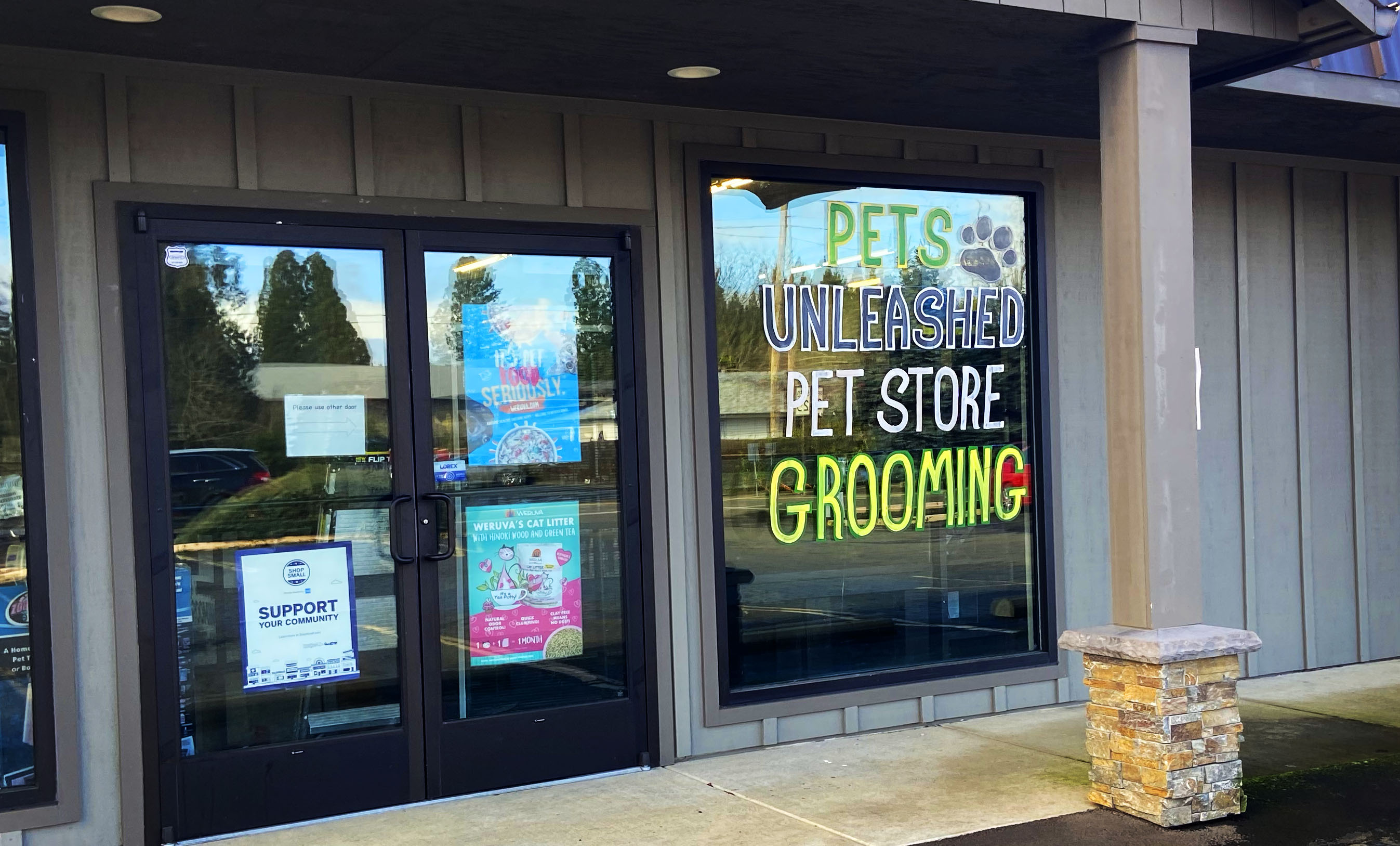
Pets Unleashed: 488 E Ellendale Ave. Suite 2, Dallas. This pet supply and grooming store is Dallas’s first, opened by Jayden Jones. They offer professional and self service grooming, and they are fully stocked with toys, food, accessories and even small animals. Find them on Facebook @Pets Unleashed.

Q’s Corner Barbershop: 651 High St. NE, Salem. Two businesses live at Quandary Robinson’s Salem shop: Robinson’s barber shop for children and adults alike, and Earl “Drako” Drake’s soul radio station, KSOS. Follow their Facebook page @Q’s Corner Barber Shop.

Dirty Radish: Willamette Valley. Chevonne Ball offers exclusive wine tours, tastings and seminars throughout the Willamette Valley with her travel company, Dirty Radish. The company plans to take clients on trips to France as well beginning in the spring of 2022. Check out their website dirtyradish.com for more information.

Epilogue Kitchen: 130 High St. SE, Salem. Open Friday through Sunday, Epilogue Kitchen offers an array of comfort food as well as cocktails to go. Epilogue Kitchen also provides numerous resources for anti-racism actions, including offering book rentals. Check out their website epilogue-kitchen.square.site to order.

Sanders Styles: 2195 Hyacinth St. SE #194, Salem. Christiane Sanders does more than style hair at her salon; Sanders Styles sells beauty products on site and offers classes for both adults and children. Their website sandersstyles.weebly.com shares their services and pricings.

So Cheesy: 865 Marion St. NE, Salem Saturday Market. Owner Gary Cooper takes customers back to childhood with his food truck’s decadent grilled cheese sandwiches. Find their full menu on their website socheesy.guru, and follow their Facebook page @So Cheesy for hours and location updates.

Uncle Troy’s BBQ: 440 State St., Salem. Located in the Fork Forty Food Hall, Troy Campbell’s shop offers classic barbecue taste. Visit their website uncletroysbbq.com for their full menu and online ordering option.

Know anymore local Black-owned businesses? Comment them below and help us highlight them.

Contact the author at avanderzanden19@mail.wou.edu

Monmouth welcomes a smokin’ new food truck

The Loaded Grill deli and barbecue shop opens in Monmouth

Allison Vanderzanden | Lifestyle Editor

A new food truck has opened in Monmouth — The Loaded Grill, a barbecue and deli-style eatery, is now serving customers at The Annex next to the Donut Bar. Owner Eric Brown and his wife held a soft open on Jan. 12. 

Brown decided to open another food truck alongside the Donut Bar to support Limitless Ministries, the church that helped Brown acquire The Annex lot.

“I feel this obligation, because the church … did a lot of it for me and my business,” Brown said. However, Brown said the pandemic conditions have made it difficult to bring other food truck owners to the lot. After seeing a need for fresh food in the community, he and his wife opened up a place to serve sandwiches and barbecue.

Brown built The Loaded Grill himself and designed it with the customers in mind. The truck has a large awning as well as counters that provide a safe amount of space between staff and patrons. Plus, while waiting for an order, customers get to watch exactly what goes into their meal through the pickup window.

Already, fan favorites from The Loaded Grill include mouth-watering pulled pork nachos, hot meatball subs and perfectly prepared pulled pork sandwiches ⏤ which I can personally recommend. The shop also offers entire meals for an affordable price, and on certain days during the week, they sell Traeger-smoked full chickens that can feed a whole family or a single person for a few days. 

For the time being, The Loaded Grill is open Tuesday through Thursday from 11 a.m. to 6 p.m., though Brown hopes to be open on weekends by the end of February. As for future plans, Brown wants to continue giving back to the community as much as he can.

“I’m going to utilize my networks to the best of my ability,” Brown said. “Once we settle in and get a little bit of consistency going, then we’ll ramp up the new year with more stuff — more fundraisers, more giveaways.”

Find The Loaded Grill at 191 Monmouth Ave N, and follow them on Facebook @The Loaded Grill to stay up-to-date with deals and offers. Call or text them at 503-798-1328 to place an order and inquire about deliveries.

Contact the author at avanderzanden19@mail.wou.edu