

Mount Hood

“You” and Ted Bundy: Analyzing how society ignores problematic content

Sean Martinez | Freelancer

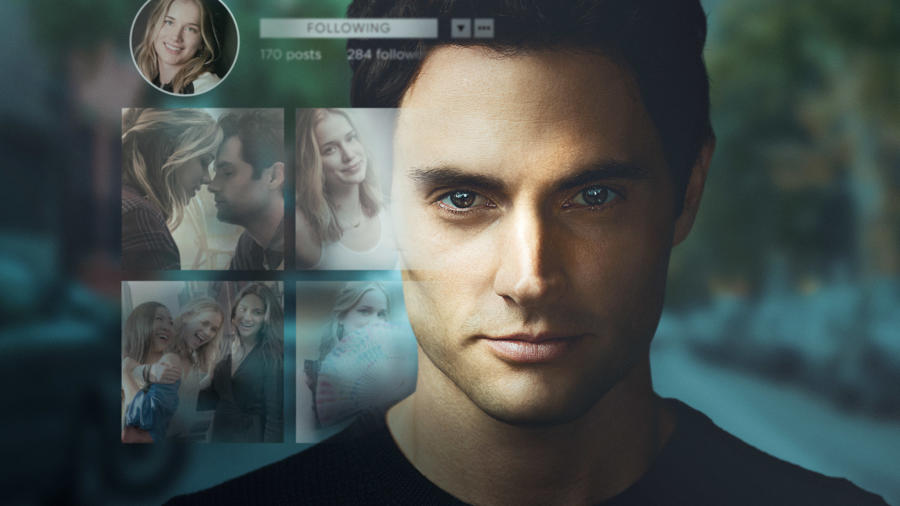
On Sept. 9, 2018, Netflix introduced the world to a new style of thriller and suspense with a show called “You”. The main character, Joe Goldberg, falls in love with a woman named Beck and makes it his mission to become her boyfriend. But in doing so, he follows her, sees her friends as obstacles and obsesses over her.

While the show captivates its audience, it also sheds light on the social issue of stalking. The show tackles this subject by telling the story through Joe’s perspective, allowing viewers to understand his actions; this has sparked some controversy because it’s easy for people to use this as justification for his actions. The bigger issue, though, is people romanticizing Joe’s character.

Following the show’s success, posts on social media comment on the physical attractiveness of Penn Badgley, the actor who plays Joe. One tweet from @MalikaPlays read, “kidnap me pls,” to which Badgley, under the twitter handle @PennBadgley responded, “No thx.”

However, the issue does not stop with “You”; it continues with an upcoming movie on Ted Bundy’s life: “Extremely Wicked, Shockingly Evil, and Vile. Scheduled to be released sometime in 2019, the movie trailer highlights the fact that Bundy was a conventionally attractive man, using his charm and charisma to sway people away from the belief he was a serial killer. Zac Efron being casted as Ted Bundy has many people split on the decision.

Humanities and English major, junior Never Retallack, believes that casting Efron as Bundy is “… pushing that charismatic factor a little too far.” She goes on to explain that this choice is “… taking away who Ted Bundy really was (because) it’s Zac Efron playing him.”

On the other end of the spectrum, Jasmine Morrow, a junior English major, thinks casting Efron is “more realistic than anybody else because of how attractive he is and he has a charming side.” With Morrow’s perspective, in order for the movie to capture the accuracy of Bundy, it makes sense to cast someone as idolized as Efron.

Regardless of the controversy, it is possible that Efron will attract many people to this movie. The more people who watch it, the better odds are that people will receive the message. We are entering a new era of television where serious issues are presented on entertainment platforms. Shows like “You” and Netflix’s Jan. 24 release centered around Bundy titled “Conversations with a Killer: The Ted Bundy Tapes” attempt to illuminate, enlighten, and educate audiences on the scope of these topics. But the controversy surrounding them and the tendency for some to warp the stories and misunderstand their messages can lead to the glorification of problematic and malicious people.


Contact the author at martinezs17@wou.edu

Photo courtesy of mylifetime.com
Review: Esmé Weijun Wang’s “The Collected Schizophrenias”

Chrys Weedon | Entertainment Editor

Esmé Weijun Wang has attended the prestigious institutions of Harvard University and Stanford University, and has an MFA from the University of Michigan. Wang is the winner of the 2016 Graywolf Press Nonfiction Prize, a published novelist and an experienced fashion blogger and editor. Wang also has schizoaffective disorder, bipolar type.

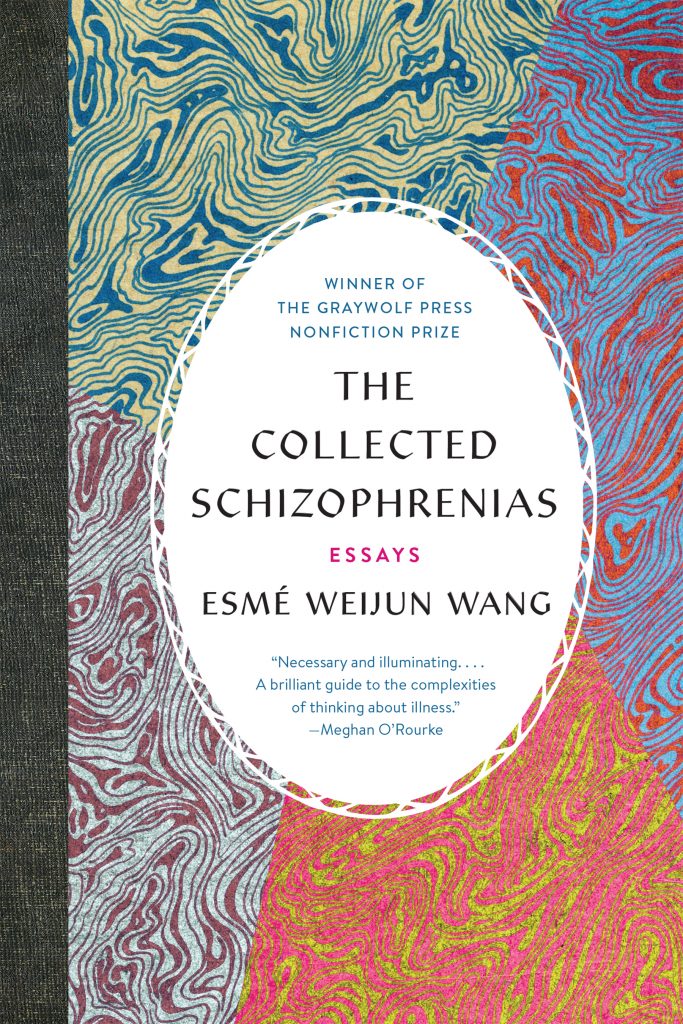
In her book “The Collected Schizophrenias,” Wang includes 13 essays concerning her life and what it’s like to live with schizoaffective disorder, bipolar type and late-stage lyme disease. The book starts with the essay “Diagnosis,” wherein Wang describes the science, and controversy, behind her diagnosis and related disorders such as bipolar disorder and schizophrenia.

Wang emphasized the importance of her diagnosis, even though some others with mental illness believe that diagnoses can be stigmatizing: “…I’ve always found comfort in preexisting conditions. I like to know that I’m not pioneering an inexplicable condition.”

In another essay, “High Functioning,” Wang discusses with brutal honesty the sensitivity she has about “appearing” ill. “I’m uncomfortable because I don’t want to be lumped in with the screaming man on the bus, or the woman who claims that she’s the reincarnation of God,” Wang wrote. The author wrote about how she often overcompensates with her fashion choices, so she can seem more high-functioning than she often feels.

Other essays cover topics including her choice to not have kids, how her psychosis has affected her life and higher education’s tendency to reject mental illness. Wang writes the fine line between accepting her mental illness as a large part of her life and being frightened of deteriorating and losing control of her life.

Wang’s writing is both relatable and informative — so little is known about schizophrenia and schizoaffective disorder, and misconceptions about the disorders run rampant. Wang’s transparency and eloquent writing style was truly a breath of fresh air for me, a person who also identifies as mentally ill.

“The Collected Schizophrenias” is a courageous and important piece of literature that looks at the complexity of mental illness through an intersectional lens. Wang’s most recent work describes what mental illness is like and reminds readers that a life with mental illness is worth living.

Overall rating: I would strongly recommend this book.


Contact the author at howlentertainment@wou.edu

Photo courtesy of graywolfpress.org

Western’s production of “Speech and Debate” starts a discussion about the secret life of teens

Chrys Weedon | Entertainment Editor

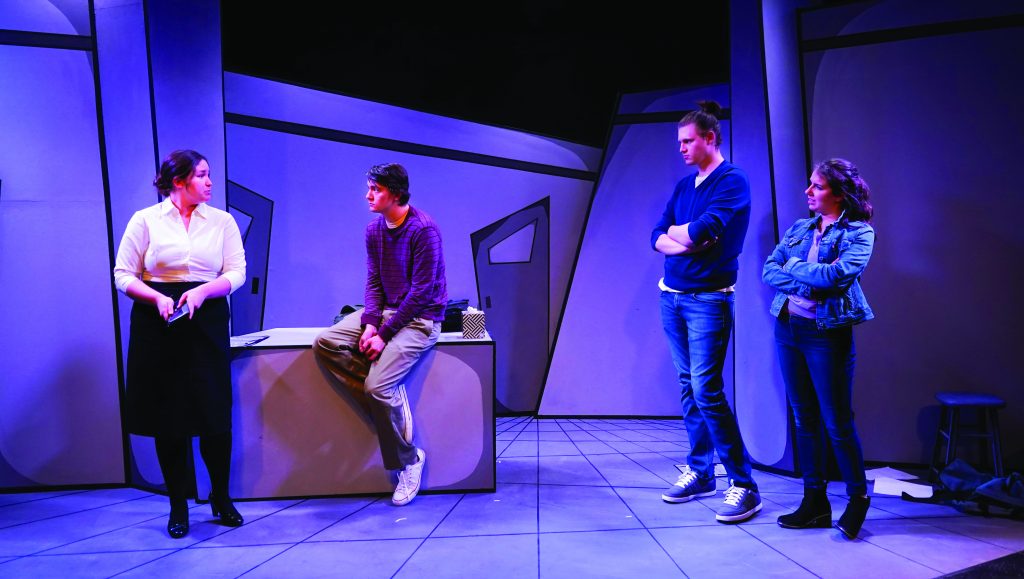
“Speech and Debate” follows three teens attending North Salem High School grappling with a sex scandal that is on the verge of imploding.

Madeline Weinstein, a junior theater major, attended the production.

“The characters (Diwata, an over-the-top wannabe high school actress pregnant with an unwanted baby, Howie, an openly gay high school student who goes on chatrooms with other gay men in order to hook up, and Solomon, a headstrong closeted gay student who is a reporter for the school newspaper) find their way into each other’s lives through the Speech and Debate club,” said Weinstein. Solomon, Diwata and Howie are brought together when Solomon, a tenacious reporter for the school newspaper, starts an investigation into the school’s theater teacher, Mr. Healy.

After hearing of the mayor’s inappropriate sexual contact with young men, Solomon starts building an article on the subject, much to the anger and chagrin of the school administration. Howie gets involved when he lets slip that he may have evidence against Mr. Healy. Diwata is reluctant to join in on the investigation, although she also has evidence against the teacher, and only agrees when the boys agree to become a part of the school’s new speech and debate club.

The play then follows Diwata, Howie and Solomon’s attempts to get the club funded by the school board, a process in which they have to prepare a mock debate presentation.

“The three students invite a reporter for the Oregonian newspaper to write about their presentation for Speech and Debate, and instead of addressing the actual problems that the students wanted, the reporter instead degraded them and said that this is what high-schoolers do in order to separate themselves from adults, and plugged her own book as well,” explained Weinstein.

The three students are all stubborn and strong-willed, and they bump heads often. Throughout the play, it is revealed that each of the speech and debate members have secrets of their own — secrets that could alter their lives in monumental ways.

This production follows tough topics such as sexual assault, sexual orientation and the lack of comprehensive sex education available to teenagers. “Speech and Debate” analyzes the ways in which American society fails it’s young people, refusing to speak to them frankly about substantial topics that affect their lives. The play tackles the important questions: is Oregon, and other states viewed as “liberal,” as open-minded as many people would like to believe? And are adults really keeping kid’s best interests at heart?

Some moments were laughable, while other moments were gasp-worthy. Overall, the production captures the essence of what it’s like to be a teenager: grappling with identity, personality and how they fit into the world — the subject matter is dark, but hauntingly realistic. The characters were familiar, with personalities that audience members may remember from their time in high school.

“I wasn’t so sure of what to expect when I went to see the show, so I came into the black box with an open mind,” said Weinstein. The main message, in Weinstein’s opinion, was: “to not be afraid of speaking up and doing what’s right.”


Contact the author at howlentertainment@wou.edu

Photo courtesy of Scott Grim

Staff picks: Favorite romantic movies

Chrys Weedon | Entertainment Editor

“Call Me By Your Name” (2018)

Based on a book of the same name, “Call Me By Your Name” is a movie following a young man named Elio who falls in love with a graduate student named Oliver. Oliver is staying with Elio’s family in Northern Italy, studying ancient sculptures for the summer. This film was nominated for best picture in 2018, and for good reason. The cinematography is superb and many important topics are explored, such as Judaism and how LGBTQ love was seen as forbidden at the time. Timothée Chalamet (Elio) and Armie Hammer (Oliver) are at an acting skill level that is matched in few other films.

Contact the author at cweedon16@wou.edu

Caity Healy | Editor-in-Chief

“My Bloody Valentine” (1981)

For those who know me, this choice comes at no surprise. I’ll take any opportunity I get to promote a classic horror film. Not a huge fan of romantic movies? This might just be your perfect Feb. 14 flick. It’s everything one could want in a cheesy 80s slasher — the holiday-hating deranged murderer wielding a pickaxe, who, in this case, has it out for anyone celebrating Valentine’s Day; the cliche one-liners, which in this movie come in the form of Valentine poems to warn of an imminent death; and the absolutely unnecessary amount of gore. What’s not to love?

Contact the author at chealy16@wou.edu

Kyle Morden | Digital Media Manager
“Crazy Rich Asians” (2018)

As a fellow Asian American, it is only befitting for me to recommend this movie. This film features an all-Asian cast, and it captures the true essence of what it is like to be a part of an Asian family — always having to live up to expectations. The story follows Rachel Chu as she meets her boyfriend’s crazy-rich family. Throughout the film, Rachel struggles to live up to the standards of her boyfriend’s mother. Although this movie might sound pretty dramatic, it’s a romantic comedy. You will be shedding tears of sadness and joy.

Contact the author at kmorden17@wou.edu

Rachel Hetzel | Designer

“The Princess Bride” (1987)

One of my all time favorite movies, “The Princess Bride,” is a witty fairy-tale adventure movie based on a novel by William Goldman. Buttercup is separated from her true love by Prince Humperdink, who plans to murder her and blame it on an opposing country to start a war. Her true love, Wesley, sets out to rescue her. Once reunited they must overcome the three dangers of the Fire Swamp: find the six fingered man, acquire a miracle and crash a wedding. This movie is inconceivably amazing, and I highly recommend it.

Contact the author at rhetzel18@wou.edu

Bailey Thompson | News Editor

“While You Were Sleeping” (1995)

If anybody is looking for a good old-fashioned romantic comedy that is not “The Notebook” or “When Harry Met Sally,” look no further than “While You Were Sleeping.” This hilarious and heartwarming story follows Lucy, a lonely ticket booth worker with no one in her life, as she finds a new family in the unlikeliest of ways. After saving a man’s life at her work, Lucy is mistakenly believed by his family to be the man’s fiancé. In the number of twists and turns that ensue, Lucy’s journey is one that will make you laugh, reminisce and admire the wonderful Sandra Bullock.

Contact the author at bthompson15@wou.edu

Ashlynn Norton | Photo Editor

“How to Be Single” (2016)

When it comes to Feb. 14, I’m the person who says “Happy birthday, Oregon” rather than “Happy Valentine’s Day.” Don’t get me wrong, I’m a romantic at heart, but I’m perpetually single so Valentine’s Day is not my fave. That’s why I recommend the rom-com “How to Be Single”. This movie is about four single women who are trying to go through life while being single. I love this film because it’s about finding yourself and how love looks differently for every person. You don’t have to be in relationship to be happy or feel love — just do what makes you happy.

Contact the author at anorton17@wou.edu


Photo courtesy of Paul F. Davis

Review: Netflix original “Velvet Buzzsaw” breathes life back into the slasher genre

Chrys Weedon | Entertainment Editor

Are you ready to be thrown back in time, to the age of slasher flicks with their dramatic cinematography and sense of impending doom? “Velvet Buzzsaw,” released on Jan 31, does just that. Featuring the talents of Jake Gyllenhaal, Toni Collette and Rene Russo, “Velvet Buzzsaw” brings old-school horror to a modern setting — the world of elite art.

This film begins with the secretary for an artist manager, Josephina, finding a collection of mesmerizing paintings when her elderly upstairs neighbor, Vetril Dease, dies. After being revealed to her boss Rhodora, the paintings are sold and showed in galleries, and Vetril Dease becomes one of the most talked-about artists in the scene.

In the beginning, all the audience knows about Dease is that his final wish was for all of his art to be destroyed. As Dease’s background is slowly revealed, he posthumously begins to take his revenge. Every person who used Dease’s art for personal gain is killed in a new and gruesome way.

“Velvet Buzzsaw” takes a satirical look at the world of the rich art elitist and adds in elements of suspense and murder, creating a slasher flick that was as nostalgic as it was unique.

For a Netflix original, the CGI was impressive. The cinematography was great, with its combination of wide shots and close-ups, along with dramatic zooms.

The sterile image of art galleries and the homes of the ultra-rich stood in stark contrast with the darkness and dirtiness of Dease’s art. The art focused heavily on the eyes — all of the figures in his paintings had their eyes closed or blurred out, almost like they had been gouged. Images of fire and smoke throughout the film were also significant, seen through the destruction of Dease’s pieces by fire and the abundance of smoking amongst the characters.

The dramatic imagery, obsession with revenge and satire within “Velvet Buzzsaw” made the movie an instant winner in my opinion. It had all the right qualities to make it a classically cheesy slasher film without seeming like just another sub-par remake. Also, It didn’t hurt that Jake Gyllenhaal was in it.

Overall rating: I would recommend this film to horror fans and newbies alike.


Contact the author at howlentertainment@wou.edu

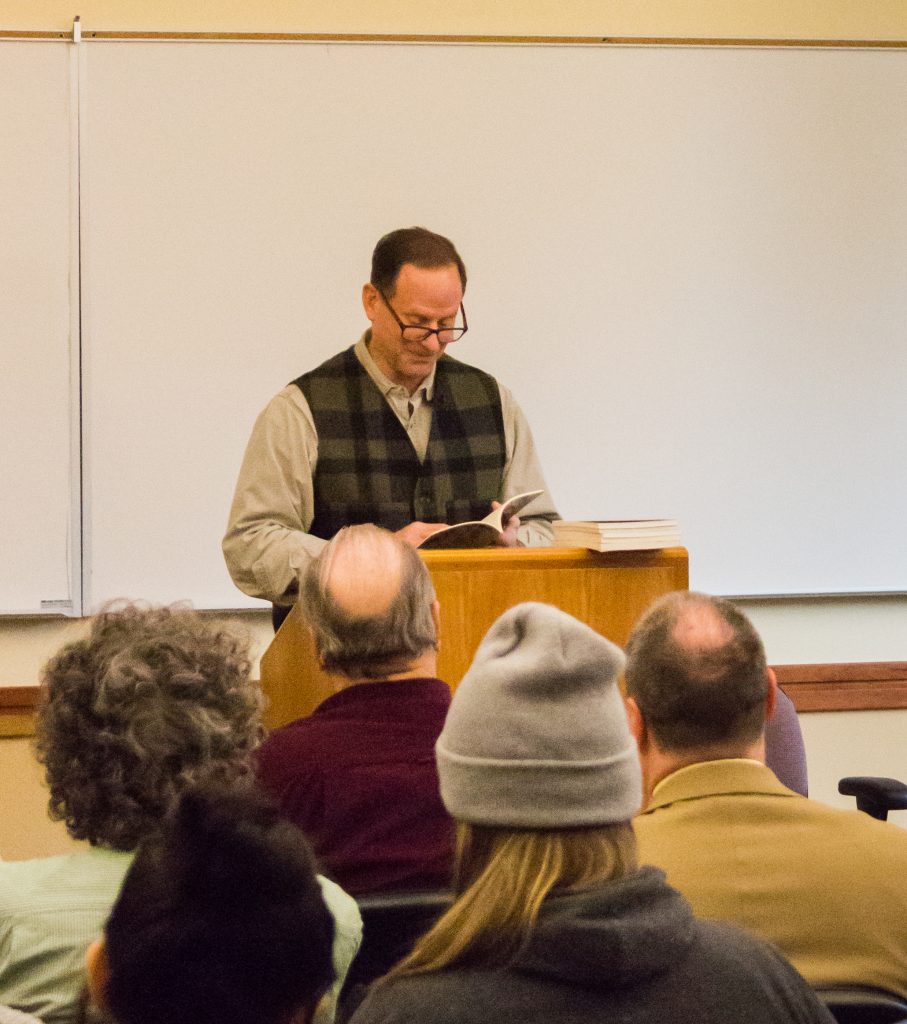
Guest poet Todd Davis gives a poetry reading at WOU

Chrys Weedon | Entertainment Editor

Born to two farmers from Kentucky and Virginia, Todd Davis grew up working beside his father as his veterinarian assistant and bonding over poetry. Today, Davis lives in Tipton, Pennsylvania and teaches creative writing, American literature and environmental studies at the University of Pennsylvania. He spends much of his time outside, in the field collecting data to fuel his poetry.

Davis has written six full-length poetry collections, the most recent of which is titled “Native Species.” Davis writes of the visceral, potent habits of nature and often utilizes memory to tell his stories.

Davis started writing poetry when he entered college. Since then, according to Davis’s website, todddavis.com, over 300 of his poems have been published in a variety of magazines, including American Poetry Review and Poetry Daily. On Feb 4, in Hamersly Library room 107, Davis gave a poetry reading that was open to the public.

“Death is something I’ve always written towards in my poems, trying to make peace with it,” said Davis as he prefaced a poem he read called “Homily.”

Half sermon, half poetry reading, Davis’s event was incredibly silent, reflecting how his words captured the attention of Hamersly 107, a room packed with onlookers. His poems drew inspiration from many different sources, such as John Coltrane, Judeo-Christian theology, James Wright and his own family and students.

In his poetry, Davis faces many questions, like “are humans an invasive species?”, “how will we give our bodies back to the Earth when we die?” and “is death really an end or a transformation?” But these complex ideas are translated through simple language, bringing an accessibility to Davis’s poetry that some other, more traditional poets may avoid.

Davis left the crowd with a poem that he recited as a blessing: “Being a man who has seen no angels, and who at times doubts what he’s been told in church, I’ll simply ask what the poet asked: that God would make this world as beautiful to you as it has been to me.”


Contact the author at howlentertainment@wou.edu

Photo courtesy of Ashlynn Norton

2019 Oscar nominations and demographics

Chrys Weedon | Entertainment Editor

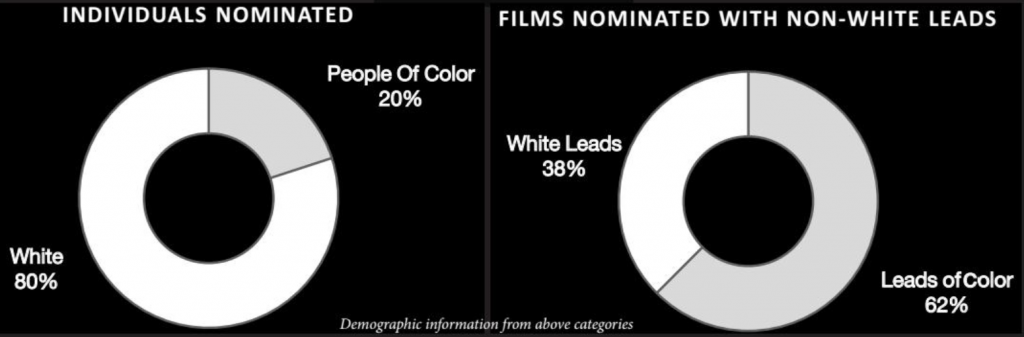
In 2016, outcry from celebrities and audiences alike started the twitter trend #OscarsSoWhite — a hashtag addressing the fact that all 20 actors nominated for lead and supporting roles for the year 2016 were white. There were also several movies featuring actors of color that were looked over for nominations, such as “Beasts of No Nation.” Suffice it to say, the Oscars don’t have the best track record for diverse nominations. But how diverse are this year’s nominees?

Although every nomination by the academy is seen as prestigious, the categories shown in this graphic are some of the most anticipated by audiences. These categories also provide the most visibility to those nominated, and are historically how diverseness of the awards are gauged.

[fruitful_tabs type=”accordion” width=”100%” fit=”false”]
[fruitful_tab title=”Best Picture”]

“Black Panther,” Kevin Feige, Producers

“BlacKkKlansman,” Sean McKittrick, Jason Blum, Raymond Mansfield, Jordan Peele and Spike Lee, Producers

“Bohemian Rhapsody,” Graham King, Producer

“The Favourite,” Ceci Dempsey, Ed Guiney, Lee Magiday and Yorgos Lanthimos, Producers

“Green Book,” Jim Burke, Charles B. Wessler, Brian Currie, Peter Farrelly and Nick Vallelonga, Producers

“Roma,” Gabriela Rodríguez and Alfonso Cuarón, Producers

“A Star is Born,” Bill Gerber, Bradley Cooper and Lynette Howell Taylor, Producers

“Vice,” Dede Gardner, Jeremy Kleiner, Adam McKay and Kevin Messick, Producers

[/fruitful_tab]

[fruitful_tab title=”Actor in a Leading Role”]

Christian Bale, “Vice”

Bradley Cooper, “A Star Is Born”

Willem Dafoe, “At Eternity’s Gate”

Rami Malek, “Bohemian Rhapsody”

Viggo Mortensen, “Green Book”

[/fruitful_tab]

[fruitful_tab title=”Actor in a Supporting Role”]

Mahershala Ali, “Green Book”

Adam Driver, “BlacKkKlansman”

Sam Elliott, “A Star Is Born”

Richard E. Grant, “Can You Ever Forgive Me?”

Sam Rockwell, “Vice”

[/fruitful_tab]

[fruitful_tab title=”Actress in a Leading Role”]

Yalitza Aparicio, “Roma”

Glenn Close, “The Wife”

Olivia Colman, “The Favourite”

Lady Gaga, “A Star Is Born”

Melissa McCarthy, “Can You Ever Forgive Me?”

[/fruitful_tab] [fruitful_tab title=”Actress in a Supporting Role”]

Amy Adams, “Vice”

Marina De Tavira, “Roma”

Regina King, “If Beale Street Could Talk”

Emma Stone, “The Favourite”

Rachel Weisz, “The Favourite”

[/fruitful_tab] [fruitful_tab title=”Cinematography”]

“Cold War,” Łukasz Żal

“The Favourite,” Robbie Ryan

“Never Look Away,” Caleb Deschanel

“Roma,” Alfonso Cuarón

“A Star is Born,” Matthew Libatique

[/fruitful_tab] [fruitful_tab title=”Directing”]

“BlacKkKlansman,” Spike Lee

“Cold War,” Paweł Pawlikowski

“The Favourite,” Yorgos Lanthimos

“Roma,” Alfonso Cuarón

“Vice,” Adam McKay

[/fruitful_tab] [fruitful_tab title=”Writing (Original Screenplay)”]

“The Favourite,” Written by Deborah Davis and Tony McNamara

“First Reformed,” Written by Paul Schrader

“Green Book,” Written by Nick Vallelonga, Brian Currie, Peter Farrelly

“Roma,” Written by Alfonso Cuarón

“Vice,” Written by Adam McKay

[/fruitful_tab]
[/fruitful_tabs]

Contact the author at entertainmenteditor@wou.edu

Designed by Brittany Figueroa

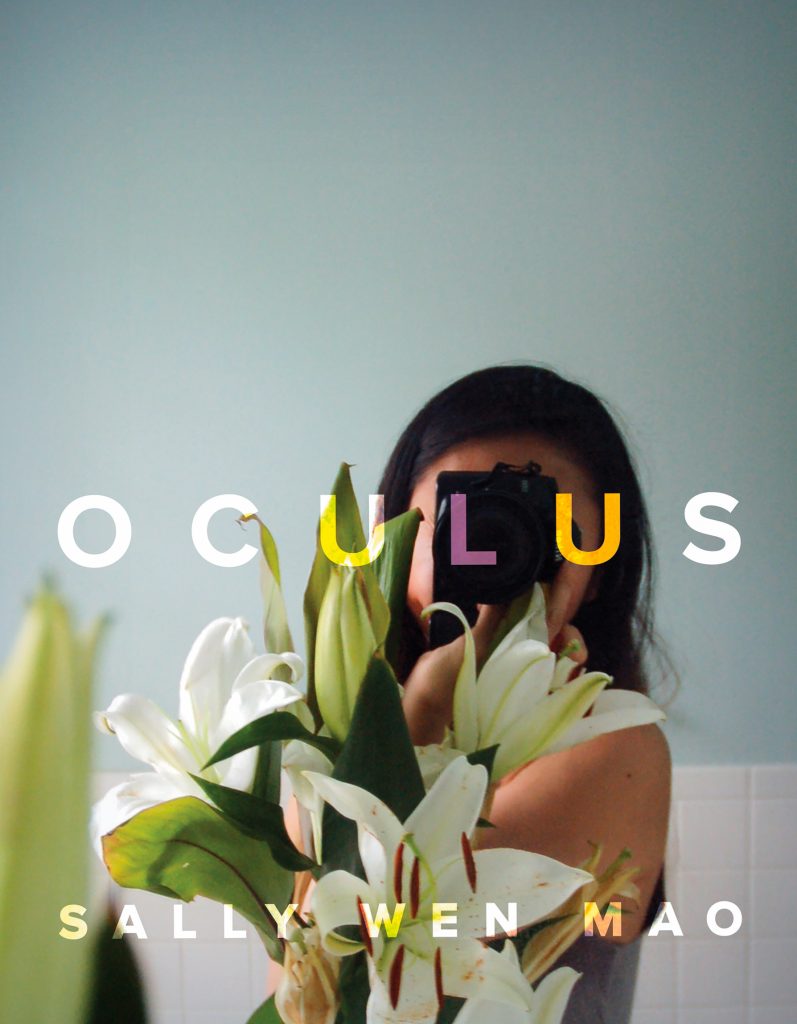
Review: “Oculus”

Chrys Weedon | Entertainment Editor

“For all my sisters” reads the dedication of Sally Wen Mao’s newest collection of poetry, “Oculus.”

In this her second collection of poems, released Jan 15, Mao weaves a complex story of technology, patriarchy, racism and time. Each poem is well-researched — not a single poem stands alone, but fuses into the landscape and context of a much bigger picture. Whether it be how technology has grasped our lives or describing the history of racist Asian caricatures in American cinema, every poem is carefully penned and laced with morbid imagery.

A series of poems throughout the book follows the imaginary journeys of actress Anna May Wong, considered the first Chinese-American actress in the United States, through time. Given the power of a time machine, Wong migrates through time and the history of American cinema, witnessing the way the industry typecasts and violates Asian people through racism.

Wong sees how Chinese women’s bodies are objectified and rejected simultaneously. Different Asian cultures are often appropriated in American shows and movies, but, as Mao focuses on in her writing, many Asian characters are portrayed by white actors in yellowface. Over the course of her journey, actress Wong travels beyond her death, and through Mao’s wit and style, calls for a reclamation of her culture and narrative.

In a poem that gives her book its title, Mao described how a young woman in Shanghai posted her suicide to Instagram in 2014. In the last section, Mao wrote a second poem under the same title, cataloging her experience watching Solange perform at the Guggenheim museum, the most photographed place in the world. Mao intricately analyzes, in these and other poems, how technology has morphed into a third limb for many, turning society into a sort of cyborg which catalogs everything.

In her poem “After Nam June Paik,” Mao wrote: “On the LCD screen, I offer light but no breath/ I author breadth but no depth/“… the surveillance camera records our prettiest nightmares.”

Mao’s poetry is eerie, brutal, futuristic and stunning. Mao writes on topics many find difficult to discuss, but shifts focus on what could be and what is to come. This collection truly is unique.

Overall rating: I would strongly recommend this book.


Contact the author at howlentertainment@wou.edu

Photo courtesy of graywolfpress.org

Civil rights film series on campus

Chrys Weedon | Entertainment Editor

Civil Rights Film Schedule:
Jan.30 Eyes on the Prize (Continued episodes)
Feb. 6 Freedom Riders (Famous bus trips across the South in support of desegregation)
Feb.13 The Black Panthers (A documentary on the Panthers and their demise)
Feb. 20 A Good Day to Die (The story of Dennis Banks and the American Indian Movement)
Feb. 27 Incident at Oglala (The Leonard Peltier story of injustice on the Pine Ridge Reservation)
Mar. 6 American Outrage (The struggle of Western Shoshone women for tribal rights)
Mar. 13 The People Speak (Howard Zinn and friends provide a critical, social movement based history of the  U.S.)

The three months that make up winter term hold within them many significant dates: the anniversary of the women’s march (Jan. 20, 2018), Martin Luther King Jr. day (Jan. 21) and Black History Month (February), to name a few.

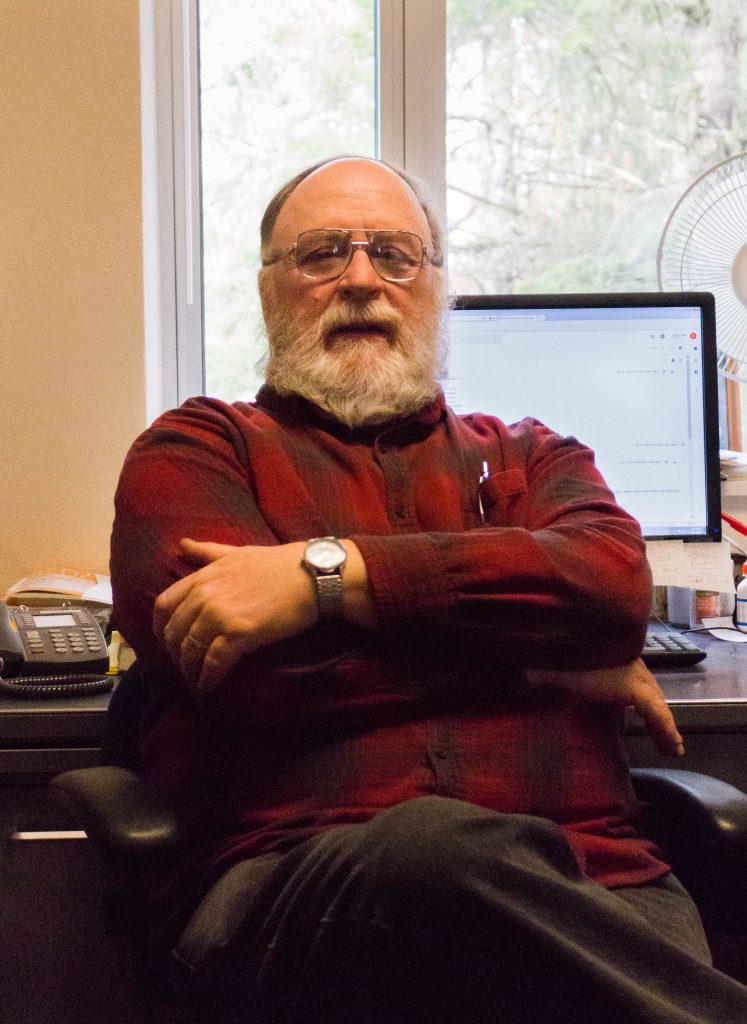
Winter Term also offers a class that focuses on film from the civil rights movement. For six years, Dr. Dean Braa has been teaching Sociology 407.

“I invented it, sort of. Years ago (the sociology department) had a discussion and we discovered that a lot of students, most students, didn’t know anything about the civil rights movement,” commented Dr. Braa. “Not many students have that opportunity, and we have looked at US history books … and most of the US history books I use, even around here, say little or nothing about civil rights.”

The film series is open to everyone, no matter if they are registered for the class or not. Participants watch 12 films across the term, including the documentary series “Eyes on the Prize” and documentaries following the Native American civil rights movement.

“We try to make it fun, I tell people ‘bring popcorn, bring snacks, bring your dinner if you want to,’” said Dr. Braa.

In the 50 years since Dr. Martin Luther King Jr’s death and the 37 years since the end of the Black Panther Party, civil rights film has been replayed in educational settings across the country. But why is rewatching this film so important?

“Well (the class) raises consciousness about social movements, it raises consciousness about racism and how terrible it is … this racism wasn’t just in the south,” explained Dr. Braa. Watching films from and about the civil rights movement is not only educational, but can teach about present-day movements as well. Dr. Braa discussed, “(injustice) is still going on now. We haven’t fixed it … (the film series) serves to show a connection; we gotta keep this movement going.”

Film and other art that was born out of the civil rights movement can show how successful social change happens.

“You want people to understand, positive change doesn’t usually come from within government, it comes from outside,” said Dr. Braa. Film from this specific period of American history shows that change usually happens when the status quo is upset.

“Social movements that kind of threaten government or put government under duress, that’s where positive change comes from,” remarked Dr. Braa.

A film is shown every Wednesday night from 5:30 to 8:00 p.m. in the Health and Wellness Center in room 203. All are welcome to attend.

“What we hope you’ll take from this: to see (America’s) past but apply it to the present and see we still need to make some big changes,” concluded Dr. Braa.


Contact the author at howlentertaiment@wou.edu

Photo courtesy of Ashlynn Norton

Dodie Clark’s “Human” EP review

Chrys Weedon | Entertainment Editor

Back in 2007, Dodie Clark started started posting her original songs — and covers — onto her Youtube channel, doddleoddle.

Since the its birth, Clark’s main channel and second channel, called doddlevloggle, have blown up, becoming a staple on Youtube. Hailing from Essex, England, Clark writes and performs on a variety of instruments, including ukulele, guitar and piano. On her first channel, Clark has over 1.7 million subscribers and has surpassed 200 million views; her second channel has seen similar success, with more than 900,000 subscribers and 100 million views, according to socialblade.com. Clark also has a VEVO channel, dodieVEVO.

Clark has released three EPs over the years, including “Intertwined” and “You.” Her most recent EP, released on Jan 18, is titled “Human,” and like her other EPs, was self-released. The title track to the album was released in September as a single and a teaser for her new project.

“Human” includes seven songs, most of which are studio-recorded versions of acoustic songs that Clark has posted on her Youtube channel previously.

The EP has a newly recorded version of Clark’s song “She,” which is arguably her most well-known song. “She” tell the story of Clark’s infatuation with a female friend and her struggle with accepting her sexuality.

This very personal collection of songs analyzes complex emotions and themes such as falling back in love after being hurt, losing friendships and the crushing pressure and guilt that often comes with internet fame. Clark’s intense vulnerability and her superb writing ability have only gotten better with age. When an audience gets to witness one of their favorite artists grow and mature through their music, the bond between them grows stronger.

The stringed instruments layered into the background and the vocal harmonies add a new depth to Clark’s songs. Clark has managed to keep the simplicity in her music that attracted her fanbase in the beginning, but she has also incorporated a new complexity that keeps her EP fresh.

Overall rating: I would recommend this album.


Contact the author at howlentertainment@wou.edu

Photo courtesy of dodie.co


Art on campus: “Soliloquy”

Chrys Weedon | Entertainment Editor

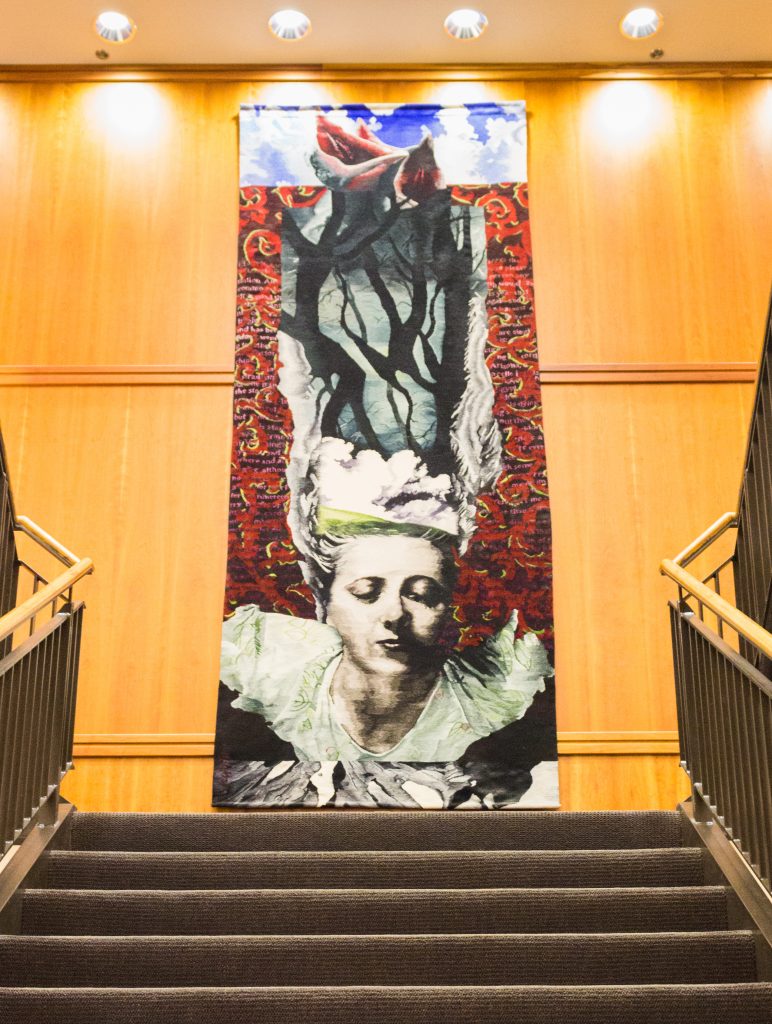
In the first stairwell of Hamersly Library hangs an intricate tapestry that many students may not give a second glance. “Soliloquy” by Shelley Socolofsky has been living in the library since it opened its doors. The art piece was commissioned specifically for the library as a part of the Percent for Art program.

The Oregon Arts Commission started the Percent for Art program in 1975, when it applied only to Marion and Polk counties. The program legislates that any building with a budget of $100,000 or more must set aside one percent or more of their budget for public artwork. In 1977, the legislation took effect in all Oregon counties.

Shelley Socolofsky is currently based in Portland, Oregon. According to her website, shelleysocolofsky.com, “informed by long histories of textile production with its orientation to pattern and decoration, her work explores the material, conceptual and poetic nuances of ‘craft’ through a hybrid practice incorporating both digital technology and analogue hand processes.”

“Soliloquy” is a tapestry in Gobelin Tapestry style, a technique born from Les Manufactures des Gobelins in Paris and Uzes, France, where Socolofsky completed an apprenticeship. According to Hamersly Library’s website, Gobelins is a tapestry style that was developed during the middle ages in Europe from cloth making traditions developed over centuries.

“Part of why I like it so much is that it’s huge, and it represents so much work,” said Paula Booth, an art professor and director of the Cannon Gallery of Art in Campbell Hall, “I also find that it looks totally different when you’re standing at a distance.”

The tapestry features a woman whose head opens into a cloudscape. Flowing upward, clouds turn into tree branches and finally the top of the tapestry sits baby birds, mouths agape. The pieces represents the hunger for new knowledge, open-minded thinking and the search for new ideas. Woven behind the image of the woman are excerpts from an Anne Sexton poem; the words are very subtle and visible only at a semi-close distance. The tapestry captures the mission statement and vision of a library — the pursuit of knowledge and exposure to new ideas.


Contact the author at howlentertainment@wou.edu

Photo courtesy of Ashlynn Norton

Youtube channel Girls Play features WOU alumnae

Chrys Weedon | Entertainment Editor

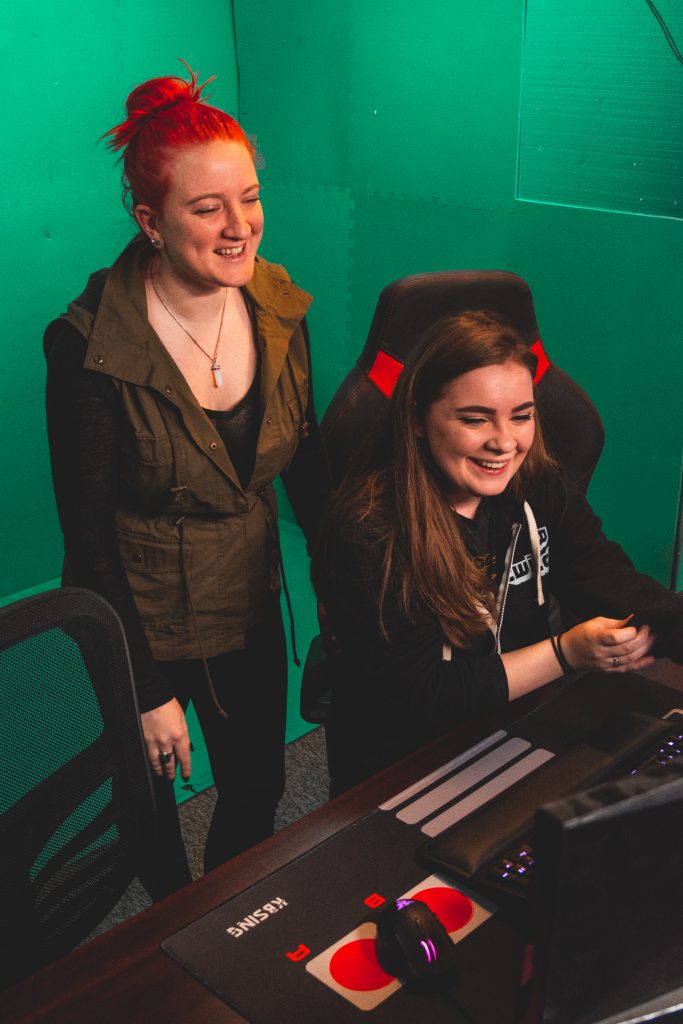
According to the 2016 census, Monmouth’s population is about 10,000 people. The Girls Play Youtube channel’s subscriber count currently sits at about 246,000, which is 24 times more people than the population of Monmouth.

Girls Play is a channel that has been building a following for six years. The group also has a considerable following on Twitch, a streaming channel where viewers can interact live with streamers. Many women have joined and left the channel over the years, but the current team is about 10 people. One of the original members, Larson, was working at Target and attending Western when the channel was born.

“One of my friends realized ‘hey, there’s no girls in this platform, and especially a group. How cool would it be if we could get a group of girls in this niche that’s starting to grow and see what we could do with it?’” said Larson.

The channel started in a bedroom, and in the beginning it was just a hobby. Larson commented that for the first four years, she was only recreationally making videos while also working and going to school. But as their following grew, it became a full time job.

“I’ve only been full time two-years with this,” Larson commented, “it was very hard. Even though we look big and professional now, it’s still a struggle and I don’t think a lot of people ever realize that the struggle at the beginning is real.”

Natalie Doerfler, a junior theater major at Western, joined the channel about a year ago.

“Now people are recognizing Youtube and Twitch as actual jobs and you get paid to do them,” Doerfler said.

Although maintaining the channel takes a lot of work, Natalie enjoys being able to do something she loves.

“It’s become about just hanging out with friends on a Youtube channel and on Twitch, and just being able to play video games,” commented Doerfler.

The Girls Play channel has videos on a diverse group of video games.

“We’re… variety, which was originally why we liked the idea of the girl group,” said Larson, “because you have so many different personalities, whereas a lot of channels especially are very solo focused.”

Specific challenges come along with being a group of women online in a Youtube genre that is dominated by men.

“There are gonna be the men who come into chat and talk about how much makeup you’re wearing and how distracting it is,” said Doerfler, “and then you’ll have another guy come into maybe a different stream where you’re wearing a little bit less makeup and they’ll judge you for how little makeup you’re wearing.” But, in the end, the girls say that the community they’ve built is worth everything.

“We are completely relying on the community to keep (the channel) going,” Larson said.

Doerfler said the most important thing about the channel to her was to engage with other women within the gaming community.

“I think it’s important to show men that, hey, this is happening and it’s okay for you to enjoy this as well,” said Doerfler. “I just want people to see that women are having fun with video games just as much as men.”


Contact the author at howlentertainment@wou.edu

Video courtesy of Chrys Weedon

Photo courtesy of Paul F. Davis

Folk musician John Gorka visits Western

Chrys Weedon | Entertainment Editor

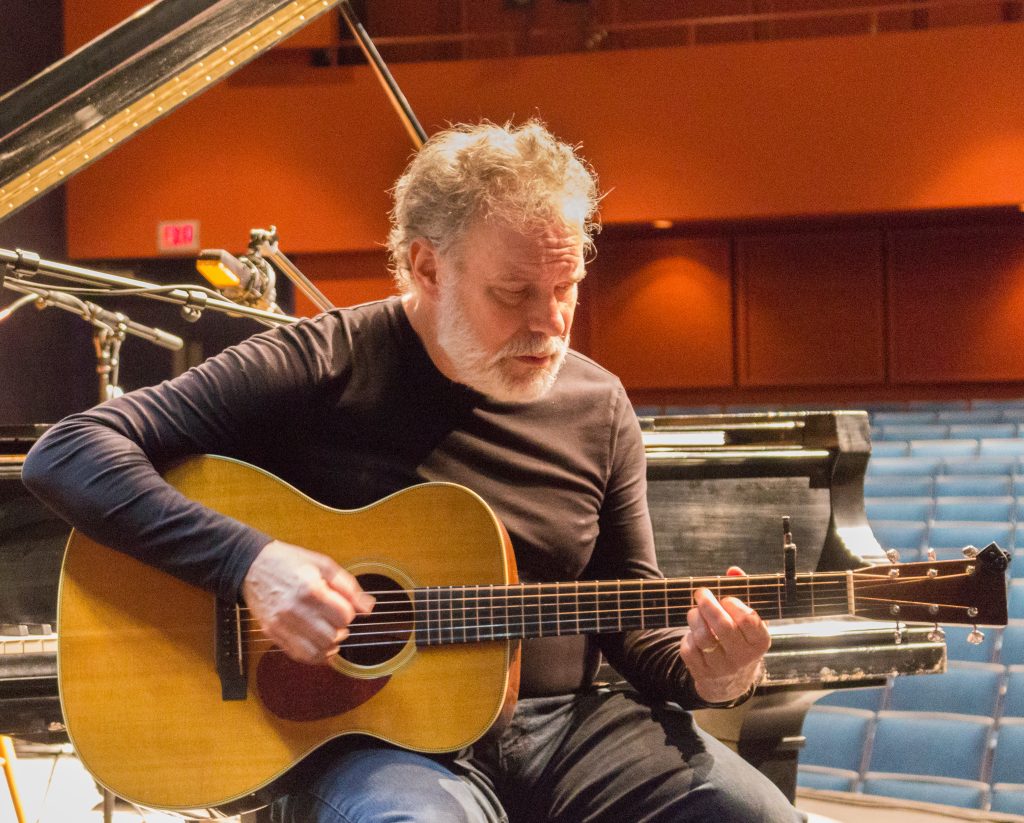
John Gorka was born into the world of music in a small coffeehouse in Pennsylvania in the 1970s. The coffeehouse, Godfrey Daniels, was a hotspot for musicians and a place that Gorka frequented often, even living in the basement for a time. There at Godfrey Daniels, he met a myriad of musicians who inspired him and he quickly started writing his own music.

Gorka’s first album, “I Know,” was released in 1987. He released his 14th album on January 19, 2018.

Gorka visited Western on Jan. 18 as a visiting artist. As part of the Smith’s Fine Arts series, Gorka came to play his music and share the wisdom he has gathered through his years of making music and touring.

“Of course, I’ve been influenced by mainstream stuff. But I think of myself as something of an insider, and I have always felt that it was better to really strongly affect a small number of people, than to reach a big number of people only superficially or temporarily,” said Gorka in a story in the Huffington Post by journalist Brian D’Ambrosio.

Gorka’s songs are strongly characterized by the storytelling element. Each song takes the listener on a journey. Songs like “Mennonite Girl” and “Edgar the Party Man” are both examples that show off Gorka’s storytelling abilities. Along with his more structured, storytelling songs, Gorka has multiple pieces that are more funny and lighthearted, like “People my Age” and “Like my Watch.” On stage, Gorka is jovial, cracking jokes and telling stories about his travels and his music career.

Behind the scenes, however, Gorka is shy and subdued. Earlier in the afternoon on Friday, Jan 19, Gorka held a song writing workshop to impart his knowledge of the craft and share his writing techniques. He often deflected attention to his instruments and his songs.

“Personally, I wanted to push myself out of my comfort zone,” commented Sage Kiernan-Sherrow, a junior pursuing an English degree with a literature concentration.

“What I got out of it was that you have to be comfortable forcing yourself to create even when you don’t want to,” said Kiernan-Sherrow, “and experimenting with your work when you’re stuck.”

The songs of John Gorka are clearly products of many different influences, but they all have a strong theme of honesty through each one of them. Each melody, each lyric, feels like a secret memory or poem. Gorka’s music can be found on Spotify and iTunes. His website can be found at johngorka.com.


Contact the author at howlentertainment@wou.edu

Photo courtesy of Ashlynn Norton

Book review: “The Water Cure”

Chrys Weedon | Entertainment Editor

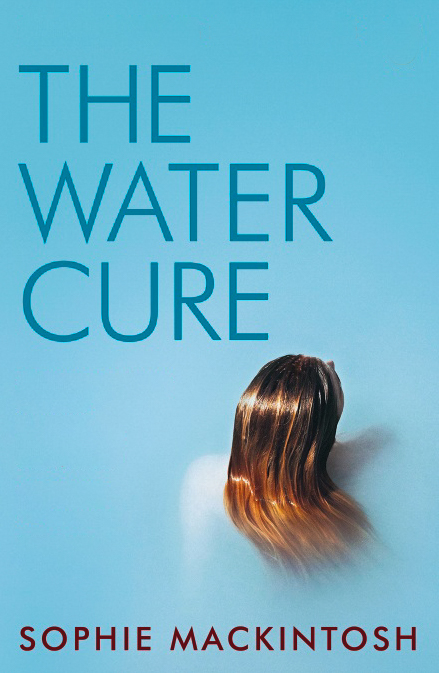
“If the men come to you, show yourself some mercy. Don’t stick around and wait for them to put you out of your misery.” These are the words of King, the caretaker and creator of a supposedly utopian compound in a world that is plagued by male violence and intense radiation. Here, with their mother, three women liver: Grace, Lia and Sky. King has vanished, apparently killed by the dangerous world outside.

Only Grace still has faint memories of the outside world. Lia and Sky were too young to know what the world is really like. Convinced from a young age that certain death awaited them beyond the borders of the compound, the girls stay with their mother and reminisce about the past, about the years when women would travel to them by sea to be healed.

In order to be cleansed, guests would endure different “therapies” of King’s own design. These included purging, being held underwater for as long as possible before drowning, and burning effigies representative of each woman’s trauma. These all led up to a final therapy — the water cure. For a final time, a woman deemed truly healed would be held underwater within an inch of drowning; if she survived, she was ready, and would travel back into the world.

Grace, Lia and Sky grew up enduring these therapies, all the while learning of the violent and chaotic nature of men, who would hurt you if they got the opportunity. When three men wash up on their shore, tensions rise and the sisters are forced to adapt to their new lives among them. When their mother disappears, the girls start to understand their own strength and capacity for desire.

Author Mackintosh’s descriptive ability and complex writing makes this novel intriguing. The many layers and metaphors in the novel deserve a comprehensive analysis. The distinctive voices of Grace and Lia, who take turns narrating the book, alternate so fluidly and naturally. Mackintosh clearly has a strong command of language. The fact that “The Water Cure” is her first novel is very promising.

Overall Rating: I would strongly recommend this book, but would advise caution. There is some imagery of abuse and sexual assault that could adversely affect some readers.


Contact the author at howlentertainment@wou.edu

Photo courtesy of penguin.co.uk

Student artist spotlight: Madeline Weinstein

Chrys Weedon | Entertainment Editor

Madeline Weinstein is a junior studying theater at Western Oregon. Originally hailing from Seattle, Washington, Weinstein didn’t have much enthusiasm for the idea of college after her graduation from high school.

“It’s really cheesy, but then I visited Western Oregon, I was very hesitant. And then I realized, this is a very friendly place. People are waving ‘hi’ to each other, even on the weekends,” Weinstein said.

After visiting Western, Weinstein knew she wanted to apply.

“My mom actually said something that is going to stick with me forever, and it’s: ‘pick a school where you feel comfortable walking into a room and feeling confident that someone would help you,’” commented Weinstein, “that was the deciding factor.”

Weinstein had plenty of acting experience when she started at Western. She acted in all twelve shows that her high school produced in her four years there. In fact, Weinstein’s main inspiration was her high school drama teacher. Because of that one teacher, she decided to get her bachelor’s degree in theater and then continue on to get her master’s degree in education.

Weinstein hopes to relocate back to Washington after graduating to teach high school drama; “I want to give back and inspire my high schoolers,” she remarked.

Since coming to Western, Weinstein has participated in multiple shows in a various number of capacities. As a first-year, she was responsible for the sound in Western’s production of “Shakespeare in Hollywood.” She has also been a part of paint crew, and has acted in one-acts and ten-minute plays.

“Even if I don’t get into the main stage shows, I know that there’s still a chance for me to act in the one-acts and the ten minutes,” said Weinstein.

Something that Weinstein loves about the theater program is that “they don’t always put the ‘perfect’ actors in there, they put people who they know can learn from the experience and… who can grow more.”

Overall, Weinstein’s experience in the artistic community at Western has been positive: “I’m not a number, I’m an actual person with a name.”


Contact the author at howlentertainment@wou.edu

Photo courtesy of Ashlynn Norton

Podcast Review: “Just Break Up”

Chrys Weedon | Entertainment Editor

If anyone could claim that they were addicted to podcasts, it would probably be me. I am a self-diagnosed podcast addict, and I have an endless supply at my fingertips; it seems like everyone and their mother has a podcast, and of course they do: everyone believes they have something important to say. I mean, I review stuff. I’m pretty much roasting myself here.

A recent addition to my arsenal of podcasts that I keep up with regularly is a show called “Just Break Up.” True to its title, the show tackles topics related to relationships, including friendships, familial relationships and romantic ones.

The first episode of the podcast was released on July 15, 2018. The two co-hosts are Sam Blackwell and Sierra DeMulder, two English majors based in Minnesota. Sierra DeMulder is also published poet and author of four books of poetry.

“Sierra and Sam hope to convey what they’ve learned throughout their own romantic journeys to bring comfort and support to others who might be going through similar situations,” said the podcast website, justbreakuppod.com.

Anyone can be endlessly validating, but that is not always healthy, and may even cause an unhealthy situation to continue. In my opinion, sometimes being stern while giving advice or expressing a perspective on an issue is key. My love of “Just Break Up” stems from the fact that Sam and Sierra manage to be validating while also being brutally honest. The co-hosts accept submitted letters from listeners and formulate thoughtful responses providing advice and support.

“They’re affirming and validating, but not to the point where they’re making excuses for the way we can act badly about relationships,” said Western alumna Danielle Durand, who introduced me to the podcast. “I learn something new about myself every time… And I find myself looking forward to Mondays every week now.”


Contact the author at howlentertainment@wou.edu

Photo courtesy of justbreakuppod.com

Rainbow Dance Theater

Chrys Weedon | Entertainment Editor

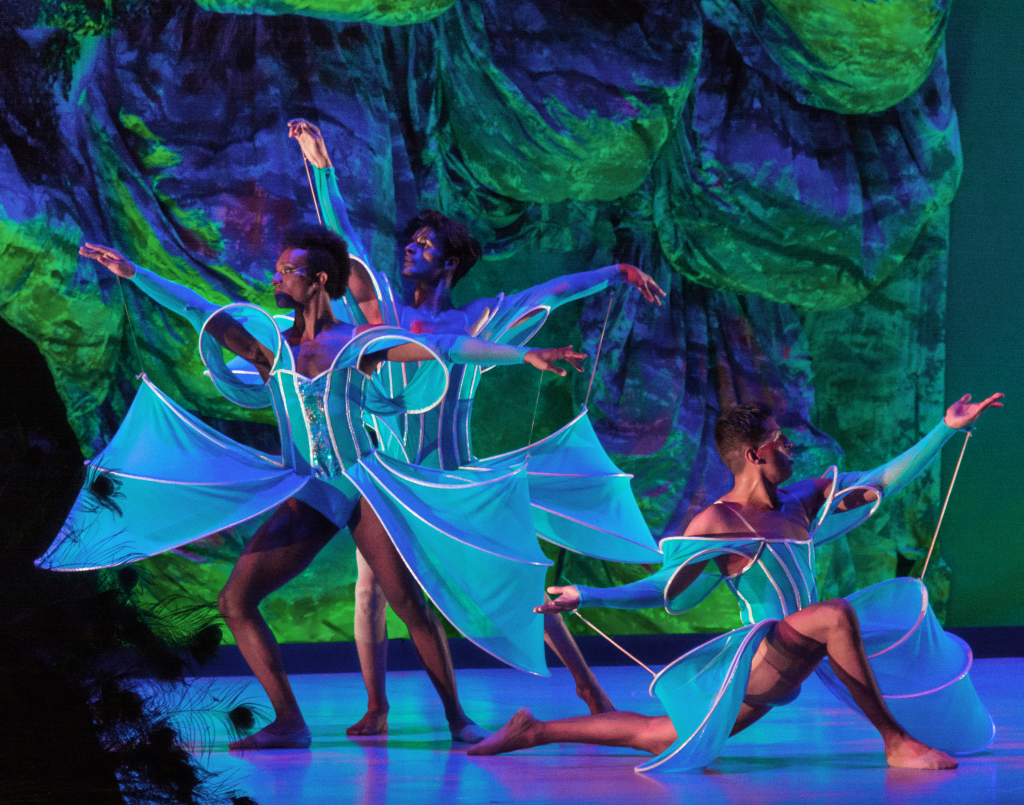
On the evening of Friday, Jan.11, students and community members alike packed into Rice Auditorium to experience the Rainbow Dance Theater. The RDT has been performing at Western since the year 2000, after the dance company moved from Honolulu, Hawaii, where it was founded.

Friday’s performance consisted of two separate dances, each telling a separate and unique story. Both dances were choreographed by Valerie Bergman and Darryl Thomas.

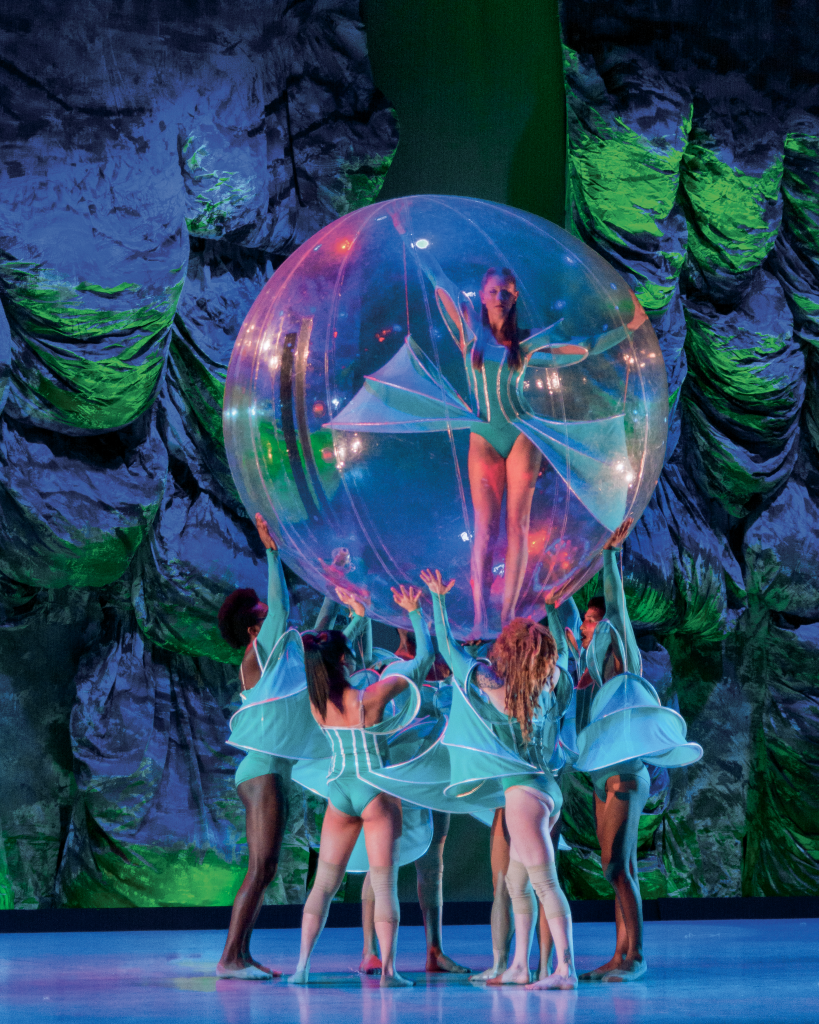
Act one, titled “Origins,” follows the development of life on Earth, starting within the darkness of the deep ocean. The audience witnesses the birth of single-celled organisms and their metamorphosis into more complex multi-celled beings and eventually primitive humans. The whole first act is submerged in complete darkness, with performers illuminated with suits of light. This type of dance is called “iLumiDance” by the dance company.

Act two, “The Garden of Earthly Delights” is a dance that was performed at the Spring term 2018 dance concert.

“Both music composition and choreography were inspired by the eponymous early 16th-century triptych by Hieronymus Bosch,” explained the program. This piece was set to an original scored by Leroy Osmon that was commissioned by the Salem Concert Band to be performed in early 2018.

This second act opens with Eve in the paradise that is the Garden of Eden. The audience follows as Eve loses her innocence, meets various animals and magical beasts and travels with Noah through the great flood. Throughout the dance, Eve is introduced to a world filled with eroticism and animal lust.

The end of act two sees Eve reappear, transformed into a peaceful and strong figure bringing the hope of peace and beauty in the chaotic world that was displayed throughout the performance.

Since its inception, the Rainbow Dance Theater has toured the globe, performing on multiple continents and throughout the United States. During a regular touring season, the RDT performs over 60 concerts. According to the concert program: “The Company celebrates diversity with its virtuosic style that fuses West African Dance, Haitian Dance, Hip Hop, Martial Arts with American Modern Dance.”

Earlier in the day on Jan. 11, the RDT gave a special performance for around 200 students aged from kindergarten through eighth grade. This interactive concert was performed as a part of the Smith Fine Arts’ Education Outreach initiative. The young students participated in a special demonstration that showed them how STEM processes are used to create new technologies within the dance world. A number of students were given the opportunity to create their own dance with a light-wire puppet.

RDT’s most recent performance is innovative kinesthetically and creatively. The technical complexity of the first act is truly amazing, as is the skill level of the dancers. Although the second act is a dance that Western has seen before, it is still just as complex and interesting as the 2018 performance.


Contact the author at howlentertainment@wou.edu

Photo courtesy of Ashlynn Norton


A year in review: Movie edition

Chrys Weedon | Entertainment Editor

According to the Motion Picture Association of America, an average of 600 movies are released every year in the United States. Out of those movies, only a handful of them stand above the rest. Although I couldn’t have possibly seen every movie released this year, I did make it a goal to see as many as I could. Below I will discuss four of my favorite movies of 2018. Reader beware: there may be spoilers.

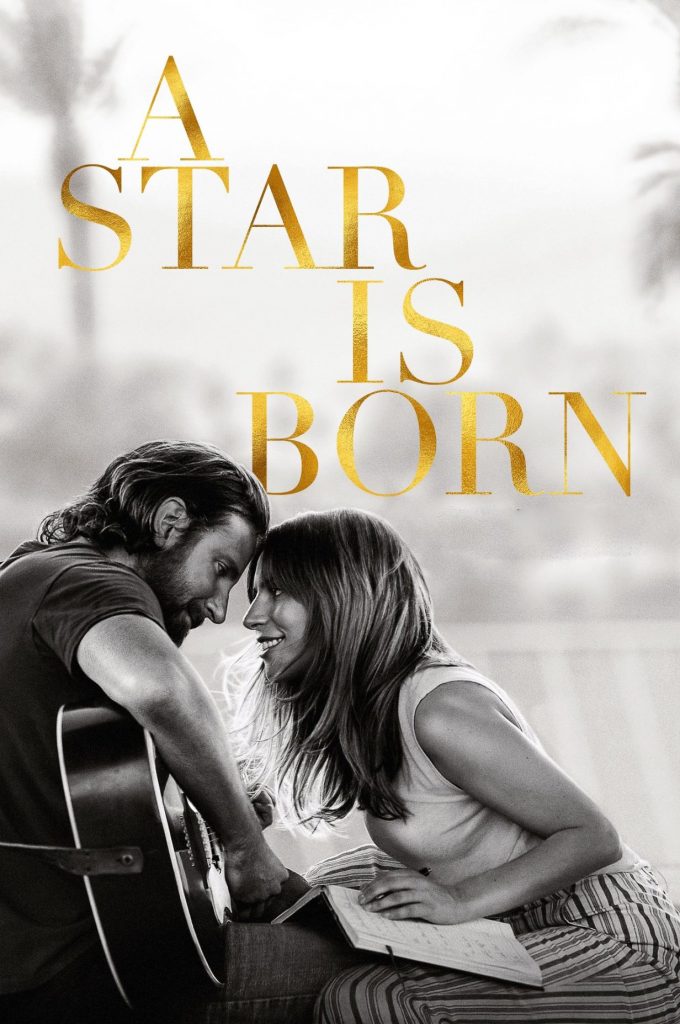
Fourth place: “A Star is Born”

So, in the interest of complete transparency, Lady Gaga could record herself watching paint dry and I would absolutely love it. With that in mind, I enjoyed this movie immensely. The movie is the fourth remake of the original 1937 movie starring Fredric March and Janet Gaynor. This new version is widely different from the previous versions, but it works.

Lady Gaga’s talent makes the film. I believe that many people went into theaters not expecting much from Gaga, as I did myself. I was very surprised to find, however, that she matches veteran Bradley Cooper’s acting skills. Her singing skills, however, blow Cooper’s out of the water. In my opinion, the only detriment to the movie is Bradley’s mediocre singing.

But where Cooper’s musical skills fall behind, he makes up for with his directorial vision. The cinematography is beautiful and accentuates the chemistry between Gaga and Cooper. Not only is the acting full of emotion, the way the movie is shot accentuates that emotion and drew me into the film.

Overall, I would give the movie a four out of five stars.

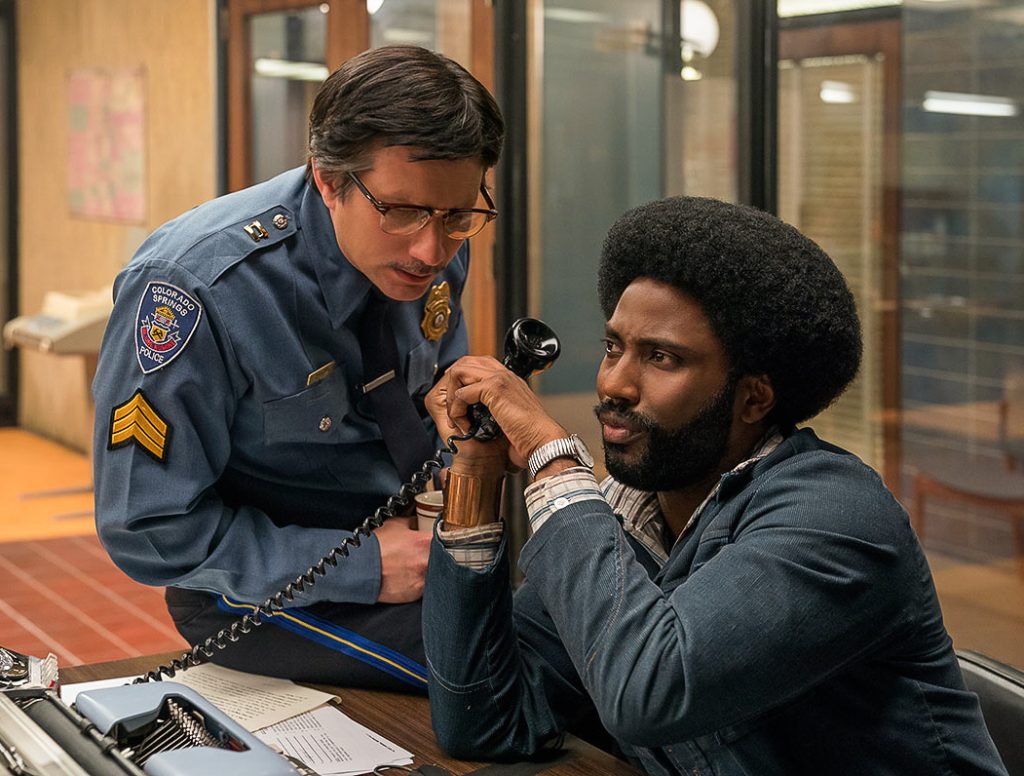
Third place: “BlacKkKlansman”

I consider this movie in my top four of 2018 not because it was fun to watch, but because it was hard to watch. The movie was difficult to digest because while it portrays the prevalence of the Klu Klux Klan in Colorado Springs in the 1970s, it connects the the present, in which racist rallies are still being held.

The movie was so impactful in my opinion because although it ends with a victory for the main character (based on a real person), there really is no happy ending. The movie ends with four minutes of video of the racist rally in Charlottesville in 2017. It really accentuates the political tension we are feeling in America today; it made me wonder how far we have really come.

I would rate “BlacKkKlansman” four out of five stars.


Second place: “Hereditary”

The release of “Hereditary,” I believe, raised the bar for the entire genre of atmospheric horror cinema. As someone who enjoys horror movies that do not rely too heavily on jumpscares (I have a higher tolerance for body horror, and I think less of movies that use jump scares as a crutch) I enjoyed this movie tremendously. Every element of the film came together perfectly and was executed with a level of skill that I believe is hard to match. The acting was superb (Toni Collette, you’re doing so good sweetie), and the use of color, depth of field and the development of three-dimensional characters combine to create a movie unlike what the horror genre has ever seen before. The film is a slow burn; a descent into madness.

The movie tackles so many complex things and weaves a story that isn’t too cluttered or too simple — easy mistakes to make in the horror genre. It is rare for a singular movie to change the landscape of a genre forever, but I believe that is what “Hereditary” has done.

Overall, I would rate this film five out of five stars.

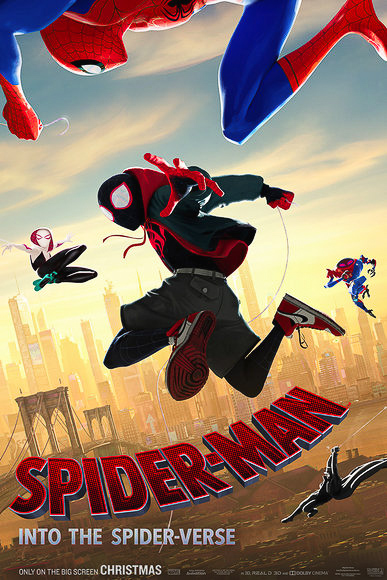
First place: “Spider-Man: Into the Spider-Verse”

I didn’t expect to be impressed by this movie, much less find it to be one of my favorite movies of the entire year. I’m not even much of a Spider-Man fan. But aside from the plot or characters, the animation alone would have shot this movie into my top four. I felt like I was inside a comic book. The animation is like nothing I’ve ever seen before, and the pure artistic talent within the movie is astounding.

Even though I am fairly new to the Spider-Verse, the movie was easy to become involved in, as the storyline is pretty accessible to people new to the Marvel universe. I even caught on to some of the smaller details from watching other, smaller Marvel shows, such as Daredevil. The Spider-Man humor is right up my alley and watching all the Spider-People interact was incredibly fun. John Mulaney is in it; who wouldn’t love that?

Overall, I would give this movie a five out of five stars.


Contact the author at howlentertainment@wou.edu

Photo courtesy of livenationproductions.com (“A Star is Born”), focusfeatures.com (“BlacKkKlansman”), sonypictures.com (“Spider-Man: Into the Spider-Verse”)

Analysis: “Birdbox” vs. “A Quiet Place”

Chrys Weedon | Entertainment Editor

In early April 2018, the box-office hit “A Quiet Place” premiered in theaters around the country. According to Forbes.com, the post-apocalyptic film made over $213 million dollars in less than a month.

Ushering in the end of 2018 was another movie about the end of the world along the same vein, “Birdbox.” Since its release on Dec. 23, “Birdbox” has been watched by 45 million Netflix accounts, according to Forbes.

Both films entertain the idea of an apocalypse in which humanity has to adapt to the “loss” of one of their senses; in “A Quiet Place” it’s hearing or sound.

“Many people in the deaf community (myself included) are cheering the film on…’” commented Pamela J. Kincheloe in her guest article on the Huffington Post website. While the movie is a refreshing take on horror, popular criticisms of the movie cite the fact that the film is catered only to hearing audiences.

“The scenes with ASL are captioned for the hearing audience, but the spoken scenes were not captioned for the deaf audience,” said blogger T. Frohock on his website tfrohock.com.

Another criticism of “A Quiet Place” centers on the closing scene of the film. In the end, mother Evelyn and her daughter Regan discover that the secret to killing the bloodthirsty aliens lies in Regan’s cochlear implant.

“It is the implant, not the signing deaf person, that is heroic,” said Kincheloe.

The biggest difference shown in “Birdbox” is that blindness, in the end, is seen as a true advantage in the new world. In this way, blindness isn’t portrayed as a disability, really. But where “Birdbox” improves upon “A Quiet Place” in certain arenas, it still falls flat in some ways.

“Instead of killing themselves in gratuitously gory ways… people with mental illnesses become literal agents of evil, obsessed with carrying out the monsters’ mission to destroy humanity,” commented writer Jess Joho in her Mashable article. So it seems that while “Birdbox” portrays one disability as a positive, it throws a whole other set under the bus.

While “A Quiet Place” and “Birdbox” are audience favorites, the way they portray disability leaves some wanting more.


Contact the author at howlentertainment@wou.edu

Photo courtesy of netflix.com (“Birdbox”), paramountmovies.com (“A Quiet Place”)

Upcoming on-campus entertainment

Chrys Weedon | Entertainment Editor

Jan. 11:

Event: Rainbow Dance Theatre

Description: The Rainbow Dance Theatre group returns to Western with two works entitled “iLumidance” and “The Garden of Earthly Delights.” The performance will feature dancers using ultraviolet light and electroluminescent wire. Western students get in for free. Tickets are $25 in advance and $30 the day of the show. Doors open at 6 p.m.

Location: Rice Auditorium


Jan. 17:

Event: “Mama Mia! Here we go again” sing-a-long movie night

Description: A showing of the second movie in the “Mama Mia!” franchise will be held from 6:30 p.m. to 8 p.m. Free popcorn and snacks will be provided.

Location: Werner University Center Willamette Room


Jan. 18:

Event: Visiting artist John Gorka

Description: John Gorka is a folk musician who released his 14th album in January of 2018. From 4 p.m. to 5 p.m., Gorka will hold a free songwriting workshop in which attendees will get his take on the craft. RSVPs are encouraged and can be found on the WOU event calendar webpage.

Location: Rice Auditorium


Event: John Gorka performance

Description: After his workshop, Gorka will perform his original music. Tickets are free for WOU students. Otherwise, they are $25 in advance and $30 the day of. Doors open at 6 p.m.

Location: Rice Auditorium


Feb. 4:

Event: Todd Davis poetry reading

Description: Environmental writer Todd Davis will come to WOU to meet with students and give a poetry reading. The reading is open to the public and starts at 4:30 p.m. This event is free.

Location: Hamersly Library room 107


Feb. 20:

Event: Paul Roberts concert

Description: WOU has invited musician Paul Roberts to perform for students and community members. Western students get in for free, and general public tickets are $8. The concert starts at 7:30 p.m.

Location: Smith Music Hall


March 5:

Event: Chamber and Guitar Ensembles

Description: The Chamber Ensembles, directed by Dr. Keith Karns, will perform in a concert with the Guitar Ensemble, directed by Christopher Woitach. The performance will start at 7:30 p.m. Western students are admitted for free, and the general public can purchase tickets for $5.

Location: Smith Music Hall


March 15:

Event: Western Oregon Voices

Description: Western Oregon Voices will perform their winter term concert. The ensemble’s performance will be directed by Dr. James Reddan. The concert starts at 7:30 pm. Public tickets are $5, and Western students get in for free.

Location: Rice Auditorium


This is not a comprehensive list of all the winter term arts events. To see more events, visit the Western events calendar at http://calendar.wou.edu/.


Contact the author at howlentertainment@wou.edu