
Mount Hood

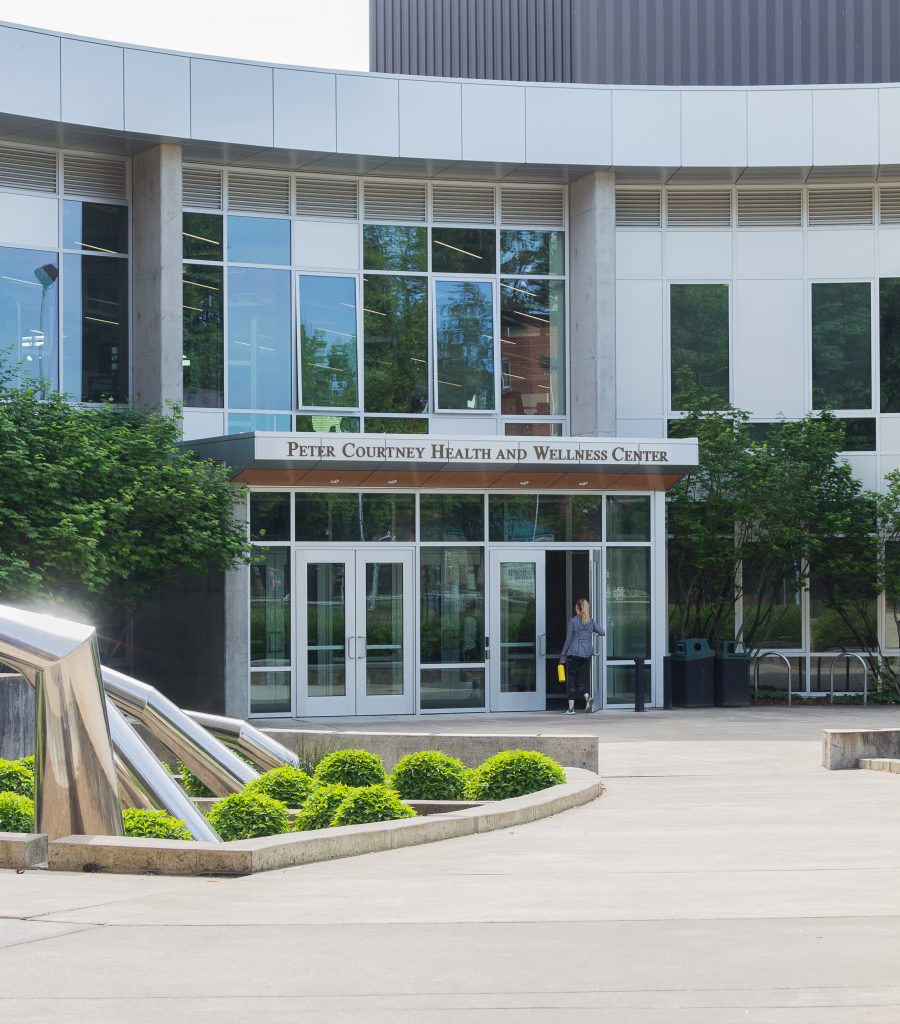
Changes are coming to the Western Business Office for the 2019-2020 academic year

Bailey Thompson | News Editor

Looking forward to the future of Western, there are some financial changes that will be unavoidable; however, there is a team who is actively dedicated to keeping Western affordable for upcoming generations of Wolves.

For the 2019-2020 academic year in particular, there are a number of significant changes to the Business Office and to tuition rates that will heavily impact the financial opportunities of Western students. Setting the tone, while many of Oregon’s public universities have either reported higher numbers or have not shared their tuition rates for next year yet, Western has committed to an increase of only 2.33% for undergraduate residents, which was decided by the Tuition and Fees Advisory Committee.

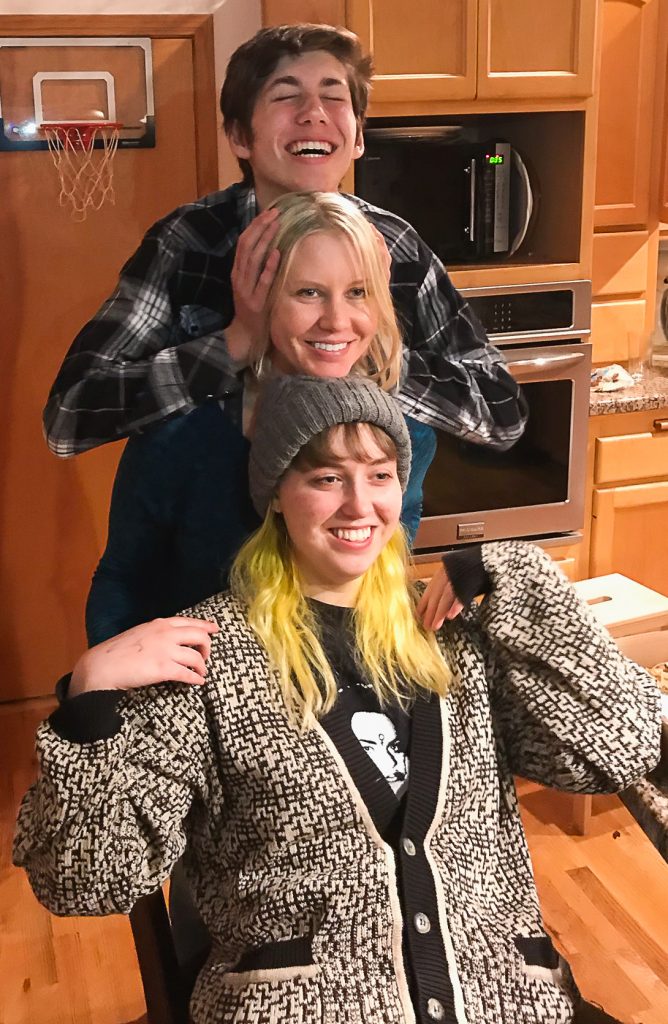
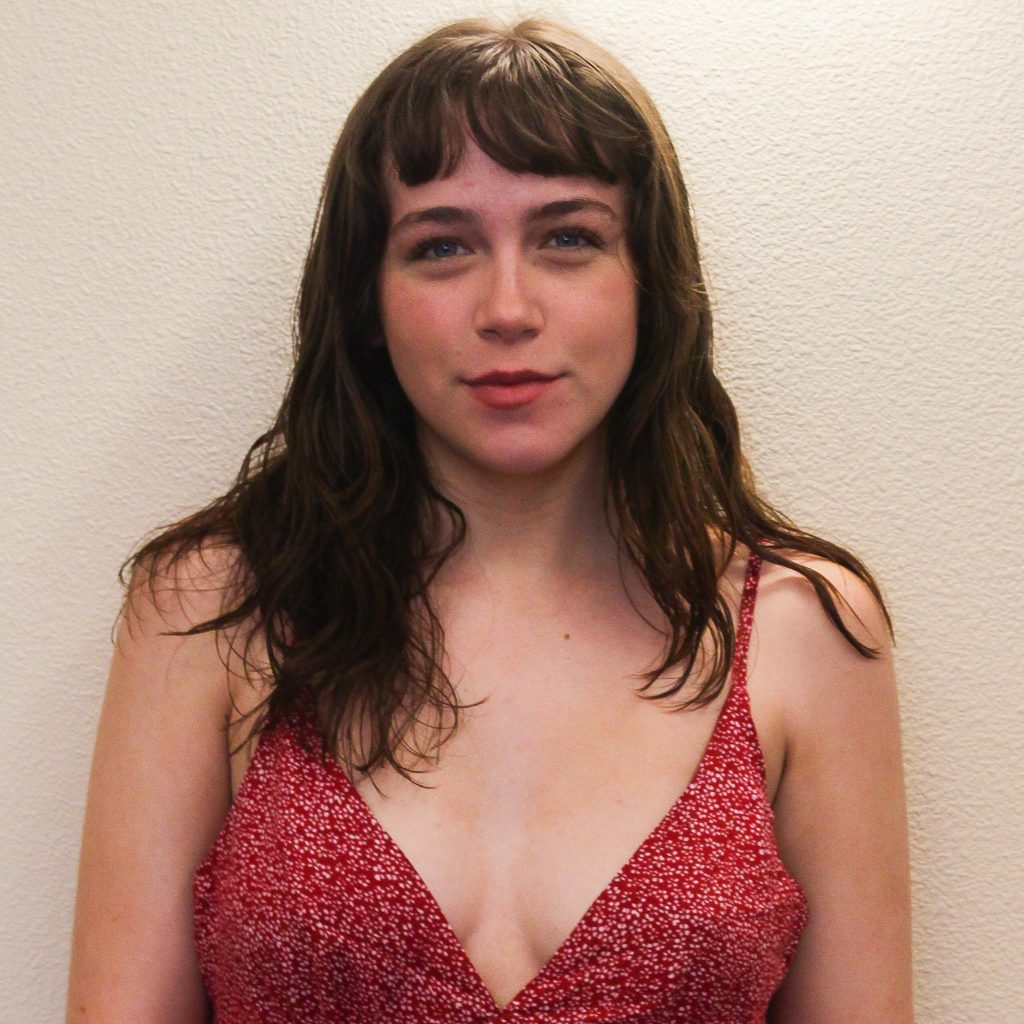
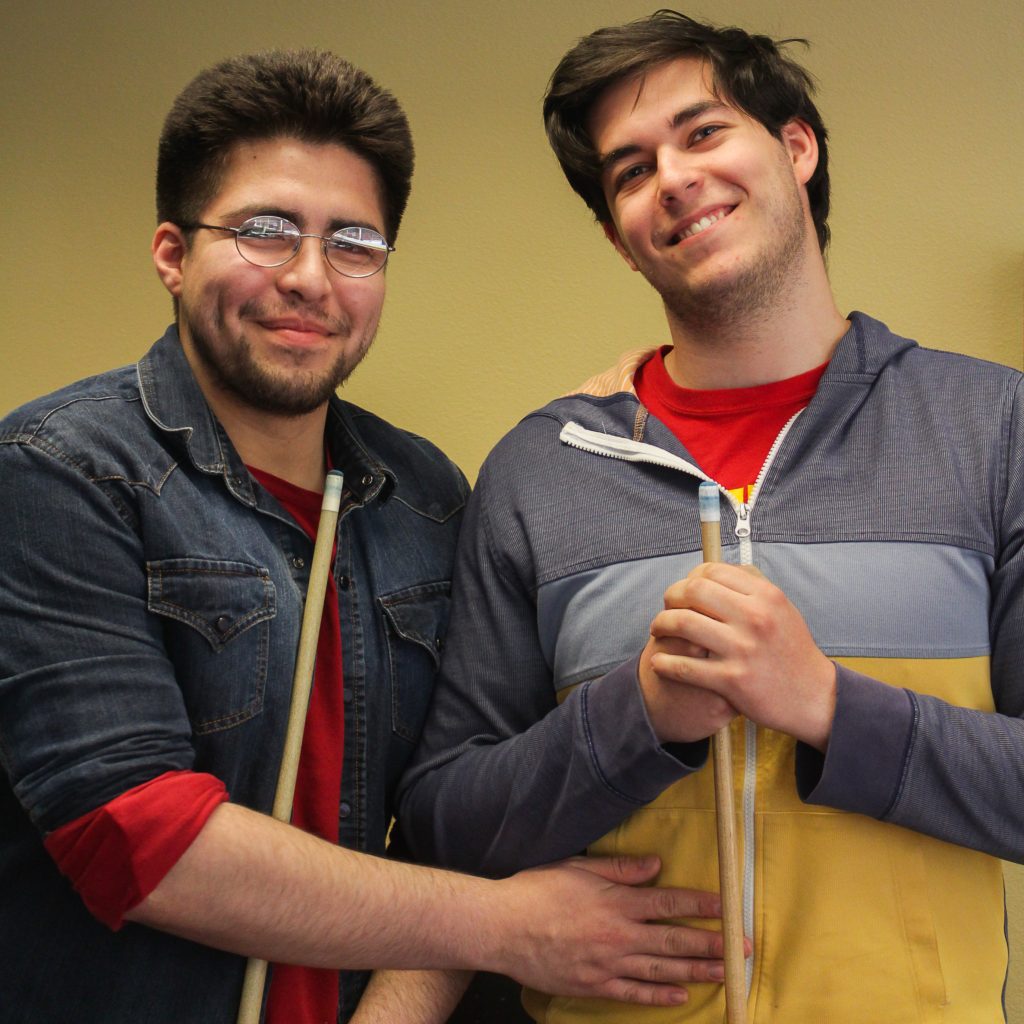
Evelyn Guzman, Erik Morgan and Ailyn Angel — student leaders and representatives on TFAC — shared what it was like for them to come to this decision.

“The administration is really great for doing this even before the House Bill (3381) was passed — they’ve listened to student voices, whereas a lot of other universities haven’t,” said Angel, a senior interdisciplinary studies major on the committee. “You never feel like you’re asking a dumb question, and they really allow us to be a part of the decision-making process.”

In addition to this small tuition increase, Western has also shown its commitment to affordability through other things like keeping the cost for room and board flat and keeping the incidental fee increase under 5%.

Another way that Western is making financial changes for the benefit of students relates to the Tuition Promise plan.

“When WOU Promise was initially created, it was an environment when double-digit tuition increases were very common… But since that time, the environment has changed and there is now a very low tuition increase, so it turns out that what they set out in their plan is more expensive than if they were without the plan,” said Dr. Karaman, Vice President for Finance and Administration. “Dr. Fuller always felt that it’s the right thing to do to give the lowest of the available rates. So, this year we just said, ‘let’s go ahead and do it.’”

Dr. Karaman credits Dona Vasas and Camarie Campfield, the Bursar and Budget Manager, as being instrumental to bringing these changes about as well.

A final couple of updates from the Business Office that will impact Western students beginning next academic year are that seniors will no longer have to pay a $50 fee to apply to graduate, and students will also have 30 days beyond when the term starts to pay their bill.

“Students are here for academics. Yes, they need to pay their bill, but let’s make sure that their bill isn’t impacting their academic achievement,” said Vasas.

Although there are a number of things to keep track of, the staff at the Business and Financial Aid Offices is dedicated to serving any students who have questions about how these changes could be impacting them.

“The overall goal is that we want Western to be the most affordable public university in the state of Oregon, and we also want to make sure that students don’t go into debt,” concluded Dr. Karaman.


Contact the author at howlnews@wou.edu

Photo by Ashlynn Norton

Hawai’i Club’s 12th Annual Lūʻau

Bailey Thompson | News Editor

While many students may be consumed with the stress of midterms and other exams, a number of Western’s Hawaiian students took time on May 4 to come together and focus their attention on other important things like home, family and unity. As Hawai’i Club’s 12th Annual Lūʻau, the club’s biggest event of the year, members of the Hawaiian community pulled out all the stops to make sure that everyone had a fun and relaxing evening.

For the first portion of the event, guests were free to settle in, mingle, visit the Hawai’i Club store — a table which sold t-shirts, stickers, Hawaiian foods and more — and go eat a catered meal. For dinner, attendees could choose any variety of kalua pork, chicken, tofu, rice, macaroni salad and pineapple. They could also choose from a couple of different coconut-flavored dessert options.

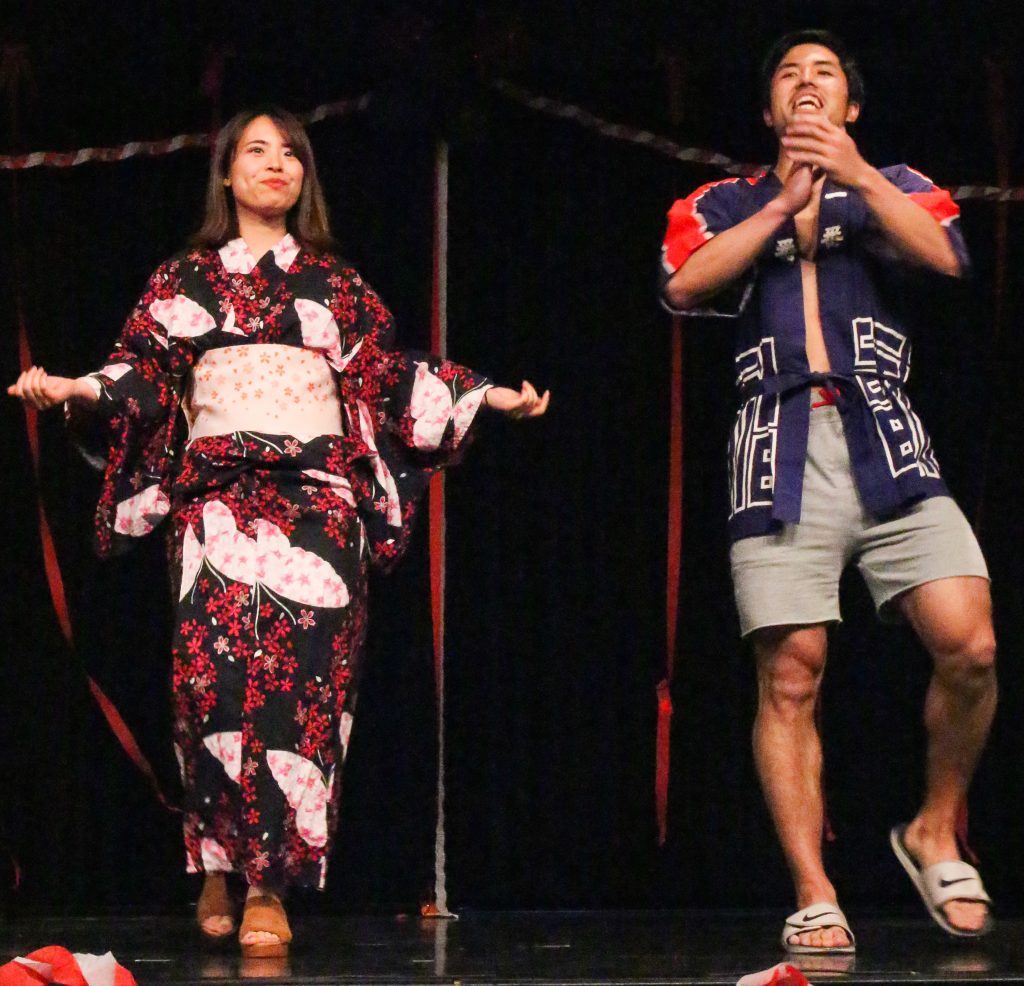
The program began when a Pu shell was blown and a group of dancers walked onto the stage, performing a Hawaiian chant. The Hawai’i Club President, Sophia Grace Kalei Ho’omaikai Kala’i Igarta, started it off, and a number of girls followed along after her.

The theme for the 2019 Lūʻau was ‘Stories of the Pacific.’

“Storytelling and oral traditions are an important aspect of Polynesian culture, and we aim to share our stories here tonight,” said Igarta, a junior at Western.

While each of the numbers highlighted beautiful hula choreography, music, dancers and costumes, they also carried a myriad of underlying meanings that made them more personal and significant for those dancing them. For the show as a whole, though, Igarta shared the inspiration behind the theme.

“Are we honoring and embracing the knowledge of our ancestors? Are we being respectful to ourselves, to our kuhana and to others? Are we taking care of the ʻāina, the land? How are we living our lives?” said Igarta. “It’s an important question with what we see going on in the world right now.”

In between each number, the emcees for the event, Anthony Pablo and Susie Krall, shared the meaning behind each of the choreographed pieces. While some honored various elements of nature — the waves, the mountain tops and even seaweed — there were others that were more specific to one person’s experiences.

For one of the dancers, Tatiana-Marie Whitlow, her solo dance ‘Ka Wailele o Nu’uanu

was dedicated to the memory of a mentor who had passed away. And, to honor that person, she danced to a song that was written by a man who had recently lost his father.

“Look at the waterfall on the left and know that it will always be there” said Krall, translating part of the song’s melody. Krall also emphasized that “It’s really important that we remember our traditions and acknowledge the people who came before us.

On top of the many meaningful dances, Pablo also helped to ensure that the event was engaging for the audience through the use of a couple of games that pull on Hawaiian culture: a cheehoo contest and a pidgin contest.

According to the blog Hawaii Chee, “’Cheehoo!’ is exclaimed when you are celebrating or if something is exciting.” So, while this was something that audience members did on their own throughout the performances to mark their enthusiasm, it was also something that a couple of audience members volunteered to compete in.

Later in the evening, Pablo also led participants in a contest where volunteers read a statement of Hawaiian pidgin to the best of their ability. In both of these games, participants were able to celebrate Hawaiian culture while simultaneously letting loose and having fun with loved ones.

To rouse the crowd in a final number, Hawai’i Club had arranged for a traditional dance that brought everyone together.

“As our program comes to a close, we’d like to welcome Tava’e Sina Sofa to the stage… and share with us the Taualuga. It’s a very special dance in Samoan culture which is often given to the chief’s daughter,” said Krall. “She is given the honor to represent the village through dance. She represents the dignity and honor of her village, and it is often performed as the grand finale of celebrations or other social functions.”

During this performance, a young woman danced alone, brought to the floor by a chaperone, as members of the crowd cheered and brought money forward to throw at the girl’s feet as she danced.

Finally, the club ended their celebration by singing Hawai’i Aloha — a Hawaiian anthem — as a group, standing, holding hands and swaying to the music they created with only their voices.


Contact the author at howlnews@wou.edu

Photos by Ashlynn Norton

This week in completely made up horoscopes

[fruitful_tabs type=”accordion” width=”100%” fit=”false”]

[fruitful_tab title=”Aries 3/21-4/19″] It’s probably hitting you now, in week 6, that you’re in COLLEGE college. [/fruitful_tab]

[fruitful_tab title=”Taurus 4/20-5/20″] Don’t question yourself so much, Taurus. You’ve made it this far, so you must be doing at least a few things right. [/fruitful_tab]

[fruitful_tab title=”Gemini 5/21-6/20″] According to the Facebook quiz we just took, your spirit animal is Danny Devito. [/fruitful_tab]

[fruitful_tab title=”Cancer 6/21-7/22″] Remember that thing that whoever was suppose to remind you about but never did, this is your reminder, you’re welcome. [/fruitful_tab]

[fruitful_tab title=”Leo 7/23-8/22″] The taste of a bitter pineapple is succulent. [/fruitful_tab]

[fruitful_tab title=”Virgo 8/23-9/22″] Thanks for checking in every week, Virgo. It’s always good seeing you. To be clear, though, we always see you. Like the stars are literally always watching. But it’s good to see you under your own free will. [/fruitful_tab]

[fruitful_tab title=”Libra 9/23-10/22″] Sorry, Libra, the stars are busy with homework this week and don’t have time to give you life advice. Hint hint. [/fruitful_tab]

[fruitful_tab title=”Scorpio 10/23-11/21″] Genuine slab, partner. [/fruitful_tab]

[fruitful_tab title=”Sagittarius 11/22-12/21″] Everything the stars are thinking to say right now sounds really cynical, so we’ll just say that we hope you have a nice week. We’re sending our love. [/fruitful_tab]

[fruitful_tab title=”Capricorn 12/22-1/19″] No amount of facemasks are going to fix those dark circles around your eyes. There’s only one cure for those bad boys, and it rhymes with “fleep.” And it’s defined as, “something you will not be getting for at least five more weeks.” [/fruitful_tab]

[fruitful_tab title=”Aquarius 1/20-2/18″] Ya know, the stars have a really wise piece of advice, but will you even listen Aquarius? [/fruitful_tab]

[fruitful_tab title=”Pisces 2/19-3/20″] Have you ever sniffed your socks and said, “whoa that’s spicy!”? Blame your Pisces-ness. [/fruitful_tab]

[/fruitful_tabs]

Opinion: The biphobia epidemic

Chrys Weedon | Entertainment Editor

It is nearly common knowledge in the psychological community that the LGBTQ+ community experiences a disparate amount of mental health issues when compared to their straight counterparts. According to the Bisexual Resource Center, 40% of bisexual people report considering or attempting suicide, compared to roughly 25% of gay and lesbian folks.

Studies from the Williams Institute have discovered that people who identify as bisexual make up approximately half of the LGBTQ+ population, but only 28% of those people are out to their loved ones. Why these disparities? Biphobia has been posited as a cause.

The term “biphobia” is defined by the BRC as “mislabeling bi+ people as lesbian, gay or straight, even when they come out as bi+.” What does “bi+” mean? I’ll come back to that.

A lot of biphobia isn’t blatant. Instead, it is often buried deep within subtle actions, or microaggressions.

In his book, “Microaggressions in Everyday Life,” Derald Wing Sue defines microaggressions as the “constant and continuing reality of slights, insults, invalidations and indignities visited upon marginalized groups by well-intentioned, moral and decent family members, friends, neighbors, coworkers, students, teachers, clerks, waiters and waitresses, employers, health care professionals and educators.”

Biphobia is really more common than many people, straight and LGBTQ+ alike, think. For example, phrases are often uttered such as, “you’re just confused”; “bisexual people just want to sleep with everyone”; “bi people are more likely to cheat”; “can’t you just pick one?”; “you aren’t really bi if you’re dating (opposite gender)”; “you aren’t really straight if you’re dating (same gender)”; I could really go on.

Ignorance toward bisexuality and the erasure of bisexual identities is rampant in the LGBTQ+ community as well. Many gay or lesbian folks just assume that identifying as bisexual is only a baby step toward “actually” coming out as gay. Many people simply don’t understand what bisexuality means.

Now back to that word: “bi+.” This term simply acknowledges that different people interpret the label “bisexual” in different ways. Some people define bisexuality as being attracted to multiple genders, or more than one gender. Some people explain the term in the most stereotypically understood way: being attracted to men and women, or masculine and feminine people.

Sometimes people hear the word “bisexual” and they get stuck in that mindset that I just explained: bisexual people are only attracted to men and women, and it turns into a whole mess of “well does that mean bisexual people are just obsessed with someone’s genitals?” The answer? No. Bisexuality does not inherently mean that someone doesn’t acknowledge the complexities of gender. What the issue really comes down to is that some people don’t even want to get to know someone and what their bisexual identity means to them before they go and jump to all sorts of different conclusions.

I have experienced a lot of biphobia in my life, and I’ve watched my loved ones struggle with it as well. Experiencing biphobia from my own community has hindered me from truly accepting my identity, and in some cases, it has stopped me from coming out. I’ve been told I’m not gay enough to be Queer, and not straight enough to be straight. I’ve had friends question the validity of my identity. I’ve been called transphobic. I’ve been interrogated with “oh, you’re bi? But have you ‘tried’ both? Have you had sex with men and women?” This essentially says that if I hadn’t “tried both” I wouldn’t be a legitimate bisexual and I’d have my membership card revoked.

I think the LGBTQ+ community needs to be better. Writing off biphobia as simply a “straight” issue is ignoring a big part of the problem. How can we expect straight people to be accepting of our community if we aren’t even accepting of each other? There is no excuse to be this oblivious anymore. Bisexual people exist and we need your support too.


Contact the author at cweedon16@wou.edu

Photo by Ashlynn Norton

Journey towards success after loss of motivation

Karlene Curtin | Staff Writer

“Failure is not the opposite of success, failure is simply apart of its journey.” This quote was said by business woman Arianna Huffington, creator of Huffington Post. Huffington is one of many who have worked hard for their dreams to become a reality.  
Choosing to continue one’s dreams despite the obstacles and defeats are related to courage and pushing forward. Whether the goals are in relation to a career, academics, athletics or any other reason, the fear of failure or the feeling of failure can affect motivation and stamina towards one’s progress.
There are many solutions to push forward. Here is a list of  ways to regain motivation, even if failure or the loss of motivation have occurred.


Change perspective:

Mistakes or some sort of set back may have occurred. Take a step back and reflect on what happened. I suggest writing down a checklist to account for what went wrong.

Learn from it:

Change your perspective on mistakes. Understand that faults happen and it is a natural part of the learning process. When it comes to trying new things, mistakes are inevitable. It is better to learn from them than to dwell on them.

Grow from it:

A major part of growing is learning from mistakes and realizing what works. Mistakes and failures are a major part of life; learning from these setbacks can make one a better version of themselves.

Look for inspiration:

Find inspiration through others. Seeing how others complete their goals can help create a new strategy. New techniques and a new mindset can help complete goals that could be beneficial for reaching success.

Remind yourself why you started:

Asking the “why?” question is super important when trying to complete a goal. Whether it is career, school or even the beginning of a new project or health plan, reminding oneself “why?”  can remind us why we begin this journey in the first place. It can possibly bring back loss of motivation too.

Try again:

Don’t ever give up on dreams. Push through the unique journey, even if it takes more than a second time to try.


Contact the author at kcurtin14@wou.edu

Photo by Rebecca Meyers

Tools and resources to improve your writing

Rebecca Meyers | Lifestyle Editor

Writing is one of those things that is inevitable in college for just about any major. Even those opting to study completely different subjects have to do it, and some students even have to face the daunting task of writing a thesis. Fortunately, there’s no shortage of tools and resources to help tackle writing assignments, both on-campus and off.


Writing Center

Western’s Writing Center is where students and their work can receive one-on-one attention from tutors that can help with any kind of writing purpose. A full list of their hours, services and contact information can be found at wou.edu/writingctr.

Writer’s Crucible

One of Western’s newest additions, the Writer’s Crucible is a group on campus for regular writers who want to improve their overall writing in an environment of other writers. For more information, contact Natalie Dean at ndean17@wou.edu.

Grammarly

This online tool is a free and simple way to do basic grammar checks while writing any important paper. It’s not necessarily a substitute for proofreading, but it does help eliminate a lot of basic mistakes.

Google Scholar

Tired of having to sort through results on Google to find credible sources? Google Scholar narrows your search to academic and peer reviewed sources only.

Mendeley

This free online tool helps store research and organize papers. It allows users to upload almost any document to use later for reference or storage and even has a bibliography tool.

Writer’s Diet

This quick and easy online tool will analyze a segment of writing and analyze the ways in which it may be too wordy. Students should note, however, that most academic papers tend to score poorly in the abstract nouns section due to the nature of research papers, but it’s a good way to check unnecessary words in the other categories, such as use of adverbs.

Easybib

This online tool is a go-to for many students in creating or learning how to create the different types of citations. Results usually have to be double-checked and occasionally edited, but it creates a good initial framework either way for creating citations.


Contact the author at howllifestyle@wou.edu

Photo by Rebecca Meyers

How to make gluten-free teriyaki chicken with ramen noodles

Morgan Taylor | Freelancer

A simple recipe that can easily be altered to your liking, this dish is full of hidden vegetables and can basically be made with any that are on hand. Also, if gluten-free isn’t your thing, this recipe works with any type of instant ramen noodles as a cheap and fast alternative.


TERIYAKI CHICKEN AND VEGETABLES WITH RAMEN NOODLES

Start to finish: 40 minutes

Servings: About 4 portions


Ingredients:

2 medium-to-large chicken breasts

1 tablespoon avocado oil or olive oil

Poultry seasoning — a few pinches

1 medium onion — sliced

1 yellow pepper — sliced

1 orange pepper — sliced

1 ½ cups of snap peas

2 cups of cabbage (pre-shredded works)

2 minced garlic cloves

3 packs of gluten-free ramen noodles

3 cups of water

3-4 tablespoons of gluten-free teriyaki sauce


Instructions:

Chop up chicken into either strips or chunks, using a separate cutting board for the raw chicken, and slice onions.

Heat up oil in wok or large pan on medium-high heat and then add chicken, onions and garlic. Season chicken with poultry seasoning. Cook until chicken turns white on the outsides.

Add half of the teriyaki sauce. Simmer until caramelized.

Reduce to medium heat. Add peppers and snap peas. Cook for about one minute.

While the peppers cook, begin to boil water in separate pot. Add noodles in and cook for approximately 2 minutes. Separate noodles with fork as it cooks.

Drain noodles and add to stir fry. Add cabbage and the remaining teriyaki sauce. Cook for one minute.

Serve and enjoy.


Contact the author at  mrtaylor14@wou.edu

Photo by Morgan Taylor

Spring festivals and events near Western

Rebecca Meyers | Lifestyle Editor

One reason spring is so great is that it feels like a build up to summer festivities and outdoor activities. As the sun starts to come out, so do many of the annual events near Western. Almost all of them occur on the weekends, making them fairly accessible to students. Here’s a short list of upcoming events to get you started when festival season starts to roll around.


Food Truck Frenzy:

Put on by the Willamette Humane Society, this pet-friendly event featuring music, food and drinks will be happening this May.

Date: May 17

Address: 4246 Turner Rd SE, Salem


Willamette Valley Wine Festival:

This is an event held on the Salem riverfront, a beautiful place during the spring. The Willamette Valley Wine Festival is a great chance to enjoy one of the Willamette Valley’s famous products, and a great chance to support local businesses while enjoying Salem in springtime.

Date: May 19

Address:  Riverfront City Park: 200 Water St SE, Salem


Portland Rose Festival:

Nothing says spring like a festival celebrating flowers. The Rose City’s annual Rose Festival is one of it’s most famous events, located in downtown Portland near the riverfront.

Date: Begins May 24

Address: Tom McCall Waterfront Park: 98 SW Naito Pkwy, Portland


Canby Wine, Food and Brew Fest:

Part of Clackamas County’s annual Fair and Rodeo, this Canby festival at the Clackamas County fairgrounds is another great event for experiencing the Willamette Valley’s signature tastes. While you’re at it, you can also experience a classic county fair rodeo.

Date: May 31

Address: 694 NE 4th Ave, Canby


Oregon Renaissance Fair:

Period costumes, music, vendors and entertainment are all part of Canby’s annual Renaissance fair. This event will be happening two weekends, so there’s two chances to experience this medieval Scotland inspired festival.

Date: June 8-9, 15-16

Address: 694 NE 4th Ave, Canby


Contact the author at howllifestyle@wou.edu

John Vanderslice visits the Space Concert Club on tour for new album “The Cedars”

Chrys Weedon | Entertainment Editor

John Vanderslice could be described many ways, but the label “influential” is one that everyone can objectively agree on. According to johnvanderslice.com, Vanderslice has produced and collaborated with bands such as Death Cab for Cutie, St. Vincent, The Mountain Goats, Grandaddy, Teen Daze, Sleater-Kinney and many others.

Vanderslice came to Salem on a tour promoting his new album, “The Cedars.” Released April 4, this album has broken the musician’s five-year-long solo career hiatus. In November 2013, while on tour in Ohio for his album “Dagger Beach,” Vanderslice was in a high-speed car accident.

“After that happened, maybe a second later, I was like, I’m done. I don’t want to die in a van. It wasn’t sad, it wasn’t celebratory. It was just like, eh, I had a good run,” Vanderslice was quoted in a New Yorker article written by Jason Fagone. Afterwards, Vanderslice’s hiatus commenced.

“The Cedars” album was inspired by a piece of land in West Sonoma, California. The Cedars is an 11 by 11 square mile canyon near a piece of land owned by Vanderslice.

“It’s only 6 miles away but it takes up a mythic space in my mind, like the perfect sound, the perfect lyric. It is unreachable. A lot of this record was written on this land, under the heavy influence of this place,” Vanderslice wrote in the album notes on his website.

Vanderslice has been writing music since he was a young teen. Flash forward to 1989, and Vanderslice moved to San Francisco and made three records with the band MK Ultra. In 1997, the musician opened Tiny Telephone Recording, providing a recording space to the indie rock community of the Bay Area. Since the beginning of his career, Vanderslice has released 11 albums, a handful of singles and is credited on 186 albums on allmusic.com.

“The songwriting process of this record was so radically different … we kind of entered into this irrational machine world,” said Vanderslice in a mini-documentary directed by Cooper Kenward about the making of “The Cedars.” Vanderslice favors analog, which is strongly apparent, especially in this new album. This is a style Vanderslice labels “sloppy hi-fi” in the same New Yorker interview.

On April 24, in the basement of the Space Concert Club, Vanderslice played a show with opening band Meerna, who also hail from Southern California. The 51-year-old musician’s eccentric purple hair matched the cool-hued show lights. After a handful of solo-songs by Vanderslice, he was joined by Meerna and they played a selection of songs, most from “The Cedars,” including “Will Call” and “I’ll Wait for You.”

Vanderslice has a passionate and captivating stage presence, and although his dancing skills aren’t the best, they definitely enhanced the performance. The venue was full of dedicated fans, and the kitchen even named a pie after the headlining musician. The love for Vanderslice in Salem was easily observable and made the performance that much more enjoyable.


Contact the author at howlentertainment@wou.edu

Photo by Chrys Weedon

Graphic Novel Review: “The Nameless City” Trilogy

Cora McClain | Copy Editor

“All called the City their home. And who could say that any of them were wrong?” This text ends the introductory panels of “The Stone Heart,” the second of the “Nameless City” graphic novel trilogy. Those two panels illustrate the core theme author Faith Erin Hicks explores — identity.

The story follows Kaidu, a young boy from the warrior nation occupying the Nameless City. Along the way he makes an unlikely friend in a girl named Rat who was born in the city and orphaned by the occupying forces as a young child. With the city as their backdrop, our two protagonists explore what it means to identify with a people while stumbling onto a nefarious plot to overthrow and destroy the city.

While the plot and villains introduced in the second and third books might fall a bit flat for me, the cultural tension which sparks the plot is far more interesting. It’s a bit uncanny to see a city filled with all sorts of different people from many different nations look at an individual and judge them solely on the nation they belong to. Kaidu’s nation even has a word for people who are not of the nation, literally meaning they are not a person. Let’s just say Hicks is pretty heavy-handed with getting her message across.

Regardless of the thick metaphors, exploring identity on the basis of nationality and where a person is born allows for a juxtaposition with the world outside of the pages of the books. Meant for young teens, the trilogy does its job of trying to show the reader inconsistencies in that sort of judgement. However, I think the first book “The Nameless City” does that better alone, whereas the two others just complicate the message with the introduction of “dangerous knowledge plot device” and villains whose motives are not clearly set from the beginning. The one saving grace would be the satisfactory ending that leaves no loose ends.

Besides my obvious contempt for the overarching plot, the artstyle and fluid action scenes are glorious. Invoking an artstyle similar to “Avatar the Last Airbender,” with thick expressive lines and facial expressions, there was never a moment when I wasn’t absorbed in the colorful world of “The Nameless City.”

Altogether, I don’t hate the trilogy, but I appreciate “The Nameless City” as a standalone novel far more than the addition of the other two books and their shaky plotline. It just kind of feels like there’s a disconnect from the first novel and the other two, and I enjoyed the complexities, characters and plot of the former over the latter.


Overall Rating: I would recommend “The Nameless City” for anyone, especially as an introduction to graphic novels or comics. I would suggest only reading the rest of the trilogy if you want to learn more about the City Builders.


Contact the author at howlcopyeditor@wou.edu

Photo courtesy of us.macmillan.com

“The Silence” anaylsis

Chrys Weedon | Entertainment Editor There seems to have been an uptick in pieces of media that feature characters with disabilities, and storylines that depend on them, in post-apocalypse worlds. “A Quiet Place” was immensely popular — popular enough to warrant a sequel, according to vanityfair.com. Recent Netflix release “Black Summer” features a Deaf character who is challenged by his “disability” in a world infested with zombies. “Bird Box” is based on the premise that being “blind” is the biggest asset one can have when looking at a monster can kill you. Netflix’s newest release, “The Silence,” follows this trend. Released April 10, “The Silence” follows a family, who happens to have a deaf daughter, through the onset of an apocalypse wherein ancient bat-like beasts escape from caves deep within the Earth and viciously attack anything that makes noise. Sound familiar? Similarities between “The Silence” and “A Quiet Place” seem to end there, however. The main character of “The Silence,” Ally, is recently deaf after a severe car accident that led to her deafness. Ally still speaks clearly, has some residual hearing, favors speaking with her voice to her family and even narrates bits of the movie. Ally’s rudimentary signing skills and her preference for speaking aloud fit in well enough with the storyline, since it is mentioned that only three years have passed since she became deaf, but it’s more apparently related to the fact that her actress, Kiernan Shipka, is hearing. Other than the disappointing fact that a Deaf actress wasn’t hired — of which there are many — there were other inconsistencies and unfortunate stereotypes that “The Silence” seemed to play into. Whenever the perspective switched to Ally’s point of view, sounds were muffled — because apparently there’s no other way to show that she is deaf — and there was always a sharp ringing noise that overpowered everything else. The ringing noise had no obvious or necessary reason to exist, as it didn’t tie into the storyline or character development. Although “The Silence” was technically a book before “A Quiet Place” even came out, the film used a lot of the same storytelling techniques that “A Quiet Place” used, with more of the “can you only believe if having a disability wasn’t the end of the world?” sentiment. Other than the tired tropes about disability, “The Silence” used very quick and convenient plotlines to move the story, which is understandable since the movie only runs an hour and 30 minutes. Stanley Tucci did a great job, but the film overall left much to be desired.   Contact the author at howlentertainment@wou.edu Photo courtesy of Netflix.com

Northwest Wrestling Alliance wages the War of Independence

Caity Healy | Editor-in-Chief

It was a battle like Independence had never seen before. In the middle of the Elk’s Lodge, a wrestling ring had been staged — the eventual setting for six unforgettable Northwest Wrestling Alliance Professional Wrestling matches. On April 27, a crowd of all ages filled the seats and waited in anticipation of what was to come with the “War of Independence.”

As the fast-paced rock music grew louder, so did the eagerness. Finally, the curtains swung open and rushing to the ring was the NWAA’s new ring announcer, Richie Stratton. The crowd welcomed Stratton with cheers and applause, as he prepared the viewers for the fight they were about to see: Eddie Pearl versus Eric Right.

Smoke seeping from the cracks of the curtain, Eddie came rushing out in glory, rock music playing to complement the mullet he was donning. Engaging with the crowd, he made his way to the ring and awaited his opponent. Right behind him, Eric Right made his appearance known. Despite the boos of the crowd, he was ready for a fight. After an extravagant show of elbows, pins and punches, Eddie took the title.

In Eddie’s next battle against Johnny Paradise, Eddie sustained injuries early on that forced the match to utilize the “Freebird Rule.” By using this, Eddie’s backup Billy stepped in as substitute. This, however, turned out to be a squash, as Johnny Paradise took Billy down in two seconds.

Up next was Joseph Bennett versus Troy Dagger. A mix of cheers and boos for each opponent could be heard from the crowd, as nobody was sure who’d come out on top. But after a huge suplex in the hands of Dagger, Bennett went down hard; Troy Dagger took the win.

The crowd was anxious for a real fight, and that’s exactly what they were given as Doctor Clever and Caden Cassidy took to the ring. Playing heavy metal and sporting a large mohawk, Doctor Clever was a model example of what the audience hated. However, two people in the audience had to disagree with the rest.

“Doctor Clever was definitely my favorite wrestler,” said audience member Alexa Boucher. Sitting next to her was audience member Mason Hinton, who chimed in as well.

“It was his mohawk that really set him apart from everyone else,” said Hinton.

The two outlier fans ended up getting the outcome they wanted, as Doctor Clever was able to take down the famous Caden Cassidy.

It was time to change it up a bit. Two teams took the ring: Konami Code, which was made up of wrestlers Julian Whyt and C.J. Edwards, versus High 5, which was made up of Patrick Large and Draven Vargas. The teams weren’t willing to go down easy, taking turns to take their opponents down — but only one could come out on top. After an outrageous show, Konami Code was deemed victorious.

Following a long intermission, the crowd was ready to see something new. That’s exactly what Stratton was ready to give them as he introduced the “power of femininity,” as he called it, by bringing Fire Rose and Mary Jane Pain to the ring. The two didn’t hold back — punches were thrown and a fight ensued until it was interrupted by the curtains being ripped open: Eddie van Glam was here, and he wanted it to be known. Wearing pants that were one-leg-spandex, one-leg-fishnets, and donning a shirt that simply said “Butt Stuff,” the audience knew he meant business. The fight quickly turned into two against one, as Rose and MJ took on Eddie; the women took the title.

At last, it was time for the Championship Match: the “Black Sheep” Dave Turner versus Johnny Paradise. Turner was hated by the crowd, but unlike the other antagonists, he wouldn’t easily accept the boos. Clearly unable to withhold his anger, he even went up to a crowd member, cursed at him, flipped him off, then threw his hat off of his head. Paradise, on the other hand, was loved. He fed off of the crowd’s energy until finally, he stole the title from Turner and became the champion.

Speaking once again with Boucher and Hinton, they had more to add about this match.

“We’re here because we’re wrestling fans … it was a great show. It was very energetic and there was a really good crowd,” said Boucher.

“More people need to go to wrestling shows — people will be pleasantly surprised,” added Hinton.

Wrestler Caden Cassidy described the crowd in one word — electric.

“This is one of the best crowds I’ve ever had in this area,” said Cassidy. “Big turnout. And I think we actually gave them a good show.”

The NWWA is holding its next match at the Milwaukie Elks Lodge on May 11, and will be returning to the Independence Elks Lodge on June 22.


Contact the author at howleditor@wou.edu

Photos by Paul F. Davis

Western Men’s Lacrosse playoff recap

Caity Healy | Editor-in-Chief

Seven wins and three losses — this was the record that Men’s Lacrosse had as it entered into the PNCLL playoffs. Their first opponent: Gonzaga University. In the 2016 playoffs, the Wolves went head to head against Gonzaga and lost, 21-10. For the first time in three years, the men were ready to face them again. Taking to the field on April 26, they weren’t willing to go down without a fight.

A battle was what Gonzaga was presented with. Neither side wanted to let up, but Western found itself with a comfortable lead going into the half. This lead left the Wolves feeling more relaxed, which gave the Bulldogs the opportunity to find their way to the back of the net. Western knew they had to find the momentum they began the game with. With lightning-fast offense and relentless defense, the Wolves proved to be too much for the Bulldogs. After a hard-fought competition, the Wolves came out on top, 16-13.

“It felt good to get a playoff win,” said junior midfielder Taylor Klus. “We haven’t even made the playoffs since I’ve been here so it was good to go from not making the playoffs to winning the first game. It meant a lot to the program after a rough couple years.”

During the game, senior Andrew Barnett reached his 100th career goal, and 100th assist. This made him the second player in Western Men’s Lacrosse history to reach that milestone.

Having eliminated Gonzaga from the tournament, Western was ready to move on to the semifinals versus the University of Montana the following day, April 27. The drop in temperature reflected the drop in energy that the Wolves were feeling.

“The odds were stacked against us going in,” Klus added. “We were on the second day of a back-to-back. They had home field and they have over 30 players on their roster.”

But the men weren’t ready to back down. They came in strong, and went head-first into the game feeling prepared for a win. However, the battle took a turn for the worse as the Wolves found themselves grounded on defense against the Grizzlies. After four quarters of struggling to make their way down the field, the Wolves fell to the University of Montana, 21-8. This closed their season.

“Overall, I think the season went well,” said Klus. “We gained a lot of experience on how to play those better teams.”

As for the state of Men’s Lacrosse in the upcoming years, Klus isn’t worried.

“I think WOU Lacrosse is on the rise. We have a very strong freshman class and another freshman class coming in that will help fill the gaps of the four seniors,” Klus said. “With a few more bodies, better rest … I fully expect to win the PNCLL next year.”


Contact the author at howleditor@wou.edu

Photo courtesy of Sharon Eidler

Spring Intramural leaderboard: The top teams of each sport

Volleyball


Co-Rec Competitive

Killah Hawaiians 3-0

Bumpin’ 2-1

Meow Down 1-2

Wait for it…. 0-3


Co-Rec Recreational

Incomprehensibilities 3-0

Scott’s Tots 3-1

Work for sets 2-2

I’d hit that 0-3


Men’s/Women’s

Joey’s Men’s VB Team 3-1

Ball Busters 2-1

Mas Hits 1-2

Meet the Blockers 1-2

Bumping balls 1-2


Softball


Co-Rec Sunday Night League

Broke Bat Mountain 2-0

benchwarmers 3-0

Always Going Deep 2-1

Swingers 1-1

Masterbatterz 1-1

Misfits 1-1

Dunder Mifflin Inc. 0-3

Wait for it…. 0-3


Co-Rec Thursday Evening League

Soft balls 1-0

Basic Pitches 1-0

Bad Apples 1-1

Rolling Bunts 0-1

The One Hit Wonders 0-1


Men’s Monday Evening League

Dirty Ball Bags 1-0

Opihi Lickahz 1-0

Blue Ballers 0-1

Rippin Magoos 0-1


Soccer


Co-Rec

Los Linguistas 1-0

Look ma, no hands! 1-0

Your Goalie’s Nightmare 1-0

Grace & The Funky Bunch 1-1

Head Game Strong 0-1

Dunder Mifflin 0-1

Team World 0-1


Photo by Paul F. Davis

Denim Day event supports sexual assault survivors

Bailey Thompson | News Editor

While DIY denim coffee mugs and bookmarks might draw people’s attention for being cute, Abby’s House and Alpha Chi Omega had more in mind when they organized a Denim Day event on April 25 in the Werner University Center. Instead of celebrating an iconic fashion contributor, Denim Day is actually a time when people all over the world come together in support of sexual assault survivors.

“Denim Day was created after a ruling by the Italian Supreme Court,” said Lisette Cervantes, Bilingual Advocate Outreach Coordinator at Abby’s House. “An 18-year-old girl was raped, but the conviction was overturned because the Justice felt that, since the victim was wearing tight jeans, that the perpetrator needed help to take them off… so that implied consent. So, the next day, women in the Italian government wore jeans to work in solidarity for the survivor.”

Even though this event happened back in 1992, it is just as important to remember today.

“Denim Day is important for people to recognize and be aware of because, while we would like to say that we as a society have progressed quite a bit in the past 17 years since this original incident, we haven’t come as far as we would like to think sometimes,” said Helen Goodyear, Vice President of Philanthropy for Alpha Chi Omega.

Goodyear also pointed out that, even though the numbers associated with sexual assault conviction can be discouraging, it is important to keep fighting to eradicate this problem in the world around us.

“The goal of Denim Day is to educate people on how they can help be a part of the solution to the issue and can help shut down the pervasive nature of rape culture in our society,” said Goodyear. “We want to recognize that the overturning of sexual assault convictions is something that still happens today and that we can be a part of changing the conversation around sexual assault.”

Cervantes similarly shared that her goal was for people to work towards “breaking down the victim-blaming and showing people how they can be active listeners and advocates as well in their personal life … Start by believing is a big thing in just showing support for people.”

Although not everyone has experienced sexual assault personally, Goodyear shared that there is another reason that people should care: it affects the people around you.

“People we love are afraid to pursue legal action, not because the crimes they are accusing their rapist of are horrendous, but because they don’t want those heinous crimes to reflect back on them negatively as a victim,” said Goodyear.

For anyone at Western who would like to learn more about resources available to survivors, a few of the notable ones include peer advocates and confidential advocates at Abby’s House in the Werner University Center, RAINN, The Sexual Assault Resource Center of Oregon and The Center for Hope and Safety in Salem.


Contact the author at howlnews@wou.edu

Photo by Ashlynn Norton

Showing support for those affected by sex trafficking

Caity Healy | Editor-in-Chief

“If you encounter a person in your professional or personal life that you think has been trafficked, your role isn’t to get a disclosure — it is to create a space that is safe and non-judgmental so that the survivor can experience support and access services in the future.” This quote was given by Ashley Anstett, who currently works for Oregon Attorney General’s Sexual Assault Task Force. On April 18, Anstett came to Western to discuss a topic that is too often ignored: sex trafficking.

Before working as part of the Task Force, Anstett worked at the Sexual Assault Resource Center as a confidential advocate for survivors of domestic sex trafficking. Before that, she worked with domestic violence offenders and juvenile sex offenders — a part of her professional history that she deems very important.

“It gave me an appreciation for the dynamics that create the complexities around domestic violence, sexual assault and trafficking,” said Anstett, “which all have roots in power and control.”

When it comes to sex trafficking, which is defined by state.gov as “the act of recruiting, harboring, transporting, providing, or obtaining a person for compelled labor or commercial sex acts through the use of force, fraud, or coercion,” there are some things that Anstett notes students should do when they come across someone they think has been trafficked.

“Honor survivor experience and support them. It is important to meet them where they are at,” Anstett said. “There are a lot of misconceptions that these youth and young adults need to be ‘rescued’ when many don’t identify as victims.”

Anstett went on to add that, “every survivor’s story is unique: from how they entered into the life, to what their experiences in the life, and their ability or choice to leave. Every trafficking survivor deserves to have someone in their corner supporting them, supporting whatever their dreams are.”

While there are some definite red flags that are associated with sex trafficking, it’s important to note that just because they are present, it doesn’t mean it is happening. That being said, some of the red flags include, “a lot of unexplained cash and jewelry or shoes and expensive purses, multiple cell phones, and (an unwillingness) to make choices or decisions on their own, or if there is a clear dynamic between partners where one partner is clearly in control of everything,” explained Anstett.

If students think someone they know might be a victim of sex trafficking, there are some things they should do.

“Be a place that someone feels safe coming to where they won’t feel judged or shamed,” said Anstett. “Even if they are in the stages of change where they are just contemplating, but not ready to leave the life, being a non-judgmental presence that supports them in who they are so they know there is someone loving and consistent that will be there no matter what is an incredibly important piece of empowerment.”

To close, Anstett wanted to add one last takeaway she hopes students will remember.

“I want people to understand that traffickers are adept at finding someone’s vulnerabilities and exploiting them,” Anstett said. “It is important to come alongside survivors and support and empower them … by giving them choice and agency in their lives.”

There are many resources students should know about in regards to sex trafficking. For help and support, Anstett recommends students look at the Polaris Project, which can be reached at 1-888-373-7888. They can also reach out to the Safety Compass, which is confidential advocacy for youth and young adults between ages 12-15 in the Marion, Washington, Clackamas and Multnomah counties, and can be reached at 971-235-0021.


Contact the author at howleditor@wou.edu

Photo by Ashlynn Norton

The 26th Annual Pow Wow is celebrated at Western

Bailey Thompson | News Editor

From the moment that the First Grand Entrance began, the energy within the Werner University Center’s Pacific Room was lively and infectious. Dancers both young and old joined together on April 27 for the 26th Annual Pow Wow held at Western, a time meant to celebrate the Native American culture and community.

Before anything else could happen, a few of the community’s elders burned sage to cleanse the arena, walking slowly past the crowd so attendees could take in the sage and direct it up over their heads to rid them of any negative energy.

On top of this physical cleansing, the Pow Wow leaders also welcomed a community elder up in order to acknowledge the Creator in prayer before moving forward.

“I’d like everybody to pray for what’s happening in the world today. There are people that are suffering out there — we need to bring that out, and we need to talk about it,” said the elder woman. “There’s a lot of things going on now that are focusing on the murdered and missing native women, and I’d like to pray for those people and their families … Pray for our world, pray for our animal families, our sacred waters, our people that are fighting for the protection of Mother Earth … A Pow Wow is a place where we share our culture with non-natives — to bring an understanding for all of us to be together, to live together, to work together.”

Once this was accomplished, the dancers lined up outside of the room, behind the Color Guard carrying the flags into the room, to kick off the First Grand Entrance. With the American flag, Oregon flag and the Eagle Staff — which is a Native American flag — leading the way, the dancers followed the beat of the head drum as they danced into the hall to start the event.

While there was a certain amount of structure within the 12-hour-long event, the majority of the emphasis was placed on simply spending time as a group — honoring the growth and service of many of its members.

In particular, with both the First and Second Grand Entrance, Master of Ceremony Nick Sixkiller took time to recognize the Veterans who were present at the event, having each one introduce themselves and having the crowd express their gratitude for having fought for the United States. Then the host drum, a group called Bad Soul, played a song in honor of indigenous veterans — those present and those who weren’t.

“Please give honor as you listen to this song to people who went overseas to fight battles to protect our country, who paid the ultimate price and didn’t come home,” said Sixkiller. “Think of those people who went to war to protect our land and what we now call the United States.”

As a part of this Grand Entrance, the host drum played three songs: one for entry, one for the flags and one that was the victory chanting song.

Another group that was honored during the day was the young women who were running for Miss Grand Ronde — a royalty pageant held annually in Grand Ronde, Oregon. These girls took turns introducing themselves along with what they would be running for in their upcoming competition.

Outside of the pageant contestants, another young girl who received special recognition during the event was named Rhianna, as she was moving from the youth category to the teen category. To mark this occasion, her family went up before the group and spoke a few words about their daughter and the young woman that she is becoming. Rhianna is a 7th grade student with a 4.0 GPA. She has also recently gotten into leatherworking, and her family is very proud of her.

As a gift, Rhianna’s relatives had taken time to make her a new outfit for her time in the teen category, and they also gave gifts to the head drum and to Multicultural Student Union for their role in honoring their daughter.

After all of these special agenda items were acknowledged, the dancers readied themselves for the numerous phases of competition ahead of them. While there were certain times that all of the dancers took to the floor together, the majority of the dances were competition-based — groups of tiny tots, youth, teens, women or men competing against others within their own category.

This type of pattern continued throughout the day, with dancers competing from 12 p.m-12 a.m with only a two-hour break for dinner. Then, at 7 p.m., the Second Grand Entrance commenced — with repetitions of the ceremonial songs and the honoring of the veterans. And, once again, the dancers competed by category for a number of prizes that were given to the winners.

While much of this activity took place within the Pacific Room, there were also a number of vendors spread throughout the lower level of the WUC, selling traditional Native American garments, jewelry and more.

One vendor who wanted to send a message through her clothing was Rowena Jackson, an enrolled Klamath tribal member and vender from Eugene, Oregon. Jackson’s booth primarily sold graphic tees of her own design — ones designed to make a powerful statement.

“It’s my newspaper on a t-shirt,” said Jackson, expressing her hope to communicate injustices to the people around her.

“You know the current president… how he works — just wants to sign everything away and it’s all about money. ‘Who cares about the environment? Who cares about the fish in the water? Who cares about humans eating healthy food?’” said Jackson.

Among the issues that Jackson hoped to bring to light were the pipeline the government is looking to build near Coos Bay, breaking treaties with the Native American people and ignoring the missing and murdered indigenous women who haven’t received justice.

“We’ve been stomped on, and when we get back up we get stomped on again. But we keep rising,” said Jackson.


Contact the author at howlnews@wou.edu

Photos by Ashlynn Norton (top) & Paul F. Davis (bottom)

Missed connections on campus

Jackson “The Ballroom Blitz” Moreau

I just wanted to tell you your cut-off leather vest was impeccable. The way it flew through the air when you dropped the hammer on the wrestler named Steve made my day so much better. Bless your heart but mostly bless your vest.

Love, the Boy You Almost Kicked.


Golden hair goddess

I saw you on my way to class one morning. Your hair bouncing with every step you took. I couldn’t keep my eyes off you. Our eyes met and you smiled back at me. I was willing to be late to class just to caress my hands all over your body, even just for a minute. Right as I was about to make my move the jerk that was walking you pulled you around the corner. I could still see your tail wagging as you ducked behind the building. I would give anything to see that tail wag away one more time. Kisses from the girl who wishes you were her’s.


Good boy in the Ford truck

You drove past me in your truck while I was trying to avoid all those sororities tabling in front of the WUC. We locked eyes. I gasped. Your tongue hung out of the side of your mouth. I screamed. The best boy.
Best wishes, the girl screaming on the sidewalk


On the job

I walked into the library and there you were. You looked excited to see me. I was frozen and my hands were pinned by my sides — I didn’t want to make the first move. You looked so good in your vest. I know I couldn’t bother you on the job, but those floppy ears were nearly irresistible. You booped the back of my hand with your wet nose as you passed by. Please meet me again when you’re off duty.

Xoxo, CW


This week in completely made up horoscopes

[fruitful_tabs type=”accordion” width=”100%” fit=”false”]

[fruitful_tab title=”Aries 3/21-4/19″] It’s week 5. This ain’t it, chief. [/fruitful_tab]

[fruitful_tab title=”Taurus 4/20-5/20″]Taurus, can we take a moment to appreciate how absolute fire the “Shrek” soundtrack is? [/fruitful_tab]

[fruitful_tab title=”Gemini 5/21-6/20″] How can I focus on this math lesson when all I can think about is that Thomas the Tank Engine trick shot/stunt video? [/fruitful_tab]

[fruitful_tab title=”Cancer 6/21-7/22″] It’s the week to be passionate about whatever it is that does it for you — school, work or watching the same show again on Netflix and dramatically acting out reactions to plot twists you knew were coming. Bravo. Bravo. [/fruitful_tab]

[fruitful_tab title=”Leo 7/23-8/22″] Bacon. Bæ-Ken. Adverb. The art of giving your beloved lightbulb to your third cousin once removed. [/fruitful_tab]

[fruitful_tab title=”Virgo 8/23-9/22″] Literally, forget what anyone says. The sun is shining, you’re probably Vitamin D deficient, so who cares if it’s still 60 degrees? PUT ON A TANK-TOP AND SHORT-SHORTS AND BE YOUR BEST SELF. [/fruitful_tab]

[fruitful_tab title=”Libra 9/23-10/22″] “Friends” was right — it hasn’t been my day, my week, my month or even my year. [/fruitful_tab]

[fruitful_tab title=”Scorpio 10/23-11/21″] ? ? ? ? ? ? ? ? ? ? ? ? [/fruitful_tab]

[fruitful_tab title=”Sagittarius 11/22-12/21″] Whew. This week has been a roller coaster. I’m genuinely not sure whether to laugh or cry rn. That’s all. [/fruitful_tab]

[fruitful_tab title=”Capricorn 12/22-1/19″] You know when your brain feels like AHHHHLAKJSASDF$$DA!! and then you forget how to read and your verbal skills plummet to the level of a 2nd grader? No? Just me? [/fruitful_tab]

[fruitful_tab title=”Aquarius 1/20-2/18″] I gotta pay my phone bill and also get some more milk. [/fruitful_tab]

[fruitful_tab title=”Pisces 2/19-3/20″] Today the color of your aura is saying ‘damn bro that fart was nasty. Can you eat less Taco Bell please?’ [/fruitful_tab]

[/fruitful_tabs]


Opinion: Where campus jobs and management could improve

Rebecca Meyers | Lifestyle Editor

At the start of almost every term, signs pop up around the on-campus cafes, dining areas and other places informing students that they are hiring. These campus positions exclusively hire students — but why do the signs appear so often? Surely, Western understands the struggle of working students and does everything they can to ensure that student employees have a reliable, accommodating job to depend on? And why wouldn’t they stick around longer if that was the case?

Shortly after being enrolled in Western, I figured out that most — not all, but most — campus jobs are not exactly the most desirable. I remember distinctly two different occasions that I, in an offhand manner, mentioned I had thought about applying for one for convenience’s sake and was immediately informed by a friend or classmate that this was a bad idea. Talking to a few former employees echoed this sentiment towards campus dining, campus recreation and campus safety.

Morgan Taylor, a senior education major, relayed her experience working on campus to me.

“Like any other job, it had its ups and downs. I liked what I did and I learned a lot in my two years I spent there. However, by the end of my time, I felt very under appreciated and taken advantage of in terms of scheduling,” Taylor said. “It ended up being a very negative experience for me because of the way it ended with a certain administrator who I had a hard time communicating with because of their lack of leadership and compassion and understanding that we are students. And as a result, because of the unwillingness to communicate, they forgot to put me on the schedule. This careless mistake cost me three months of pay and if it wasn’t for help from my family, I would have had to drop out of school.”

Another student, who worked in a different department of campus but wished to remain anonymous, expressed similar experience.

“I feel as if working on campus is made into my main priority (over) school and family. Management has made me late to class on several occasions by not giving me and fellow students enough time to close out, gather belongings and walk to class. I also felt and noticed some toxic things happening while in the job and students feeling uncomfortable around those we work with. I understand that many places around campus have these issues and (I) believe these need to be looked into,” said the student.

Two other students, both current employees of Valsetz Dining Hall, gave insight to the campus dining situation.

“There are some faculty on board who do have our best interests at heart and are on our side. But there are still many higher ups that make it feel like an unforgiving environment that expects us to have no lives outside of Valsetz,” said one employee.

The other student added, “Overall I like the people I work with, it’s just the way it’s run… If anyone ever asks if they should apply to Valsetz, I say only if it’s your last option.”

What these experiences reflect is a problem well known on some level or another among many students at Western. To me, this is a disappointing dynamic, one that is clearly detrimental to some student employees for a number of reasons.

Firstly, for students, financial well-being is a big part of maintaining peace of mind and therefore both mental health and academic performance. A student constantly worried about finances will have less energy to focus on schoolwork — and, in a worse case scenario, it can actually compromise their ability to make ends meet. Hours that students are allowed to work are limited to around 20 hours a week, so that students have enough time to attend classes and complete schoolwork. Which, in theory, is great: they’re looking out for students’s time-management needs. However, this does not allow very much room for the financial needs many students face — school fees among them.

Also, looking out for students’s overall well-being should also include providing a workplace that adds as little stress as possible, which is hard to do when it feels like managers don’t fully understand the needs of their employees.

Personally, I have found my off campus job (which is a minimum wage position in food service that is by no means my dream job) much more accommodating to my schedule in a way that allows me to get enough hours, with my manager even asking every employee how many hours they think they can work without stretching themselves too thin, how many hours minimum they need to survive and what their preferable medium between the two is. This eliminates a lot of stress for my coworkers and I, and we usually feel we are in a financially stable position.

This is the kind of respect that anyone should find even in an entry level job, though all too often it isn’t, and for Western student employees to feel that this is lacking is both a poor reflection on the institution as a whole and likely a reason for the negative perception of campus jobs among students.

Another reason this issue should concern Western is that it affects the overall perception of the school that students will leave with and take with them for the rest of their lives, which will possibly affect whether they recommend the school to others, or even whether they decide to complete their degree here.

Overall, it seems that current Western campus jobs could stand to have a reminder that employment is a big part of student lives, and therefore should be treated with as much thought and effort as possible. This would end up benefiting everyone in the long run.


Contact the author at rmeyers17@mail.wou.edu

Photo by Caity Healy