

Mount Hood

Opinion: Why abortions should only be left to the pregnant person

Hannah Greene  | Sports Editor

Content Warning: This certain opinion piece covers the topics of terminating pregnancies and rape, as well as views that may be against religious parties or the ideology of our national government.


Why is it that the topic of pregnant people and their rights are always front and center in governmental policy or “rule-making?” History shows this has been a long battle with consistent changes, changes only benefiting the medical professionals, i.e. doctors, or government — never the pregnant person.

The criminalization of abortion has never actually put a hault to abortions, but actually made it more difficult for pregnant people to be able to have safe access to this human right. Before 1973, women — of privileged higher classes were able to get safe abortions from private medical professionals. This still did not put an end to back alley abortions — an abortion perfomed by a non-medical professional — or the mortality rate of pregant people. 

By the time 1973, Roe vs. Wade, rolled around, pregnant people were able to seek out legal abortions. Unfortunately, this caused an uproar amongst people who thought they should have a say in the private lives of pregnant people and their bodies, bringing the issue to federal and state levels to take away funding towards abortions.

In 1976, the Hyde Amendment was passed, which allowed states to deny funding to low-income people who wanted an abortion — which was then revised to allow funding in cases of rape, incest or damage to the pregnant person’s health.

Fast forward to the year 2020, and we are still fighting for this right. The separation of church and state most definitely does not exist when it comes to the rights of women and those who are pregnant. Politicians with religious agendas continue to make decisions and pass laws on the basis of their beliefs and not the basis of humanity. They choose to take away this “god-given right” and on top of that, take away access to birth control… what the hell are we supposed to do? 

We have a constitutional right to abortion, no matter the case — it is our fundamental right to health and being able to control when or if we want a child or not. 

For too long now, our world has put the health of the fetus before the health of the pregnant person. In 38 states — including Alabama, Florida, Nebraska, Texas and Utah — pregnant people have been charged with manslaughter due to giving birth to a stillborn or by losing the child due to an accident. It’s time to let the person who is pregnant decide. 

Women need access to birth control, pregnant people need access to safe and legal abortions and the energy going towards ending these fundamental, human rights needs to stop.

Let’s all start minding our own business and accept the decisions made by other people, especially decisions that have no impact or effect in our own lives.


Planned Parenthood is a safe place for those seeking to terminate a pregnancy or confide in a medical professional, on your terms and without parental consent. There are currently 11 Planned Parenthoods in the state of Oregon, for more information follow the link: https://www.plannedparenthood.org/health-center/or


Contact the author at hgreene18@wou.edu

Sweet heart cookies to try baking this Valentine’s day

Rylie Horrall  | Lifestyle Editor

Valentine’s Day is just around the corner, so why not take the opportunity to try out some fun Valentine’s desserts? An easy one to try is cookies — dive into this recipe to make something sweet for that special someone in mind.


LINZER COOKIES

Start to finish: ~1 hour and 40 minutes

Serving size: 40 cookies

1 ½ cups butter, room temperature

1 cup granulated sugar

1 teaspoon vanilla extract

½ teaspoon kosher salt

3 ½ cups all purpose flour

¾ cup raspberry or strawberry preserves

½ cup powdered sugar

In the bowl of a stand mixer fitted with the paddle attachment, mix the butter and sugar together on medium speed for two minutes. Add in the vanilla and salt and mix until combined.

Turn mixer to low and add in the flour, mixing until combined.

Remove the dough, flatten it into a disk and wrap in cling wrap. Refrigerate for at least 1 hour.

Line a baking sheet with parchment paper and set aside.

Remove the dough from the refrigerator and let it sit for 10 minutes.

Dust a clean counter with flour and using a rolling pin, roll the dough out to ¼ inch thick.

Cut out the dough using a round two-inch biscuit cutter or cookie cutter. In half of the rounds, cut out a circle (or shape) in the centers. You can use a small cookie cutter, or even the back of a piping tip.

Place the dough on the prepared baking sheet and place the baking sheet in the freezer.

Preheat the oven to 350°F. When the oven is preheated, remove the baking sheet from the freezer and bake for 18-20 minutes, or until the edges are lightly golden.

Transfer the cookies to a wire rack to cool completely.

Once cooled, spread about one teaspoon of preserves on the bottoms of the solid cookies. Gently press the cut out cookies on top of the preserves.

Dust all the cookies with powdered sugar.

Recipe from cookiesandcups.com


Contact the author at rhorrall17@wou.edu

Photo courtesy of Amber Horrall

Committees that Western students can be involved in

Rylie Horrall  | Lifestyle Editor

Getting involved on campus can mean a multitude of things — going to various sports games, participating in events, joining a club or a combination of all of them. Another way students can be involved is through committees. Western has a variety of committees that students can be a part of to make a difference on campus; here’s a few of them that students can partake in.

The Incidental Fee Committee, or IFC, deals with allocating funds to different areas on campus and deciding how much students pay for fees with their tuition. Students that are involved on this board vote to see where such funding goes, and are the only ones who vote — unless there is a tie. Students are picked via the Associated Students of Western Oregon University elections, the Student Body President and Western’s president. However, students can also give feedback during open hearings after preliminary decisions, so they can be included and make a difference without being on the committee itself. An open hearing will take place on Feb. 17 in the Werner University Center.

The Honors Committee is restricted to those in Western’s Honors Program, and is an opportunity for students within the program to become more involved with it. Only one student from each class can serve on the board; they assist with thesis proposals, course selections and overall each student serves as a representative for their grade level. For those that are interested, they advocate to their peers and a voting process takes place. The student can then give their thoughts and opinions on the Honors Program itself along with courses.

The General Education Committee reviews the general education program; students can assist the faculty on the board with ensuring that the curriculum is accessible and up-to-date for Western’s students. In addition to managing information and handling course details, the students in the committee coordinate functions with other committees as well.

The Western Oregon University Board of Trustees sends out emails frequently about meetings and such that students can attend to give their opinion. Recent meetings have been in regards to the Finance and Administration Committee, Academic & Student Affairs Committee (ASAC) — which involves reviewing and recommending actions that affect curriculum, enrollments and admission — and the Executive, Governance, & Trusteeship Committee (EGTC). The meetings themselves are public and those who are interested can feel free to contact the WOU Board of Trustees with questions.


Contact the author at rhorrall17@wou.edu

Community events happening in Monmouth and Independence

Rylie Horrall  | Lifestyle Editor

  • Mon., Feb. 10 — Central Lions Club Meeting, a service club, meets at the Independence Elks Lodge from 12–1 p.m. 
  • Thurs., Feb. 13 — Mystery Book Club Meeting at the Independence Public Library from 6–7 p.m. A discussion group for book lovers, it meets the second Thursday of each month. Those who are interested can check the library’s website to see the title of the month.
  • Sat., Feb. 15 — “The General” silent film viewing at the Polk County Museum in the Polk County Fairgrounds. Showing takes place from 1:30–3 p.m. and costs $5. There are snacks available to purchase and viewers can have fun watching a ‘20s classic.
  • Fri., Feb. 28 — Deluxe Brewing Tap Takeover from 6–8 p.m. Hosted by Rookies Sports Tap, patrons have a chance to try free samples from the brewery.
  • Sun., Mar. 1 — Polk Flea Market at the Polk County Fairgrounds from 9 a.m–3 p.m. Admission is $1 and customers have a chance to shop for collectibles, antiques, furniture, jewelry and more. Event is recurring for the first Sunday of every month.
  • Sat., Mar. 14 — 2020 Rickreall Spring Gun Show at the Polk County Fairgrounds and Event Center from 9 a.m–3 p.m. A buy, sell, trade event for those in the community.
  • Sat., Mar. 14 — Seamus Egan Project at Rice Auditorium at Western. From 7:30–9:30 p.m, those interested can see Irish musician Seamus Egan perform.
  • Sat., Mar. 28 — 38th Annual Spring Doll Show & Sale held at the Polk County Fairgrounds & Event Center. Admission is $5 and occurs from 10 a.m.–4 p.m.

Contact the author rhorrall17@wou.edu

Artist Spotlight on Abi Lowther, aspiring tattoo artist

Never Retallack  | Entertainment Editor

Abi Lowther’s love for art was ignited as a first-year in high school when she took an introduction to drawing class and realized that she had a natural talent. From there, she started to pursue art more seriously; as a sophomore at Western, she is currently majoring in Art and Design.

The main mediums she uses are drawing and painting, and recently she has started practicing stick and poke tattoos. Her art style is not too focused on one aspect; Lowther says that she gets a lot of her inspiration from the music that she listens to, elaborating that, “In my head when I’m listening I can imagine something more organic, a lot of my bigger paintings will have trees and mushrooms and have a lot of color and be kind of funky.”

Lowther is mainly self-taught; she describes the art degree as, “…mainly a way for me to find my style and shape it while learning things.” But she says she hasn’t gotten there yet, so most of the time she spends working on art is in her free time.

Depending on what piece she is working on, a small drawing might take around a day, while a painting on a larger canvas usually takes up to a month. Lowther is also an avid doodler, and even uses it to aid her learning; in Art History she will sketch out whatever painting they’re looking at in the margins.

While painting and drawing are forms that Lowther loves to practice, her dream for a future career is actually in tattooing. She purchased a stick and poke kit and practiced on herself; her first piece she initially thought was a mess, but now when she looks at it she loves it. Lowther, currently more confident in her stick and poking skills, often gives her friends free tattoos, grateful for a willing canvas.

Her future plans entail moving to Portland — because of the large tattooing scene — hopefully obtaining an apprenticeship under a wise tattoo artist and also entering tattooing school. 

For Lowther, there is no other field she could be in; being creative through art is what makes her thrive and she can’t imagine doing anything else.

Lowther said that art is a process, and for those who are interested they must, “learn to like (their) mistakes … and practice, practice helps a lot.”

For those who want to check out Lowther’s art, she has an instagram page called, @killbillvoltree, where she posts some of her pieces. Lowther also does commission work. People can directly message her via Instagram if interested in learning more.


Contact the author at howlentertainment@wou.edu

Photo by Ashlynn Norton

King Princess performs in Portland and summons the rock gods.

Sage Kiernan-Sherrow  | News Editor

Already on the radar in the LGBTQ+ community, King Princess is an up-and-comer in pop music — and she summons the rock gods. At her Portland show, located in the Roseland theater, King Princess proved two things: one, that she eats CDs for breakfast, as her live vocals were indistinguishable from her recordings and, two, that she’s a rockstar. A versatile (cheap) queen known for her sultry vocals, King Princess pranced around the stage like she owned it — which, she did — all while playing guitar and piano intermittently and breaking the venue’s no-smoking policy. 

During her two-hour performance, she played the majority of her album, “Cheap Queen,” pausing in between to provide witty, playfully teasing commentary about her music and her fanbase. At one point, she discussed her attempts to remain authentic to her craft and resisting control from others, while before playing her hit song “1950,” she half-jokingly begged the audience to help get her another hit because she was “tired” of the former. 

Her genuineness of character combined with her roguish, bordering on sexual-deviant, attitude captivated her audience during the entire show, even after they had already been dancing to both her opener’s performances — an exciting drag showcase from Bujee Cherry and what can only be called an EDM experience from spunky Kilo Kish (due to the unfortunate case that the audio cancelled out her voice). And, although there were a few mishaps (with one fan claiming to need medical attention just to get King Princess to notice her), King Princess delivered a flawless show. 

True to her brand until the very end, King Princess wouldn’t come on stage until she had the audience screaming and only came back on stage for her final act when she had the audience begging for more. Sporting a jockstrap with the word “KING” embellished on it, she literally stood before her subjects and performed until people’s throats were hoarse and their ears were numb.


Contact the author at howlnews@wou.edu

Photos by Sortia Sherrow

See the new content arriving to Disney + February 2020

Sean Martinez  | Copy Editor

There is a wide selection of shows to watch on Disney+ for February. From Oscar-nominated films to original series, here’s everything coming to Disney+. 


Available Feb. 1: “Big Business,” “The Sandlot,” “Around the World in 80 Days,” Wicked Tuna: Season 1-2” 

Available Feb. 2: “Descendants 3” 

Available Feb. 5: “Toy Story 4” 

Available Feb. 7: “Pixar In Real Life: Toy Story: Traffic Cone Rescue,” “Timmy Failure: Mistakes Were Made”

Available Feb. 9: “Old Dogs” 

Available Feb. 14: “My Dog, The Thief,” “Splash,” “Cheaper by the Dozen,” “Because of Winn-Dixie,” “Percy Jackson & The Olympians: The Lightning Thief” 

Available Feb. 16: “Marvel’s Iron Man and Hulk: Heroes United” 

Available Feb. 21: “Unlikely Animal Friends: Season 1-2,” “Marvel Rising: Operation Shuri,” “Marvel Rising: Playing with Fire”

Available Feb. 25: “Star Wars: Resistance: Season 2” 

Available Feb. 28: “I Captured The King Of The Leprechauns,” “Phineas and Ferb: Star Wars,” “Marvel’s Future Avengers: Season 1” 


Original Series (available weekly):


Starting Feb. 7: “Diary of a Future President,” Disney Family Sundays,” “Marvel’s Hero Project,” “One Day At Disney”

Starting Feb. 14: “Disney’s Fairy Tale Weddings: Season 2”

Starting Feb. 21: “Star Wars: The Clone Wars: Season 7”

Starting Feb. 28: “Shop Class”


Contact the author howlcopyeditor@wou.edu

Photo courtesy of movies.disney.com

Men’s Rugby lose match versus Oregon State University

Hannah Greene  | Sports Editor

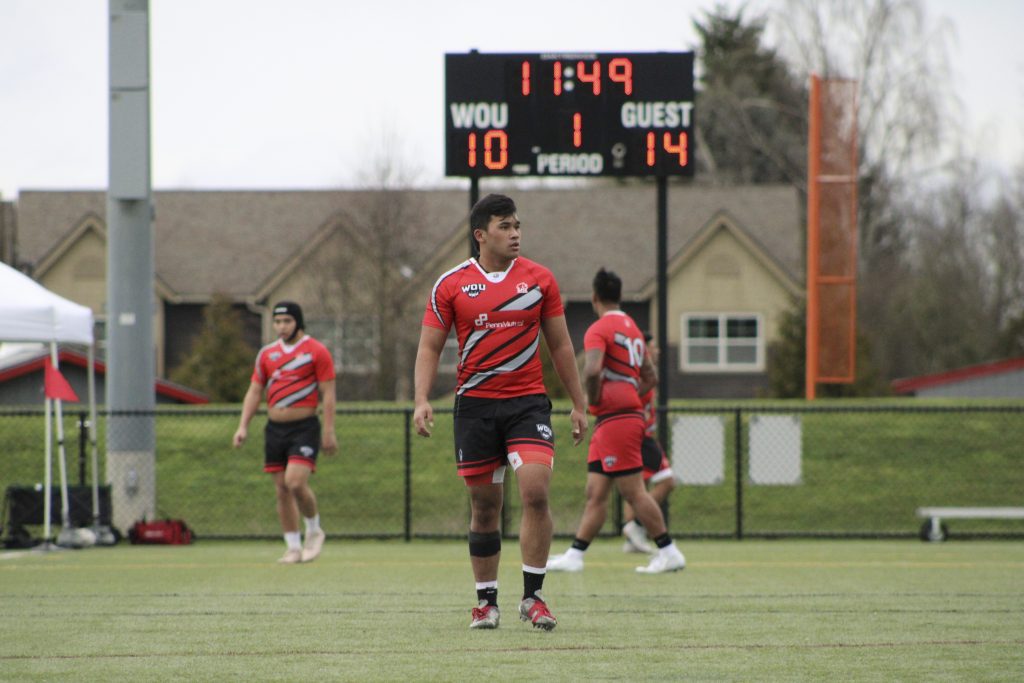
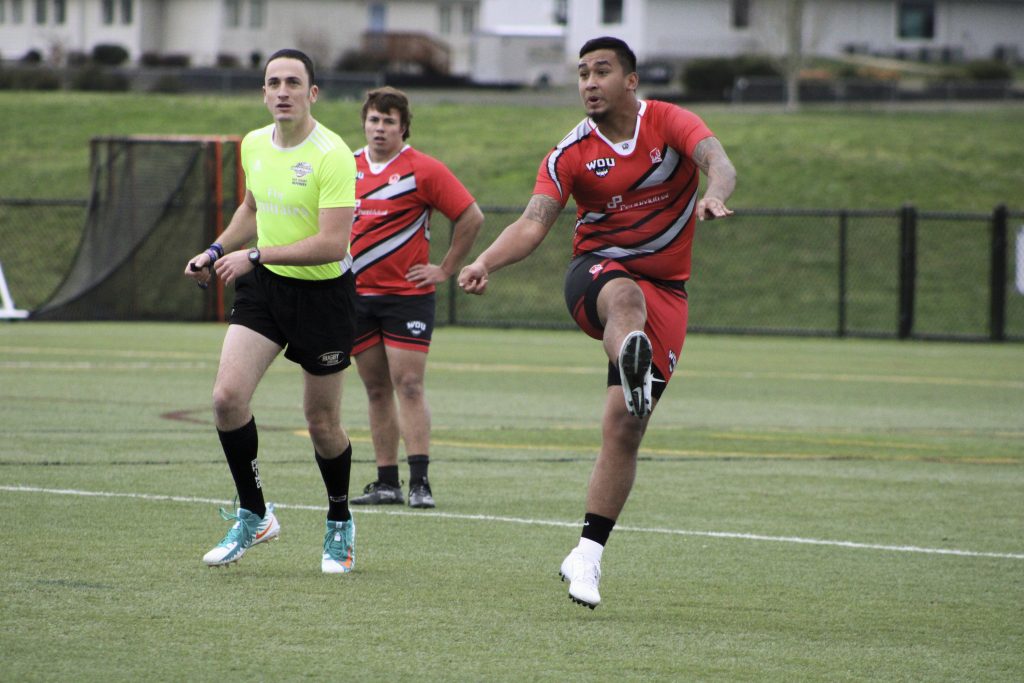
This past Saturday, Feb. 1, the Men’s Rugby team held a friendly match against the Oregon State University Beavers — a team they beat during the 2019 season.

The first half, the Wolves were challenged, showing more exhaustion by every passing minute. With only 26 more seconds left, the Beavers persisted on, getting a few more points — Beaver forward juked out multiple Wolves and broke through to finish and score, making the score 21-10 at the start for the second half.

The Wolves showed great power and strength coming onto the field for the final half — dominating on the defensive end and stopping the Beavers attack. However, the Beavers were able to catch the Wolves off guard and score, and made the score 28-10.

As the game continued, more and more Wolves got injured and lost energy. Luckily, the Beavers showed great sportsmanship and sent one of their own to join the Wolves. 

Twenty minutes into the second half, the Wolves finally scored, bringing themselves within six points of the Beavers.

As the clock counted down, it was easy to tell who was going to win this match — the Beavers kept knocking at the Wolves’ door with no fight back from the Wolves.

Beavers were able to walk away with a 47-22 win, a 25-point difference.

The Wolves’ next home game is on Saturday, Feb. 8 versus Pacific University. Go out and support this club team.


Contact the author hgreene18@wou.edu

Photo Courtesy of Emily Prall

Futsal kicks off winter season

Hannah Greene  | Sports Editor

Scoreboard for Futsal Open Sunday League.


Teams Wins Losses Total Standing Points
the Benders 1 3
Black Ninjas 1 3
Sumo 1 3
LFG 1 1 3
Straight Shooters 1 1 3
the Quickies 1 0
UTU Banghz 1 0
And the Funky Bunch 1 0


As of right now, the Benders, Black Ninjas and Sumo take the top three seeds with the highest points. The Benders lead with the most points scored, while the Black Ninjas lead with the least amount of points against. Who’s going to win overall?


Contact the author at hgreene18@wou.edu

Super Bowl LIV makes for a memorable one

Hannah Greene  | Sports Editor

Still a little hurt over the loss of my sweet cheeseheads, I sit down and cheer on the Chiefs. 

Grubbing on Mendi’s Pizza, on Sunday, Feb. 2, in front of a big screen, Super Bowl LIV (54) begins with a heartwarming entry — a young boy carrying a ball from his gridiron all the way to the Dolphins stadium in Miami to pass along the game ball to ref on the actual field. 

Super Bowl LIV marked the NFL’s 100th season, making for a lot of memorable commercials and breaking of the glass ceiling. 

Samantha Gordon, a 15-year-old stud football player, was featured in the 100-Year Game commercial, why you ask? Remember that little girl that was breaking headlines for playing, and beating every defender, in a youth football league? That’s her now, making a change for future generations. Gordon started an “all girls” football league that she hopes will be brought to the high school level — a dream more and more young girls have everyday.

This Super Bowl was also very special, it was the Chiefs second time winning a Super Bowl and their first appearance in 50 years. This game brought the best defense, the 49ers, versus the best offense, the Chiefs, a match made in heaven. That saying, “defense wins championships,” didn’t apply to this win, with Patrick Mahomes setting up teammates throughout the whole game — and becoming the youngest player in NFL history to win a “League MVP” and a Super Bowl Championship, at the age of 24. 

Coach Andy Reid had the most wins (222) by any head coach without a Super Bowl title, until this last Sunday where he ended his Super Bowl drought at the age of 61 — finally capturing that all elusive Lombardi trophy. And shoutout to Shakira and J-Lo for the awesome halftime show, representing the latina community and showcasing the moves and vocals they got.

As most of us may know, the Super Bowl has become one of the most celebrated days of the year, but what most of us may not realize is that sex trafficking is at it highest during this day, according to ESPN and NPR. Florida is ranked third nationally for sex trafficking which caused the Miami-Dade county to make precautions and help to prevent sex trafficking. “It’s a Penalty” is a global campaign using the power of sports to address the issues of human trafficking, where several NFL players have made campaign videos for. Though, during the game there was no recognition towards human sex trafficking, there are many movements and people put on the front lines to help combat this.

The Super Bowl, one day a year that symbolizes our country — and although this is a great day for a lot of people, there are those less fortunate who have to deal with the negative effects of what the sport brings to our country. 


Contact the author at hgreene18@wou.edu

A look at Western’s women’s athletics through the ages

Caity Healy | Managing Editor

If one were to look at Western’s varsity athletics in 2020, they’d see six sports offered specifically for women. What might not be so easily seen is the history that went into getting to this point. 

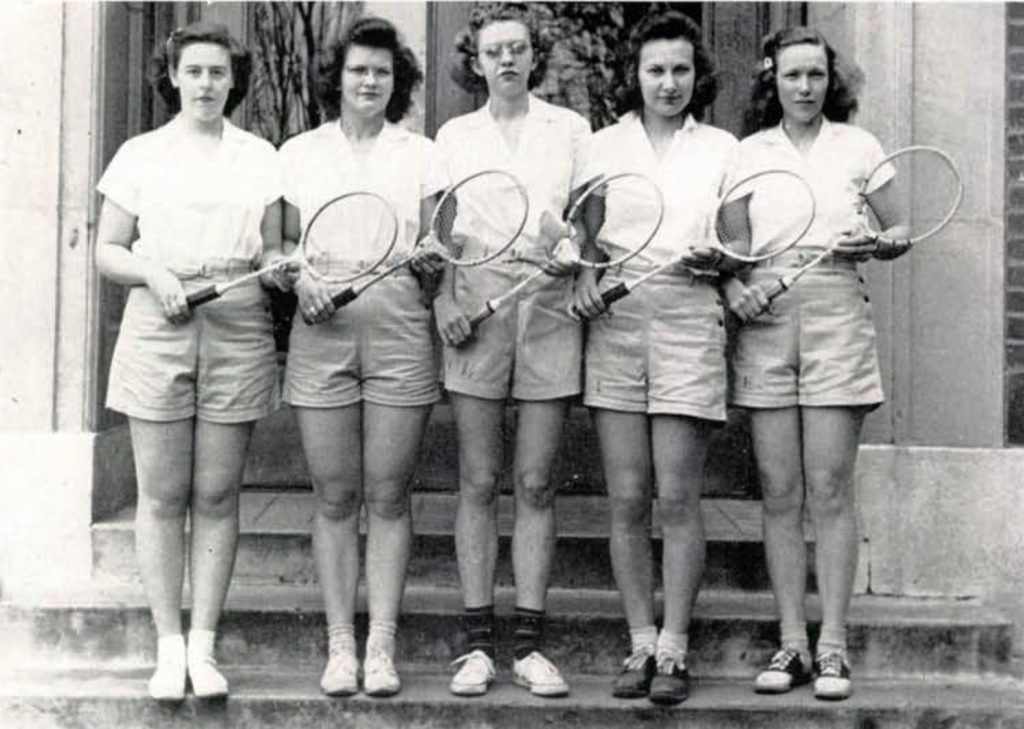
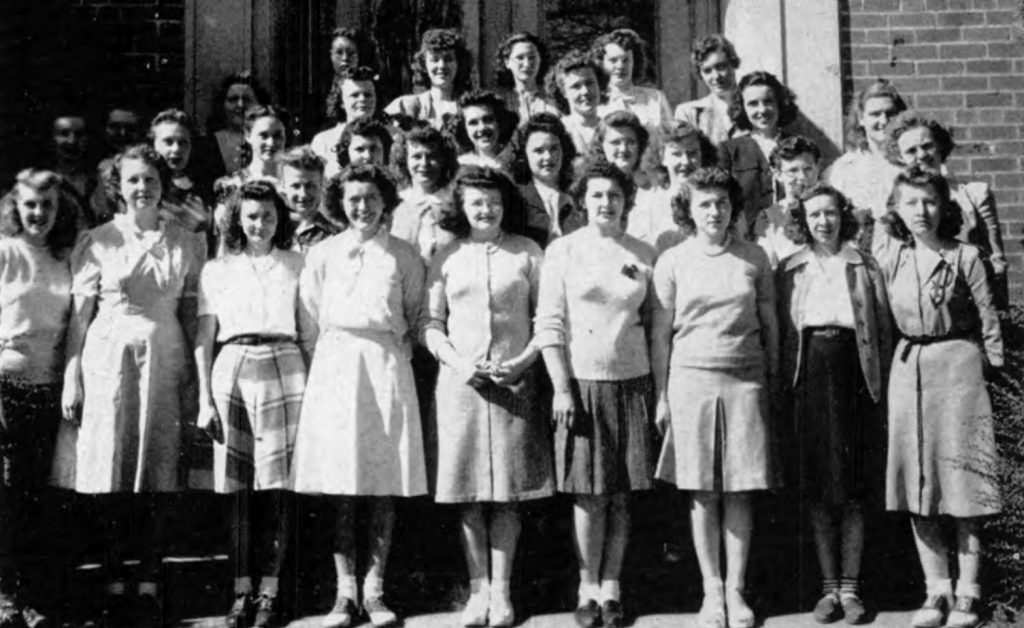
While it’s commonplace to now look at schools and see an equal offering of varsity-level athletics for men and women — largely due to Title IX — it wasn’t always this way. While Western Oregon University was going through its many name changes between the 1920s to the 1970s, it was also going through a large change in the way women were provided access to athletics on campus — through the rise and fall of the Women’s Athletic Association.

The first mention of the WAA at Oregon State Normal School came in 1928 through the yearbook, then titled “The Norm.” By this point, some sports existed for women on campus already. In fact, the women’s basketball team dates back to the beginning of the century. But, it was one of the only sports provided on a varsity-level for women. Therefore the WAA was established to, “promote further interest in athletics for women and good sportsmanship.”

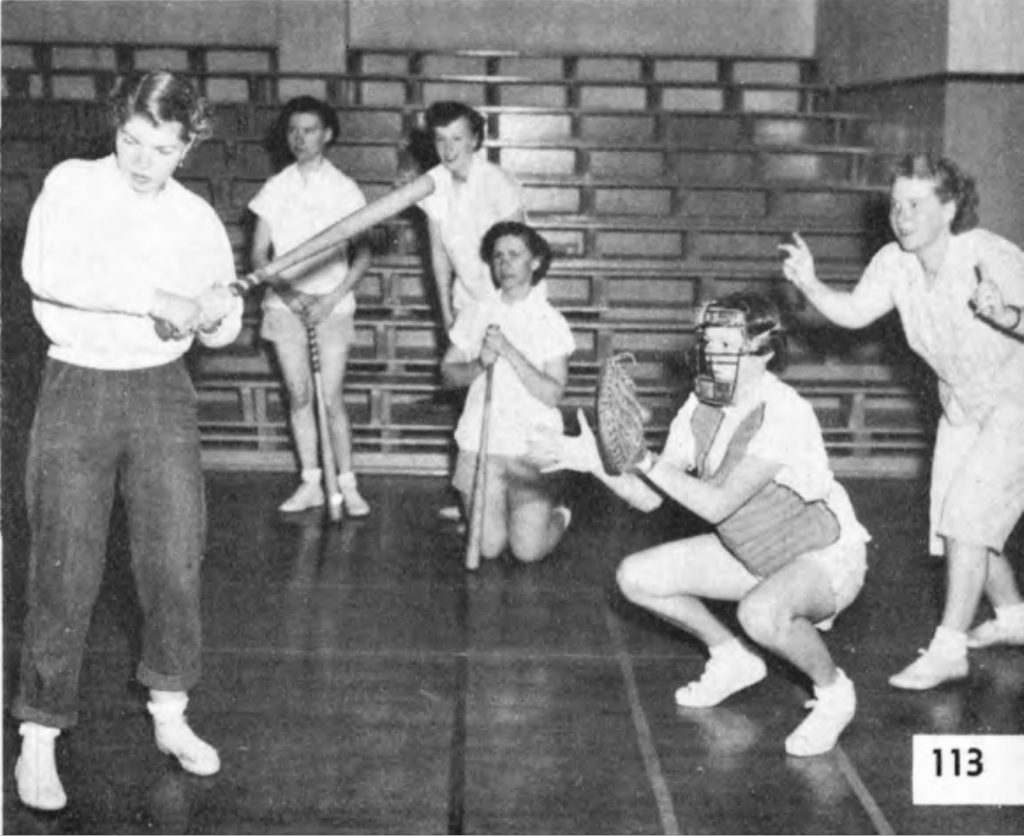
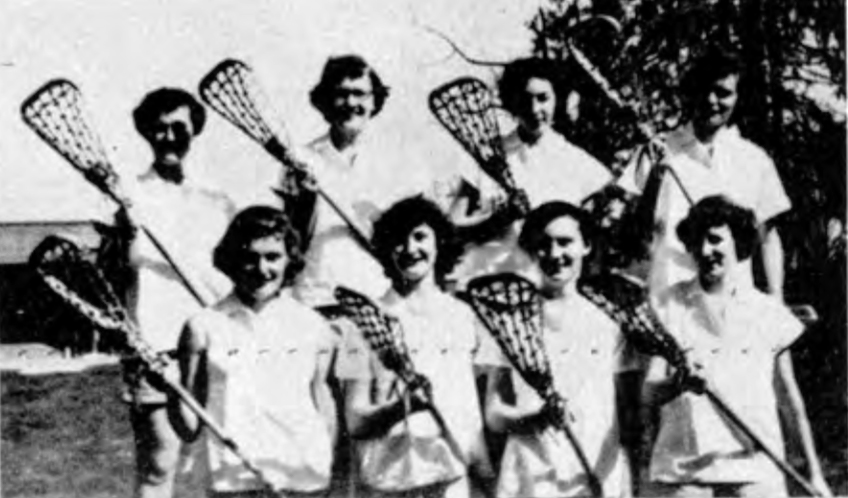
With the WAA came more options for women. The athletic offerings varied over the years, but throughout its time on campus, some sports to choose from included baseball, hiking, basketball, soccer, swimming, tennis, volleyball, folk dancing, archery, horseshoes, tumbling, volleyball and more. 

When it first began, any female student was able to participate. But, by 1930, the WAA made some changes to the rules governing the organization: students had to earn 50 points to remain eligible as a member of this association. 

The point system, as explained in the 1930 “The Norm,” rewarded points to women based on which sport they chose to participate in, and based on how frequently they participated. For instance, if one made “class team” for basketball, they’d earn 100 points. If they were “second class” in basketball, they earned 75 points. If one made varsity in tennis, they’d earn 500 points. If they hiked 100 miles on the hiking team, they’d earn 100 points. To remain eligible as a member, women had to earn 50 points; to become eligible for the Women’s Order of the “O” — which was a way to recognize outstanding athletes — they had to earn 250. And finally, if they were to earn 500 points, they would get a sweater.

Mentionings of the WAA changed abruptly in the 1950s, as it turned from Women’s Athletics Association to Women’s Recreation Association. At this point, it seemed they were no longer considered to be school teams, but rather, intramural teams. There also was no longer a point system; according to the 1950 yearbook “The Grove,” “No exceptional skill or talent is required for these activities and all girls are encouraged to participate.” 

From that point on, the mentions of WRA were lessened by the year. While still a part of campus, it moved from being included with athletics to being grouped with clubs and organizations. Through the 1950s and 1960s, women’s varsity athletic teams did exist on campus — the focus, however, tended to lie on men’s athletics.

The last time WRA is explicitly mentioned in the archives is in the year 1970. After that, it became “Women’s Athletics,” and was considered to be on the same level as men’s sports. This, perhaps, coincides with the passing of Title IX in 1972.

No person in the United States shall, on the basis of sex, be excluded from participation in, be denied the benefits of, or be subjected to discrimination under any education program or activity receiving Federal financial assistance,” states Title IX under the U.S. Department of Education. 

While there’s no factual proof that Title IX resulted in the death of WRA, there is certainly a reason to speculate. WAA/WRA existed because women wanted to play sports, but they weren’t given the means to play at the level that their male counterparts were. Through Title IX, there was no need for this organization anymore. Women athletics were legally mandated to be offered at the same level as men’s. 

Though the Women’s Athletic/Recreation Association no longer exists at Western, its legacy lives on through the team sports that the organization once spearheaded on this campus.


Contact the author at chealy16@mail.wou.edu

Photo courtesy of WOU wolves

Coffee Talks connects students to local businesses, helps develop career-readiness skills and opens pathways to success

Sage Kiernan-Sherrow  | News Editor 

Coffee Talks are an ongoing program hosted by the Service Learning and Career Development Center located in the Werner University Center. They are small, comfortable events that connect students with local businesses in the hopes that students will be able to gain more information about a potential career path. Brooke Kline, a Peer Career Advisor under SLCD, said they were created, “with the idea in mind that we wanted students to have a more casual meeting with potential employers,” as opposed to formal recruitment events such as career fairs. 

According to Kline, for students with a genuine interest in the organizations, it’s best to go in with some questions prepared — such as if they are looking to employ people with specific majors — but anyone is welcome and the recruiters are always very passionate talking about what they do.

“We get feedback from quite a few employers saying ‘I’ve met with a lot of great students today who were very interested in our program’ and later on we hear that they actually have a job there,” Kline said of the program’s success rate.

Typically, Coffee Talks occur approximately eight times per term, always falling on Tuesdays between 2-4 p.m. in the WUC near the Wolf Grill and they invite a wide range of organizations to participate. Last Tuesday, Jan. 28, Mustardseed Preschool was invited and the next upcoming organization is the Chintimini Wildlife Center, which will be engaging with students next Tuesday, Feb. 11. If an organization is hiring, their job postings will appear on Handshake, and Coffee Talks sometimes offer resume or application-building workshops as well. Students interested in finding future Coffee Talks can find the full schedule on Handshake, located in the Portal, or refer to Western’s event calendar. 


Contact the author howlnews@wou.edu

Photo by Kay Bruley

While cases of the Coronavirus dot the map, Oregon is not yet affected and does not anticipate it crossing the borders.

Sage Kiernan-Sherrow  | News Editor

Coronavirus is a multi-strand respiratory illness that, while newer, has been well-documented. A new strand, 2019-nCoV, caused an outbreak in Wuhan, China and has spread across borders, with 11 confirmed cases appearing in the U.S. — the case closest to Western being in Everett, Washington. An article published by The New York Times on Feb. 3 states that the current amount of deaths from the virus within China equate to 361, exceeding that of the SARS outbreak in 2002 and 2003. 

Jennifer King, the Medical Services Director and a Family Practitioner at Western, shared that the virus is highly contagious and spreads through close contact, but also said “the risk is very low for Oregon. We don’t have any cases or contacts from Wuhan, so it’s a very low risk for the university.”

Coronavirus’ symptoms are identical to the flu when they first begin — high fever, cough, difficulty breathing — which become more severe later on. In that regard, the Student Health and Counseling Center wants students to come in or call their health provider if any flu-like symptoms occur. 

“A lot of it is preventable,” said King, who suggested washing hands, covering coughs, staying hydrated, managing stress and not travelling to China currently as basic prevention techniques. 

At the SHCC, Western’s medical professionals will treat flu-like symptoms as they usually would, with the caveat that if they did suspect someone of having the Coronavirus, they would use standard personal protection equipment before contacting the Polk County Health Department.

“We would take direction from them as far as testing goes because we don’t have the test. We would pretty much hand that over immediately to public health and follow CDC recommendations,” said King.

On Coronavirus, King said, “every single day it’s changing as we learn more about it,” but advises against any fear on campus. King said that such an occurrence is extremely unlikely and reminded everyone that comparative to the Coronavirus, 8,000 deaths occured in the U.S last year from the basic flu alone. 


Contact the author howlnews@wou.edu

Photo by Kay Bruley

Despite Oregon’s increasing high school graduation rate, Western’s enrollment is down 5%, leading to discussion about how Western will attempt to expand enrollment in the future.

Sage Kiernan-Sherrow  | News Editor

According to The Statesman Journal, over 78% of Oregon high school students graduated within four years between 2017-18 — still the second lowest state in terms of graduation, behind the District of Columbia. At Western, enrollment was down 5% at the beginning of the 2019 school year. But what do these two factors mean regarding Western’s future success? I sat down with Director of Admissions, Rob Findtner, to find out: 


Q: With the news that Oregon’s high school graduation rate is much higher this year, do we expect that’s going to affect enrollment next year?


A: Well, I think signs right now are pointing in a positive direction for new students. Freshman applications were a little up over 4% compared to last year and then our freshman admits are up 12%, but also our non-resident, out-of-state numbers look positive. However, for the former, they might not yeild as high because they tend to stay closer to home, for family reasons, cost of attendence, etc. But for Fall 2020, things look positive for our freshmen numbers, and for Oregon residents we know that’s a significant part of our population and historically, that’s where we have had success and that’s part of our mission — serving the state of Oregon. Taking care of our Oregon students is crucial to our success and future success. As we think about our outreach as an admissions office, we’re very sensitive to that fact and we make sure to spend time in the state of Oregon, whether that’s Salem-Keizer or Central Oregon, crucial areas for Western. We have students that represent just about every county. Our first priority is the state of Oregon, but we’re also making sure that we’re presenting options for students from Washington and California, including financial incentives like the WUE program. We are trying to cast a wider net for students from Texas, offering a tuition-rate mimicking the WUE program, which has been somewhat of an experiment for us. It’s a little too early to tell, but we are seeing applications from there. What I think is equally important is looking at student demographics. We’re seeing an increase in students who identify as Hispanic or Latinx. President Fuller has been very public about Western aspiring to be a Hispanic-Serving Institution so we have to think about our outreach efforts to make sure we are serving all students and their families and think about our programs and content, whether that’s tour opportunities available in Spanish, etc. So, things look positive for 2020 but we realize that’s also a very competitive environment. There’s many institutions in jeopardy of closing because of low-enrollment and articles detailing what they plan to respond to those challenges, and I think that’s what we face as well. Many institutions are including added incentives into the enrollment process because admissions has become so competitive. And I think for seniors trying to make a decision for what’s best for them and trying to cut through all of that noise, it can be really difficult. 


Q: Western has obviously made many new improvements in terms of campus expansion and renovations. What do you think are the biggest reasons for students who’ve decided to come to Western?


A: I think one of the biggest pieces is our faculty and their focus being educators and teachers where the students are put first. Western has always been about its students and I give a lot of credit to Dr. Fuller for being the driving force in reinstating what we’re here for in the first place. I think another aspect are the opportunities outside of the classroom that a university of our size can provide, whether that’s being included in Student Media, or to be a student ambassador, or an RA, the size of campus is really conducive to student involvement. Another strength that I hear from students is the diversity of our campus. Sometimes there are some preconceived notions about Western, and then students come to visit and realize it’s more diverse than they thought. The WUE tuition rate is also a draw, but we have some competitive scholarship opportunities for Oregon-residents as well as students outside the state of Oregon. We now have a $1,000 campus visit award so high school seniors or transfer students, if they visit by Feb. 1, qualify for that one-time award as a part of their aid package if they are admitted. It’s helping with our visitation numbers as well, because students who are on the fence about visitation now have a financial incentive. 


Q: Do you have any insight into why the enrollment dipped down 5% last year and why it is projected to increase this upcoming year? 


A: I think nationally, what we’re seeing is that any time the economy is thriving there is a potential for a negative impact in terms of higher education where someone who is graduating high school might think ‘you know what? A college education is waiting for me’ whereas they might have an employment opportunity already lined up. I think that’s a challenge. And as I mentioned, it’s been competitive as far as the recruitment process goes. Certain states have been offering incentives to stay, and in Oregon we have the Oregon Promise, which gives students the opportunity to go to a community college before transfering. It’s a great program in terms of access to higher education but can pose a challenge in terms of enrollment for first-time freshmen. There are so many factors that can impact a student’s path. We know that what we see the trend to be is that there will be a period of growth in high school graduation rates, but within ten years there could be a decline. It could be a positive in the West currently, but then there will be a dip elsewhere. The general perception is that public universities could be in a good place, but there are concerns about private universities. The East coast is bracing for challenges in terms of graduation rates and might be looking at how they need to survive and looking to the West for that information. What you’re seeing is that certain individuals are hiring regional recruiters to draw students in and minimize enrollment decline, and for many they’re placing recruiters on the West Coast. 


Q: Following up on that, we’ve created a few programs here at Western to assist students in transferring with their associates or re-entering higher education at a later time in their life, correct?


A: Yes. Whether it’s the advising path or the jump-start aid opportunities or Oregon Promise, we have many incentives for students to choose Western. 


Q: For the students who are coming directly from high school and entering the workforce, would you, for one, rather they go into higher education and, two, why?


A: It does become very personal. Students can graduate and enter a trade where they can become successful, and maybe that was the right choice for them. For some people, higher education isn’t a good match. But I think that students should think about their career because ultimately, higher education might have a role in that. Say you might have two individuals on a career path and one holds a bachelor’s while the other does not meet the equivalent, and there becomes a point in which there is time to advance. The individual holding the bachelor’s degree has that opportunity. 


Contact the author at howlnews@wou.edu

Tips for those who want to get a new piercing

Rylie Horrall  | Lifestyle Editor

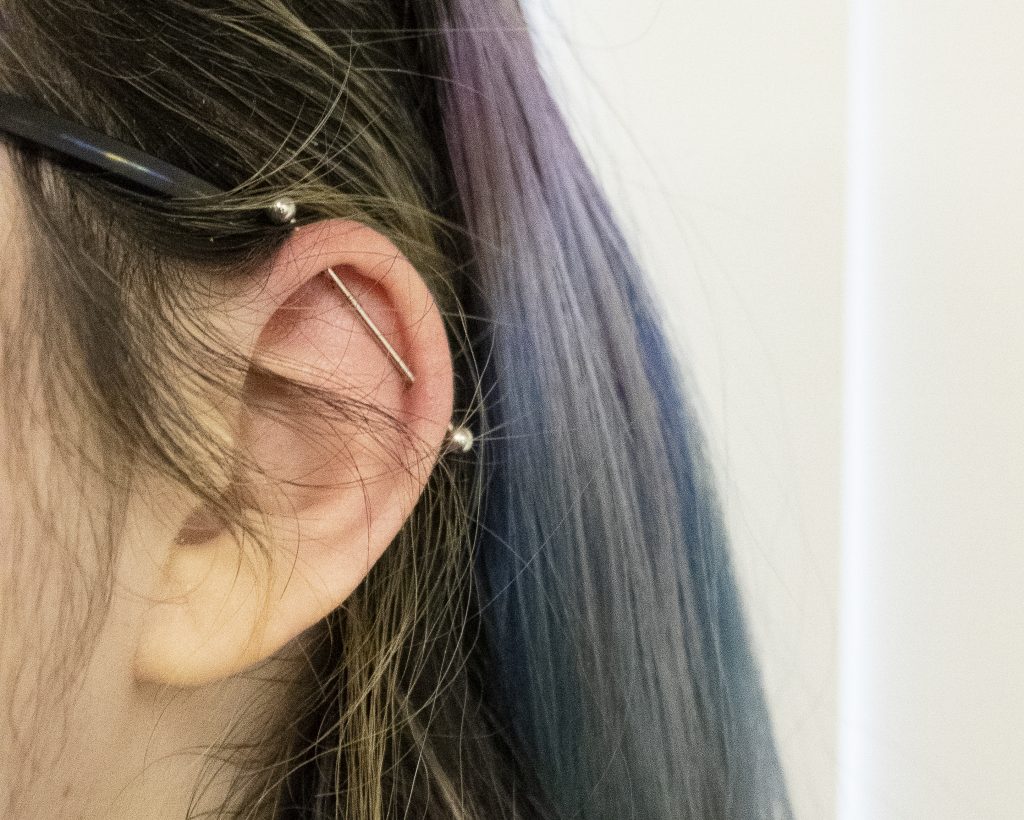
Getting a new piercing can be a fun, spontaneous activity when wanting to try something new. I was someone who got their ears pierced when I was very young, but as I got older, I wanted to get more — specifically in my ears. One thing I didn’t realize was just how much work went into taking care of different types of piercings, so I thought I’d jot down a few tips for anyone who is pondering the idea of getting one.

  • Always remember to clean it when necessary. Piercings can get infected very easily if careless, so it’s important to clean the spot every day for at least the first few months — unless instructed otherwise. Many businesses that offer piercings often will include a piercing care kit post-piercing, but for those that don’t have an after-care kit, use a saline solution to keep it from getting infected.
  • Do not take the piercing out until enough time has passed, ensuring that it won’t close. Sometimes the piercing will get infected despite one’s best efforts — and the pain can potentially drive people nuts. Some might think the ideal thing to do is to take the jewelry out, but depending on how much time has passed since it was pierced, it could close very quickly. Others may just be sick of the stud, hoop or bar that is currently being used, however the same problem will happen; it’s important to wait until the hold is healed for a long enough period that it won’t close.
  • Use hypoallergenic jewelry during the healing stage. For example, once it’s okay to switch out earrings, make sure the studs or hoops are safe to put into a new piercing. If the metal on the earring isn’t hypoallergenic, it can irritate the piercing and make it become sore or infected, potentially both. 
  • Don’t let jewelry snag on anything — clothing, hair, bags, etc. — because it will definitely hurt. Become more mindful of the piercing to avoid hurting yourself; having unneeded soreness is a pain and can be easily avoided. Make sure hair isn’t looped around an earring when putting up hair, or wear clothing without mesh or lace so it doesn’t get caught.
  • Finally, try not to touch the piercing too much after it’s first done. Hands can carry a lot of germs, and a newly sensitive area will sap them up easily. It’s cool to see that there’s something new on the face, ear or body, however, for the sake of the piercing, just don’t touch it.


Contact the author at rhorrall17@wou.edu

Photo by Kay Bruley

This week in completely made up horoscopes

[fruitful_tabs type=”accordion” width=”100%” fit=”false”]

[fruitful_tab title=”Aries 3/21-4/19″] Round 1: FIGHT [/fruitful_tab]

[fruitful_tab title=”Taurus 4/20-5/20″] You may think that was a good idea, but be honest with yourself… it most surely was not. Have fun fixing it. [/fruitful_tab]

[fruitful_tab title=”Gemini 5/21-6/20″] You want some advice? [/fruitful_tab]

[fruitful_tab title=”Cancer 6/21-7/22″] An apple a day keeps the doctor away; an apple aimed at his head keeps him away for life. [/fruitful_tab]

[fruitful_tab title=”Leo 7/23-8/22″] Don’t let yourself get overshadowed by the DiCaprios and DiVincis of the world… can’t all be special. [/fruitful_tab]

[fruitful_tab title=”Virgo 8/23-9/22″] 🙁 Virgo, you’re the snack that DOESN’T smile back, and that’s ok 🙂 [/fruitful_tab]

[fruitful_tab title=”Libra 9/23-10/22″] Take some time to relax Libra. Maybe grab some popcorn, place some bets, and watch the Sagittarii v Capricorns fight it out. [/fruitful_tab]

[fruitful_tab title=”Scorpio 10/23-11/21″] It’s okay, Spring Break is only 54 days away. [/fruitful_tab]

[fruitful_tab title=”Sagittarius 11/22-12/21″] Attack any capricorn you see today 🙂 [/fruitful_tab]

[fruitful_tab title=”Capricorn 12/22-1/19″] Be safe, you’ll probably get attacked by a sagittarius today. [/fruitful_tab]

[fruitful_tab title=”Aquarius 1/20-2/18″] Inserting yourself into the Sag v Cap situation will definitely make it better 🙂 [/fruitful_tab]

[fruitful_tab title=”Pisces 2/19-3/20″] Steer clear of both Sagittariuses and Capricorns this week. Both are crazy tbh. [/fruitful_tab]

[/fruitful_tabs]

Opinion: Representation in media matters

Caity Healy  | Managing Editor

The other week, I was binge-watching the second season of Netflix’s “You.” Part way into the season, they introduced a d/Deaf/Hard-of-hearing character — it’s not obvious how he identifies, which is why I use both forms of the letter “D” as well as “hard-of-hearing” — as the late husband of a main character. 

I could write a whole other piece about the way that the other characters addressed the d/Deaf character, but that’s not the point I’m making today; rather, I want to focus on how viewers addressed this character, and characters alike.

When I sat down to watch the episode, I had a friend with me. Afterwards, they said something along the lines of, “the problem with having so many d/Deaf characters is that it just isn’t realistic. It throws off the balance.” My reaction? That’s absolutely ridiculous.

To be clear, this isn’t the first time I’ve heard someone say something along these lines. I’ve heard it regarding disabled folks in TV/film, LGBTQ+ in TV/film and I’ve heard it about other minority or other-identifying groups. I’ve heard people say that it bothers them how unrealistic the “overrepresentation” is, and it leaves me with a few questions: is it really overrepresentation or throwing off the balance? Also, in most cases, does it really matter how “realistic” a film or TV show is? Finally, is it really the “accuracy” of the representation that bothers you, or is it internalized bias?

Let’s start with the question of whether it is or is not realistic. According to cdc.gov, 61 million adults in the U.S. have a disability — roughly 1 in 4. So, in order for media to be “accurate,” 1 in 4 characters would need to have a disability. Of course, not all disability is visible. But that’s what’s important — representing folks who identify with all different kinds of disabilities. 

Now let’s answer question two: if realism is really important or not. Unless you’re watching a documentary, or watching a historically-based program, I would argue that it doesn’t matter. We can’t pick and choose when realism is important or not. If it doesn’t bother you that an impossible plot is occurring, it shouldn’t bother you that there is a larger number of minority characters, which brings me to my final point.

Self-reflection is an important practice. If you are bothered by something like this, you might want to ask yourself why. If you can’t whole-heartedly say that it is due to the fact that you find it unrealistic, then it probably has something to do with your internalized bias against folks who identify in ways that you might not. We all have our biases, and if you aren’t reflecting on them, you’ll only perpetuate them.

A change in perspective could do viewers a lot of good if they find themselves upset by this representation in media. The only way to normalize representing the underrepresented, is to simply give them screen time — played by actors who actually identify with their character’s identities. It’s time to become comfortable with the fact that these folks deserve the roles they’re earning. It’s time to realize that these characters are here to stay, and they’re just going to keep coming.


Contact the author at chealy16@wou.edu

Opinion: Is Western really going to become Hispanic-serving?

Mia Sierra  | Guest Writer

As a Hispanic student, more specifically a Mexican student, one way I like to be involved on campus is by attending M.E.C.H.A. meetings. M.E.C.H.A. — which stands for Movimiento Estudiantil Chicano de Aztlán — is a club that seeks to promote Chicano unity and empowerment at Western. In one meeting, the topic of Western becoming a Hispanic Serving Institute came up. This means that 25% or more of students attending Western identify as Hispanic, which will lead to the university getting more money. 

I was surprised when I heard that Western was planning to become Hispanic-serving. First, because I didn’t even think that there were any Hispanic Serving Institutes in the United States, and second, because seemingly no one has talked about it. 

I checked Western’s student racial demographics online. It shows that 60% are white, while Hispanic/Latino students make up about 15%. For a school to be eligible to become a Hispanic Serving Institute, the college or university must have 25% or more Hispanic students enrolled, said Gina Ann Garcia in her book  “Becoming Hispanic-Serving Institutions: Opportunities for Colleges and Universities.”

For Western to become Hispanic-serving, administration must find a way to increase Hispanic enrollment from 15% to 25%. In a speech I found online from Sep. 17, 2018 titled “President’s State of the University Address Rice Auditorium,” President Rex Fuller addresses Western’s goal to become a Hispanic Serving Institution. 

“As one of our objectives in this plan, WOU should embrace the goal of becoming a Hispanic Serving Institution. Once achieved, WOU would be the only four-year institution in Oregon with such a designation. To achieve this, we need to see Hispanic enrollment grow from 16% to 25% of total enrollment. Or, we need to grow from just under 800 to 1,200 Hispanic students,” Fuller said.

With the need of increasing Hispanic enrollment, I don’t think that Western will be able to achieve a 25% Hispanic student population. The reason I believe this is because during M.E.C.H.A. meetings, many of the students expressed how they don’t feel represented here at Western. They feel that Western lacks the resources for representation and aid for Hispanic/Latino students. This may cause Hispanic students to transfer to a different university and deter future students from attending Western.   

Although Fuller talks about the goal for Western to become a Hispanic Serving Institute, I noticed that he doesn’t talk about how Western plans to increase Hispanic enrollment, he just talks about what needs to happen. With no plan of action, is Western Oregon University really going to be a Hispanic Serving Institute?


Contact the author at mcelest01@gmail.com

Try these date ideas for quickly approaching Valentine’s Day

Rylie Horrall  | Lifestyle Editor

Valentine’s Day is a time where many people decide to go out on dates — whether it’s a first date with a stranger, or an outing with a long-term partner. In a small community like the Monmouth-Independence area, it can be difficult to find a place to go to. Here are a few suggestions for those thinking of going out on Valentine’s Day.

A simple date can involve going to the movies, and the Independence Cinema isn’t far for those looking to watch one on Valentine’s Day. Located at 450 S. 2nd Street in Independence, it can provide the perfect low-key and relaxing date for a couple of lovebirds. Currently, there are options for those wanting to see a drama, horror or animated film, but the showings for Valentine’s Day are not confirmed. Potentially, couples can choose to watch the upcoming horror “Fantasy Island,” the fun fantasy “Sonic the Hedgehog” or the romantic drama “The Photograph.” For those that want to inquire at showtimes, they can go to the website independencecinema8.com, or call (503) 606-3000. Closed-captioning devices are available at the front desk at each showing.

Jubilee Champagne and Dessert Bar is nearby for those wanting to eat something sweet with their sweetheart. In addition to desserts and champagne, the establishment also has various things to choose from for a lunch date. Jubilee Champagne and Dessert is located at 296 S Main St. in Independence, and is open Tues.–Fri. 3–9 p.m., Saturday 10 a.m.–9 p.m. and Sunday 10 a.m.–8 p.m. If a more sophisticated and romantic dinner is the goal, try Roberts Crossing in Salem, which has an extensive dinner and drink menu. Roberts Crossing is in Salem at 3635 River Road South and is open Tue.–Thu. 4–9 p.m., Fri.–Sat. 4–9:30 p.m. and Sunday 4–8:30 p.m. More information can be found on Jubilee’s Instagram (@jubilee.champagne.dessert) and Facebook, and Roberts Crossing’s website robertscrossing.com.

While these places can be great for going out, a nice night in at home can be a perfect alternative for those that would rather stay in or save money. A romantic night at home can involve cooking a meal together, snuggling up under a blanket to watch a movie, baking something sweet, painting together or anything else that comes to mind.


Contact the author at rhorrall17@wou.edu

Planning the perfect Super Bowl party

Rylie Horrall  | Lifestyle Editor

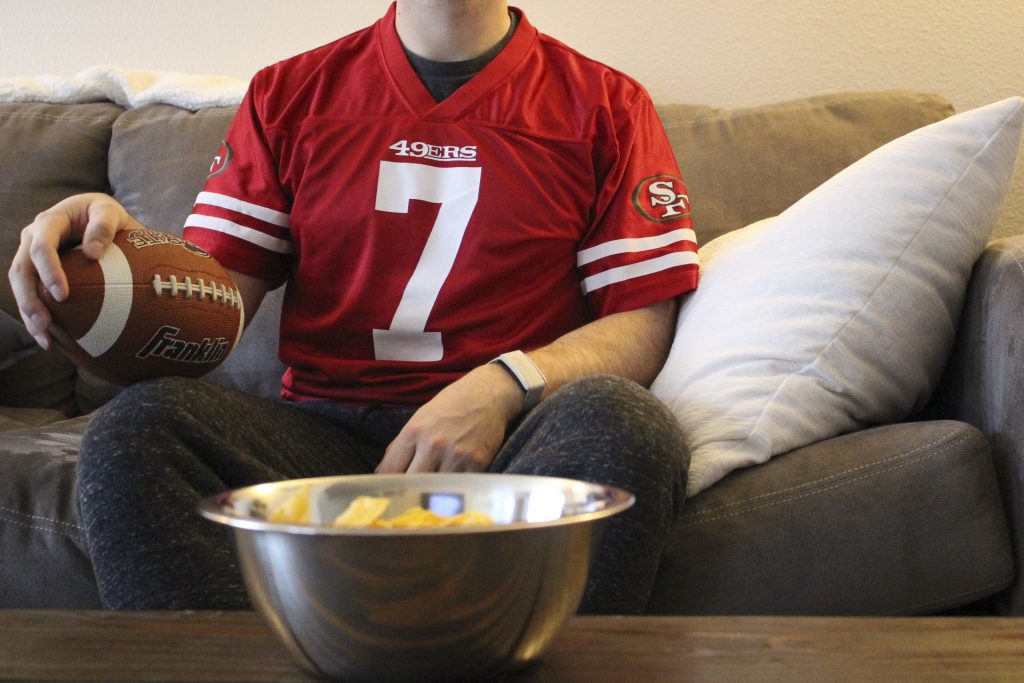
Snacks: For most parties, snacks are some of the most important must-haves. People will graze on chips while watching TV, or start a conversation over the appetizers. An easy set up is an assortment of chips in large bowls sporadically placed around, or, if chips aren’t preferred, use pretzels and popcorn, or a combination of all of these to provide variety. Other finger foods that can be prepared with minimal effort are mozzarella cheese sticks, mini corn dogs or hot dogs, pizza rolls or various fruit and vegetable platters. Alternatively, simply ordering a pizza is a quick way to provide food for a larger group of people. 

For those that decide on chips, try making one of these dips to pair with it.

ONION DIP

Start to finish: ~1 hour

1 packet of onion dip seasoning

16 ounces of sour cream

Add sour cream to a bowl with the onion dip seasoning. Mix together thoroughly and let it sit for at least an hour before serving. Alternatively, seasoning can be poured straight into the sour cream container.

BACON CHEESEBURGER DIP

Start to finish: 40 minutes

½ pound ground beef

6 strips bacon, cut into 1 inch pieces

1 small onion, diced

1 clove garlic, chopped

4 ounces of cream cheese, room temperature

½ cup sour cream

¼ cup mayonnaise

¾ cup mozzarella, shredded

¾ cup sharp cheddar cheese, shredded

1 tablespoon Worcestershire sauce

2 tablespoons ketchup

1 teaspoon mustard

Cook the ground beef in a skillet over medium heat. Once finished, drain the grease from the pan and set it aside. Cook the bacon in the same pan until crispy for about 6–10 minutes. Set aside and save a tablespoon of the grease.

Add onion to the pan with the bacon grease and saute until tender, about 5–7 minutes.

Add the garlic and saute until fragrant, about a minute, being careful not to let it burn.

Mix the ground beef, bacon, onions and garlic, cream cheese, sour cream, mayonnaise, ½ cup of the mozzarella cheese, ½ of the cheddar cheese, Worcestershire sauce, mustard and ketchup together in a large bowl. Pour into a baking dish.

Bake in a preheated oven (350 °F) until the top starts to turn a light golden brown and bubbling, taking about 20–25 minutes. A few minutes before it is done, add ¼ cup of cheddar cheese and a ¼ cup of mozzarella cheese to the top and stick it back in the oven until the cheese is melted. Serve with warm tortilla chips.

Recipe from wishesndishes.com


Decorations: No party is complete without decorations, but they don’t have to be extravagant. Red, white and yellow or gold — depending on the preference of team — can serve as the palette for decorations. Something simple like streamers can liven up a room in no time. They can be hung up where the wall meets the ceiling or arranged in the doorway in an alternating pattern. Draping all three colors on a bare wall will make for a fun, themed photo opportunity to prove just how lively the day was. 

Another decoration choice is a banner; many stores offer blank ones that can be customized specifically, or a cheaper route is to buy one and write on it. Pennant banners can come in a variety of colors to match the theme of the party, and can be relatively low cost. Take a black, gold or silver sharpie and go crazy with writing witty slogans.

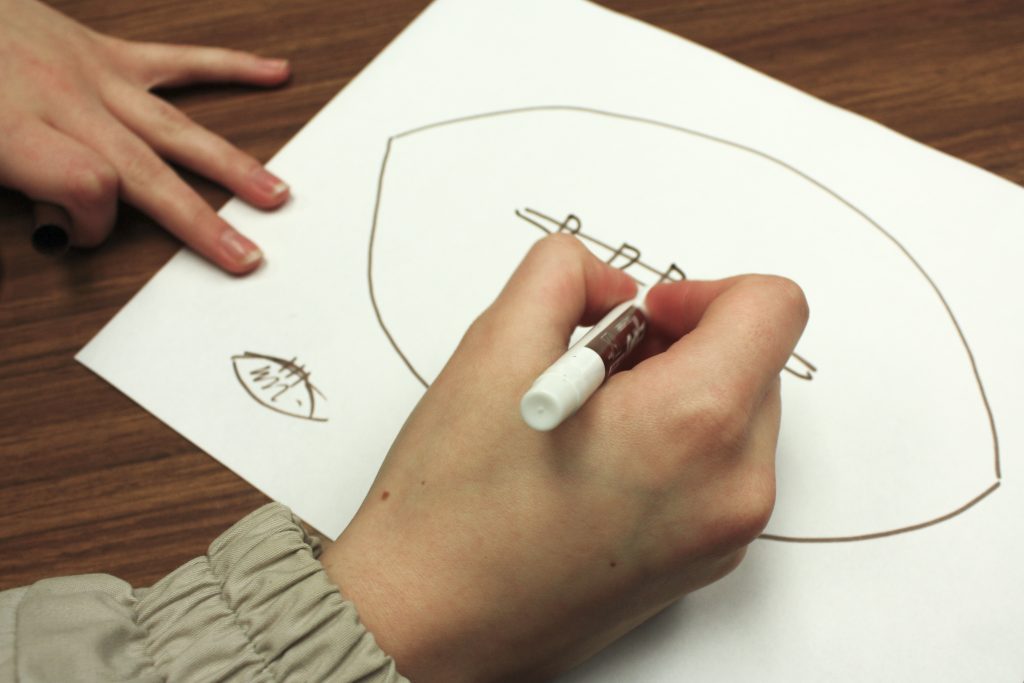
Finally, either buying or making football shaped wall adornments can bring it all together. Some stores that have decorations for sale will likely have something like this, or drawing a football on printer or construction paper and cutting them out will also work just fine. Creating the decoration could also be a fun activity for those that are setting up the party.


Dressing up: Repping one of the teams is a must for those attending or hosting a Super Bowl party. The easy way to do this is by wearing a jersey of the preferred team, but, for those that don’t own a Kansas City Chiefs or San Francisco 49ers jersey, opt to wear a shirt with the team logo or that matches the respective team’s colors. For die-hard fans of either team, try decking out fully in the team’s colors — match pants with a top to create an all red outfit, or try pairing fun socks or a beanie with the rest of the ensemble.

For those who want to take their team spirit to the next step, try using face paint. It’ll stand out in photos and can be an entertaining activity for anyone that attends. Get prepped beforehand, or plan something for the guests to do before the game begins. Set up a painting station with face paint and brushes — or markers that are safe to use on the face — and have the guests line up and start. If everyone has the same thing drawn on their faces, take a group selfie to show off some team spirit.


Contact the author at rhorrall17@wou.edu

Photo by Caity Healy (jersey)

Photos by Rylie Horrall (decorations and chips)