Mount Hood

How to stay busy during self-isolation

Rylie Horrall |  Lifestyle Editor

According to cdc.gov, “keeping space between you and others is one of the best tools” that people can use to stop the spread of COVID-19. As such, many of us find ourselves isolating in our homes and potentially struggling to find things to do with more free time. Here are some things to try while self-isolating.

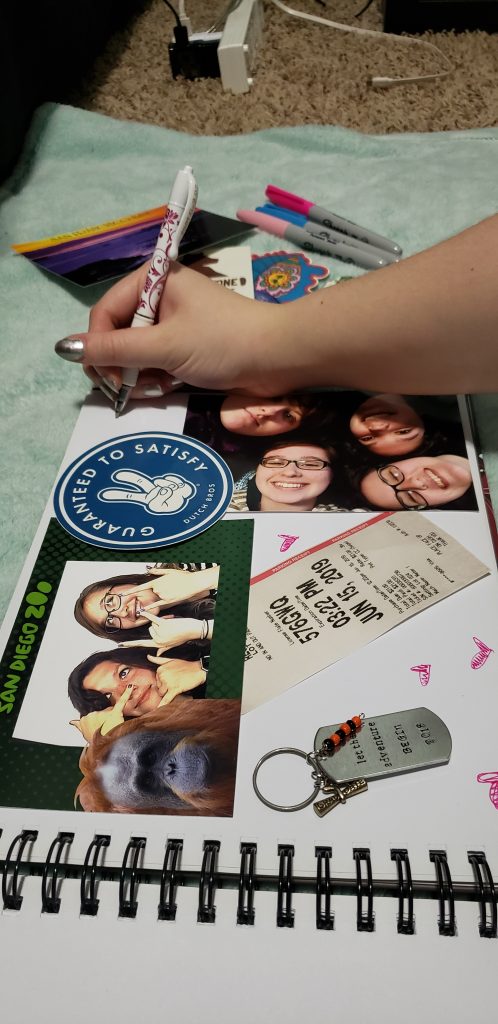
  • Since we’re staying in, trying out a new hobby or learning something new could be an easy way to fill the time. Not much of a reader? Try out some of the books that have been turned into enjoyable movies to see how the two compare. Feeling crafty? Learn how to sew, knit or paint; healthfitnessrevolution.com states that painting is known to be therapeutic and calming, so it could be beneficial for those who are feeling stressed. Moreover, sewing and knitting can come in handy with making homemade masks for those who have to go out.
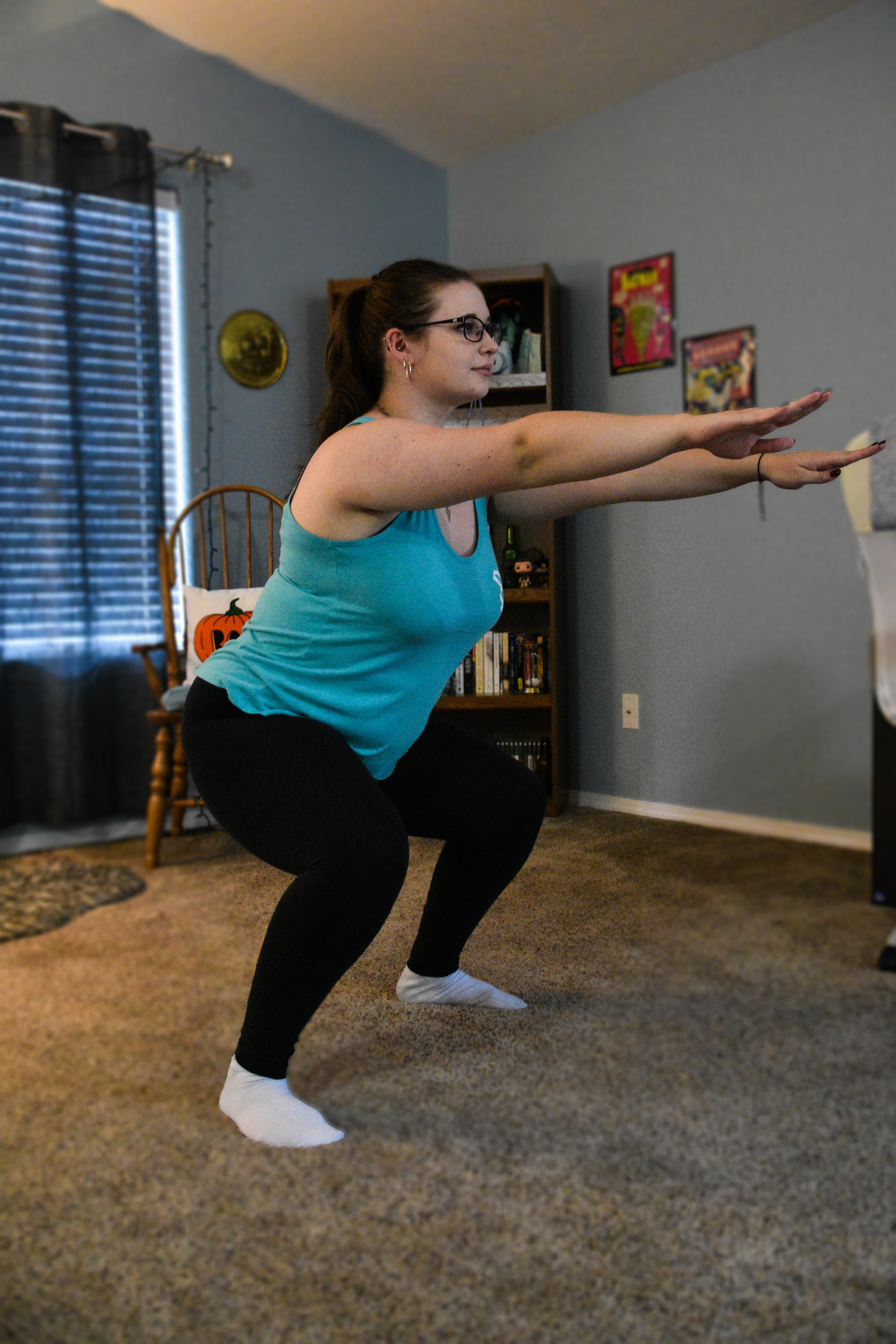
  • Staying active can be a little difficult, but there are ways to start or continue to do so while social distancing. For example, many celebrities and athletes have taken to uploading at-home workouts so those at home can follow along. Furthermore, Amazon Prime has free workout videos available to its users, ranging from hardcore cardio to yoga. Going for a walk, run or bike ride is also a great way to stay active, however make sure to maintain distance between others who may also be choosing to exercise outdoors. Western’s Campus Recreation program is also holding classes every day on Instagram live.
  • Puzzles are another option that can be done singularly or with whoever else is in the household. According to usatoday.com, they can be used to improve a person’s problem solving skills, memory and visual-spatial reasoning. On top of mental benefits, it can be a fun and challenging exploit to help keep busy.
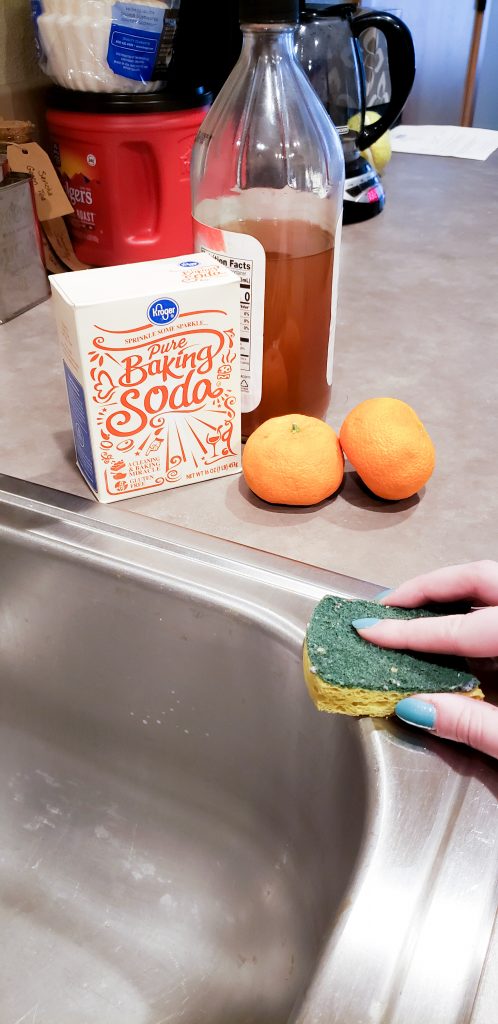
  • In the spirit of it being spring, spring-cleaning and renovating is a time-consuming project to do while self-isolating. While Goodwill and other such businesses may not be currently open to taking donations, there’s no harm in setting things aside for when things are open again. Take this extra time to go through and get rid of the things instead of putting it off.
  • For those who are missing out on some good ol’ Dungeons and Dragons, set up some virtual campaigns through Skype or other video-communication software of choice. In addition, there are many websites — such as Roll20 — that can assist with playing and having a good time with friends.


Contact the author at rhorrall17@wou.edu

Photo by Rylie Horrall

Breakup recovery made easier

Rylie Horrall  | Lifestyle Editor
Breakups are something that can happen at any time, and, generally, don’t feel great for at least one person. It might be fine for a person who initiates the breakup, but a person on the receiving end may feel different about the situation.

An important thing to keep in mind is that a person doesn’t have to go through a breakup alone; talking to someone trusted about how it felt or feels can help with the healing process. As someone who likes to bottle up their feelings and keep to themselves to avoid ‘hindering’ my friends and family’s lives, I understand how easy it is to take that route instead of talking it out. Nevertheless, that potentially isn’t the greatest mentality to have; it’s vital to remember that loved ones are willing to support and show that a person isn’t alone. In addition, everyone has their own way of healing, so if talking doesn’t help, don’t feel pressured to do so.

Post-breakup, an individual will probably find they have more free time than before, and this time can be utilized to their advantage. Leisure time is an opportunity to try something new — pick up a new hobby or cross something off that bucket list. Some activities one could undertake are learning a new language, going hiking, taking art lessons or starting to journal, whether that’s bullet journaling or writing down thoughts every day. During this time, prioritizing self-care is pertinent. 

I’m someone that tends to listen to music that fits my mood — albeit, it’s unintentional, but it’ll emphasize my mood as well. This is probably something that a person may do whilst going through a breakup and, honestly, embrace it. Make a killer playlist of the best breakup songs to jam out to and share it, like we did at The Western Howl — check page four of this issue. In addition, make one full of empowering bops and favorites that don’t wear out; this could help boost the mentality of being newly independent and awesome.

Last point is a big one: don’t text the ex. It’s probably been pondered, but I know I’m not the only one saying not to do it. It could very well just reopen some wounds that an individual has worked hard to close up, and it isn’t worth the pain or energy to deal with. Also, if they text first, don’t respond to them — same premise. Having space during this time is essential, but maybe, one day, a friendship could be possible with their ex. 

As a final closing statement, know that there is no appropriate amount of time to get over a breakup; for some it could be a short amount of time, and for others it can take longer periods. Each person should do what’s best for them.


Contact the author at rhorrall17@wou.edu

Photo by Rylie Horrall

Locations in the pacific northwest to travel to for Spring Break

Rylie Horrall  | Lifestyle Editor
The end of the term is just a stone’s throw away, which means that it’s almost time for Spring Break. Western’s Spring Break is happening towards the end of March, which could likely mean that the weather won’t be ideal for bikinis on the beach — for those who haven’t been to the Oregon coast, it’s pretty cold 90% of the time. On that note, Spring Break doesn’t have to solely consist of a trip to the beach. Around the Pacific Northwest, there are quite a few options for people to partake in.

The Columbia River Gorge is a beautiful, green spot here in Oregon that’s great for sightseeing and hikes. Spring is when the wildflowers in the Gorge begin to bloom, which “happens to overlap with peak waterfall season,” as stated on oregonlive.com. There’s a multitude of hikes available to choose from — perfect for nature lovers or those that want to photograph some beautiful scenery.

There are a couple of choices available for those that are thinking of going whale watching. According to oregonstateparks.com, this year’s Spring Whale Watching will last from the 21 of March to the 29 and is an opportunity to watch as the gray whales migrate to Alaska. There’s a map on their website filled with the many destinations that people can travel to in order to see them. There’s also the San Juan Islands, located in Washington, which is home to a few pods of orca whales year-round. While it is also possible to see other species around the islands — such as humpback whales, porpoise and sea lions — their website, visitsanjuans.com, claims that “this is the best place in the world to see (orcas) in the wild.”

Olympic National Park, located in Washington, gives visitors a variety of things to do during their Spring Break. There’s various options for hikes and chances to see diverse wildlife, many campgrounds to stay in and numerous options for different water-related activities. 

Hopping from city to city is another way to spend Spring Break. If someone has never been to Portland, take them for a day trip or stay somewhere for a couple of days to go sightseeing. Favorite play or band in concert happening in Seattle? Take a road trip with roommates and check it out. Feeling the need to go on a shopping spree in Vancouver, WA? Grab some best buds and take to the road.


Contact the author at rhorrall17@wou.edu

Easy-to-do at home nail art

Rylie Horrall  | Lifestyle Editor

Painting my nails has always been a fun activity for me to do; I think it’s relaxing and gives me an opportunity to explore my creativity. Generally, the most common thing that I do is just paint them a solid color and maybe use two alternating different shades. However, there are times that I want to do something more, but don’t want to spend money to get them done. Here’s a few DIY nail art styles that I do that others can feel free to try.

Note: I recommend throwing a clear coat on top of all the final looks to smooth them out.

Ombré

Be forewarned, nail polish remover is going to be needed to clean up the final look. Pick at least two different colors of nail polish — to go more drastic, use colors that aren’t similar in shade and/or hue. Take a square makeup sponge and paint the thicker end with both of the colors. The two colors don’t need to touch, but make sure there’s a plentiful amount on the sponge. Dab the makeup sponge onto the nail, adjusting the placement slightly to emphasize the ombré and get the colors to mix. Repeat this — adding a bit more nail polish each time — until it’s as pigmented as desired. 

Multi-toned

I’m going to suggest using two colors, but feel free to use more. For the base color that will go on the entire nail, I would recommend using something lighter, because it’ll be easier to put a darker tone on top of it. Depending on the brand, shade, etc., it could take a couple of coats. Let the first color dry completely. Using the second color, try to draw a straight line of nail polish horizontally across the nail. Using nail tape, scotch tape or drawing lightly with a pencil can help keep the line straight and clean. If tape was used, wait until the second color is dry before removing it. This can also be done vertically or diagonally, depending on preference. Try layering it up as well or swapping colors for different fingernails.

Small flowers

Multiple colors can be used for this one, so don’t be afraid to go crazy or just stick with something simple. Firstly, just paint the nails a base color of some sort. Next, take the next color that’s going to be used for the flowers and dab some of it onto a sandwich bag. Dip the end of a bobby pin into the polish and place a dot onto the dried nail. Repeat this process, placing dots close together to create a five petaled flower. Let it dry, then take another color — preferably something lighter, such as white or a pastel — and dab some of it on the sandwich bag as well. Repeat the step with the bobby pin, but only use it to dot the center of the flower.


Contact the author at rhorrall17@wou.edu

Photos by Rylie Horrall

Trading out books for bills

Rylie Horrall  | Lifestyle Editor

After finals are all finished, many students may be excited because of two things: one, spring break is around the corner, and two, they can get rid of their textbooks. Most classes on campus have textbooks that require students to pay potentially large sums of money for them. If, once the term is over, that textbook no longer has a purpose, there’s a few things that can be done.

The WolfStore, located in the Werner University Center, will generally buy back books during the last two to three weeks of the term. While some books won’t be bought back, it’s a chance for someone to get a little bit of their money back. If the textbook is in ‘high demand,’ meaning if the book will be utilized during the following term, it can be worth more. Currently, students can sell their books until March 20.

There’s also the alternative of selling textbooks on Amazon using their buyback/trade-in program. Like the WolfStore, selling won’t always work — depending on the condition or whether the book qualifies for the trade-in. If a student chooses this route, their money would only be available as an Amazon gift card. On the other hand, there are a few used bookstores and thrift stores in the IndyMo area that could be interested in purchasing used textbooks.

Many students take the route of just selling their used books to their friends, should their friends need them for next term. A person may not make money this way, if they choose not to charge somebody that’s interested, but the one who’s receiving the book could be saving a lot of money, especially if the textbook is expensive.


Contact the author at rhorrall17@wou.edu

Photo by Rylie Horrall

Tips to follow for raising your credit score

Rylie Horrall  | Lifestyle Editor

For those who aren’t sure what a credit score really is, it’s something that “reflects credit payment patterns over time,” according to experian.com. It’s an important financial consideration in someone’s life, as it is the deciding factor in multiple scenarios — such as taking out loans or getting additional credit cards later in life. A credit score is found using an algorithm on a person’s credit report, and it takes into account certain factors like account types, how long an account has been open and payment history. Because a good credit score is highly sought after and makes the user look responsible, it’s important to know how to raise it.

One of the simplest things to do is to pay bills when they are due. That repayment history can be used to predict how someone will take care of future settlements. This applies to credit cards, student loans, phone bills, rent, utilities and so on. By missing payments or getting charged a late fee, a negative mark can appear on an individual’s credit score for around seven years. However, according to experian.com, a negative mark’s prominence declines over time as newer payments are more relevant.

Specifically with credit cards, keeping a low balance is vital for a credit utilization ratio. A credit utilization ratio is calculated on the amount incurred on a credit card divided by the total credit limit across all credit cards owned, not just the one that is used. By keeping the ratio below 30%, it shows that the user isn’t maxing out credit cards every single month. It’s also an indicator of how well money and credit is being managed. Furthermore, if a credit card is no longer being used, don’t close it — if it isn’t costing any fees, it can increase the ratio since there is more total credit.

Checking credit reports is another key factor in maintaining good credit scores. If there’s an inaccuracy on a report, it can have drastic negative impacts if it goes unchecked. It could decide if someone can take out a loan or not, or even affect their lending terms and interest rates. According to myfico.com, contacting the credit bureau and organization that sends the credit bureau information can help fix the problem that’s been noticed.


Contact the author at rhorrall17@wou.edu

Photo by Rylie Horrall

Rearranging and recreating your space

Rylie Horrall  | Lifestyle Editor

I’m someone that needs a new change of scenery every once in a while — that can mean that I want to go out to the city for a day trip, try shopping somewhere new or just go on a walk. The easiest thing I do when I get into that slump is redecorate or rearrange my room. It always feels like a nice change of pace and doesn’t take much to do, not to mention there are plenty of benefits to redoing a bedroom.

A room can become cluttered after some time, so rearranging can help get rid of some things that have served their purpose. They don’t have to necessarily be thrown out either, as something that’s still useful can be donated if it’s no longer needed. Taking the time to go through things can also be cathartic — different objects could trigger nostalgic and happy memories, or there can be satisfaction in throwing away things that bring back unwanted reminders. If spring cleaning is on a to-do list for the future, redecorating and purging can be a way to get a jumpstart.

This type of project could work as a stress reliever and distraction from tension-inducing activities. After a long week of work and school, with obligations and due dates hanging over one’s head, taking a break to focus on a space designated for yourself can clear the mind. Plus, redecorating a space that’s frequently occupied can brighten the room back up; it increases someone’s productivity and exercises the creative side someone might not know they have, according to agapepress.org

The effect that rearranging can have on someone’s mood is beneficial as well. For a person that’s been in a strange funk lately or just hasn’t been in the greatest of moods for an unknown reason, a remodel could be what they need to improve their spirit. According to agapepress.org, a fresh look can bring life into an otherwise lackluster space, and can inspire an individual to so much more in everyday activities.


Contact the author at rhorrall17@wou.edu

Photo by Rylie Horrall

How to: Charcuterie board basics

Caity Healy  | Managing Editor

For those looking for a delicious, easy and aesthetically pleasing appetizer, charcuterie boards have been all the rage. Charcuterie, a French word which by definition is a branch of cooking involving prepared meats, is something that ages back to before refrigeration — it was born out of necessity. However, today it serves as a quick, pretty party-pleaser that is not only restricted by the root of its name; charcuterie boards can be modified to match a party’s crowd, one’s budget or even what’s in the fridge. 

All it takes to get started is a cute dish or cutting board of some sort and a little imagination. I’ve created two boards for inspiration: a basic meat and cheese board and a pancake board. However, remember that these can be adjusted however one sees fit. 


Meat and Cheese Board

What you’ll need:

Salami

Gouda cheese

Sharp cheddar cheese

Almonds

Green olives

Grapes

Marinated artichoke hearts

Mini dill pickles

Crackers 

Toasted sliced baguette

Herbs for greenery (basil, thyme or rosemary work well)


Pancake Board

What you’ll need:

Pancakes

Syrup

Blueberries

Strawberries

Raspberries

Whip cream

Chocolate chips

Butter

Peanut butter


Quick tips for charcuterie boards:

-The preparation is basic; it’s the presentation that’s key. Try to really fill the board, unless you’re going for a minimal look — in that case, leave intentional blank spaces.

-Find cute dishes to serve toppings in from thrift stores. It looks cuter, and it saves you money.

-Make sure to mix colors on the board to help it look vibrant.


Contact the author at chealy16@wou.edu

Photos by Caity Healy

Do something fun this leap year

Rylie Horrall  | Lifestyle Editor

This year is a leap year, which means there’s an extra day tacked onto the end of February, subsequently pushing forward the rest of the months to follow by a day. For those who don’t know, this happens every four years, and, if they didn’t exist, we would already be in the year 2021. Here are some ways to commemorate the extra day that we have this month.

Play leapfrog

Spend this year’s leap day playing leapfrog with a group of friends. It’s just the same as any other day, but why not play into the theme of ‘leaping?’

Celebrate a birthday

Have any friends that were born on a leap day? Celebrate their birthday with them, since it technically only happens every four years, making them only five years old. Go all out and invite a bunch of people, grab some food and get an activity set up such as a movie marathon or various board games.

Have a self-care day

The end of the term is nearing, which can mean that tests and classes become more stressful. Having an extra day could be beneficial for some much needed rest and relaxation. Take a bubble bath, hang out in pajamas all day, watch some favorite shows or partake in some hobbies. It’s important to give the mind a break and take a mental health day if it’s needed.

Sleep in

For anyone that feels like they’re behind on sleep, having an added day may be a blessing. This Feb. 29 is a Saturday, so it’s a great chance to sleep in and catch up on some much needed z’s that have been lost due to late night studying and early morning classes.

Enjoy the day

Take the day to relax and spend time with friends. Go out and enjoy the sunshine that’s been slowly creeping in by planning a picnic. Since this is Oregon, however, double check the weather the day before to ensure that unexpected rain doesn’t diminish plans the day of.

Memory box

Create a box that can only be opened on Feb. 29; fill it with pictures from the day or just overall favorite photos. Another addition can be a note to a future self or group of people, or some sort of memorabilia from a group gathering. Once the next leap year hits, then it can be opened again to see a progression of change from the last four years. 


Contact the author at rhorrall17@wou.edu

Photo by Kay Bruley

Photo by Kyle Morden

Buying made morally easy

Sage Kiernan-Sherrow  | News Editor

Although thrift shopping is still the most sustainable and ethical way to shop, many people prefer shopping online or find the concept of purchasing previously-worn clothes dismal. However, researching brands and online clothing stores is time-consuming, sustainable clothing is often more expensive and, while many people care about supporting ethical and sustainable brands, they feel intimidated by the task of weeding through information. Fortunately, now they don’t have to. Here are some online clothing stores that are ethically and/or sustainably sourced. 


Everlane

A California-based company, Everlane conducts in-depth research on every factory they partner with and pride themselves on being “radically” transparent, according to their website. They are up-front about the cost it takes to manufacture each piece of clothing, and often share their production stories online. Everlane primarily makes minimalistic clothing and their basics all run for less than $50. 


Love Justly and thredUp

These two are coupled together because they represent similar concepts; Love Justly partners with already-confirmed ethical clothing brands to purchase their excess stock and sell it for less than the market price. They’re extremely budget-friendly, sell many styles of clothing and they offer free shipping on orders over $50. Similarly, thredUp ⏤  the “world’s largest online thrift store,” according to thegoodtrade.com ⏤ is committed to second-hand shopping, where clothes that are not accepted for resale are recycled or repurposed.


Alternative Apparel and Threads 4 Thought

Both Alternative Apparel and Threads 4 Thought represent similar minimalistic styles for competitive prices. Alternative Apparel uses organic and recycled cotton and hemp and is currently pledging to replace all virgin polyester in their clothing with 100% recycled polyester by 2021, according to their website. Threads 4 Thought utilizes sustainable material, promises ethical working conditions and gives part of their profits to the International Rescue Committee.


Dazey LA

By far the most expensive on the list, Dazey’s apparel runs between $50-100, but is chalk-full of colorful, unique and artsy statement pieces. They are committed to empowering women and print phrases on their clothing to promote conversations about women’s rights. They use organic materials, are committed to zero waste and some proceeds go to supporting female entrepreneurs.


The aforementioned brands are a good start for people looking to limit their ecological footprint and commit to ethical practices, but ethical shopping can be done anywhere ⏤ from local farmer’s markets, to thrift stores, to buying DIY. 


Contact the author howlnews@wou.edu

What to think about before adopting a pet

Rylie Horrall  | Lifestyle Editor

Pets are great companions to have; they can give relief when someone’s day was stressful, or just provide company when someone is alone. While pets can be a wonderful addition to life, it’s important to remember that they need to be loved and cared for, just like any living thing.

If adopting a pet is crossing someone’s mind, it’s vital that they think about whether or not they can dedicate one-on-one time with their pet. It can get lonely if an animal is locked up inside a living space all day, and if someone’s schedule is very busy, they might not be able to give their pets the healthy amount of affection they need, not to mention the fact that they will need to remember to feed their pet routinely. 

It takes time for a pet to adjust to a new home and new owner, so pet owners need to be patient with adjusting to a new life. When an owner can’t dedicate time to making a pet feel comfortable and unafraid in an unfamiliar environment, the adjustment process can become difficult for both of them.

Pets also aren’t cheap; the owner will have to pay for food, accessories like a collar or leash, a bed and various other things. In addition, pets can come with vet bills, whether it’s for a regular checkup or for an instance where the animal gets sick. If someone’s finances aren’t the greatest, it would be good to assess whether or not a pet is affordable in general. 

These are all things to keep in mind, however they aren’t concrete — some pets are cheaper and easier to take care of, others adjust to a new life more quickly and can be alone for extended periods of time with ease. That being said, this doesn’t apply to every single pet, so it’s important to keep these factors prominent in one’s thoughts if this is the path they want to take.


Contact the author at rhorrall17@wou.edu

Photo courtesy of Emily Hedges

Photo courtesy of Sage Kiernan-Sherrow

Tutoring made accessible for Western students

Rylie Horrall  | Lifestyle Editor

Everyone has varying skill levels when it comes to different classes; some students are amazing at math but struggle with science, or soar when it comes to writing but maybe fall short with chemistry. Luckily for students here at Western, there are many options to choose from if someone is struggling with courses.

For computer science majors, the CS division offers tutoring in the Old Education building for most of the term. Starting week two and going until week 10, those enrolled in a CS course — or for specific Information Systems courses — can go to room 203 to receive help with assignments. Tutoring is open from 8 a.m.–1 p.m. Monday and Wednesday and 10:30 a.m.–2:30 p.m. Tuesday and Thursday for CS classes; IS class assistance is available on Tuesday from 2–4 p.m. and Friday 1–4 p.m.

The Writing Center is available for students who need help with writing, whether it’s for a project or an essay for any subject course. Anyone who needs help with an outline, spotting errors in papers or receiving help with instructions can set up an appointment through their website (wou.edu/writingctr), or walk-in to see if someone is available to help. During the day, tutors are located in room 301 in the Academic Programs and Support Center (APSC) — Mon.–Thurs. 9 a.m.–5 p.m. and Friday 9 a.m.–3 p.m. — and in room 116 in the Hamersly Library at night from 7–10 p.m. Sun.–Thurs. If scheduling an in-person appointment proves to be difficult, the Writing Center provides a one-hour online tutoring option to help with content-related issues someone is facing in their assignment.

The Science Center has varying hours and subjects, such as biology, chemistry, physics and earth science; tutoring began Jan. 13 and will continue to be available until March 15. It is located in the Hamersly Library in room 124, and those interested can go to their website wou.edu/sciencecenter to see an extensive list of available hours for the remainder of Winter Term.

There is also a substantial amount of tutors available for the Math Center throughout the week from 9 a.m.–4:30 p.m. Located in room 228 of the Hamersly Library, students struggling with math can easily walk in and receive help. The Math Center caters to many different courses, ranging from levels 100 to 400 with a few 600 level classes as well. If someone doesn’t have the time to walk in, there are a variety of handouts and videos on their website of helpful tips and formulas, such as an algebra basics video and a trig identities formula page.

For any international students or those that are learning English as a second language, the English Tutoring Center is a viable option for anyone that needs help. Making an appointment at the center is preferred, as walk-ins can only happen if a tutor doesn’t have a meeting during that time. It’s open until finals week Mon.–Thurs. from 12–5 p.m. in the APSC room 501, and 7–10 p.m. in the Hamersly Library, room 228.


Contact the author at rhorrall17@wou.edu

Valentines day, single, ways to spend Valentine’s day when you’re single

Svetlana Goloviznina  | Freelancer

It doesn’t matter whether someone is single or is on the asexual or aromantic spectrum and is tired of the Valentine’s Day shenanigans — there is always a way to make a day like Valentine’s Day better.


  1. Go see a movie

While it can be intimate to go out with a lover and watch a romantic comedy, there’s absolutely nothing wrong with people sitting down and being fully immersed in a movie they’ve been pumped to see. And besides, that allows people to have all the expensive popcorn and drinks to themselves. 

  1. Have a spa day

This is something that can even be done at home. Kick back to some favorite tunes, light up the candles and bring out the bath bombs because this time is self-love time. Doesn’t matter if you’re a full grown man, everyone deserves to smell nice and feel nice.

  1. Treat yourself

In truth, having a day for oneself can be difficult. People can take the time to honor themselves this Valentine’s Day; it’s something they’ve earned for caring for themselves all this time. Self-care is the best thing one can do for themselves. Buy something sweet, enjoy a hike, try out a hobby because nobody’s around to stop you but you.

And if treating yourself doesn’t work for you then…

  1. Treat your family

While these days are often planned for lovers, there will always be family and close friends who have your back, so treat them to something nice. It can be as simple as a card, flower or a balloon. Small acts of kindness go a long way.


Contact Svetlana at sgoloviznina19@wou.edu

Homemade chocolates to make for that special someone

Rylie Horrall  | Lifestyle Editor

Candy and sweets are found in abundance in stores during the week of Valentine’s Day. As an alternative to buying something sweet, try making something homemade for someone significant, a meaningful group of people or yourself.


HOMEMADE VALENTINE’S CHOCOLATES

Start to finish: 1 hour 10 minutes

½ pound high-quality dark chocolate, chopped

⅛ teaspoon ground dried chipotle pepper

1 pinch salt

½ cup heavy whipping cream

3 tablespoons unsweetened cocoa powder, or as needed

Place chocolate into a bowl; add chipotle pepper and salt.

Heat cream in a small saucepan over medium-low heat until it comes to a boil. Pour cream over chocolate and let stand for three minutes.

Stir gently until chocolate mixture is completely smooth. Pour chocolate mixture out onto a sheet of plastic wrap on a work surface. Pick up one edge of the plastic and roll the chocolate into a rough log shape. Continue to roll, wrapping chocolate in the plastic. Refrigerate until chilled and firm, 30 minutes to one hour.

Place cocoa into a small bowl. Unwrap chocolate and cut in half crosswise; cut each half into halves lengthwise. Roughly cut candy into ½-inch square ‘stones.’ Place the chocolate pieces into the cocoa and toss gently to coat.

Recipe from allrecipes.com.


Contact the author at rhorrall17@wou.edu

Photo by Rylie Horrall

Simple DIY valentines that anyone can make

Rylie Horrall  | Lifestyle Editor

Making a valentine is a cute, old school way of symbolizing appreciation, admiration and adoration for another person — not to mention, it’s easy and cheap to do. For anyone looking to do something simple for Valentine’s Day, try making this DIY Valentine for that special someone. Happy crafting.

Firstly, grab some paper; colorful construction paper is easiest, however painting a piece of paper or using white paper works just as well. Trace a heart lightly on the paper using a pencil as a guide for cutting it out later. If desired, trace another smaller heart on a different colored piece of paper and cut it out. Glue it to the center of the large heart to give a cute outline and more dimension.

Take a black sharpie — or one that is colored, if preferred — and write the person’s name on the back of the heart. Flip the heart over to the other side with the smaller heart, and write a message to the person. It can be something classic like ‘Be Mine’ or something cheesy with a pun like ‘I love you a latte.’ Next, add a cute illustration, which is perfect for those who go with a pun, or add a little message expressing appreciation and love for the person.

To add something extra, there are many different things someone could do. Try cutting out little hearts and gluing them all over, or drawing along the outline to bring more attention to what’s written on the front. Another option is to put clear glue along the edge of the heart and sprinkle glitter on top of it to make it glimmer.


Contact the author at rhorrall17@wou.edu

Photo by Rylie Horrall

Bouquets and flowers with meaning for your loved ones

Rylie Horrall  | Lifestyle Editor

Flowers are a common way to convey love or appreciation on Valentine’s Day, whether it’s for a significant other, a friend or guardian. The most common flowers to use are roses, however, there are other flower options out there for those that want to do something different from the classic route. Peonies, chrysanthemums, lilies, alstroemeria and tulips — just to name a few — can signify love, and can be arranged together into a bouquet to make a loved one feel special.

Roses are known to symbolize love and romance, and are a cliché that’s used in many different fictional and real life scenarios. When they’re paired with gerbera daisies and alstroemeria — which can signify beauty and devotion, according to womansday.com — they can create a beautiful arrangement filled with red and white, or other preferred colors. Gerbera daisies are a flower with a large head, and can brighten the bouquet up with vibrancy and cheerfulness, while alstroemeria brings it all together with symbolism of loyalty and bright blooms.

A bouquet of red tulips is a simple yet pretty arrangement that means “perfect or everlasting love,” according to FTD Flowers (ftd.com). They come in a variety of colors; pink generally means happiness or confidence, and yellow focuses on cheerful thoughts. A combination of colors can illustrate just how important someone is and make them feel special. Orchids are a more exotic option to convey elegance, admiration and even friendship. They’ve been known to have many meanings — for example, during the Victorian age, a rare orchid was symbolic of how deep someone’s love was when it was given as a gift.

According to FTD Flowers, carnations are most associated with motherly love, and have many other meanings based on the hue of the petals. Luck and gratitude were indicated by white and pink, respectively, while various shades of red meant admiration and love. Pairing with red roses and white alstroemeria brings a bouquet of adoration and devotion fully to life. 

Lilies are another flower related to devotion, but also have a variety of interpretations based on the type chosen. Calla lilies, for instance, are connected to beauty based on the meaning of the word ‘calla,’ which is defined as beautiful according to FTD Flowers. Calla lilies are commonly used to symbolize someone’s faithfulness or appreciation for another person. Another type of lily is a stargazer, which goes in hand with abundance and prosperity. A bundle of many lilies shows just how much someone cares for another, or can be used to amplify the feelings of another bouquet of mixed flowers.


Contact the author at rhorrall17@wou.edu

Photos courtesy of Amber Horrall

Sweet heart cookies to try baking this Valentine’s day

Rylie Horrall  | Lifestyle Editor

Valentine’s Day is just around the corner, so why not take the opportunity to try out some fun Valentine’s desserts? An easy one to try is cookies — dive into this recipe to make something sweet for that special someone in mind.


LINZER COOKIES

Start to finish: ~1 hour and 40 minutes

Serving size: 40 cookies

1 ½ cups butter, room temperature

1 cup granulated sugar

1 teaspoon vanilla extract

½ teaspoon kosher salt

3 ½ cups all purpose flour

¾ cup raspberry or strawberry preserves

½ cup powdered sugar

In the bowl of a stand mixer fitted with the paddle attachment, mix the butter and sugar together on medium speed for two minutes. Add in the vanilla and salt and mix until combined.

Turn mixer to low and add in the flour, mixing until combined.

Remove the dough, flatten it into a disk and wrap in cling wrap. Refrigerate for at least 1 hour.

Line a baking sheet with parchment paper and set aside.

Remove the dough from the refrigerator and let it sit for 10 minutes.

Dust a clean counter with flour and using a rolling pin, roll the dough out to ¼ inch thick.

Cut out the dough using a round two-inch biscuit cutter or cookie cutter. In half of the rounds, cut out a circle (or shape) in the centers. You can use a small cookie cutter, or even the back of a piping tip.

Place the dough on the prepared baking sheet and place the baking sheet in the freezer.

Preheat the oven to 350°F. When the oven is preheated, remove the baking sheet from the freezer and bake for 18-20 minutes, or until the edges are lightly golden.

Transfer the cookies to a wire rack to cool completely.

Once cooled, spread about one teaspoon of preserves on the bottoms of the solid cookies. Gently press the cut out cookies on top of the preserves.

Dust all the cookies with powdered sugar.

Recipe from cookiesandcups.com


Contact the author at rhorrall17@wou.edu

Photo courtesy of Amber Horrall

Committees that Western students can be involved in

Rylie Horrall  | Lifestyle Editor

Getting involved on campus can mean a multitude of things — going to various sports games, participating in events, joining a club or a combination of all of them. Another way students can be involved is through committees. Western has a variety of committees that students can be a part of to make a difference on campus; here’s a few of them that students can partake in.

The Incidental Fee Committee, or IFC, deals with allocating funds to different areas on campus and deciding how much students pay for fees with their tuition. Students that are involved on this board vote to see where such funding goes, and are the only ones who vote — unless there is a tie. Students are picked via the Associated Students of Western Oregon University elections, the Student Body President and Western’s president. However, students can also give feedback during open hearings after preliminary decisions, so they can be included and make a difference without being on the committee itself. An open hearing will take place on Feb. 17 in the Werner University Center.

The Honors Committee is restricted to those in Western’s Honors Program, and is an opportunity for students within the program to become more involved with it. Only one student from each class can serve on the board; they assist with thesis proposals, course selections and overall each student serves as a representative for their grade level. For those that are interested, they advocate to their peers and a voting process takes place. The student can then give their thoughts and opinions on the Honors Program itself along with courses.

The General Education Committee reviews the general education program; students can assist the faculty on the board with ensuring that the curriculum is accessible and up-to-date for Western’s students. In addition to managing information and handling course details, the students in the committee coordinate functions with other committees as well.

The Western Oregon University Board of Trustees sends out emails frequently about meetings and such that students can attend to give their opinion. Recent meetings have been in regards to the Finance and Administration Committee, Academic & Student Affairs Committee (ASAC) — which involves reviewing and recommending actions that affect curriculum, enrollments and admission — and the Executive, Governance, & Trusteeship Committee (EGTC). The meetings themselves are public and those who are interested can feel free to contact the WOU Board of Trustees with questions.


Contact the author at rhorrall17@wou.edu

Community events happening in Monmouth and Independence

Rylie Horrall  | Lifestyle Editor

  • Mon., Feb. 10 — Central Lions Club Meeting, a service club, meets at the Independence Elks Lodge from 12–1 p.m. 
  • Thurs., Feb. 13 — Mystery Book Club Meeting at the Independence Public Library from 6–7 p.m. A discussion group for book lovers, it meets the second Thursday of each month. Those who are interested can check the library’s website to see the title of the month.
  • Sat., Feb. 15 — “The General” silent film viewing at the Polk County Museum in the Polk County Fairgrounds. Showing takes place from 1:30–3 p.m. and costs $5. There are snacks available to purchase and viewers can have fun watching a ‘20s classic.
  • Fri., Feb. 28 — Deluxe Brewing Tap Takeover from 6–8 p.m. Hosted by Rookies Sports Tap, patrons have a chance to try free samples from the brewery.
  • Sun., Mar. 1 — Polk Flea Market at the Polk County Fairgrounds from 9 a.m–3 p.m. Admission is $1 and customers have a chance to shop for collectibles, antiques, furniture, jewelry and more. Event is recurring for the first Sunday of every month.
  • Sat., Mar. 14 — 2020 Rickreall Spring Gun Show at the Polk County Fairgrounds and Event Center from 9 a.m–3 p.m. A buy, sell, trade event for those in the community.
  • Sat., Mar. 14 — Seamus Egan Project at Rice Auditorium at Western. From 7:30–9:30 p.m, those interested can see Irish musician Seamus Egan perform.
  • Sat., Mar. 28 — 38th Annual Spring Doll Show & Sale held at the Polk County Fairgrounds & Event Center. Admission is $5 and occurs from 10 a.m.–4 p.m.

Contact the author rhorrall17@wou.edu

Despite Oregon’s increasing high school graduation rate, Western’s enrollment is down 5%, leading to discussion about how Western will attempt to expand enrollment in the future.

Sage Kiernan-Sherrow  | News Editor

According to The Statesman Journal, over 78% of Oregon high school students graduated within four years between 2017-18 — still the second lowest state in terms of graduation, behind the District of Columbia. At Western, enrollment was down 5% at the beginning of the 2019 school year. But what do these two factors mean regarding Western’s future success? I sat down with Director of Admissions, Rob Findtner, to find out: 


Q: With the news that Oregon’s high school graduation rate is much higher this year, do we expect that’s going to affect enrollment next year?


A: Well, I think signs right now are pointing in a positive direction for new students. Freshman applications were a little up over 4% compared to last year and then our freshman admits are up 12%, but also our non-resident, out-of-state numbers look positive. However, for the former, they might not yeild as high because they tend to stay closer to home, for family reasons, cost of attendence, etc. But for Fall 2020, things look positive for our freshmen numbers, and for Oregon residents we know that’s a significant part of our population and historically, that’s where we have had success and that’s part of our mission — serving the state of Oregon. Taking care of our Oregon students is crucial to our success and future success. As we think about our outreach as an admissions office, we’re very sensitive to that fact and we make sure to spend time in the state of Oregon, whether that’s Salem-Keizer or Central Oregon, crucial areas for Western. We have students that represent just about every county. Our first priority is the state of Oregon, but we’re also making sure that we’re presenting options for students from Washington and California, including financial incentives like the WUE program. We are trying to cast a wider net for students from Texas, offering a tuition-rate mimicking the WUE program, which has been somewhat of an experiment for us. It’s a little too early to tell, but we are seeing applications from there. What I think is equally important is looking at student demographics. We’re seeing an increase in students who identify as Hispanic or Latinx. President Fuller has been very public about Western aspiring to be a Hispanic-Serving Institution so we have to think about our outreach efforts to make sure we are serving all students and their families and think about our programs and content, whether that’s tour opportunities available in Spanish, etc. So, things look positive for 2020 but we realize that’s also a very competitive environment. There’s many institutions in jeopardy of closing because of low-enrollment and articles detailing what they plan to respond to those challenges, and I think that’s what we face as well. Many institutions are including added incentives into the enrollment process because admissions has become so competitive. And I think for seniors trying to make a decision for what’s best for them and trying to cut through all of that noise, it can be really difficult. 


Q: Western has obviously made many new improvements in terms of campus expansion and renovations. What do you think are the biggest reasons for students who’ve decided to come to Western?


A: I think one of the biggest pieces is our faculty and their focus being educators and teachers where the students are put first. Western has always been about its students and I give a lot of credit to Dr. Fuller for being the driving force in reinstating what we’re here for in the first place. I think another aspect are the opportunities outside of the classroom that a university of our size can provide, whether that’s being included in Student Media, or to be a student ambassador, or an RA, the size of campus is really conducive to student involvement. Another strength that I hear from students is the diversity of our campus. Sometimes there are some preconceived notions about Western, and then students come to visit and realize it’s more diverse than they thought. The WUE tuition rate is also a draw, but we have some competitive scholarship opportunities for Oregon-residents as well as students outside the state of Oregon. We now have a $1,000 campus visit award so high school seniors or transfer students, if they visit by Feb. 1, qualify for that one-time award as a part of their aid package if they are admitted. It’s helping with our visitation numbers as well, because students who are on the fence about visitation now have a financial incentive. 


Q: Do you have any insight into why the enrollment dipped down 5% last year and why it is projected to increase this upcoming year? 


A: I think nationally, what we’re seeing is that any time the economy is thriving there is a potential for a negative impact in terms of higher education where someone who is graduating high school might think ‘you know what? A college education is waiting for me’ whereas they might have an employment opportunity already lined up. I think that’s a challenge. And as I mentioned, it’s been competitive as far as the recruitment process goes. Certain states have been offering incentives to stay, and in Oregon we have the Oregon Promise, which gives students the opportunity to go to a community college before transfering. It’s a great program in terms of access to higher education but can pose a challenge in terms of enrollment for first-time freshmen. There are so many factors that can impact a student’s path. We know that what we see the trend to be is that there will be a period of growth in high school graduation rates, but within ten years there could be a decline. It could be a positive in the West currently, but then there will be a dip elsewhere. The general perception is that public universities could be in a good place, but there are concerns about private universities. The East coast is bracing for challenges in terms of graduation rates and might be looking at how they need to survive and looking to the West for that information. What you’re seeing is that certain individuals are hiring regional recruiters to draw students in and minimize enrollment decline, and for many they’re placing recruiters on the West Coast. 


Q: Following up on that, we’ve created a few programs here at Western to assist students in transferring with their associates or re-entering higher education at a later time in their life, correct?


A: Yes. Whether it’s the advising path or the jump-start aid opportunities or Oregon Promise, we have many incentives for students to choose Western. 


Q: For the students who are coming directly from high school and entering the workforce, would you, for one, rather they go into higher education and, two, why?


A: It does become very personal. Students can graduate and enter a trade where they can become successful, and maybe that was the right choice for them. For some people, higher education isn’t a good match. But I think that students should think about their career because ultimately, higher education might have a role in that. Say you might have two individuals on a career path and one holds a bachelor’s while the other does not meet the equivalent, and there becomes a point in which there is time to advance. The individual holding the bachelor’s degree has that opportunity. 


Contact the author at howlnews@wou.edu