
Mount Hood

Book review: “The Water Cure”

Chrys Weedon | Entertainment Editor

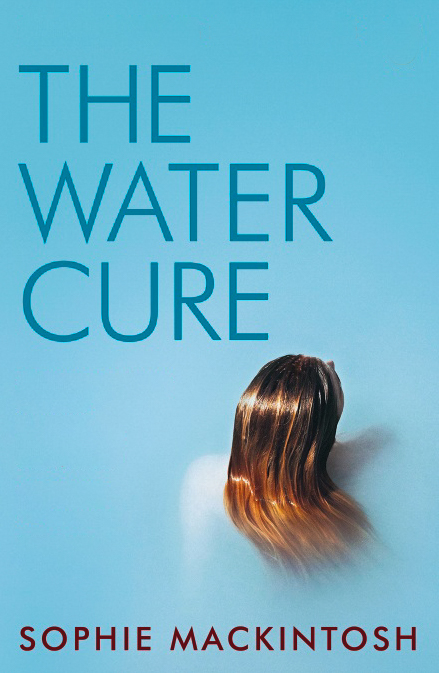
“If the men come to you, show yourself some mercy. Don’t stick around and wait for them to put you out of your misery.” These are the words of King, the caretaker and creator of a supposedly utopian compound in a world that is plagued by male violence and intense radiation. Here, with their mother, three women liver: Grace, Lia and Sky. King has vanished, apparently killed by the dangerous world outside.

Only Grace still has faint memories of the outside world. Lia and Sky were too young to know what the world is really like. Convinced from a young age that certain death awaited them beyond the borders of the compound, the girls stay with their mother and reminisce about the past, about the years when women would travel to them by sea to be healed.

In order to be cleansed, guests would endure different “therapies” of King’s own design. These included purging, being held underwater for as long as possible before drowning, and burning effigies representative of each woman’s trauma. These all led up to a final therapy — the water cure. For a final time, a woman deemed truly healed would be held underwater within an inch of drowning; if she survived, she was ready, and would travel back into the world.

Grace, Lia and Sky grew up enduring these therapies, all the while learning of the violent and chaotic nature of men, who would hurt you if they got the opportunity. When three men wash up on their shore, tensions rise and the sisters are forced to adapt to their new lives among them. When their mother disappears, the girls start to understand their own strength and capacity for desire.

Author Mackintosh’s descriptive ability and complex writing makes this novel intriguing. The many layers and metaphors in the novel deserve a comprehensive analysis. The distinctive voices of Grace and Lia, who take turns narrating the book, alternate so fluidly and naturally. Mackintosh clearly has a strong command of language. The fact that “The Water Cure” is her first novel is very promising.

Overall Rating: I would strongly recommend this book, but would advise caution. There is some imagery of abuse and sexual assault that could adversely affect some readers.


Contact the author at howlentertainment@wou.edu

Photo courtesy of penguin.co.uk
Student artist spotlight: Madeline Weinstein

Chrys Weedon | Entertainment Editor

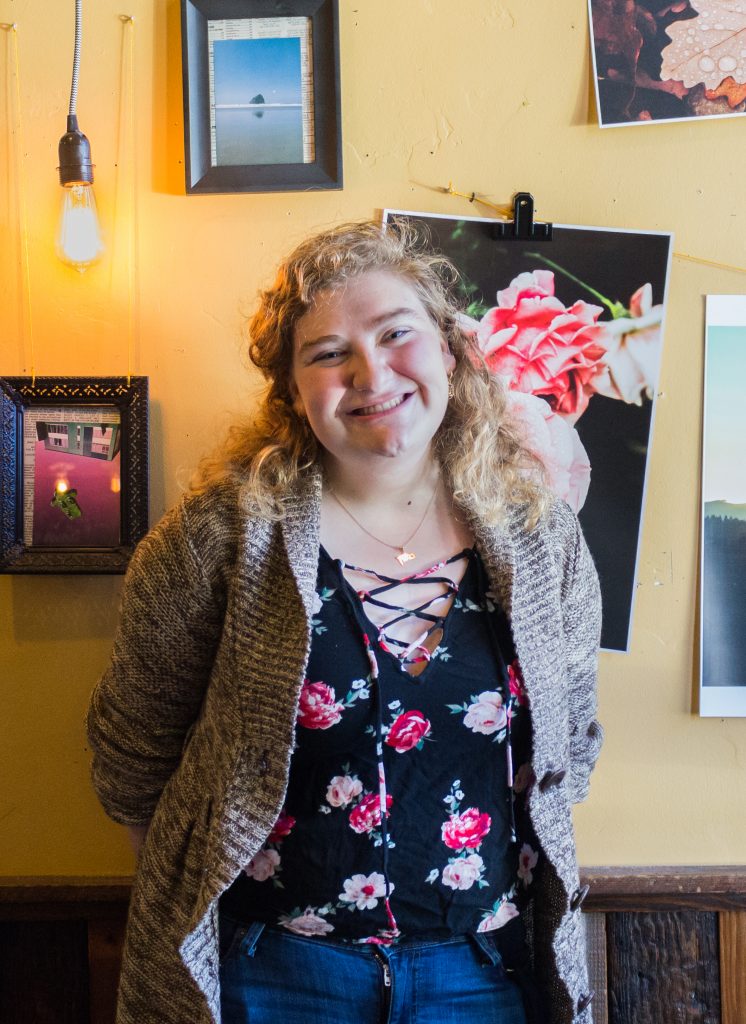
Madeline Weinstein is a junior studying theater at Western Oregon. Originally hailing from Seattle, Washington, Weinstein didn’t have much enthusiasm for the idea of college after her graduation from high school.

“It’s really cheesy, but then I visited Western Oregon, I was very hesitant. And then I realized, this is a very friendly place. People are waving ‘hi’ to each other, even on the weekends,” Weinstein said.

After visiting Western, Weinstein knew she wanted to apply.

“My mom actually said something that is going to stick with me forever, and it’s: ‘pick a school where you feel comfortable walking into a room and feeling confident that someone would help you,’” commented Weinstein, “that was the deciding factor.”

Weinstein had plenty of acting experience when she started at Western. She acted in all twelve shows that her high school produced in her four years there. In fact, Weinstein’s main inspiration was her high school drama teacher. Because of that one teacher, she decided to get her bachelor’s degree in theater and then continue on to get her master’s degree in education.

Weinstein hopes to relocate back to Washington after graduating to teach high school drama; “I want to give back and inspire my high schoolers,” she remarked.

Since coming to Western, Weinstein has participated in multiple shows in a various number of capacities. As a first-year, she was responsible for the sound in Western’s production of “Shakespeare in Hollywood.” She has also been a part of paint crew, and has acted in one-acts and ten-minute plays.

“Even if I don’t get into the main stage shows, I know that there’s still a chance for me to act in the one-acts and the ten minutes,” said Weinstein.

Something that Weinstein loves about the theater program is that “they don’t always put the ‘perfect’ actors in there, they put people who they know can learn from the experience and… who can grow more.”

Overall, Weinstein’s experience in the artistic community at Western has been positive: “I’m not a number, I’m an actual person with a name.”


Contact the author at howlentertainment@wou.edu

Photo courtesy of Ashlynn Norton

Podcast Review: “Just Break Up”

Chrys Weedon | Entertainment Editor

If anyone could claim that they were addicted to podcasts, it would probably be me. I am a self-diagnosed podcast addict, and I have an endless supply at my fingertips; it seems like everyone and their mother has a podcast, and of course they do: everyone believes they have something important to say. I mean, I review stuff. I’m pretty much roasting myself here.

A recent addition to my arsenal of podcasts that I keep up with regularly is a show called “Just Break Up.” True to its title, the show tackles topics related to relationships, including friendships, familial relationships and romantic ones.

The first episode of the podcast was released on July 15, 2018. The two co-hosts are Sam Blackwell and Sierra DeMulder, two English majors based in Minnesota. Sierra DeMulder is also published poet and author of four books of poetry.

“Sierra and Sam hope to convey what they’ve learned throughout their own romantic journeys to bring comfort and support to others who might be going through similar situations,” said the podcast website, justbreakuppod.com.

Anyone can be endlessly validating, but that is not always healthy, and may even cause an unhealthy situation to continue. In my opinion, sometimes being stern while giving advice or expressing a perspective on an issue is key. My love of “Just Break Up” stems from the fact that Sam and Sierra manage to be validating while also being brutally honest. The co-hosts accept submitted letters from listeners and formulate thoughtful responses providing advice and support.

“They’re affirming and validating, but not to the point where they’re making excuses for the way we can act badly about relationships,” said Western alumna Danielle Durand, who introduced me to the podcast. “I learn something new about myself every time… And I find myself looking forward to Mondays every week now.”


Contact the author at howlentertainment@wou.edu

Photo courtesy of justbreakuppod.com

Rainbow Dance Theater

Chrys Weedon | Entertainment Editor

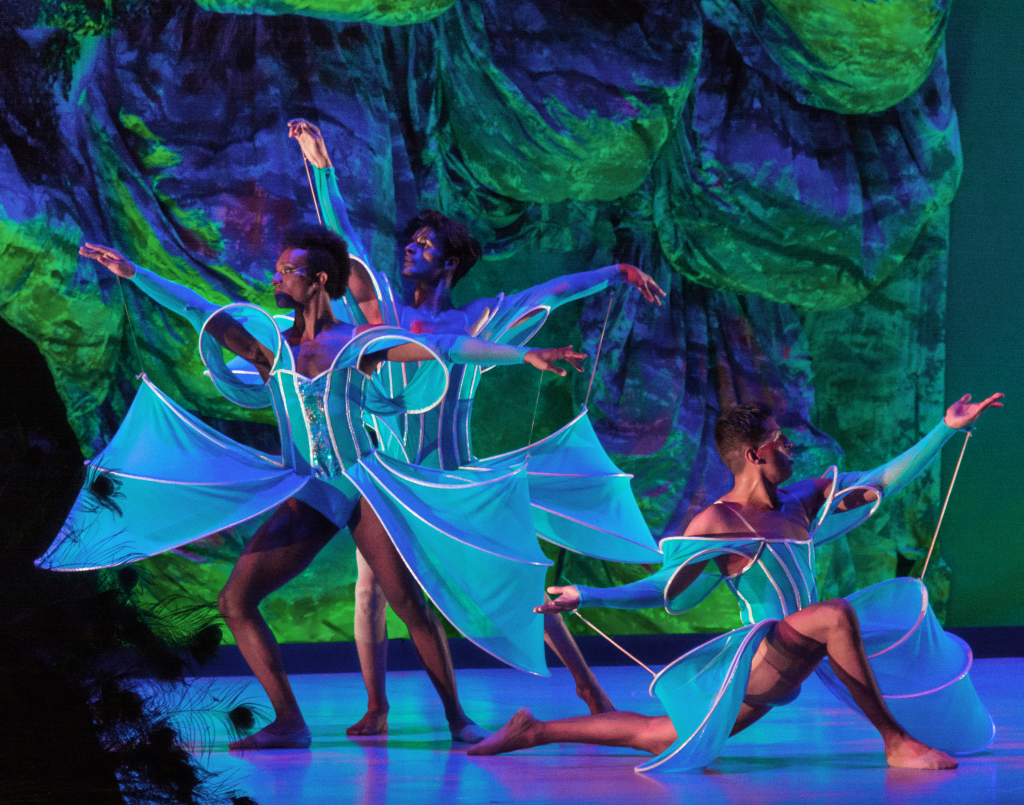
On the evening of Friday, Jan.11, students and community members alike packed into Rice Auditorium to experience the Rainbow Dance Theater. The RDT has been performing at Western since the year 2000, after the dance company moved from Honolulu, Hawaii, where it was founded.

Friday’s performance consisted of two separate dances, each telling a separate and unique story. Both dances were choreographed by Valerie Bergman and Darryl Thomas.

Act one, titled “Origins,” follows the development of life on Earth, starting within the darkness of the deep ocean. The audience witnesses the birth of single-celled organisms and their metamorphosis into more complex multi-celled beings and eventually primitive humans. The whole first act is submerged in complete darkness, with performers illuminated with suits of light. This type of dance is called “iLumiDance” by the dance company.

Act two, “The Garden of Earthly Delights” is a dance that was performed at the Spring term 2018 dance concert.

“Both music composition and choreography were inspired by the eponymous early 16th-century triptych by Hieronymus Bosch,” explained the program. This piece was set to an original scored by Leroy Osmon that was commissioned by the Salem Concert Band to be performed in early 2018.

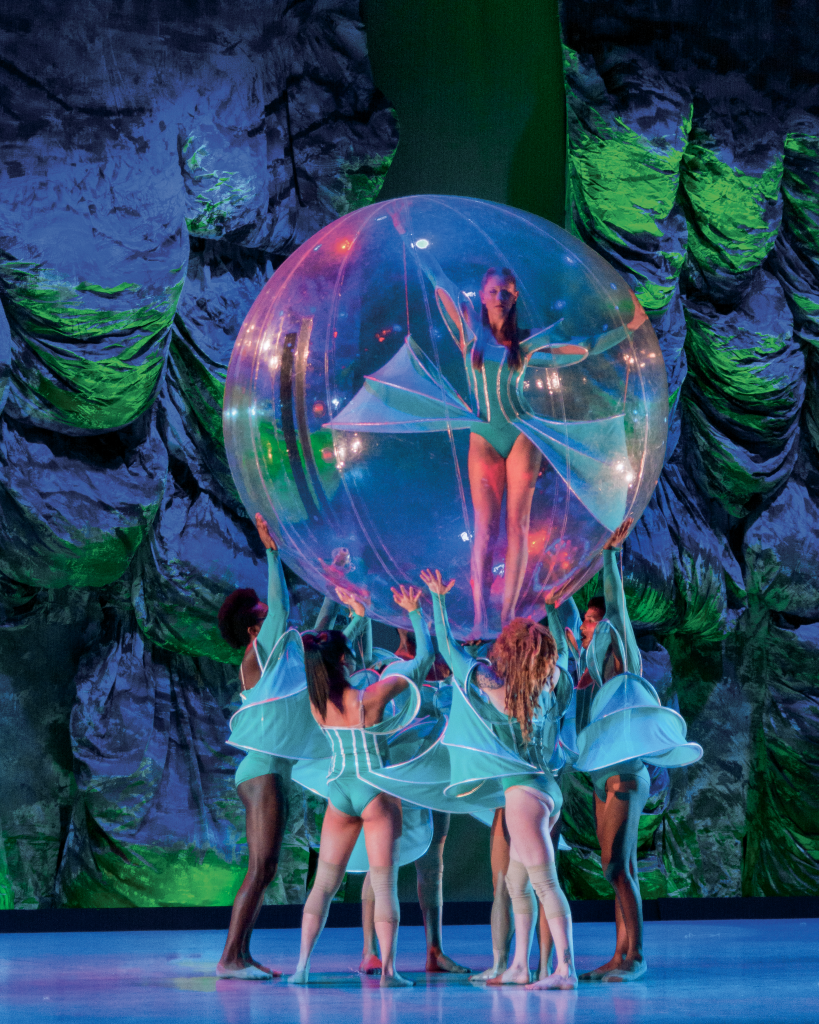
This second act opens with Eve in the paradise that is the Garden of Eden. The audience follows as Eve loses her innocence, meets various animals and magical beasts and travels with Noah through the great flood. Throughout the dance, Eve is introduced to a world filled with eroticism and animal lust.

The end of act two sees Eve reappear, transformed into a peaceful and strong figure bringing the hope of peace and beauty in the chaotic world that was displayed throughout the performance.

Since its inception, the Rainbow Dance Theater has toured the globe, performing on multiple continents and throughout the United States. During a regular touring season, the RDT performs over 60 concerts. According to the concert program: “The Company celebrates diversity with its virtuosic style that fuses West African Dance, Haitian Dance, Hip Hop, Martial Arts with American Modern Dance.”

Earlier in the day on Jan. 11, the RDT gave a special performance for around 200 students aged from kindergarten through eighth grade. This interactive concert was performed as a part of the Smith Fine Arts’ Education Outreach initiative. The young students participated in a special demonstration that showed them how STEM processes are used to create new technologies within the dance world. A number of students were given the opportunity to create their own dance with a light-wire puppet.

RDT’s most recent performance is innovative kinesthetically and creatively. The technical complexity of the first act is truly amazing, as is the skill level of the dancers. Although the second act is a dance that Western has seen before, it is still just as complex and interesting as the 2018 performance.


Contact the author at howlentertainment@wou.edu

Photo courtesy of Ashlynn Norton


A year in review: Movie edition

Chrys Weedon | Entertainment Editor

According to the Motion Picture Association of America, an average of 600 movies are released every year in the United States. Out of those movies, only a handful of them stand above the rest. Although I couldn’t have possibly seen every movie released this year, I did make it a goal to see as many as I could. Below I will discuss four of my favorite movies of 2018. Reader beware: there may be spoilers.

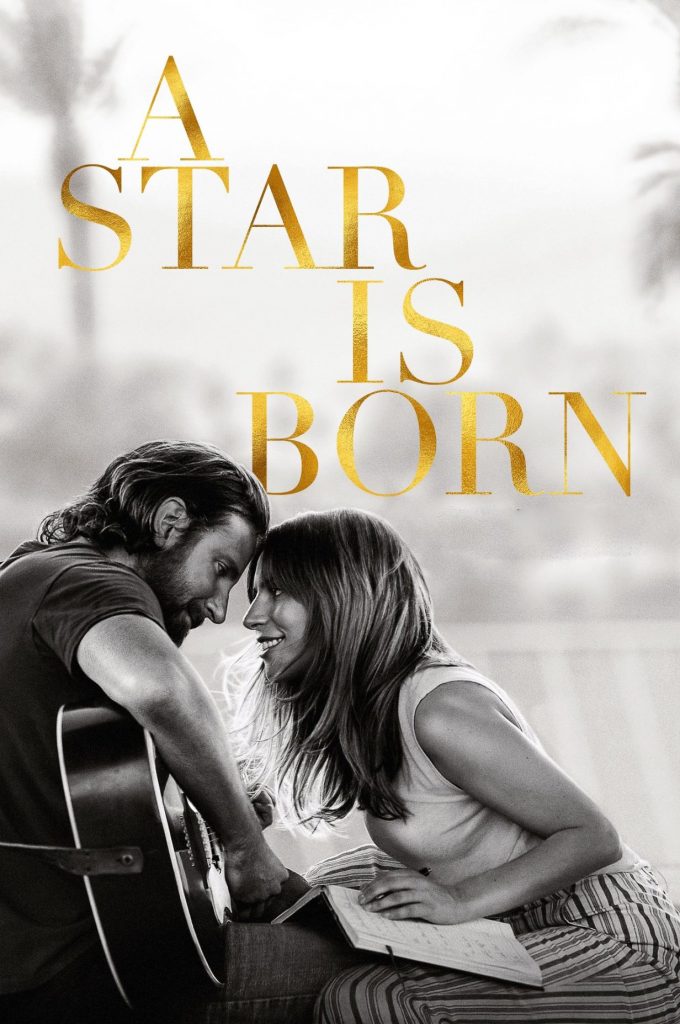
Fourth place: “A Star is Born”

So, in the interest of complete transparency, Lady Gaga could record herself watching paint dry and I would absolutely love it. With that in mind, I enjoyed this movie immensely. The movie is the fourth remake of the original 1937 movie starring Fredric March and Janet Gaynor. This new version is widely different from the previous versions, but it works.

Lady Gaga’s talent makes the film. I believe that many people went into theaters not expecting much from Gaga, as I did myself. I was very surprised to find, however, that she matches veteran Bradley Cooper’s acting skills. Her singing skills, however, blow Cooper’s out of the water. In my opinion, the only detriment to the movie is Bradley’s mediocre singing.

But where Cooper’s musical skills fall behind, he makes up for with his directorial vision. The cinematography is beautiful and accentuates the chemistry between Gaga and Cooper. Not only is the acting full of emotion, the way the movie is shot accentuates that emotion and drew me into the film.

Overall, I would give the movie a four out of five stars.

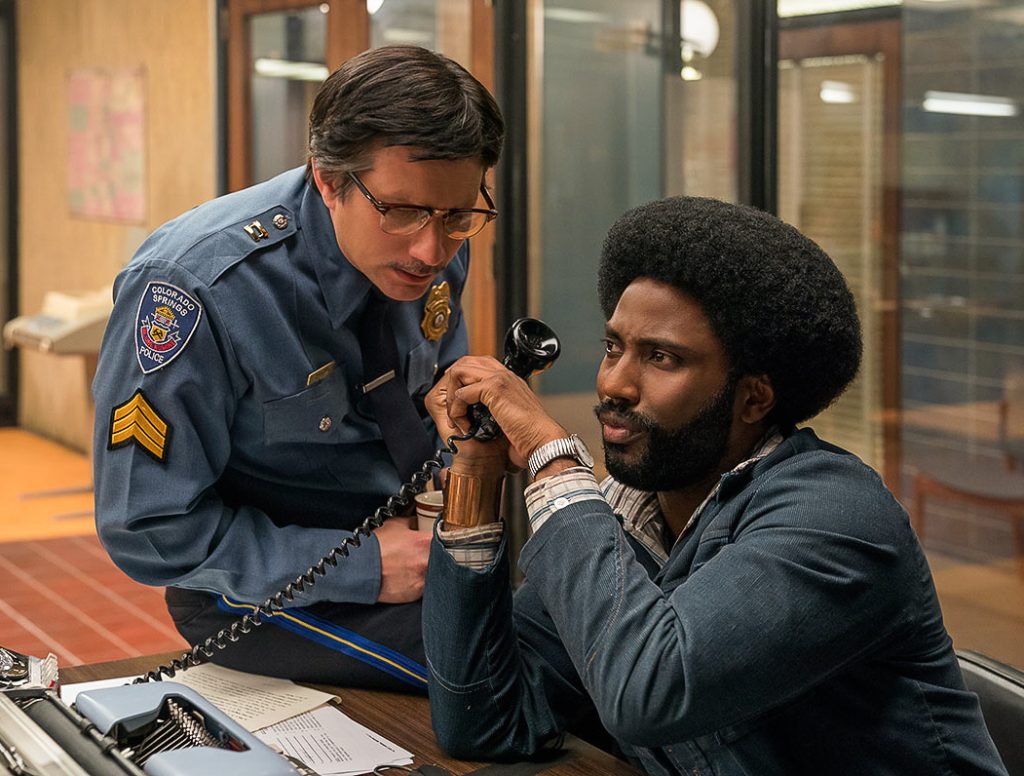
Third place: “BlacKkKlansman”

I consider this movie in my top four of 2018 not because it was fun to watch, but because it was hard to watch. The movie was difficult to digest because while it portrays the prevalence of the Klu Klux Klan in Colorado Springs in the 1970s, it connects the the present, in which racist rallies are still being held.

The movie was so impactful in my opinion because although it ends with a victory for the main character (based on a real person), there really is no happy ending. The movie ends with four minutes of video of the racist rally in Charlottesville in 2017. It really accentuates the political tension we are feeling in America today; it made me wonder how far we have really come.

I would rate “BlacKkKlansman” four out of five stars.


Second place: “Hereditary”

The release of “Hereditary,” I believe, raised the bar for the entire genre of atmospheric horror cinema. As someone who enjoys horror movies that do not rely too heavily on jumpscares (I have a higher tolerance for body horror, and I think less of movies that use jump scares as a crutch) I enjoyed this movie tremendously. Every element of the film came together perfectly and was executed with a level of skill that I believe is hard to match. The acting was superb (Toni Collette, you’re doing so good sweetie), and the use of color, depth of field and the development of three-dimensional characters combine to create a movie unlike what the horror genre has ever seen before. The film is a slow burn; a descent into madness.

The movie tackles so many complex things and weaves a story that isn’t too cluttered or too simple — easy mistakes to make in the horror genre. It is rare for a singular movie to change the landscape of a genre forever, but I believe that is what “Hereditary” has done.

Overall, I would rate this film five out of five stars.

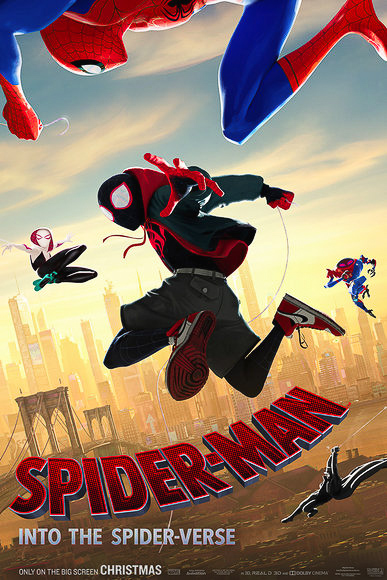
First place: “Spider-Man: Into the Spider-Verse”

I didn’t expect to be impressed by this movie, much less find it to be one of my favorite movies of the entire year. I’m not even much of a Spider-Man fan. But aside from the plot or characters, the animation alone would have shot this movie into my top four. I felt like I was inside a comic book. The animation is like nothing I’ve ever seen before, and the pure artistic talent within the movie is astounding.

Even though I am fairly new to the Spider-Verse, the movie was easy to become involved in, as the storyline is pretty accessible to people new to the Marvel universe. I even caught on to some of the smaller details from watching other, smaller Marvel shows, such as Daredevil. The Spider-Man humor is right up my alley and watching all the Spider-People interact was incredibly fun. John Mulaney is in it; who wouldn’t love that?

Overall, I would give this movie a five out of five stars.


Contact the author at howlentertainment@wou.edu

Photo courtesy of livenationproductions.com (“A Star is Born”), focusfeatures.com (“BlacKkKlansman”), sonypictures.com (“Spider-Man: Into the Spider-Verse”)

Analysis: “Birdbox” vs. “A Quiet Place”

Chrys Weedon | Entertainment Editor

In early April 2018, the box-office hit “A Quiet Place” premiered in theaters around the country. According to Forbes.com, the post-apocalyptic film made over $213 million dollars in less than a month.

Ushering in the end of 2018 was another movie about the end of the world along the same vein, “Birdbox.” Since its release on Dec. 23, “Birdbox” has been watched by 45 million Netflix accounts, according to Forbes.

Both films entertain the idea of an apocalypse in which humanity has to adapt to the “loss” of one of their senses; in “A Quiet Place” it’s hearing or sound.

“Many people in the deaf community (myself included) are cheering the film on…’” commented Pamela J. Kincheloe in her guest article on the Huffington Post website. While the movie is a refreshing take on horror, popular criticisms of the movie cite the fact that the film is catered only to hearing audiences.

“The scenes with ASL are captioned for the hearing audience, but the spoken scenes were not captioned for the deaf audience,” said blogger T. Frohock on his website tfrohock.com.

Another criticism of “A Quiet Place” centers on the closing scene of the film. In the end, mother Evelyn and her daughter Regan discover that the secret to killing the bloodthirsty aliens lies in Regan’s cochlear implant.

“It is the implant, not the signing deaf person, that is heroic,” said Kincheloe.

The biggest difference shown in “Birdbox” is that blindness, in the end, is seen as a true advantage in the new world. In this way, blindness isn’t portrayed as a disability, really. But where “Birdbox” improves upon “A Quiet Place” in certain arenas, it still falls flat in some ways.

“Instead of killing themselves in gratuitously gory ways… people with mental illnesses become literal agents of evil, obsessed with carrying out the monsters’ mission to destroy humanity,” commented writer Jess Joho in her Mashable article. So it seems that while “Birdbox” portrays one disability as a positive, it throws a whole other set under the bus.

While “A Quiet Place” and “Birdbox” are audience favorites, the way they portray disability leaves some wanting more.


Contact the author at howlentertainment@wou.edu

Photo courtesy of netflix.com (“Birdbox”), paramountmovies.com (“A Quiet Place”)

Upcoming on-campus entertainment

Chrys Weedon | Entertainment Editor

Jan. 11:

Event: Rainbow Dance Theatre

Description: The Rainbow Dance Theatre group returns to Western with two works entitled “iLumidance” and “The Garden of Earthly Delights.” The performance will feature dancers using ultraviolet light and electroluminescent wire. Western students get in for free. Tickets are $25 in advance and $30 the day of the show. Doors open at 6 p.m.

Location: Rice Auditorium


Jan. 17:

Event: “Mama Mia! Here we go again” sing-a-long movie night

Description: A showing of the second movie in the “Mama Mia!” franchise will be held from 6:30 p.m. to 8 p.m. Free popcorn and snacks will be provided.

Location: Werner University Center Willamette Room


Jan. 18:

Event: Visiting artist John Gorka

Description: John Gorka is a folk musician who released his 14th album in January of 2018. From 4 p.m. to 5 p.m., Gorka will hold a free songwriting workshop in which attendees will get his take on the craft. RSVPs are encouraged and can be found on the WOU event calendar webpage.

Location: Rice Auditorium


Event: John Gorka performance

Description: After his workshop, Gorka will perform his original music. Tickets are free for WOU students. Otherwise, they are $25 in advance and $30 the day of. Doors open at 6 p.m.

Location: Rice Auditorium


Feb. 4:

Event: Todd Davis poetry reading

Description: Environmental writer Todd Davis will come to WOU to meet with students and give a poetry reading. The reading is open to the public and starts at 4:30 p.m. This event is free.

Location: Hamersly Library room 107


Feb. 20:

Event: Paul Roberts concert

Description: WOU has invited musician Paul Roberts to perform for students and community members. Western students get in for free, and general public tickets are $8. The concert starts at 7:30 p.m.

Location: Smith Music Hall


March 5:

Event: Chamber and Guitar Ensembles

Description: The Chamber Ensembles, directed by Dr. Keith Karns, will perform in a concert with the Guitar Ensemble, directed by Christopher Woitach. The performance will start at 7:30 p.m. Western students are admitted for free, and the general public can purchase tickets for $5.

Location: Smith Music Hall


March 15:

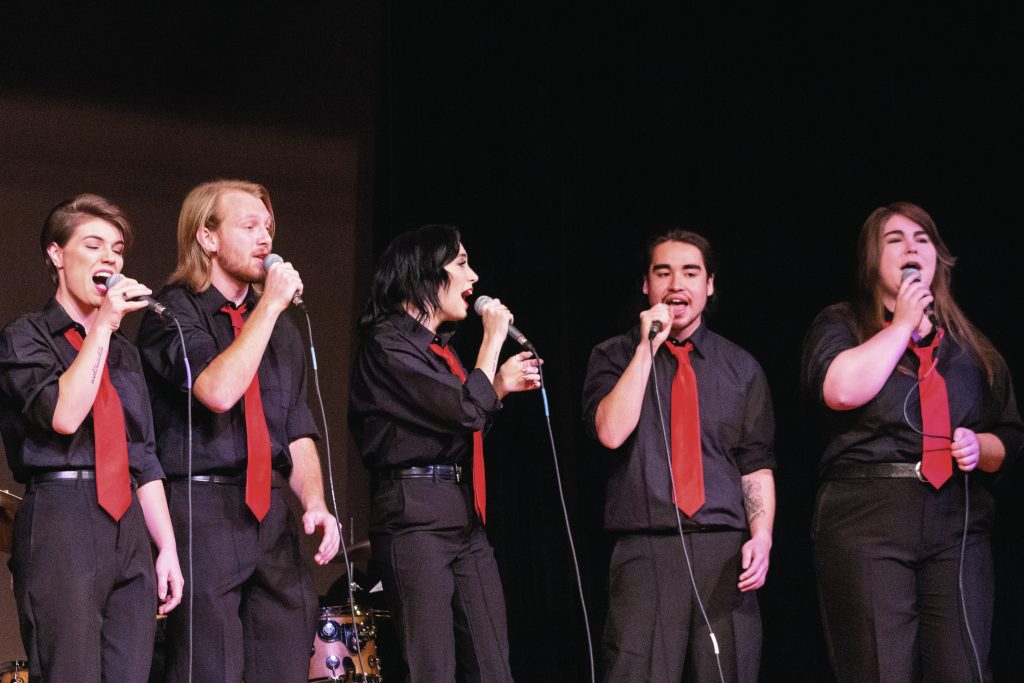
Event: Western Oregon Voices

Description: Western Oregon Voices will perform their winter term concert. The ensemble’s performance will be directed by Dr. James Reddan. The concert starts at 7:30 pm. Public tickets are $5, and Western students get in for free.

Location: Rice Auditorium


This is not a comprehensive list of all the winter term arts events. To see more events, visit the Western events calendar at http://calendar.wou.edu/.


Contact the author at howlentertainment@wou.edu

Smack dab in the middle of a Western jazz concert

Chrys Weedon | Entertainment Editor

Western Oregon Voices gave a warm and cozy end to a rainy, festive night with their jazz-themed concert, “Pass Me the Jazz.” Following the 51st annual Holiday Tree Lighting, the auditioned ensemble of 13 students, accompanied by a jazz combo, performed five jazz pieces and one traditional Christmas song, “Carol of the Bells.”

The accompanying jazz combo included Noah Adams on drums, Jacob Marsh on bass, and Julia Harrington on piano.

Dr. James Reddan directed this concert, his second performance in one week. Dr. Reddan is a nationally and internationally acclaimed conductor, clinician, and adjudicator. Reddan has also won two awards: one for “Excellence in Music Education” from the American Prize in Choral Music and one for being the conductor for the first “Honored Artist Choral Ensemble” by the American Prize.

“I chose to focus on jazz specifically because of the many musical doors it opens for the singers in this ensemble,” said Dr. Reddan. “The skills that the students learn from singing vocal jazz repertoire translates extremely well and benefits them when performing in all other styles of vocal music,” he added.

Despite some difficulties with sound, the concert went down without a hitch, and the smooth uniform style of the performers added exponentially to the overall ambiance of the performance. The song choice included pieces that were recognizable but not naggingly cliché.

Starting Winter Term, Western Oregon Voices will be performing in and around Salem. Auditioning for an international festival and performance is also on their radar.


Contact the author at howlentertainment@wou.edu

Photo courtesy of Ashlynn Norton

Great American band music comes to Western

Chrys Weedon | Entertainment Editor

Western’s wind and percussions ensembles and the Chemeketa wind ensemble paired up to perform a substantial concert on Thursday, Nov. 29.

Chemeketa’s ensemble, directed by J. J. Meyer, opened the performance. They played five pieces, all of which sounded impressively full despite the small size of the band. Songs played included “American Folk Rhapsody No. 2” by Clare Grundman, “Cajun Folk Songs 2” composed by Frank Ticheli, “Foundry” created by John Mackey, and “Down in the Valley” by Pierre La Plante.

Following Chemeketa’s performance was a set of performances by Western’s percussion ensemble. Two pairs of musicians played two movements each composed by Mark Mellits as part of a multi-movement project. Percussionists were Bailey Schafer, Noah Adams, Evan Saab, and Elijah Thompson.

Western’s wind ensemble was next in the line-up, directed by Dr. Ike Nail. Playing seven pieces, Western’s ensemble was slightly bigger than Chemeketa’s, but not by much; they still showed a great amount of musicianship and displayed a rich sound. Two songs, “Carnival of Venice” and “Reverie,” featured Keith Karns, a trumpet player and arranger. Karns is also the new Director of Jazz Studies at Western.

The final performance of the night combined both ensembles, finally filling all the stage seats and creating a truly large, triumphant, traditional-sounding group. “El Capitan, March” by John Philip Sousa was the closing song.

Both ensembles avoided the trend of playing holiday pieces, tempting being that it is that time of year. Despite the regular amount of missed notes and hiccups that any ensemble knows too well, the concert had a lively pace and there was rarely a lull in the action. Western’s wind ensemble exhibited a collegiate level of musicianship, as did Chemeketa’s even though their numbers were noticeably smaller. Coming together at the end gave the concert a sense of closure and the characteristically full sound of a classic American ensemble.


Contact the author at howlentertainment@wou.edu

Photo courtesy of Ashlynn Norton

“Music of the Spheres”: Dr. James Reddan’s Western directorial debut

Chrys Weedon | Entertainment Editor

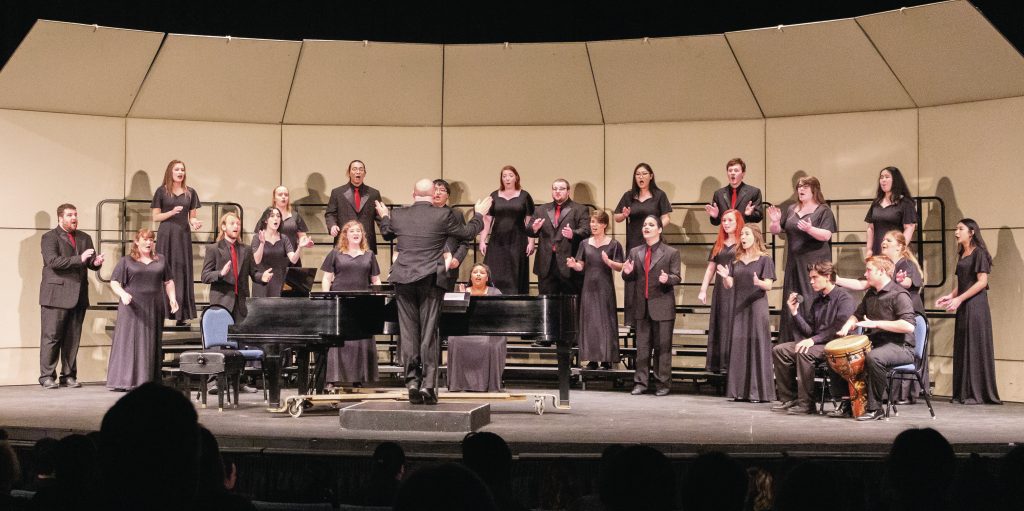
The “Music of the Spheres” concert choir and Chamber Singers concert on Nov. 27 gathered together a large crowd of friends, family, students and community members.

Western’s concert choir is the institution’s largest ensemble, according to the event program.

Songs from various parts of the world were performed, including “Tshotsholoza,” a South African freedom song that was sung when Nelson Mandela was released from prison. According to Director Dr. James Reddan, this song was chosen to celebrate the 100 year anniversary of Mandela’s release.

Also performed was the Austrian carol “Still, Still, Still,” “Sanctus” by Mozart, “Sure on this Shining Night” composed by Lauridsen and “Make Our Garden Grow” created by Leonard Bernstein.

The Chamber Singers are an ensemble comprised of around 24 students that performs mainly A Cappella music. Highlights included “Deck the Halls” performed in 7/8 time, “Babethandaza” which is another traditional South African song, and “Shalom Chaverim,” a traditional Hebrew song.

“In this concert, we celebrated music from different parts of the world, traditions, philosophies, religions, and ideologies,” said Dr. Reddan regarding the title of the concert. “Especially, at this time of year, it is important to celebrate our presence together and our ability to work together for more understanding for each other and the world around us.”

Dr. James Reddan is the director of all three on the choral ensembles at Western and only started approximately 10 weeks ago, as this is his first term as Director of Choral Activities. “Being new at WOU, everyone had to get used to me and me to them,” said Dr. Reddan, “choosing the music this summer was a great adventure, but more importantly, seeing the ensembles take ownership of the music to being it to life has made all of the hard work well worth it.”


Contact the author at howlentertainment@wou.edu

Photo courtesy of Ashlynn Norton

Poet Andrea Gibson releases new book

Chrys Weedon | Entertainment Editor

Andrea Gibson, a poet based in Boulder, Colorado, released their second book of poetry in 2018. “Lord of the Butterflies” is the fourth full-length poetry collection of Gibson’s. The poet’s other book, released in January 2018, is an illustrated book full of the most popular lines from their most famous poems and is titled “Take Me With You.”

Gibson burst onto the spoken-word poetry scene in 1999 and gained great popularity when they won the first Women of the World Poetry Slam in 2008. 2008 is also the year Gibson released their first poetry collection, “Pole Dancing to Gospel Hymns.” Gibson is busy in the LGBTQ+ activism community, and is involved in the anti-war and anti-white supremacy movements as well.

Gibson’s newest release includes 38 poems. The poems are a combination of old pieces that Gibson has been performing on tour, and some pieces that are completely new. Gibson’s new book tackles themes of family, gender, mental health, LGBTQ+ issues, politics and self love, to name a few.
This is quite on-theme for Gibson, but their writing style frames the topics in a way that seems fresh and evergreen. The poet grasps nuance with a simultaneous tightness and fragility that, in my opinion, is one of the reasons they stand out from the crowd.

I have personally seen Gibson perform their poems twice, so it was cool to read some of my favorite poems with their voice speaking along in my head. It’s also nice to have a physical copy of some of Gibson’s most popular poems. I think this volume really captures the scope of Gibson’s work in a way that improves on their previous books.

Information on Gibson’s shows and tour dates can be found at andreagibson.org. I would strongly recommend experiencing their work live if possible.


Overall rating: I would strongly recommend this book.


Contact the author at howlentertainment@wou.edu

Opinion: Art wall births even more hate speech in Monmouth

Chrys Weedon | Entertainment Editor

As I finished typing up my story about the new art wall installation on campus, I allowed myself to feel a little teaspoon of hope. It was hard to swallow because of my pessimistic tendencies and the current political climate; but somewhere in the back of my head I thought “well, this campus tends to be quiet, progressive even. I’m sure we can have a respectful, expressive conversation about this.” I guess I should’ve checked myself there.

Not long after the art wall piece came out, somebody — or a group of somebodies — spray painted anti semitic graffiti in Monmouth. Just last year was the last publicized occurrence of a hate crime. But I clung onto some bit of hope as participation with the art wall was mostly positive and rational at that point. People were having an encouraging and productive conversation about border security. Or so I thought.

One day, I checked up on the wall, as I made a habit of doing. My stomach dropped as I saw that someone had written over every piece of art with “BUILD THE WALL” in bright red paint.

Placing my own opinions aside, this “contribution” is upsetting on a basic level. Not only was this new addition vastly different from the rest of the constructive art it was now covering, it was incredibly disrespectful and counterintuitive to cover up another person’s piece. I don’t care what someone’s opinions are specifically; I care when people try to silence voices different from their own.

It got worse. The next day, while I was checking on the wall once again, I came face-to-face with one of the culprits. A man, accompanied by an armory of spray paint cans, was simply covering over everything he didn’t agree with. Thick coats of black and red paint now covered over every last piece of commentary with phrases like “MAGA,” little republican elephant symbols, and “build the wall.”

I couldn’t help but think back to the interview I had with the artist responsible for the wall, Eric Frey. He mentioned wanting to exhibit pieces of the wall in galleries after the installation is taking down on Dec.1. After witnessing the graffiti, I couldn’t start thinking about how the legacy of the wall will no longer be an open conversation, but a cortex of hate where only one voice prevails.

By the time of this article’s release, the hateful graffiti has been covered up with other graffiti from people with opposing views. Although this is less hateful graffiti, my point still stands. It’s still perpetuating the cycle of “your opinions aren’t the same as mine, so I’m going to silence them.” And the original commentary is lost forever, and the current art being displayed is still not constructive.

Constructive conversations allow room for both sides to express their opinions, without feeling unsafe or silences. There is no room in a productive conversation for hate speech.


Contact the author at cweedon16@wou.edu

Photo courtesy of Ashlynn Norton

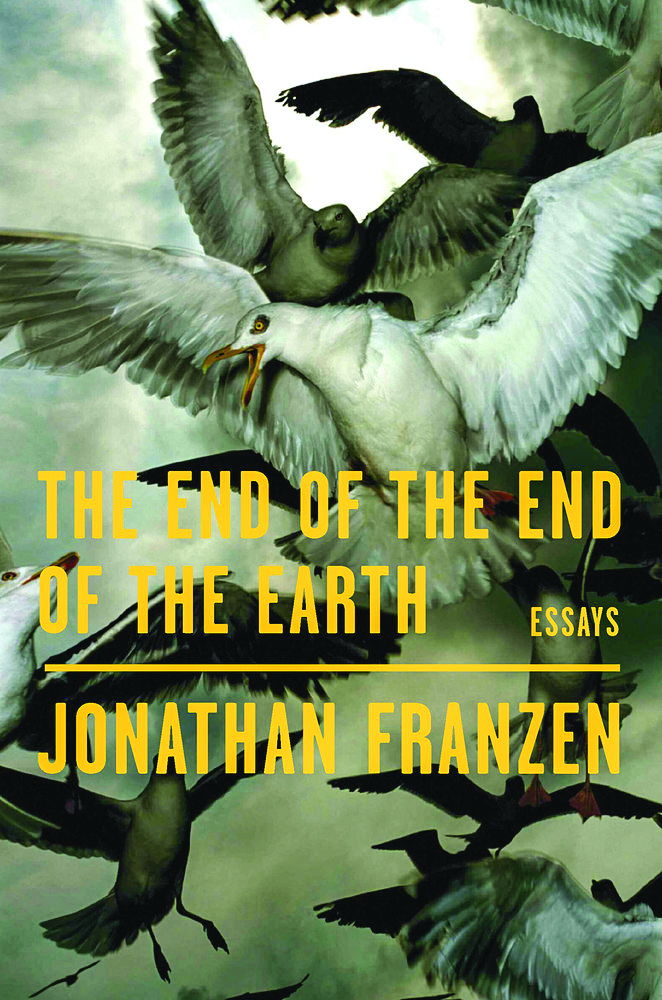
Review: “The End of the End of the World”

Chrys Weedon | Entertainment Editor

Jonathan Franzen has proven himself to be a writer of many talents; his published works cover fiction (“Purity” and “The Twenty-Seventh City”), nonfiction (“How to Be Alone”), and translation (“Spring Awakening”). Franzen has also dabbled in journalism and has submitted articles to various magazines, including “The New Yorker.”

The essays in his newest book span autobiography, nature, and art. Right out of the gate, Franzen’s writings are dripping with pessimism and a dull outlook on the state of humanity, which is, at first, relatable. But as the book goes on, it becomes a little old. His essays are bursting with a depression and pessimism that truly made me believe that he thinks he is smarter than his readers, and he is trying very hard to prove it to you. A self described “realist,” Franzen seems to be trying to convince his readers that his version of reality is the right one.

All is not lost, though. Franzen makes up for the human-hating and privileged parts of the book with some very good points about climate change and the political gridlock that prevents stimulation and action.

Another redeeming part of the novel is how much of an obvious and self-proclaimed bird geek Franzen is. A great number of his essays are based around birds and their lives.

“If you could see every bird in the world, you’d see the whole world,” wrote Jonathan in his essay titled “Why Birds Matter.” “The radical otherness of birds is integral to their beauty and their value. They are always among us but never of us.”

The deeper into the book I traveled, I realized that Franzen’s depressing pessimism is mostly a defense mechanism.

In the essay “The Regulars,” Franzen wrote about bars: “I become miserable with self-consciousness and thrift and shame and shyness and etiquette anxiety, unless I’m with a group. The result is that I can’t look at the regulars without envy and longing — a wish to be one of the Regulars myself.”


Overall rating: If anyone is going to read this book, I would recommend checking it out from the library.


Contact the author at howlentertainment@wou.edu

Photo courtesy of Johnathan Franzen

Review: “Boy Erased” reveals truths and horrors about conversion therapy in America

Chrys Weedon | Entertainment Editor

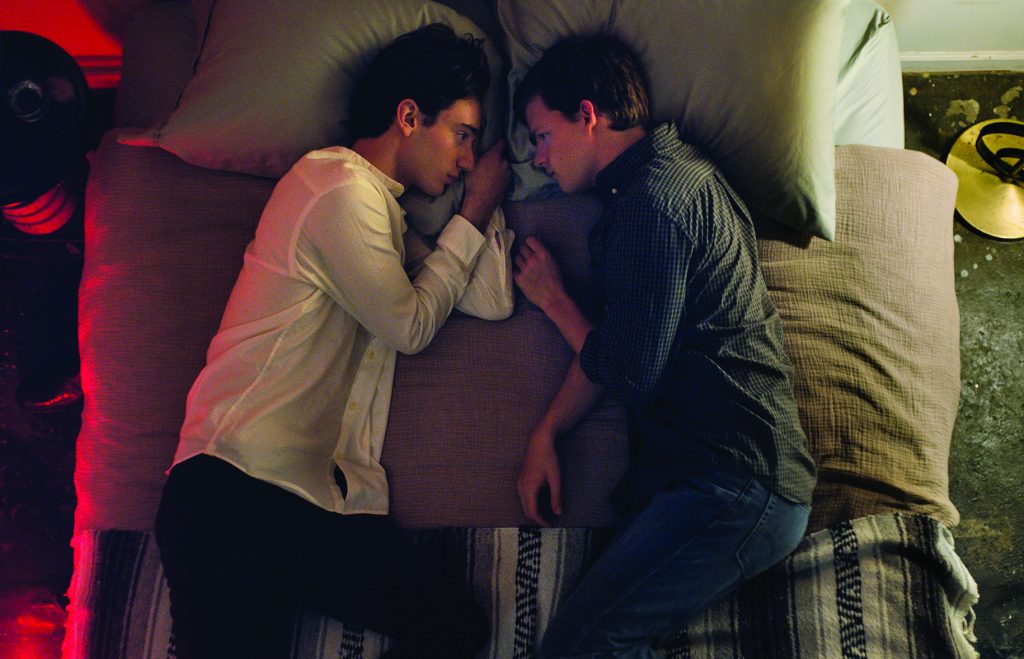
Released Nov. 16, “Boy Erased” follows teenager Jason Eamos, the son of a conservative Baptist pastor and his loyal wife.

Following a traumatic, life-altering event, Jason is outed and must come to terms with the fact that he is gay. After coming out to his parents, Jason is faced with the two-realities that many young LGBTQ+ kids have to choose between: accepting his identity and being disowned by his family or agreeing to reject his sexuality to save his relationship with his parents.

After choosing the latter, Jason is put into a gay conversion program, in which he comes head-to-head with its abusive leader. Throughout the program, Jason witnesses the real-life horrors of forced conversion and begins to accept himself and his identity. Among fellow participants, Jason meets the indoctrinated young man drowning in internalized homophobia, the cunning boy who keeps his head low and fakes it, and the woman who is forced into long-term housing after “failing” to become straight.

According to the end-credits of the film, 700,000 LGBTQ+ Americans have experienced conversion therapy at some point in their lives. “Boy Erased” is actually based on a memoir, written by Garrard Conley, himself a survivor of conversion therapy.

The cinematography of this film is dark, flooded with grey and blue tones to match the subject matter. The dialogue is full of cliches and dogma that many LGBTQ+ children of religious parents have heard at least once in their lives. If nothing else, this film is a stark and honest vignette of the life of someone who has been forced through conversion therapy and has come out the other side — which can’t be said for all.

“Boy Erased” is hard to watch. For any LGBTQ-identifying who has experienced anything mentioned above, watching the film will be extremely triggering. Any sexual assault survivors should also watch with extreme caution. General mental health services can be found at the Student Health and Counseling Center, which can be contacted at (503) 838-8313. Other resources include the Stonewall Center, located in WUC 110 and Abby’s House, located in WUC 106.


Overall Rating: I would recommend this film, but would advise caution.


Contact the author at howlentertainment@wou.edu

Photo courtesy of focusfeatures.com

One Acts: Directed by women, acted by women, written by women

Chrys Weedon | Entertainment Editor

On Nov. 19, in a small, black-box type room in the Math and Nursing building, a handful of ten-minute plays were showcased. Audience members sat in a semi-circle, humming in anticipation to see the four ten-minute plays being performed: “Koffee,” “The Role of Della,” “Bending Over Backwards” and “Is It Me?” All of the plays were directed by students, all of which were women; all the actresses were women as well. Additionally, two of the short plays were written by their student-directors.

Madeline Weinstein, a junior in the Western theatre program, was featured in “Koffee” and “The Role of Della.”
“My favorite part was watching myself and the other actresses around me grow into their roles,” said Weinstein, “we started off basic and then gradually melded more into our characters and created our own versions.”

“Koffee” was a short vignette into the life of a woman having a heated, posthumous conversation with a friend from high school who recently died in a car accident.

In “The Role of Della,” an actress gets put through the wringer in an audition by a ruthless director, who is later revealed to be an imposter attempting to steal her acting technique.

“Is It Me?” showed a scene of two women waiting in a lobby to be called in for an interview. The audience hears every thought in the women’s heads: sizing each other up, judging each other, putting themselves down, wondering who forgot to put on deodorant.

The scene of “Bending Over Backwards” showed a young writer pitching a TV show to her zanny and sexually explicit boss who had a knack for acting out various positions.

“Since the shows are only 10 minutes, they didn’t require much rehearsal,” said Weinstein of the preparation process. “Because I was in two shows, I had double the rehearsal, but even then, they were more fun and chill rather than worrisome and scary.”


Contact the author at howlentertainment@wou.edu

SPECTRUM!: Putting student works on stage

Chrys Weedon | Entertainment Editor

Among a cluster of student concerts being held the week of Nov. 26, “SPECTRUM,” a free-for-students concert consisting solely of works created by student composers, was one of them.

“SPECTRUM!” included seven pieces written by six different artists. Most of the compositions were performed for the very first time at the concert. There were three pieces that included a vocal performance with piano accompaniment, two pieces by a string quintet, a vibraphone performance and a song that included vocals and a pre-recorded music track.

Two of the performances were created by the same composer, Tommy Leinonen.

“These are two songs from a musical-in-progress called ‘Human,’” prefaced Leinonen on stage, “it follows a family that is seeking asylum.”

According to Leinonen, the two songs are sung from the perspective of the heroine in the play. The songs are titled “Human” and “Why Me?” Both compositions were sung by Suzy Herbert and accompanied on piano by Tommy Leinonen himself. Not only did the composer exhibit his talent, Herbet did as well with her skillful and emotion-laden vocals.

Student composers included Drew Swatos (“A Poem of Gratitude”), Tommy Leinonen, Levi Polasek (“Space Adventures”), Jinho Choi (“The Lord of Light”), Ben Kroeker (“String Quartet No. 1”) and Washington Plada (“Tango de Invierno”).

The purpose of this concert was to showcase student talent, and it fulfilled its purpose with ease. All of the compositions showed a fine and promising level of musicianship. It was obvious that these students worked hard to hone their craft and hold themselves to a performing standard.


Contact the author at howlentertainment@wou.edu

Nightcore Deep Cuts” analyzes our “information age capitalism”

Chrys Weedon | Entertainment Editor

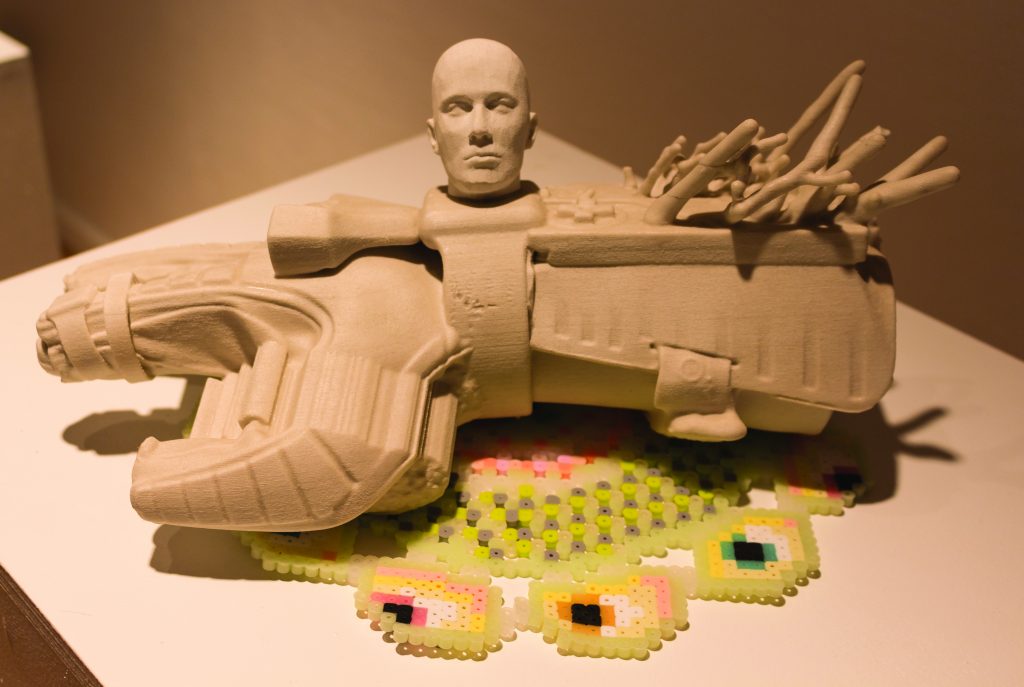
“Nightcore Deep Cuts” is the title of a new exhibit featured at the Cannon Gallery of Art in Campbell Hall.

Artist Tabitha Nikolai is showcasing pieces of her art that have never been shown in Oregon before. “Nightcore” refers to a genre of music that edits popular songs by increasing the speed and pitch, therefore making a song sound hyper-positive and danceable. This genre was born on the internet.

“Nightcore’s quickening makes conventional (and previously enjoyable) music feels glacial and frustratingly predictable. This parallels an accelerating pace of life, work, and socialization under information age capitalism,” says the description of the exhibit in the Cannon Gallery.

All of the pieces in the exhibit are centered around technology and the online world.

The gallery includes interactive pieces in which participants can manipulate objects on computer screens, and dawn various audio headsets to capture the full experience of the exhibit. Another interactive piece is a large bean bag chair, acting as the partner to a nearby sculpture/display. Along with these pieces that onlookers can touch and manipulate are other sculpture-type pieces. The mediums used range from 3D printer to virtual environments to perler beads and spray paint. There are nine pieces total.

It sounds confusing. In a way it is true, and some may see that as the point. The pieces included in this exhibit showcase a unique and interesting perspective that is not seen often in popular culture.

“It’s hard to say it’s my favorite per se,” said Nikolai, “but the most important one to me is ‘Smol Monument to Maddie Rose and Ally Steinfeld.’” Rose and Steinfeld are both young trans women who have faced bigotry and various horrors because of their identities. Maddie Rose was threatened with death, thus causing her to move out of her hometown of Achille, Oklahoma. Ally Steinfeld’s story is even more vicious and disturbing. Steinfeld lived in Missouri up until she was brutally murdered. “Growing up in conservative places can be very repressive and dangerous and so I wanted to make something in solidarity with queer people in small towns or rural America,” remarked Nikolai.

Nikolai grew up as an only child to a single mother in Salt Lake City, Utah. She is now based in Portland, Oregon. Previously, Nikolai has taught at the Pacific Northwest College of Art and Portland State University, but now describes herself as a “recovering academic.”

“Within my speculative realms, I center narrative focus on the monster, its circumstances, and its avenues of agency,” reads Nikolai’s website, “this is a response to widespread negative attitudes toward transgender people.”

Nikolai’s exhibit opened on Nov. 7 and will be on display until Dec. 7. Nikolai also recently gave a talk at Abby’s House titled “Queer/Trans/Femme Solidarity Through Art.”


Contact the author at howlentertainment@wou.edu

Photo courtesy of Ashlynn Norton

Fall recital showcases student talent

Chrys Weedon | Entertainment Editor

Considering it was 11 a.m. on a Thursday, there was quite a crowd gathered in the small foyer of Smith Music Hall, a petite building tucked away in the northwest corner of Western’s campus.

The Fall term student recital was held on Nov. 15. The recital contained a total of 12 acts. Most, if not all, music majors are required to be in a certain amount of recitals in order to graduate.

The acts included guitar and voice performances, piano and voice performances, piano and horn performances (tuba and french horn), but the majority of acts were solo piano numbers.

Smith Hall is old, with an abundance of fake plants and drab floors and walls. The compositions chosen by the performers accentuated how truly aged the building is.

The numbers performed were mostly classical compositions, born from multiple composers: Barat, Bach, Beethoven, Chopin, Hadyn, Bartok, Brahms and Schuman. Two songs composed by 20th century musicians Schuman and Barber were also performed.

An original song was also performed by Stacy Henle, titled “Kindness.” Stacy sang and accompanied herself on guitar.

Student pianists showcased their talents throughout the performance. Among the pianists whose performances really stood out were Meiyi Liu, Lingyu Zhu, Yun Xia and Andrea Roesel. The musicality and animation that these artists had in their performances captivated the audience.

Another student with an unforgettable performance was Virtue Cornelison. Cornelison sang Vergebliches Ständchen, a German song by Brahms, and was accompanied by Jackie Morelli on piano. Virtue’s passion was obvious, and the intrigue of the audience was palpable. Everyone in attendance was drawn in, silent, paying attention to Cornelison’s rich voice and big personality.

Joshua Mendoza, a second year music major, was the first to perform. He played “Introduction and Dance” by J.E. Barat on the tuba, while being accompanied on the piano. “The student recital is a good opportunity for students (music majors especially) to give a real performance and show off the repertoire they have been working on this term,” Mendoza stated.


Contact the author at howlentertainment@wou.edu

The West of Us performs first fall concert since 2016

Chrys Weedon | Entertainment Editor

The West of Us kicked off their year in Smith Hall with their fall term concert Monday, Nov. 12. This performance also marked their first fall performance as a singular, coed group.

Completely student led, Western’s A Cappella club currently has 16 members. Before the 2017-2018 school year, Western had two A Cappella groups, separated by gender. Violet Trammel, President of the group, commented in a previous interview that the integration of the groups has helped fill out the club’s sound and allowed them to achieve more musically.

“It’s awesome when we collaborate on a song we can comfortably have the super high parts and comfortably have the superlow parts,” commented Cole Aldred, Vice President.

Not all of their songs were integrated, however. In their Fall term concert, The West of Us gave the audience variety. The performance was split fairly evenly between whole-group, male-only and female-only numbers. This added to the overall pace of the concert and as a result, there was never a lull in the show.

The club’s performance also displayed a variety of genre. The numbers were fun and included several numbers that really pleased the crowd. Among the numbers were a “The Greatest Showman” medley, an all-male Disney medley, “Toxic” by Britney Spears, “Bet on It” from High School Musical II and “Light in the Hallway” by famous A Cappella group Pentatonix.

The unification of the group did indeed bolster their sound, but there were moments in the performance when The West of Us still sounded fairly thin. In each song, individual members shone, their talent obvious when the sound was just right.

“I think we will work on improving our overall musicality (dynamics, intensity, and accuracy),” commented President Trammel, “as well as maintaining a lively stage presence throughout every song of the show.”


Contact the author at howlentertainment@wou.edu

Upcoming concerts in Portland, OR

Chrys Weedon | Entertainment Editor

Living in a rural area sometimes has its perks, like less traffic and friendly faces. However, it has its drawbacks as well. One of those drawbacks is being far away from all the best music venues. Thankfully, we are only an hour away from the home of some of the most popular music venues in western Oregon — Portland. Here are some of the big names coming to Portland before the new year.


Nov. 24: Trans Siberian Orchestra

Venue: The Moda Center

Address: 1 N Center Ct St, 97227, Portland, OR

After two years away, the Trans Siberian Orchestra is returning to Portland. Tickets cost between $41.00 and $75.50, depending on where you sit. Tickets for the Orchestra sell notoriously fast, so be sure to grab tickets soon. Tickets can be purchased at trans-siberian.com. Doors open at 3:30 p.m.

[fruitful_sep]

Dec. 3: Mt. Joy

Venue: McMenamin’s Crystal Ballroom

Address: 1332 W. Burnside St, 97209, Portland, OR

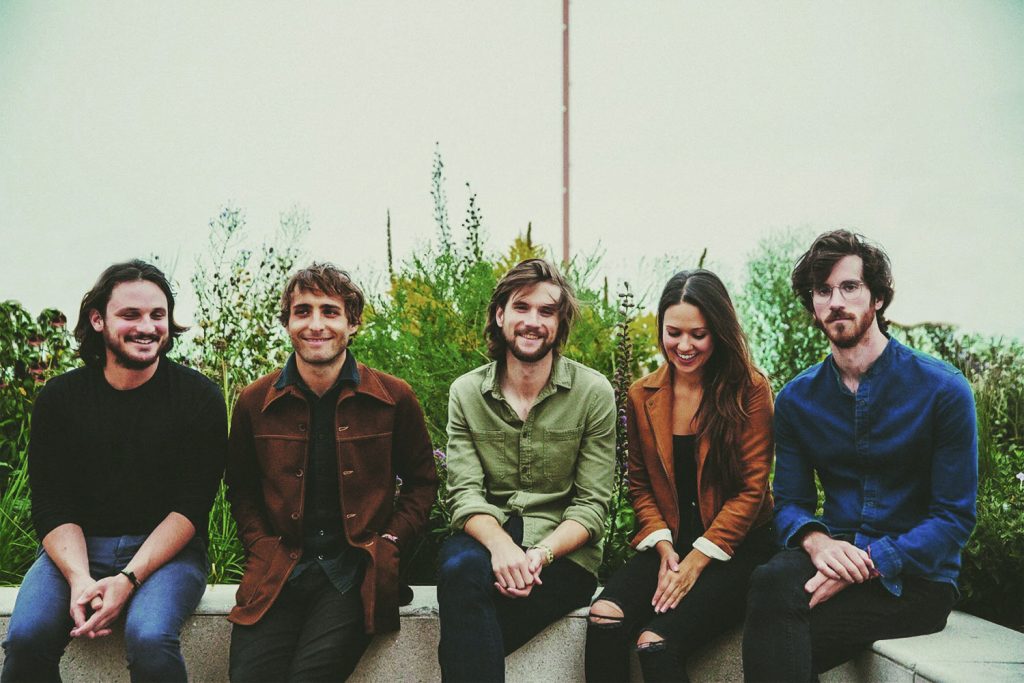
Mt. Joy is performing as the headliner, preceded by the band The Weather Machine. Mt. Joy currently has one self-titled album. Tickets are $17.50 and the show is all ages. Tickets can be purchased on mtjoyband.com. Doors open at 6:30 p.m.

[fruitful_sep]

Dec. 8: Rosanne Cash

Venue: Revolution Hall

Address: 1300 SE Stark St, 97214, Portland, OR

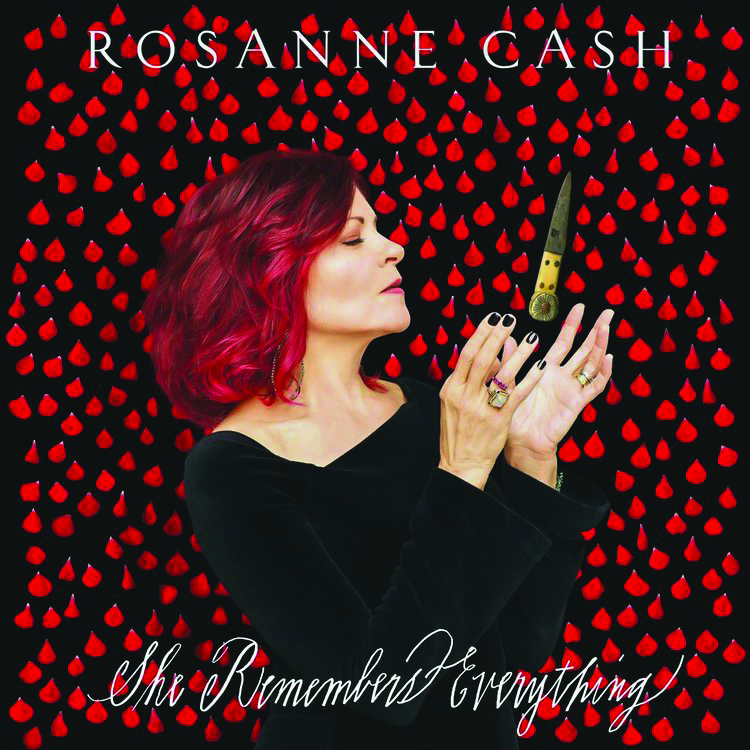
Rosanne is an accomplished, Grammy award-winning artist who is also the eldest daughter of Johnny Cash and his first wife. Tickets are $42.50 and the show is all ages. Tickets can be purchased on rosannecash.com. Doors open at 8 p.m.

[fruitful_sep]

Dec. 12: Death Cab for Cutie

Venue: McMenamin’s Crystal Ballroom

Address: 1332 W. Burnside St, 97209, Portland, OR

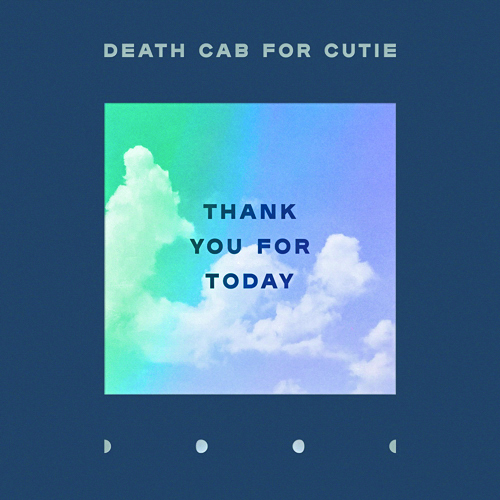
Pacific Northwest native Death Cab for Cutie is touring their eighth studio album. Tickets are $62.50 and the show is all ages. Doors open at 6:30 p.m.


Contact the author at howlentertainment@wou.edu

Photo courtesy of Trans Siberian OrchestraMt. Joy, Rossane Cash, Death Cab for Cutie