

Jan. 28, 2026 | Isaac Garcia | Sports Editor
The newest addition to an unfortunate saga regarding gambling affecting the integrity of sporting competitions was exposed Jan. 15 when a federal indictment named 39 current or former college basketball players across 17 different schools in a point-shaving scandal and charged 20 players with federal crimes. In addition, six non-athletes or “fixers” were reportedly charged for conspiring in the scheme. According to the indictment, players were given anywhere from $10,000 to $30,000 from conspirators to throw games and underperform. Fans may remember last fall when Trail Blazers head coach Chauncey Billups, along with others, was charged in relation to an illegal gambling ring. Two defendants from that case, Shane Hennen and Marves Fairley, were also charged in this case and may face up to 25 years in federal prison for their roles.
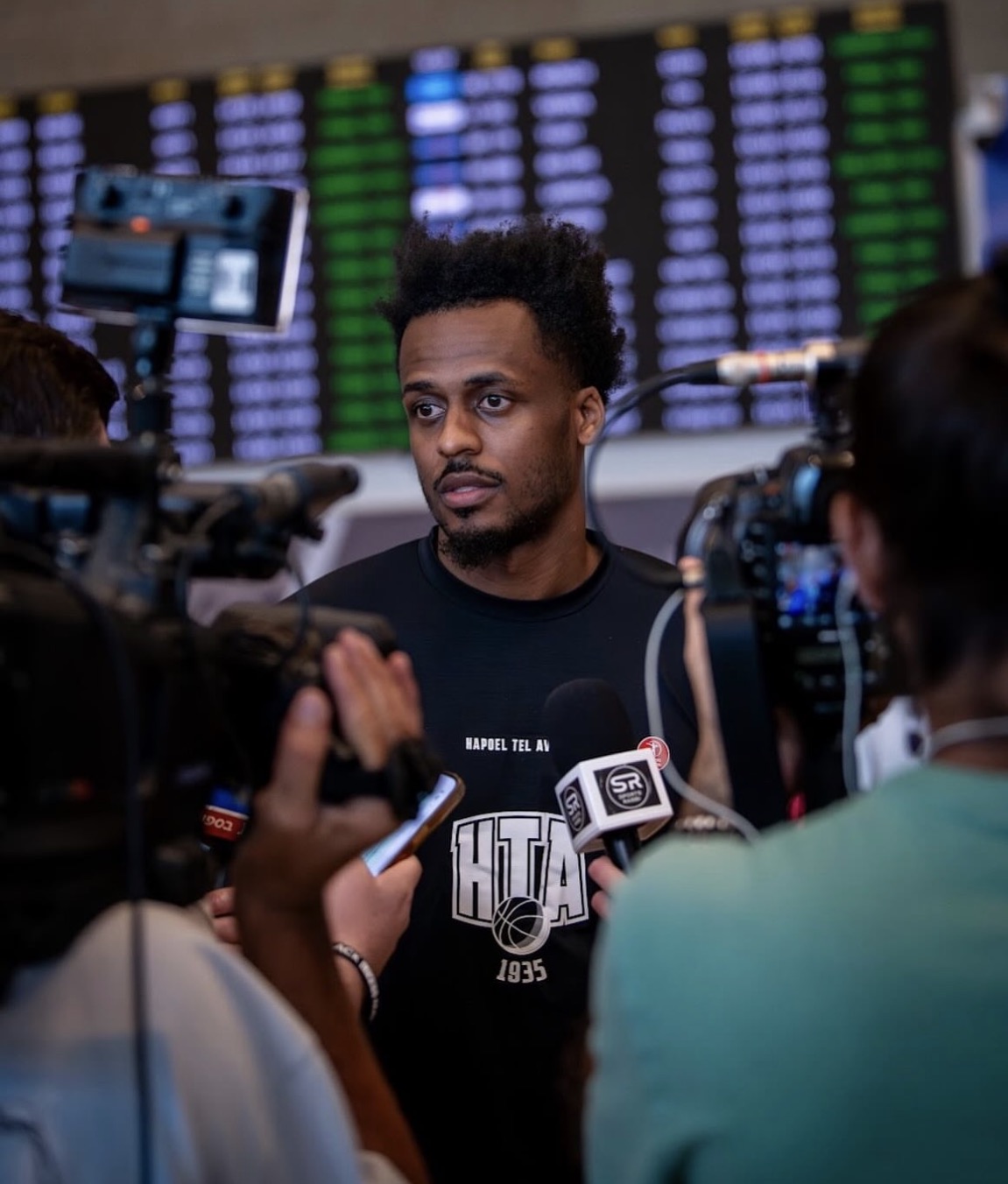
The operation is alleged to have begun in September 2022 when Antonio Blakeney of the Jiangsu Dragons in the Chinese Basketball Association engaged in the point-shaving scandal and attempted to recruit his teammates as well. One such example was when Blakeney scored 21 points below his average. Blakeney was charged separately from the rest of the indictment.
The scheme made its way to college basketball, where conspirators are said to have targeted players who didn’t have significant name, image and likeness contracts, and would therefore be easier to recruit for the scheme, as well as non-athletes who had ties to collegiate basketball, such as trainers and other “people of influence.” 29 different games between February of 2024 and January of 2025 are said to have been affected, including four postseason games in various tournaments, although NCAA Tournament games, also known as “March Madness,” seem to have been unaffected.
Simeon Cottle of Kennesaw State, who is charged for his role in helping fix a game March 1, 2024, played as recently as Jan. 14 and was his team’s leading scorer. According to a statement from the university given to Sports Illustrated, Cottle has been suspended indefinitely from all team activities. Other current players named in the indictment are Carlos Hart from Eastern Michigan, although his involvement took place when he was still with New Orleans, Oumar Koureissi from Texas Southern, with his involvement taking place with Nicholls State, and Camian Shell from Delaware State, whose involvement took place at North Carolina A&T. It appears that like Cottle, all of these players have been suspended or removed from their teams.
In the wake of the scandal, NCAA President Charlie Baker issued a statement that said over the past year, 40 players from over 20 schools have been investigated, with 11 of those athletes being ruled permanently ineligible due to betting on their own performances. An additional 13 of the investigated student athletes did not cooperate with investigations, and while it’s unclear whether they were also ruled permanently ineligible, Baker said in his statement that “none of them are competing today.” Baker also urged states to bolster regulations regarding sports gambling in order to “better protect athletes and leagues from integrity risks and predatory bettors.”
One of the protections the NCAA is looking for is a ban on what are considered “high-risk” player prop bets, similar to restrictions placed at the NBA level regarding prop bets on players with comparatively lower salaries. When it comes to the state of Oregon, all gambling on collegiate sports is currently prohibited; however, some tribal casinos are able to offer it via their own sportsbooks, due to operating under a different set of laws. Legal proceedings are still ongoing, and it remains to be seen what will come of the charges and what future protections may be put in place.
Contact the author at howlsports@wou.edu