

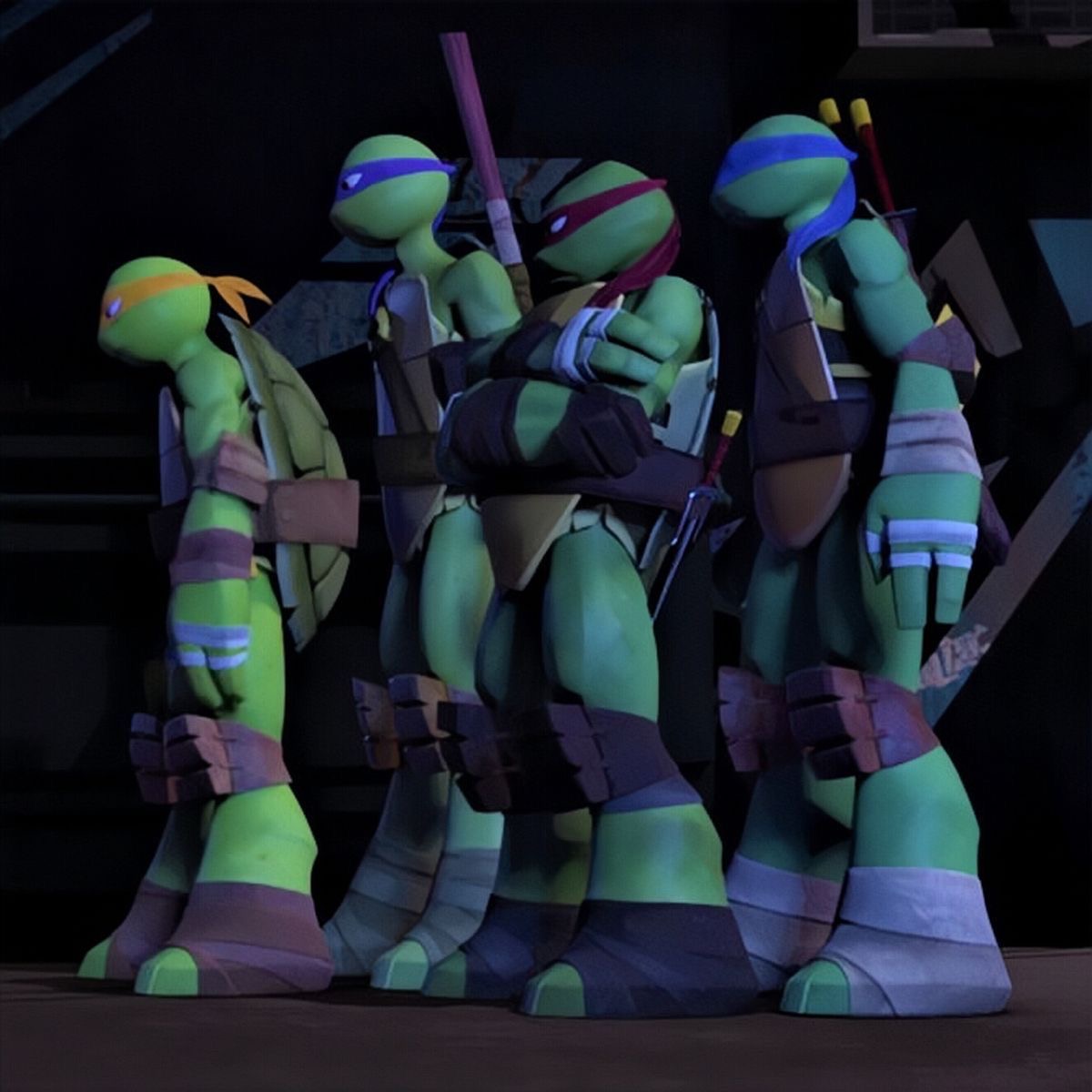
Ninja Turtles” reboot. | Photo from @tmnt on Instagram
Jan. 21 2026 | Jaylin Emond-Hardin | Entertainment Editor
I always say that almost everyone, at some point, watched a cartoon about a color-coded group of kids or teenagers saving the world. Don’t believe me? Well, I could sit here for days and list all the shows that have color-coded groups, but then that would take up my whole article — it’s a lot.
However, I specifically want to talk about three shows that had a certain level of popularity in the 2010s: “Teenage Mutant Ninja Turtles,” “Lego Ninjago: Masters of Spinjitzu” and “Power Rangers.” A wild combination, I know, but bear with me.
So, why these shows? Well, they all have a similar premise — a color-coded group of teenage ninjas have special abilities and are the only ones who can save the world. While “Teenage Mutant Ninja Turtles” and “Power Rangers” are reboots of their respective 1989 and 1993 original series, “Lego Ninjago: Masters of Spinjitzu” was created specifically for the Lego toy line of the same name — a marketing tactic that Lego heavily utilized in the 2010s.
So why the color coding? Well, it’s a visual design element that stems from the original IDW “Teenage Mutant Ninja Turtles” comics. With each turtle looking so similar in design, artists needed a way to differentiate them so fans could tell them apart. Thus, Leonardo was associated with blue, Raphael was associated with red, Donatello was associated with purple and Michelangelo with orange, creating a visual element that other artists began to use.
By the time “Mighty Morphin’ Power Rangers” hit American airwaves in 1993, the show also had different colored characters to show who was who, with one major difference from its predecessor: there were two female characters, and they were pink and yellow. While April O’Neil was associated with the color yellow in “Teenage Mutant Ninja Turtles,” she was a supporting character and didn’t have as much agency as the Yellow Ranger did.
When the reboots hit Nickelodeon in the 2010s, “Lego Ninjago: Masters of Spinjitzu” was hitting Cartoon Network. A major difference between this show and the other two, however, was that each ninja master was color-coded to the element he was a master of.
So what made these three shows stand out among the rest of the 2010 shows? After all, there were other shows with punchier animation and harder-hitting jokes.
My theory is that they were part of what is now called “older brother core” — the aesthetic that most members of Generation Z associate with either an older brother or male cousin. It’s characterized by a laid-back skater style that blends grunge, emo and nu-metal all into one, and is especially associated with the “Call of Duty” video game franchise, Monster Energy drinks and Adult Swim shows. In fact, when I look at a list of media associated with older brother core, “Teenage Mutant Ninja Turtles,” “Power Rangers” and “Lego Ninjago: Masters of Spinjitzu” are on the list.
The 2010s were heavily influenced by this aesthetic — especially when Disney Channel launched Disney XD, which I thought was just Disney for people who skate when I was growing up. The 1980s were similar in this aspect. Skater culture was taking the forefront, and music was beginning to become more experimental — especially with bands like The Ramones and The Descendants making way for the grunge and pop-punk era of the 1990s. The 2010s mirror this as trends recycle and come back into focus. After all, I’ve been seeing a lot of 90s and early 2000s styles come back into popularity.
“Teenage Mutant Ninja Turtles” is available for streaming on Paramount+, “Lego Ninjago: Masters of Spinjitzu” and “Power Rangers” are streaming on Netflix and Amazon Prime respectively and “The Lego Ninjago Movie” is streaming on HBO Max.
Contact the author at howlentertainment@wou.edu