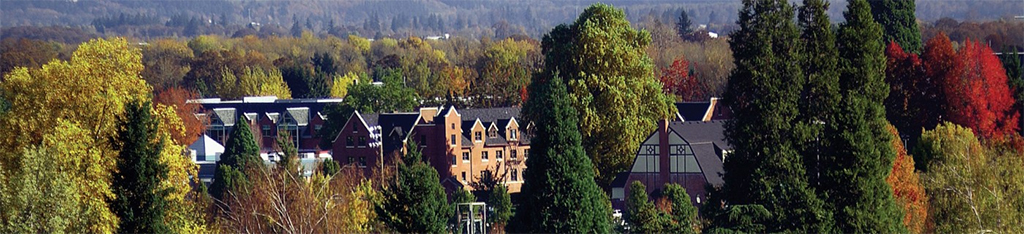
Mount Hood

National championship

Written by: Quincy Bentley | Sports Editor

In a thrilling finale to the 2024 college football season, the Ohio State Buckeyes secured their ninth national championship title by defeating the Notre Dame Fighting Irish 34-23 Jan. 20. This crucial game, played at Mercedes-Benz Stadium in Atlanta, Georgia, marked Ohio State’s first national championship since 2014. What was particularly significant about the contest is that it occurred in the inaugural year of the expanded 12-team College Football Playoff format.
Entering the playoffs as the No. 8 seed with a 13-2 record, Ohio State faced notable opponents, including a clutch 28-14 victory over Texas in the Playoff Semifinal at the Goodyear Cotton Bowl Classic. The Buckeyes’ path to the title was different than most, being the first national champions to have lost two regular-season games, highlighting their ability to triumph over obstacles.
In the championship game, Ohio State controlled the early possessions, scoring touchdowns on each of their first four tries while also adding a field goal on their fifth. Led by quarterback Will Howard and running back Quinshon Judkins, the Buckeyes jumped to a 31-7 lead by the middle of the third quarter. Judkins, a transfer from Mississippi, racked up 100 yards on just 11 carries, scoring three touchdowns, including an insane 70-yard run.
However, Notre Dame refused to back down. Two quick touchdowns and two successful two-point conversions brought the Fighting Irish within eight points late in the fourth quarter. As tension filled the stadium, legendary former Notre Dame coach Lou Holtz was shown on the big screen, giving his team a thumbs-up and sending energy through the crowd. But, ultimately, Notre Dame’s revival fell short when Jeremiah Smith’s highlight catch allowed Ohio State to retake control and crush their opponent’s momentum.
Will Howard, a Kansas State transfer, was a gem for the Buckeyes throughout the playoffs and shined in the championship game. He completed 13 straight passes at the start of the contest, finishing the night with 231 passing yards and two touchdowns. While his final stats were impressive, it was his calm demeanor and ability to deliver under pressure that will be remembered. Jeremiah Smith, the team’s standout receiver, also came through when it mattered most, turning a relatively quiet night into one for the ages with a pivotal catch.
The addition of Quinshon Judkins via the transfer portal also highlighted Ohio State’s strategic roster building. His physical play style, combined with his playmaking ability, gave the Buckeyes a big advantage that opposing defenses struggled to contain throughout the playoffs.
Although they had multiple clutch plays, Ohio State’s dominance extended far beyond that. The Buckeyes were able to outgain Notre Dame 445 yards to 308 and punted just once all evening. Howard’s efficiency and the offensive line’s control over the game were critical factors in the Buckeyes’ success.
Postgame, Notre Dame’s head coach Marcus Freeman faced some tough questions, including one about the decision to attempt a fake punt that failed and a missed field goal attempt off the left upright. There were great plays made on both ends of the field, and though the Irish gave a valiant effort, especially in the fourth quarter, they simply just couldn’t match Ohio State’s execution.
Although they came up short in the National Championship, Notre Dame has plenty to be proud of. Finishing the season with an impressive 14-2 record, the Fighting Irish defeated multiple top-tier teams on their journey to the title game. Reaching this stage is a dream for most players, and for Notre Dame, it’s a testament to their grit and determination. With their eyes set on the future, the Fighting Irish can take pride in this remarkable season while also aiming to change the outcome the next time they have the opportunity to do so.

Contact the author at howlsports@wou.edu

Keep standing up

Written by: Sadie Latimer | News Editor

Content warning: this article discusses stalking, sexual assault and violence

Anna Nasset, author of her memoir “Now I Speak: From Stalked to Standing Up,” is an activist, advocate and survivor of stalking. After publishing in 2023, she was personally invited by Western for a book club discussion, keynote speech, book signing and a storytelling workshop for survivors. The event was hosted by Abby’s House, Western’s resource for equity and gender justice.

According to SPARC —  the Stalking Prevention, Awareness and Resource Center — one-third of women and one-sixth of men in the US have been impacted by stalking. SPARC is a resource that guarantees advocates, educators, prosecutors and other professionals have what they need to assist victims of stalking. 

SPARC defines stalking as “a pattern of behavior directed at a specific person that would cause a reasonable person to fear for the person’s safety or the safety of others; or suffer substantial emotional distress.”

January has been recognized as National Stalking Awareness Month for the last 21 years. It originated in January of 2003, when Peggy Klinke was murdered by her former partner turned stalker. Klinke’s sister, Debbie Riddle, took action after the tragedy.

“Debbie … decided that with her grief, she was going to do something about it,” Nasset said during her keynote speech. “Never question the power of us when we get p—-d off because Debbie, within a year (of Klinke’s death), was at the US Capitol having National Stalking Awareness Month signed into law.” 

During Nasset’s keynote speech, she delved into her history of being a survivor of sexual and gender-based violence. Then, she told the story that led her to eventually become an advocate for victims of stalking. 

In her late 20s, after going to school for art, Nasset got an opportunity to own an art gallery in Port Townsend, Washington. 

“I hosted galleries the first Saturday of every month along with the rest of the town. I was involved in my community. I was well known as a young female business owner. It was a good point in my life,” said Nasset.

Nasset was unaware at the time, but a man who she did not know had been watching her for quite some time. His stalking and obsessive behaviors only intensified. He was even sent to jail for 364 days for misdemeanor stalking — however, that did not stop him from continuing to stalk Nasset after his release.

After several years, a prosecutor was able to build another case against Nasset’s stalker, except this time it was for aggravated felony stalking.

“He was sentenced to ten years, which at the time was the longest (stalking) sentence in our country’s history,” Nasset said, “and that really, for me, was a huge call to action to say, ‘I don’t want to be the exception… This needs to start to be the standard.’”

In recent years, Nasset has worked with agencies at the state and federal level to help victims of stalking and gender-based violence. She is a member of the Association of Threat Assessment Professionals, serves on multiple advisory councils, is a board member of End Violence Against Women International and is the Vice President of the Mad River Valley Chamber of Commerce. She also hosts a podcast called “The Mend.” 

“​​(Identifying) stalking is really challenging because so often it’s looking at things that are not criminalized and understanding that it’s a criminal behavior,” Nasset said.

There are many signs a person is being stalked, including hypervigilance, a lack of involvement, depression, skipping events, being distracted easily and being afraid to leave their home. 

“Not everyone who’s experiencing or showing these things is necessarily a victim of stalking or other forms of gender-based violence, but they might be,” Nasset said. According to Nasset, it’s important to reach out to loved ones who are showing these warning signs and, most importantly, believe victims and survivors when they open up about their experience. 

“So often we are told to be silent about these things. And when we are silenced by them, we carry that blame with us,” Nasset said. “Victims and survivors stay silent, because (if we report), we’re going to be put back through that, we’re going to be questioned, we’re going to be disbelieved… And so, so often it feels like, ‘why even stand up and say anything?’”

Nasset knows that even one survivor standing up, sharing their story and trying to get justice can not only help them, but help other victims as well. 

“If we can respond to stalking, we could potentially save a life,” Nasset said after sharing a statistic about the strong correlation between stalking and sexual violence. “And I’ll be honest with you, I’m one that was saved, because I shouldn’t be here. And so that’s why I take this so seriously, is to say, ‘if you pay attention to us, we can save lives.’”

According to SPARC, one out of ten undergraduate women and one out of 33 undergraduate men are stalked on college campuses. Abby’s House is Western’s resource for victims of stalking, providing confidential advocates and assistance finding and navigating other resources. They are located in room 106 of the Werner University Center and can be reached by email at abbyshouse@wou.edu

When signing books after her keynote speech, Nasset wrote the phrase that should be the main takeaway from her work: “Keep standing up.”

Contact the author at howlnews@mail.wou.edu

History of Monmouth

Written by: Hannah Field | Editor-in-Chief

Between the years of 1850 and 1853, three wagon trains delivered a cluster of pioneer families to the Willamette Valley from Monmouth, Illinois. The families, notably the Butlers, Davidsons, Whitmans, Murphys and Lucases, desired the same thing: to form a community “where men and women alike may be schooled in the science of learning and the principles of religion” — as described by a history brochure published by the City of Monmouth. From there, Monmouth was born.

Western was founded in 1856 after donations of land and funding from the settlers. More families gathered in the town, with most, if not all, also rooted in Christian faith.

The Kalapuya people are the original owners of the land, the tribe spanning across the Willamette Valley. Monmouth is located within the traditional homeland of the Luckiamute Band of the Kalapuya. In 1855, the Kalapuya people were forcibly relocated to reservations further west. According to the City of Monmouth, some descendants remain in the area; others align with the Confederated Tribes of Grand Ronde and the Confederated Tribes of the Siletz Indians.

No original structures from Monmouth’s founding remain, but the oldest building currently standing is the Craven House, found on east Main Street and dating back to 1869. The Craven House is on the National Register of Historic Places. Campbell Hall is close behind, dating back to 1871 and found on Western’s campus — an example of a Gothic Revival style building.

Other houses in historic Monmouth date from between 1865 and 1975. The architecture, sometimes described as “eclectic,” boasts a variety of styles — some Ranch, Italianate, Craftsman Bungalow, Cottage, Moderne, Colonial … the list goes on.

Large fires in the late 1800s and early 1900s destroyed countless commercial properties of Monmouth origin, but other old establishments remain, such as the Polk County Bank, built in 1889 with a Queen Anne style build.

Railroads were established between 1881 and 1937, connecting Monmouth to the outside world. The railroads were built by Mexican and Chinese migrant workers. In 1924, Highway 99 West was constructed, and was eventually the first paved highway built by the State of Oregon Highway Commission.

Monmouth has a total area of 2.24 square miles, with 9,534 people recorded in the 2010 census. More than 80% of the town’s population was recorded as white. Ten years prior, in the 2000 census, the population was listed at 7,741 people — a jump of nearly 2,000.

Monmouth, until 2002, was  a “dry town” — meaning the sale of alcoholic beverages in restaurants, bars and markets in the town was illegal. It was the last dry town in Oregon until the popular vote reinstated liquor sales in the aforementioned locations.

Prohibition began in Monmouth in 1859, advocated for especially by one founder, Elijah Davidson, who was a devout Christian and strongly in favor of banning alcohol. Over time, as other towns began to drop their laws of prohibition, Monmouth clung to theirs; many not wanting to let go of the unique, classic trait of the historic town.

Two attempts — in 1954 and 1959 — to repeal the town’s dry status both failed.

Support eventually dwindled and many argued that Monmouth’s dry town status hindered its economic success. Merchants desired to sell, while property values lowered — joining Monmouth with the rest of the West coast towns after 143 years of town-wide sobriety.

Beer and wine were allowed after 2002, with hard liquor not being sold until 2011.

Despite its prior illegality, the Mulkey Building — formerly a grocery store — harbored a pool hall in its upper level and took full advantage of procedural mistakes in 1939, serving alcohol for half the year. Anyone who bought a beer at Mulkey Building could drink it, but only outside the doorway and in the hall.

The City of Monmouth also claims to have “resident peacocks” roaming the area around Gentle Woods Park. 

Contact the author at howleditorinchief@mail.wou.edu

Building healthy food habits

Written by: Isabelle Jones | Lifestyle Editor

Healthy food habits are essential for a student’s success both in and out of the classroom. For many people, college is their first time away from home. Constant new experiences, late-night study sessions and other exciting events can lead to many overlooking the importance of building healthy food habits. With that, we need to nurture a healthy relationship surrounding food as early as possible. No matter what a person’s weekly schedule looks like, they can always make time for food. 

For many students, a busy schedule seems to take over daily life at the start of every term. Whether it’s classes, sports or music practice, extracurricular activities, work, internships or something else, meals often get shifted to fit our busy days, but sometimes when it feels like food can’t be fit in, mealtime tends to be skipped — a dangerous habit to develop. It can be tempting to skip meals, especially when one is running out the door, but it leads to low energy levels throughout the day. It also affects one’s ability to concentrate. This results in overeating later in the day, causing one’s blood sugar to crash afterward. Breakfast is, unfortunately, the most skipped meal of the day. Skipping meals can easily be combated by trying fast, easy and nutritious meals. This could be Greek yogurt and granola, oatmeal with fruit or even a frozen breakfast sandwich popped in the microwave. Breakfast helps with feeling more energized throughout the day and keeps one feeling full.

Since we’re constantly on the go, time restraints can lead people to rely on drinks to keep energy up. Soda, energy drinks and sweetened coffee beverages are loaded with empty calories that cause massive spikes in blood sugar and leave one feeling empty. Any person with a busy schedule understands the reliance on caffeine. Too much caffeine leads to jitteriness, poor sleep and huge energy crashes, which are all detrimental to a progressing student. 

Sugary drinks can contribute to weight gain, poor dental health and feeling sluggish. This doesn’t mean that one cannot ever have a sugary drink, but they should be an occasional treat. 

All should include more water in their diet. It’s crucial for maintaining energy and focus. In general, it’s great for overall well-being. For some — myself included at times — drinking water is boring and seems like a hassle. Try infusing the water with fruits like lemons or even cucumbers for a refreshing twist. 

Stress from exams and the general hustle and bustle of health can build up and become overwhelming. Some can experience emotional eating. This happens when the desire to eat is influenced by our emotions instead of pure hunger. Many seek out comfort foods like ice cream, chips or sweets. In the moment a person can feel good, but feelings of guilt may arise in the aftermath. Emotional eating tends to happen late at night. This can be common during study sessions. Generally, eating before going to bed disrupts sleeping patterns. The best way to fix emotional eating and late-night snacking is through therapy since the root of the stress comes from other areas in one’s life. 

When walking into the campus dining hall, one can see that most gravitate towards pastas, pizzas and fried food, but some forget to include enough vegetables. The salad bar is a customizable way for students to enjoy vegetables in a way that suits their preferences. Each vegetable is full of essential vitamins, minerals and fiber that support digestion and immunity. 

Technology has revolutionized the way food can be ordered. All it takes is a few taps on a phone and food is delivered right to the door. This isn’t the healthiest option to be pursued and isn’t a budget-friendly option for many college students. Many delivery food options are high in sodium, unhealthy fats and empty calories. Relying too heavily on these processed foods can lead to weight gain, poor digestion and energy crashes. Once this has become a regular habit, it can interfere with one’s ability to learn how to cook healthier meals. 

We see new fads and diets that claim to be “new and improved” methods of promoting physical health, but without the proper knowledge of what a person’s body is deficient in, many diets can be extremely harmful. This can be especially true when a person is constantly jumping from one diet to the next when they don’t immediately see results. Diets like keto, juice cleanses, the master cleanse — also called the lemon detox diet — and the “no carb” diet are examples of “fad diets” that often cause more harm than good. While these are just a few, the list goes on. It is essential to focus on a balanced, nutrient-dense diet instead of following fleeting trends. 

As students become more independent, it can be chaotic trying to adjust to a new chapter in life. Eating habits are typically the first to fall through the cracks and tend to go unnoticed until the effects are visible. There are changes that can be made in order to shift a poor or unhealthy relationship with food. 

The first is to prepare. Food prep is an easy way to plan out our meals and snacks. It’s possible to create single portions and teach ourselves how to cook. All it takes is a couple of hours and, in the end, it is one less thing we have to worry about during our busy week. 

The second is to listen to our bodies. Our bodies naturally give cues to signal when we are hungry. When we are eating, we should take the time to savor the flavors and not push ourselves to clear off our plates. 

When it comes to food, moderation is key. Instead of stressing over every meal, we should focus on making general healthy choices that will leave us feeling nourished and energized. 

BUDGET-FRIENDLY HEALTHY MEAL

Start to finish: 10 minutes

Ingredients

1 cups Rolled oats

1 cup Peanut butter or almond butter

1 Banana

¼ cup Honey or maple syrup (optional)

⅓ cup Milk (or water)

Instructions

Cook the oats according to the package instructions, using either milk or water.

Once the oats are cooked, stir in a spoonful of peanut butter for healthy fats and creaminess.

Slice the banana on top of the oatmeal.

Drizzle with honey or maple syrup for added sweetness (optional).

Recipe from Lee Funke at Fit Foodie Finds

Contact the author at howllifestyle@wou.edu

This week in entirely made up horoscopes….

The Signs as Crayola Colors:

Aries: Literally all of them

Taurus: Forest green

Gemini: sassy salmon

Cancer: brick red 

Leo: Dandelion yellow

Virgo: useless white

Libra: Purple Mountains’ Majesty

Scorpio: Screamin’ green

Sagittarius: Razzmatazz

Capricorn: Tickle me pink

Aquarius: Wild blue yonder

Pisces: laser lemon

Translated media wave

Written by: Jaylin Emond-Hardin | Entertainment Editor

“The amount of time you spent together probably matters, but less time doesn’t mean less love. Whether it’s a day or year, human or cat, and even if we may never see them again, there are those who are irreplaceable in our lives.”

All it took was for me to see one quote from Syou Ishida’s book, “We’ll Prescribe You a Cat,” on Instagram — and I was hooked. 

The novel, translated from Japanese by E. Madison Shimoda, explores the concept of prescribing a cat as medication for those who find the mysterious Nakagyō Kokoro Clinic for the Soul. Often puzzled by this strange prescription, patients “take” their cat for the prescribed amount of time and find monumental changes in their lives. 

After falling in love with “We’ll Prescribe You a Cat,” I quickly searched for more translated works by Japanese authors, and found “Days at the Morisaki Bookshop” by Satoshi Yagisawa and “Before the Coffee Gets Cold” by Toshikazu Kawaguchi at The Book Bin in Salem. With similar life-changing premises as “We’ll Prescribe You a Cat,” it made me wonder why these novels were becoming so popular in the US. After all, until recently, I had never seen any books translated into English from another language in stores unless they were manga. 

“In Japanese fiction, readers are finding comforting stories about ordinary lives transformed by small adjustments of attitude, suggesting positive change is something we can all reach if we are open to it,” said Jane Lawson, deputy publisher at Doubleday Publishing, suggesting that readers are finding what may not be in English literature in its Japanese counterpart.

This then led me to Korean Dramas, or K-Dramas, subbed and dubbed anime, movies and shows. Slice-of-life plots and heroes with super abilities were the majority of what I found, but they all had one similar theme: a life-changing experience for the better. 

The popularity of Japanese literature, K-dramas and other media from these regions is part of the “Hallyu,” or Korean Wave, that started in the 1990s and gained momentum in the 2000s. Who could forget Psy’s hit song “Gangnam Style,” which rocked 2012?

As these books continue to hit shelves and gain popularity, I would recommend them wholeheartedly. It wasn’t until I read “We’ll Prescribe You a Cat” that I realized how close to home Ishida’s words had hit and how my own cat has helped me immensely in the last few months, even as he bites my hands while I type this. 

Contact the author at howlentertainment@wou.edu

Fantasy heroine training

Written by: Jaylin Emond-Hardin | Entertainment Editor

“Trouble” — Valeroie Broussard

“To Ashes and Blood” — Woodkid

“Le Monde” — Richard Carter

“Little Girl Gone” — CHINCHILLA

“Mermaids” — Florence + the Machine

“LABOUR (the cacophony)” — Paris Paloma

“Me and the Devil” — Soap&Skin

“It Will Come Back” — Hozier

“Power” — Kayne West

“Black Sheep” — Metric feat. Brie Larson

“the fruits” — Paris Paloma

“Venom” — Eminem

“ZITTI E BUONI” — Måneskin

“SHUM” — Go_A

“Supermassive Black Hole” — Muse

“Control” — Halsey

“bury a friend” — Billie Eilish

“Blood // Water” — grandson

“Play with Fire” — Sam Tinnesz feat. Yacht Money

“All for Us” — Labrinth & Zendaya

Contact the author at howlentertainment@wou.edu

Western vs Fraser

Written by: Quincy Bentley | Sports Editor

Western’s men’s basketball team secured their first conference victory Jan. 16, snapping their losing-streak. The Wolves, who faced a challenging start to the season, put up a strong performance in their win against Simon Fraser University. 

California native Jahville Collins, a fifth-year for the “Wolves,” dominated throughout the whole game, scoring a career high of 34 points on an efficient 57% from the field. Even with Collins’ performance, the Red Leafs led by as many as 7 points in the first half. Despite the slight point differential, Simon Fraser wasn’t able to pull away, allowing time for Western to get together and overcome their deficit. The “Wolves” were able to do exactly that, fighting back and narrowing the score, and by halftime, the “Wolves” held a 37-36 lead. Coming into the second half, the Red Leafs went on a tear. Simon Fraser, which is 1-6 in conference play, gave themselves a comfortable 9 point lead with about 10 minutes of play left. The “Wolves” were in need of a leader, but they responded with a 16-2 run. Collins continued to score the basketball, but Simon Fraser refused to give up. Luke Howard, a forward for the Red Leafs, was a force in the paint, scoring an impressive 25 points during the game. Howard was getting to his spots the whole second half, and Western didn’t seem to have an answer for him. Luckily, “Wolves first-year Mario Williams stepped up when his team needed him the most, scoring three after three to keep them in the contest. As both teams continued to battle, it was evident that the game was going to be decided at the last second. With only 5 seconds remaining in the match, the score was 77-76 in Western’s favor. With the game on the line, Fraser was forced to foul Western guard Jason Gallant, who went on to shoot free throws. Gallant, who is Western’s leading scorer and a 78% free throw shooter on the season, sank the first free throw, putting his team up 78-76. As he shot his second free throw, it hit the front iron and missed, giving the Red Leafs possession with 5.8 seconds remaining. Both teams scrambled to get to their spots as the time wound down, as Simon Fraser had no timeouts to call. The Red Leafs rushed towards their basket, but there simply wasn’t enough time to get off a quality shot, forcing them to throw up a halfcourt heave, missing the rim completely, leaving the score 78-76 with 0 seconds on the clock. Western proudly took home this conference win, and they look forward to taking even more as the season progresses.

Contact the author at howlsports@wou.edu

UCLA struggles

Written by: Quincy Bentley | Sports Editor

Mick Cronin, the head coach of the UCLA Bruins men’s basketball team, has recently found himself in an unwelcome spotlight. Despite a strong 10-2 non-conference record, the Bruins have crumbled in Big Ten play, posting a disappointing 3-4 record so far. This slump has visibly weighed on Cronin, who has not held back in publicly expressing his frustration with his team’s performance.
Following a 94-75 loss to Michigan, Cronin’s emotions boiled over during a tense post-game press conference. “We’re soft … we’re too soft to play hard enough,” he stated bluntly, before going a step further by calling out individual players by name. Forward Tyler Bilodeau, along with guards Dylan Andrews, Sebastian Mack and Kobe Johnson, were all singled out in his remarks. Cronin didn’t stop there, however, as he shifted his criticism toward his coaching staff as well.
“I come in, and I have more passion, energy and pride than anybody in there,” Cronin declared. “Right now, I’m frustrated with my players and my staff. The toughest guy in the room can’t be me every day. I’m upset with everybody in that locker room — my assistant coaches and my players.”
He even went on to highlight his own career accomplishments, adding, “I don’t need to do anything else. I’ve got almost 500 wins, and I’m only 53 … it’s a joke.”
These remarks quickly sparked national attention across the sports world, drawing criticism and sparking a debate about Cronin’s leadership approach. Basketball analyst Jay Bilas voiced his opinion during a live broadcast, stating, “Coaches like to talk about accountability a lot, but I don’t think that’s what accountability really looks like. That, to me, looks simply like blame. I heard a lot of ‘I’ — ‘I’m doing this, I’m doing that — and nobody else is doing it.’”
Cronin’s unusual meltdown has obviously ignited controversy, as it’s rare for a head coach to publicly shift the blame away from themselves while their team is clearly struggling. Since the polarizing press conference, the Bruins have continued to fall, losing two of their last three conference games, putting their season further in jeopardy.

As the Bruins fight to turn their season around, all eyes will remain on Cronin to see whether his unfiltered approach can spark a much-needed comeback, or if it will continue to disrupt the dynamics within his team.

Contact the author at howlsports@wou.edu

Meet Western softball

Written by: Quincy Bentley | Sports Editor

As the Western softball team gears up for their spring season, there’s a sense of energy and excitement in the air. The “Wolves,” backed by a wave of fresh talent and determination, are ready to make this season unforgettable. With insight from players and coaches, here’s why fans should be ready to rally behind this exceptional group.
Jessica Morgan, a senior pitcher from Lewistown, Montana, is entering her final season with the team. Morgan has been laser-focused during the offseason, stating, “Last year, I was really working hard on my drop ball. This offseason, I’ve worked on perfecting it along with my curveball.” Morgan isn’t just looking to elevate her own performance, though. When asked about any personal goals she has set this season, Morgan said, “No matter what happens, I want to be a good role model.” Her dedication to both the game as well as her teammates is a true example of leadership.
Victoria Zimmerman, a junior from Ellensburg, Washington, has been refining her mental game during the offseason. “After last season, I found myself overthinking a lot,” she said. “This offseason, I’ve worked on staying mentally strong, and I’ve put a lot of effort into improving offensively — I’m really excited to bring my full swing into play this year.” Her experience and hunger to improve are clear indicators that she’s ready to take her performance to the next level.
Despite being a young team, what makes Western softball so special is its tight-knit group of players who share chemistry both on and off the field. First-year and California native Lauren Maure shared, “It’s been family-oriented since the beginning. The team atmosphere is very inclusive, and everyone’s worked hard to build relationships.”
Junior Sydney Conklin, a native of Corvallis, Oregon, echoes these statements, saying, “This is by far the most tight-knit team I’ve been a part of. Everyone is super cool and eager to build something special together.”
With many new players in the mix, building team culture has been a priority. Sophomore Brooklyn Schneidt, from Meridian, Idaho, embraced this opportunity. “Almost the whole team is new, so we got to create our own culture. We’re very equal as a team, and we always make sure everyone is involved,” she said.
Head Coach Aly Boytz, a proud Western alumni, leads this young team with passion and purpose. “As a former player, I know what these players are going through,” she said. “We talk a lot about life outside of softball. My philosophy is about creating an environment where we learn and grow from every game.”

Coach Boytz believes this year’s team stands out because of their sheer determination. “We have the will to win. Everyone on this team is gritty, scrappy and genuinely likes each other. It’s rare to see a group come together so quickly. That chemistry will serve us well this season.”
Fans have every reason to believe this will be a standout season for the “Wolves.” Whether it’s the relentless work ethic of Jessica Morgan, the growing confidence of Victoria Zimmerman or the dynamic chemistry of the entire roster, this team is ready to leave it all on the field.
As junior Sydney Conklin noted, one player to watch is Maddie Doyge: “She’s hungry to come back and has been absolutely dialed in.” Other players pointed to Conklin as a potential breakout star, given the incredible effort she’s put in to overcome a gruesome elbow injury.
This season wouldn’t be complete without the “Wolves’” cherished traditions. From their pre-season retreat on the coast to their annual tournament in California, these rituals strengthen the bond between coaches and players. Sophomore Brooklyn Schneidt recalls playing icebreaker games on the beach, while Conklin looks forward to the team’s pregame hype song: “Love” by Keyshia Cole.
With all the talent, grit and unity this team has to offer, the 2025 Western softball season promises to be one to remember. Mark the calendars, bring some peers and get ready to check out the team that’s not just playing softball, but creating a legacy —Let’s go “Wolves.”

Contact the author at howlsports@wou.edu

Winter term clubs

Written by: Isabelle Jones | Lifestyle Editor

Looking for ways to get involved outside of classes? Western provides a plethora of clubs that can entice any type of student. Whether it’s furthering knowledge within a degree, getting to know other people in the community or creating change, Western has so much to offer — come out and join a club.

WOU ASL Club (Instagram @wouasl)

An organization for the Deaf, Deaf+, Hard of Hearing and Hearing students at Western.

Aspiring Teachers Association (Instagram @wou.ata)

Supporting future educators from step one.

Associated Students of Western Oregon University (Instagram @aswou)

Advocators for students’ rights to the Western administration as well as the state of Oregon and the nation.

Board Game Club (Instagram @wou.board.game.club)

Bring games and find new friends.

Business And Economics Club (Instagram @woubeclub)

A space for students to have discussions, speakers, workshops and networking opportunities for the business and economics fields. 

Creative Writers’ Guild (Presence https://wou.presence.io/organization/creative-writers-guild)

A place where all creative writers of any writing medium are welcome to write and share their work with the guild. 

Criminal Justice Club (Instagram @wou.cjclub)

This organization discusses the justice system events and issues.

CRU (Instagram @cruatwou)

“We’re real people dealing with the real problems of living out a real faith in the real world.”

Exercise Science Club

Exercise science students get to connect with different community members in order to provide members with unique opportunities, networking, recreational activities and insight into potential future professions. 

Meetings on the third Tuesday of every month in the Richard Woodcock Education Center, room 208.

Fiber Arts Club (Instagram @wou.fiberartsclub)

This is a club open to anyone, be it someone who has been crocheting or knitting for years or a complete beginner interested in learning a new craft. 

Filipino American Association at Western Oregon University (Instagram @faa.wou)

Encouraging and promoting the culture of the Philippines among Filipinos and other students who want to learn about the customs and culture of the country.

Gerontological Society of America Student Chapter (https://www.geron.org/)

This campus chapter focuses on sharing gerontological knowledge, expertise and interest. A welcoming space for all students interested in gerontology to participate in social events, networking and service learning. 

Kappa Delta Chi Sorority Inc. (Instagram @kdchibetadelta)

A sisterhood based on serving the community, upholding the values of unity, honesty, integrity and leadership, while also prioritizing academics, service and sisterhood.

KWOU Radio (Instagram @kwoustudios)

Student-run online radio station who are blasting away tunes, growing a music library and adding to the broadcast equipment supply.

Math Club (Instagram @woumathclub)

Open to anyone; come participate in Estimathon and Pi Day.

MECHA (Instagram @mechadewou)

A group focusing on community, support, activism and advocacy.

Model United Nations (Instagram @wou_mun)

An organization participating in a simulation of the United Nations where students act as delegates and work together to solve global issues.

Monmouth Student Nurses Association (Instagram @monmouthstudentnurses)

Students practicing diversity and inclusion through community outreach projects and volunteerism. 

Native/Indigenous Culture Club (Instagram @wounativeclub)

Advocating for connections and friendships among the students at WOU who identify under the umbrella term of Native/Indigenous and corresponding supporters within a purely respectful space.

Natural Science Club (Instagram @wou_natural_science_club)

Providing hands-on, real-world activities beyond the lecture and lab, offering social and academic networks for students. 

Omega Delta Phi Fraternity Inc. (Instagram @wou_knights)

A brotherhood dedicated to the needs and concerns of the community, which promotes the traditional values of unity, honesty, integrity and leadership. 

Pre-Med Club (Instagram @woupremedclub)

Striving to be a safe space for any interested in pre-health and provide valuable connections and resources.

Pre-Nursing Club

A resource for students interested in the nursing field through virtual and in-person events. 

Public Health Club (Instagram @wou.publichealthclub)

Provides a place for students interested in community health education and public health. Opportunities in networking, leadership, service learning and pre-professional training are available. Meetings are held Mondays bi-weekly from 12 – 1 p.m.

Resonate Church (Instagram @resonatemonmouth)

Come make lasting friendships and discover the purpose that one was made for. 

Spanish Club (Instagram @wou_spanishclub)

A vibrant community where those come together to explore the language and Hispanic culture through a multitude of activities in a diverse, respectful and inclusive environment.

The Northwest Passage (Instagram @wounp)

The Passage has been in publication in one form or another for 80 years, supporting the creative arts every step of the way. 

Unidos Club (Instagram @unidoswou)

Building community and creating a safe and supportive environment to help empower students to bravely fight social justice issues.

Western Oregon Swing Dance Club (Instagram @wouswingdance)

Concentrating on West Coast Swing and Single-Time Swing. No experience required.

Western Oregon University Fellowship (Instagram @wou_fellowship)

Creating diverse communities where students are safe to seek answers to spiritual and faith-based questions or concerns in life.

WOU Digital Games Club

Created for the purpose of maintaining a safe space for Western students to enjoy video games, and to foster such a community at Western. Meetings are 4 – 7 p.m. on Thursdays in the ITC, room 303.

WOU Student Veterans of America (Instagram @wousva)

Dedicated to fostering a sense of belonging, camaraderie and empowerment among student veterans, active-duty service members and their families within our university community.

Thespians Club (Insta @wouthespiansclub)

The Thespians Club here at Western provides, supports and advocates for educational, social and performance opportunities.

If interested in finding out more about Western affiliated clubs, check out their Involve pages at https://wou.presence.io/

Contact the author at howllifestyle@wou.edu

TRIO

Written by: Hannah Field | Editor-in-Chief

The new Student Success Center, upon entry, showcases a large, well-lit lobby, with new floors to boot and even a fireplace accompanied by comfortable seating. Looking ahead, a soft purple doorway boasts a front desk with a friendly face. Around the corner, the room opens up into an illuminated lobby for TRIO — a program that only grows the longer it exists at Western.

TRIO, sometimes referred to as SEP — Student Enrichment Program — is a nationwide program. According to oregontrio.com, the Oregon TRIO Association, otherwise known as OTA, was founded in the year 2000. Three primary initiatives would sprout: an annual professional development conference for TRIO professionals, an annual student leadership conference and a framework for Oregon to send advocates per year to Washington D.C. to pledge for funding for TRIO and spread its programs across the country.

In July of 2021, OTA received a $1 million grant from the state of Oregon to support marginalized students receiving higher education, also assisting with a full-time executive director position within OTA. Their mission: “Growing and supporting Oregon TRIO programs, staff and students … ​TRIO programs assist students with career exploration, college admissions, college preparation, financial aid, scholarships and college retention and graduation.”

Historically, the term TRIO was coined to honor the three main programs: Upward Bound, Talent Search Program and Student Support Services. “By 1998, the TRIO programs had become a vital pipeline to opportunity, serving traditional students, displaced workers and veterans,” said the TRIO history place. Eventually, the three programs would triple — becoming nine different educational assistance programs. Today, OTA serves more than 11,000 students.

At Western, TRIO boasts a well-equipped and established team to support students in many ways: director, Christopher Solario; assistant director, Adrian Trujillo; educational advisor, Alicia Monrroy; educational advisor, Andres Hernandez-Galvan; first generation coordinator and educational advisor, Dana Nunez-Silva; educational advisor, Hayden Campos; educational advisor, Logan Bransfield; educational advisor, Brianna Jones; and Sharon Price, TRIO student enrichment program office coordinator.

Director Christopher Solario has been involved with TRIO since 2000, but has been a leader in the program since 2012. The program itself has been at Western for more than 35 years. “I loved it as a student and I really enjoy it as the director,” said Solario.

Solario oversees TRIO and SEP. Occasionally, he works with students, regarding them as his favorite part of the job. “Seeing (first-year students) as kind of wide-eyed, kind of nervous, not knowing where they’re at — and then four to five years later, seeing them walk across the stage, graduating. It’s exciting to see their growth … just seeing how much they’ve grown as a person, as a human and as a citizen. It’s wonderful.”

Educational advisors assist students in the TRIO and SEP program by helping them with virtually whatever they might need — class registration, reaching out to professors, finding resources or even just needing someone to talk to. These sessions act as one-on-one advising.

According to the SEP page on Western’s website, services include academic advising, partnering with Destination Western, communicating with other departments on campus, support advising, individualized instruction, student-focused seminars, admission to cultural-enrichment activities, access to textbooks, MacBooks and other resources and organized social programs to invoke a sense of community and unite students.

“Even if we don’t know the right answer right away, we will work to get you the answer. We will connect you to the right resources,” said Dana Nunez-Silva, who began with SEP three years ago. “If you don’t even know where to start, your TRIO advisor is a great place to start.”

The main feature that students are aware of is the educational advisors. Each student admitted into the TRIO program at Western receives an educational advisor, with full-time advisors having a caseload of approximately 70 students.

“It’s really great that you (can) have this rapport with a staff on campus that you hopefully feel comfortable to talk to or ask questions,” said Nunez-Silva. “A social support that hopefully empowers you to take initiative of your academic journey, because I think coming in, especially as a first-gen student, it’s scary.”

“Our advisors care about our students,” said assistant director, Adrian Trujillo. “We try to do our best to make sure that when they leave the office, they’re in a better space than they originally came into, or at least have a better understanding of their path towards their graduation. That’s the end game for a lot of students, making sure they reach graduation.”

Most of TRIO is comprised of first-generation students, with the bundle of offices, workspaces and seating generally titled the “First-Gen Center.” Here, members of TRIO are invited to study, collaborate and enjoy a space catered to their needs, although anyone is welcome and does not need to be a part of the program in order to occupy the area.

Outside the wall of windows in the main area, a small body of water, titled the “retention pond” sits; nearby, the lending library offers donated textbooks to be borrowed. Even a care cupboard, courtesy of Abby’s House, is available to provide snacks and other possible necessities.

“We really wanted to have a space for our students who identify as first generation to come in and hang out,” said Trujillo. 

With all new amenities, the Student Success Center is an adequate community resource for the growing program — lending itself to nearly 400 students across campus.

“I think that we’re all just very thankful to be in this new space. And we’re all very excited to see how this community is going to flourish in this new space, because it’s a beautiful, beautiful building,” said Nunez-Silva. “We’re very lucky to be here.”

TRIO was founded on the concept of accessibility, community and advocating for students who may need it. In light of that, educational advisors pledge to consider their advisees and support them with their needs.

With that goal in mind, the program at Western has established free first-year seminars for students in SEP.

“The overall theme for (the classes) is helping students who are within our program have a better understanding of how to navigate higher education, give them the tools and skills that they need,” said Trujillo, occasional teacher of said classes. The lessons are meant to shine a light on things students may not be aware of, such as credit scores or navigating their identity as being first generation, low-income or having a disability.

In Solario’s words, first-year seminars are to prepare students for college as a whole — “What does it take to be a college student? What’s the difference? What’s the expectations from a professor? How do you approach classes? How do you study? How do you balance your time?”

Time management is something TRIO places a lot of emphasis on, not only covering it in class but also through “TRIO talks” — workshops — that take place throughout the term. Occasionally, prizes or gifts are offered with workshop attendance, but the goal is to walk away more informed than before. The schedule for events is found on SEP’s social media, SEP student weekly emails and can easily be found in the First-Generation Center.

Some of these workshops focus on financial literacy or FAFSA completion, with financial aid being a large problem for many TRIO students.

TRIO Teacher Prep Student Support Services is also an opportunity for education majors at Western to receive support and resources. Eligibility depends on being first generation and meeting financial requirements. Through this, students may receive academic advising, mentoring and tutoring, teacher licensure exam workshops, financial literacy development, FAFSA and scholarship help, student success seminars and workshops and career development services. The program is overseen by Director Sheree Solario and encompasses a small staff, including a bilingual Spanish-English educational advisor, to better provide for student teachers.

Nearly half of Western’s student population is first generation, plenty of whom are not involved with TRIO despite their eligibility.

Misconceptions about TRIO include the concept of being first generation. “Neither parent graduated with a bachelor’s degree. They can have parents that attended school, but as long as they didn’t graduate with a bachelor’s degree, you’re still considered first gen,” said Trujillo. “I like to say, you can have an aunt, an uncle or a dog that gets a bachelor’s degree — that still makes you a first-generation student.”

Secondly, TRIO is not a remedial program. “I would say that the biggest thing I would want people to know is that this is a program that actually works when it’s utilized the way it’s meant to. As a student, you have got to also put in the work,” said Nunez-Silva. TRIO paves a pathway to success, and, according to Solario, has high expectations for involved students.

Nunez-Silva’s office sits closest to the front desk as the first generation coordinator. Her position goes beyond TRIO, tying in with Student Support Services and the Tri-Alpha Honor Society, a new organization looped into Western’s ever-growing community. Nunez-Silva will coordinate with the Tri-Alpha Honor Society to further elevate hardworking first-generation students.

Formal requirements for Tri-Alpha include having at least a 3.2 GPA, 45 credits completed and being a first-generation student. Eventually, positions at Western for Tri-Alpha will be established, such as a president position, which will include more coordination with Nunez-Silva and the community. Members of Tri-Alpha, however, have a minimal time commitment.

Eligible students who do not receive invitations to Tri-Alpha may reach out to Nunez-Silva if interested.

One important feat of TRIO is First-Generation Week, a celebration of students’ achievements over the course of multiple presentations, events and activities.

“There’s (about) three advisors here that were TRIO students at Western, so I think that just goes to show there’s definitely that ‘TRIO magic’ that people talk about — that they feel supported, not just supported enough to go through college, but supported enough to come back and give back to campus,” said Nunez-Silva. “I think that also extends to Western culture … There’s a lot of alumni that are here working now to give back, and so I think that, in general, the fact that this program has been here for 30 plus years says a lot about how dedicated the program is to continue serving.”

Trujillo has his own goal in mind: to help students flourish beyond expectations. “To help people get to a spot where they surpass me in a way — I think that’s how I view leadership … it’s really cheesy, but TRIO works.”

The Student Success Center is open until 7 p.m. each day, with TRIO hoping to eventually keep an advisor there till closing so students may be able to have drop-in appointments or receive help.

Students may apply for TRIO even after their first year at Western, but may be waitlisted. Solario hopes to expand the number of students which TRIO can assist, which is very likely considering TRIO’s expansion — not just a new building, but new positions, opportunities and events.

To get involved or apply, research TRIO at wou.edu/sep/.

Contact the author at howleditorinchief@mail.wou.edu.

Why should we slow down?

Written by: Isabelle Jones | Lifestyle Editor

In this fast-paced world, it can feel as though there is never enough time to do everything  needed and wanted to do each day. Between classes, work, internships, friends, family and much more, it can be overwhelming to anyone. At times, one may ask themself if they’re not doing enough, if they could be more organized or why does it seem like everyone else has it together? Maybe a different question is required — why is there so much pressure to do more? 

With never-ending busy lives, one might believe that slowing down in life is a luxury that cannot be afforded. In reality, slowing down is a necessity. As a society, younger generations are already facing major burnout in life. To combat this, it’s important to reconnect oneself to the present moment and relearn how to find balance in an ever-changing world. 

1. What are your priorities? 

In order to slow down, one has to figure out what’s important to us. Endless to-do lists can distract from what’s really important. By taking time to reflect on the things that bring peace and joy in our everyday lives, distractions can be cut out. If one is unsure on where to start, try looking at relationships with family and friends. Is there anything one would like to do more? Anything less? Once what’s important is identified, it’s easier to release unnecessary stresses that drain energy. 

2. Practice Mindfulness

Mindfulness is an extremely important skill that everyone can benefit from. Mindfulness is the practice of being fully present in the moment. It includes observing one’s own thoughts, feelings and environment with an open and accepting attitude. It takes time to master mindfulness, but with lots of patience and a willingness to learn, anything is possible. 

3. Mindful Breathing

Pay attention to the sensation of one’s breathing as it moves in and out of the body. Try to breathe slowly and deeply, noticing how the air feels as it moves through the nose, fills the lungs and leaves the body. Allow the body to fully relax and feel as if it’s floating among the clouds. This practice can be done at any time, but it is especially helpful when one is overwhelmed or feeling disconnected. By focusing on what’s happening in the present, one can break free from the never-ending cycle of stress. 

4. Embrace Doing Nothing

Living in a time where productivity is highly valued, doing nothing seems foreign and wrong. Doing nothing is crucial in restoring mental and emotional selves. Whether it’s simply taking a nap, reading a book or people-watching, doing nothing is extremely vital for recharging one’s  mental batteries. Learning how to relax without guilt or pressure is extremely rewarding. One simple “nothing” activity is sitting out at night and looking up at the sky. The chilly air is refreshing and looking at the night sky can encourage one to reflect on their life as a whole. Giving oneself permission to take breaks and rest can lead to a more positive mindset about resting and can result in a higher level of productivity.

5. Reconnect with Nature

Nature has a magical ability to help individuals slow down. It allows for escape from modern responsibilities. Whether it’s in the park, garden or hiking in the woods, reconnecting with nature lowers levels of cortisol — the stress hormone — and improves feelings of emotional well-being. Nature reminds one of the simple pleasures of life, such as feeling the warmth of the sun on our skin or the calming sounds of the wind and water. One such place that encourages one to slow down and appreciate the beauty of the world is Peavy Arboretum. It has many different trails and it feels as if one is deep within the forest, when they’re relatively close to Corvallis. For anyone who wants to do this hike, one would recommend hikers to park in the small parking lot on 99W going South. 

6. Do Not Disturb

As technology continues to advance, people are relying on this powerful tool now more than ever. Whether it’s the constant notifications from email, Canvas, messages, Instagram, TikTok and more, it can become a distraction and eat up free time. Technology, especially phones, can feel as if they’re taking over lives. Just like any other relationship, setting boundaries is important. Some things one could do to limit the unnecessary stress is to turn off any notifications that are not essential. This simple step can make all the difference. As college students, many rely on our phones and laptops and it can be hard to completely take time away from busy schedules. Other than silencing unnecessary notifications, another important reason to take time away from phones is to strengthen in-person relationships. Spending too much time on phones only increases the feeling of being constantly overwhelmed. Setting boundaries in order to separate oneself from the online world allows one to prioritize important personal connections and experiences.

When life feels like a competition, slowing down can feel unproductive. But slowing down has shown the opposite effect. By embracing a mindful lifestyle, it can allow for the ability to feel truly alive and appreciate the smaller things in life. It is important to prioritize what’s really important in order to create a life that is more meaningful and fulfilling. Life is not about the destination, but about the journey — a journey that should be experienced and enjoyed. 

Contact the author at howllifestyle@wou.edu

Easy crafts to fight boredom

Written by: Sadie Latimer | News Editor

These simple crafts are fun for anyone of any skill level: 

Altoids tin wallet

Required materials: an empty Altoids tin or similar container, tape and/or glue.

Optional materials: stickers, colorful paper, acrylic paint, beads, buttons, charms and other small decorations.

Have an empty mint tin lying around? Decorate it and turn it into a fun wallet. The outside of the tin can be left untouched and be disguised as a regular Altoids tin, or it can be decorated however one’s heart desires.

Paper garlands

Required materials: yarn, scissors, liquid glue and any kind of paper.

Cut the paper into any shape. If the paper is thin enough, cut a small stack at one time. To really get creative, mix and match the shapes and sizes of the paper. Next, glue the paper shapes horizontally onto the yarn. If the garland is going to be hanging straight down, then glue the shapes vertically onto the yarn. Finally, hang the garland wherever it looks the best.

Start a junk journal

Required materials: an unused journal or notebook, any junk collected, e.g. receipts, postage stamps and ticket stubs, tape and/or a glue stick.

Make each page a collage of daily life. Take things that would normally be thrown away or left lying around, and instead, glue or tape them into a page of a journal. Once the journal is filled, one can keep it as a memento for their future self.

Bead curtains

Required materials: Many assorted beads, string, scissors and a curtain rod.

First, decide what length the curtains should be, then cut that amount — plus a few extra inches — of string. Start with a larger bead and tie it to the bottom of the string so that it doesn’t move. Then, just thread the string through the beads until there’s a few inches of string left. Tie a knot around the last bead to secure it, then tie the remaining string to a curtain rod. Repeat this process until the amount of strings desired is met.

Paper bookmarks

Required materials: scissors, a ruler and sturdy paper, such as cardstock or construction paper.

Optional materials: acrylic or tempera paint, colored pencils, markers and/or colored pens.

Cut the paper into a rectangle about two inches by seven inches. Next, let creativity take the wheel and draw or paint anything that can be imagined. For thicker paper like cardstock, acrylic will work the best, but for construction paper, tempera paint is recommended. 

Contact the author at howlnews@mail.wou.edu

This week in entirely made up horoscopes….

The Signs as houseplants

Aries: Bird of paradise

Taurus: Poinsettia 

Gemini: a dead fern

Cancer: a dying cactus with a singular pink flower 

Leo: Marble Monstera

Virgo: a fake houseplant

Libra: English Ivy

Scorpio: Snake plant

Sagittarius: String of pearls

Capricorn: Neon Pothos

Aquarius: a spider plant that has grown out of control

Pisces: Anthurium

Zendaya and Tom Holland

Written by: Sadie Latimer | News Editor

Hollywood’s “it couple” made a big announcement at the Golden Globes, without even saying a word. Zendaya — an actress known for her roles in “Euphoria,” “Dune” and as MJ in the Spider-Man franchise — casually flaunted her engagement ring while attending the Golden Globes. 

Zendaya and Tom Holland — best known for his role as Spider-Man — confirmed their romantic relationship in 2021. The couple has been private about their relationship, however, what they do choose to share to their fans is nothing short of captivating. 

In September 2021, Holland wished Zendaya a happy birthday by posting a picture of the couple on Instagram captioned “My MJ, have the happiest of birthdays. Gimme a call when your [sic] up xxx.”

Then, in December 2021, Zendaya posted on her Instagram two photos of Holland dressed as Spider-Man, but at different ages. She captioned the post, “My Spider-Man, I’m so proud of you, some things never change and good thing.”

Over three years later, Zendaya showed off her diamond ring at the 2025 Golden Globes. Although the couple hadn’t confirmed the news themselves, they are nothing if not intentional with their publicity. 

In a September 2023 interview with Elle magazine, Zendaya said, “Parts of my life, I accept, are going to be public. I can’t not be a person and live my life and love the person I love. But also, I do have control over what I choose to share. It’s about protecting the peace and letting things be your own but also not being afraid to exist. You can’t hide. That’s not fun, either. I am navigating it more than ever now.”

Before Holland’s post in September 2021, paparazzi were able to sneak a picture of the couple in a car, kissing at a red light. Soon after, the photos were plastered over the internet, and neither Holland nor Zendaya had a say in how or when their relationship was publicized. 

In November 2021, Holland was interviewed by GQ magazine and opened up about his lack of privacy.

“One of the downsides of our fame is that privacy isn’t really in our control anymore, and a moment that you think is between two people that love each other very much is now a moment that is shared with the entire world,” said Holland.

Now, Zendaya and Holland are sure to announce their life updates on their own terms when they want the public to know. It wouldn’t be surprising if the next thing we see from them is wedding pictures.

Contact the author at howlnews@mail.wou.edu

The living undead

Written by: Jaylin Emond-Hardin | Entertainment Editor

Bloodsucker, a creature of the night, the living undead. For centuries, vampires have been known by many names and guises.

With Robert Eggers’ “Nosferatu” in theaters, the vampire craze that followed “Twilight” is reoccurring, but this time the obsession isn’t with vampires that are sexy and glitter in the sunlight — it’s with vampires that represent sickness and malaise.

Since the Bronze Age, people have feared that the dead could return and harm the living. Stories of creatures — called vrykolakas, empusas and lamias — that attacked people in their sleep and drained them of their bodily fluids were popular in ancient Greece, and especially so in more rural areas.

These tales flourished further in medieval Europe during times of plague and disease. With a lack of knowledge of infectious diseases came the belief that those turned into vampires would prey upon their family first. 

Of course, modern research and medicine have found that the characteristics of vampires during these times can be traced back to specific diseases like porphyria, tuberculosis, pellagra and rabies.

The word vampire itself comes from Eastern Europe, where these myths were the most popular and likely originated in the first place. Digging up the bodies of those suspected to be vampires was culturally practiced in Eastern Europe, and it was the natural signs of decay — receding gum lines and the appearance of growing nails and hair — that led many to believe that the dead were continuing to live. 

Another lead-up to this belief was incorrect pronouncements of being deceased. Drunk people, the very ill and even people in a coma or a state of shock were pronounced dead, only for them to miraculously recover and come back to life. This led to stakes being driven into corpses’ hearts before burial, now known in vampire pop culture as a way to kill them.

Modern vampire tales stem from the Gothic literature of the 18th and 19th centuries. The most well-known of these is Bram Stoker’s “Dracula,” and is where the most well-known supernatural abilities of the vampire come from. For his undead creature, Stoker took influence from Vlad III Dracula of Transylvania, more commonly known as Vlad the Impaler, and Countess Elizabeth Bathory. Both real-world figures were known for bloody histories of torture and murder. 

The film “Nosferatu” then followed in 1922, but Stoker’s widow sued for copyright infringement because of how similar it was to the original novel. However, in the decades that followed, vampire fiction showed the influence of “Dracula.”

The early 20th century continued with this violent, deadly portrayal of vampires, the most notable work that came out of this period being the 1958 movie “Horror of Dracula” with actor Christopher Lee in the titular role. 

It was in this period that vampires began to take on a more sympathetic role. Anne Rice portrayed vampires as brooding and self-loathing in her book “Interview with the Vampire,” where the protagonist, Louis, often grapples with the morality of feeding from humans. Gone were the animalistic qualities of the undead creatures — now, they were closer to humans, or as close as they could get with their humanity stripped away, almost becoming creatures to pity. 

This portrayal of vampires continued into the 90s, with the creature becoming romantic. “Buffy the Vampire Slayer” featured a star-crossed romance between Buffy and vampire Angel. Angel eventually got a spin-off, which was named after him.

“Interview with the Vampire” also returned to the forefront in the ‘90s when its movie adaptation was released, starring Brad Pitt, Tom Cruise and Kirsten Dunst. The movie grossed over $223 million in its opening weekend alone. 

The turn of the century saw vampires being marketed towards teenagers. “The Vampire Diaries” and the “Twilight” saga put the supernatural beings into high school, where they tangled with love triangles, saving the world and blending in as a “normal” teenager. The two series were eventually developed for the screen and are still extremely popular, with an average of 45,000 “Twilight” fans making the pilgrimage to Forks, Washington annually.

Vampires as action heroes were also extremely popular in the 2000s, with characters such as Blade from the “Blade” trilogy and Selene from the “Underworld” series thrust into roles of heroics. These stories portrayed vampires as hunters, tracking down and killing depraved vampires and werewolves. They also dove into nuances of rivalries and social class, giving much more life to the creatures.

After the success of “Twilight,” vampires began to die off in popular culture in favor of superheroes and dystopian heroes, though there has been a smattering of vampire-related media. In 2017, the anime “Castlevania” was released, based on the 1989 video game of the same name. The series was popular on Netflix until its end in 2021 and the anime has now been moved to Apple TV, where users must buy it to watch.

2020 saw the release of “From Blood and Ash,” the first book in Jennifer L. Armentrout’s “Blood and Ash” series. Currently, “From Blood and Ash” sits as the second most popular romantasy book, though only popular in that circle of readers.

With the newest “Nosferatu” movie taking cinemas by storm, it makes sense that vampires are once again trending in social spaces. Gothic circles are especially the most excited, as the movie’s aesthetics focus heavily on that time period. 

A remake of the original, the film follows Ellen and Thomas Hutter, played by Lily Rose-Depp and Nicholas Hoult, and their entanglement with Nosferatu, played by Bill Skarsgard.

The plot is unchanged from the 1922 version, though Eggers emphasizes sensuality and sexuality, with Ellen understanding the role sexuality takes in defeating Nosferatu. 

The film grossed almost $41 million during the Christmas holiday and earned another $20 million the weekend after, beating out “The Lion King: Mufasa,” which had been released five days before. 

Only time will tell if the popularity of “Nosferatu” will continue to push vampires into the forefront of media once again, or if it will die out once the craze has stopped.

Contact the author at howlentertainment@wou.edu

alt-J’s “The Dream” album review

Written by: Kiera Roedel | Copy Editor

Content warning: this article contains references to murder, domestic violence, drugs and addiction.

The death of the American Dream seems a strange subject to tackle for British indie rock trio alt-J, but that is exactly what they did with their fourth studio album, “The Dream.” Released Feb. 15, 2022, the album contains 11 songs, each a short vignette of somebody’s life in modern-day America. The band’s trippy songwriting, with spare, occasionally nonsensical lyrics and stunning guitar work, does a great job of telling these stories in an emotionally impactful and musically satisfying way, exuding the sensation of wandering through the quiet streets of a dying city, where sickly green weeds peek up from cracks in the sidewalk.

“Bane” — The first sound in the first song on this album is the snap-pop of someone opening a soda can, which kind of gives one an idea of what they’re in for here. “Bane” tells the story of a teenager who is so addicted to cola that they dream about a swimming pool full of it. Using plenty of choral vocals and guitar, and a quote from Jesus’ crucifixion — “My God, my God / Why hast thou forsaken me?” — this is an absolutely incredible opening track. 

“U&ME” — If somebody asked about my favorite song of all time, this would be a serious contender. It is one of the most radio-friendly on the record, it’s much more firmly structured and layered musically than most of the other songs, and more positive lyrically. It was also the album’s first single. Its subject is someone spending a summer day high on psychedelics with their partner at a music festival, upon which the singer concludes, “I could hold on to the memory of that day for the rest of my life.” It’s a simple pleasure in a complicated world.

“Hard Drive Gold” — “Hard Drive Gold” is sung from the perspective of a self-important 15-year-old boy who becomes a millionaire by trading cryptocurrency. One of the shortest songs here, it has a catchy chorus and excellent percussion. Fittingly, the music video is about a nuclear attack on the United Kingdom. Neither a critique nor an endorsement, the band stated, “How ironically you interpret [the track’s] message is entirely up to you.” It was a perfect choice as the album’s third single and an overall very solid song.

“Happier When You’re Gone” — Following two radio-friendly songs, “Happier When You’re Gone” is a ballad that swells and shrinks multiple times; its subject is a disgraced lover who kills their partner in a fit of jealous anger. The pre-chorus is ominous, saying, “The smell of burning cattle / hangs on the westerly / sweeping up through the ferns,” which I honestly cannot begin to try to interpret. It’s an okay fourth track.

“The Actor” — Musically, “The Actor” picks up right where “U&ME” left off, which I definitely appreciate. It’s about a theoretical aspiring actor who can’t get a big break and ends up selling cocaine to Hollywood stars. It’s the album’s fourth single and easily one of its best tracks.

“Get Better” — A strange choice for the record’s second single considering how slow and long it is — almost six minutes. It’s also seriously heart-wrenching, its subject being a beleaguered lover whose partner is slowly dying in the hospital. Its lyrics give an idea of what their life together was like, and it’s so sad it sometimes makes me hesitate to listen to “The Dream” start to finish. It’s a bit disingenuous to call the song skippable for that reason, though, it really is great, it’s just not for casually listening to.

“Chicago” — Starting off slow and acoustic, “Chicago” soon shifts to a biting techno track inspired by the music genre it shares a name with, Chicago house. Its lyrics are about a sibling pair hiking in the hills above a town until one of them falls to their death. Blunt and substantial, alt-J pulls off this new musical territory perfectly.

“Philadelphia” — The second song on “The Dream” to take its name from an American city, I can’t help but wonder why the band chose Chicago and Philadelphia specifically. Regardless, “Philadelphia” is told from the perspective of a recent murder victim who hasn’t died yet, wondering how they got there as they bleed to death in the street. The band describes death as “… losing my ability to fathom / Awake and not awake,” which I find fittingly poignant.

“Walk a Mile” — The embodiment of the slow, skippable intro stereotype, when one digs into it, “Walk a Mile” is a fantastic song. “Lyrically simple but melodically diverse,” lead singer Joe Newman said about it. Yet another track about death, it touches on alt-J’s frequent topic of domestic violence and references one partner drowning the other. Musically it’s slow but full-bodied and incredibly satisfying. 

“Delta” — Less than a minute long, “Delta” is an interlude with simple lyrics and no instruments. Perhaps its most interesting feature relates to its title — alt-J is actually the band’s nickname, its rarely-used actual name being Δ, the Greek letter delta. The nickname comes from the Mac keyboard shortcut to type a delta. Clearly, then, this song is important to the band, but I don’t really see it.

“Losing My Mind” — “Losing My Mind” calls back to the musical style of “Happier When You’re Gone” and “Walk a Mile,” though it is faster and more percussion-intensive than either of them. It tells the story of the victim of a serial killer who targets children. Its music builds without a release, which makes the music as strangely uncomfortable as the lyrics. In this case it works in the song’s favor.

“Powders” — Rife with spoken words, including a skit in the middle recorded by drummer Thom Sonny Green and his girlfriend, “Powders” ends “The Dream” on a strangely positive note. With quiet piano and a three-word chorus, it tells of a schoolboy who falls in love with his cashier while buying cologne. It makes the listener wonder what alt-J’s intent really was with this album, with so many stories about murder and dying capped off by one of love.

With its dark and brooding look at Americana and the human condition, “The Dream” definitely requires a degree of emotional commitment. But when one sinks their teeth into it, they find a sensational album filled with experimental songs, amazing instrumentals and lyrics about everything from soda to the murder of children. Turn up your speakers for this one.

10/10.

Contact the author at howlcopyeditor@wou.edu

Bright songs for cloudy days

Written by: Sadie Latimer | News Editor

“Ventura Highway” — America

“Hurricane (Johnnie’s Theme)” — Lord Huron

“Nellie” — Dr. Dog

“Mamma Mia” — ABBA

“First Time” — Hozier

“French Navy” — Camera Obscura

“Only In Your Heart” — America

“Waterloo (English Version)” — ABBA

“Jackie and Wilson” — Hozier

“Where’d All the Time Go?” — Dr. Dog

“Out of My Mind” — Trousdale

“Kids” — Current Joys

“To Noise Making” — Hozier

“Fool for Love” — Lord Huron

“Here You Come Again” — Dolly Parton

“Saturn Nights” — America

Contact the author at howlnews@mail.wou.edu

Hunter under fire

Written by: Quincy Bentley | Sports Editor

Travis Hunter, the standout two-way player for the Colorado Buffaloes and 2024 Heisman Trophy winner, has recently found his personal life under intense scrutiny due to controversies involving his fiancée, Leanna Lenee. The couple have been engaged since February 2024, but have recently faced the blunt end of social media’s gimmicks.
The drama began when videos surfaced online depicting Lenee in situations that sparked criticism. In a TikTok posted by Lenee, she stated that Hunter would drive her to parties, wait outside in his car for hours, and then drive her home. Shortly after this, a video of her dancing inappropriately with another man surfaced, leading to speculation about the nature of their relationship. The footage, believed to be from several years ago, was spread throughout social media, leading to harsh criticism and negative attention.
As if the video wasn’t bad enough, more accusations surrounding Lenee’s behavior surfaced. When Hunter was awarded the highly sought after Heisman trophy, his fiancée didn’t stand up to congratulate him until Colorado coach Deion Sanders nudged her shoulder, prompting her to do so. Another situation that caused fans to believe she was out of line was at a scheduled event where Lenee was caught on video angrily stating, “I have to sit here the entire time you take pictures with fans?” Among these viral videos was also a clip of Sanders jokingly picking up a stack of books, telling Hunter, “I’m gonna do your prenup for you, it’s gonna be about this thick.”
This situation not only attracted attention from fans, but also from notable figures in the sports world. Former NFL wide receiver Dez Bryant publicly advised Hunter to reconsider his relationship with Lenee, suggesting that she might not be the right partner for him. Other celebrities such as NFL stars Aaron Rogers, Ocho Cinco, Shannon Sharpe and rapper Bow Wow have been vocal about the situation, advising Travis to consider the consequences of staying with her.
In response to the unwanted attention, both Hunter and Lenee deactivated their social media accounts in late December 2024. Hunter expressed frustration over the invasive commentary, stating, “Y’all hate on me then you go hate on my girl … We’re inseparable. If she’s hurting, I’m hurting.”
Although Hunter and Lenee have chosen to maintain a low profile on social media, they are still planning a wedding for May 2025.
The ongoing drama truly highlights the difficulties faced by young athletes in today’s day and age, where personal relationships are commonly subjected to public scrutiny. As Hunter continues to prepare for his professional career, the couple’s ability to withstand external pressures will certainly play a significant role in their future together.

Contact the author at howlsports@wou.edu