


Jan. 21 2026 | Isaac Garcia | Sports Editor
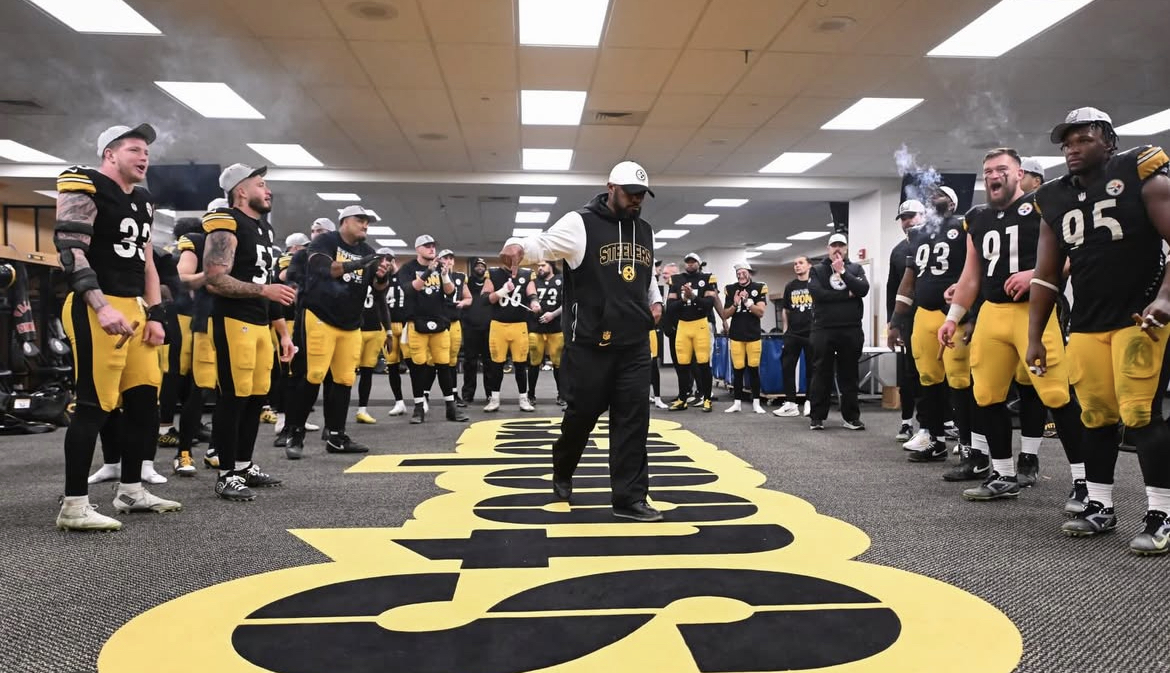
While the remaining four teams continue their push to win the 2026 Super Bowl, the remainder of the league is left with a long offseason ahead of them, wondering what changes need to be made in order to take the next step towards winning the elusive Lombardi Trophy. For some, that’s free agency signings and big trades, for others, it’s finding new talent in the draft and some teams are completely cleaning house and starting over with a new coaching staff. While the Giants, Falcons, Dolphins and Titans have already found their coaches of the future, the Ravens, Raiders, Cardinals, Bills, Browns and Steelers are all still looking for their next head coach. For teams like the Ravens and Steelers, this is rather unfamiliar territory as both teams had the first and second longest tenured coaches in the league, respectively. Next season will be the first time in nearly two decades that the two rivals will face off without either Harbaugh or Mike Tomlin on either sideline.
When it comes to some of the other teams, however, they’re back on the search for their next coach after a relatively recent hire. For teams like the Raiders, they’re right back in the hunt after thinking they’d secured their coach of the future last season. Next year, there will be another handful of teams moving on from their coaches after a short period of time. It happens every single season and will continue to happen as long as there are still head coaches for football teams.
So why is nailing a coaching hire so difficult? Of course, there are more reasons than one, but to start, we must consider that an NFL head coach is a pretty exclusive job. Only 32 human beings in the entire world are considered knowledgeable enough about the game of football while also having the ability to connect with a large roster of players that all have different strengths, weaknesses and personalities. On top of that, every single week during the season, a coach is tasked with watching hours of film and learning about an opposing team’s strengths and weaknesses while another football genius does the exact same thing on said opposing team. Coaches often have a nonexistent work-life balance, some doing 16-hour days for about six days a week for 18 weeks. If they make the playoffs, that can extend another five weeks. If they don’t make the playoffs, they probably won’t have the job much longer. While they’re far from underpaid, earning annual salaries in the multi-millions each year, it’s incredibly difficult to find someone who can handle all of that and stay focused enough to coach the team at the level required to be successful in professional football. There’s an old saying that NFL stands for “Not For Long.” Usually, that’s used in reference to the average career length of just three years for players, but it’s true for coaches as well. According to Sports Illustrated, the average tenure for NFL coaches is also three years, a downturn from a reported 4.3 years by Business Insider in 2016, meaning that of the coaches hired in the coming weeks, for all the excitement they might bring to a fanbase, there’s a better chance than not that they won’t even finish their initial contract. In half of that time, the fanbase will be calling the coaches’ capabilities into question.
This year, like most years, the most discussed candidates for the current coach openings are a mix of old and new. Some, like Harbaugh and former Browns coach Kevin Stefanski, are known commodities. Others, like Chargers defensive coordinator Jesse Minter and Seahawks offensive coordinator Klint Kubiak, are exciting yet unproven candidates. Then there are guys like Broncos defensive coordinator and former head coach of the team, Vance Joseph, who are almost a mix of the two, having been head coaches in the past before being fired and returning to the coordinator ranks, and now being looked at for a second chance. Some may be inclined to go with what’s familiar, and others may try to go with the unfamiliar in an attempt to put themselves ahead of the curve amongst the remainder of the league. There are disappointments and success stories for both, and no approach has necessarily proven better than the other, which is what continues to make the process so difficult.
So, as the 2026 coaching carousel continues, it’s important to remember that, in many ways, picking a good head coach is a dart throw. Maybe an educated guess at best. Even if the right candidate is selected, it may not be the right fit for their skill set and coaching style. Coaches like Bill Belichick are a great example of things not working out at one location and then working wonderfully at another — some coaches are just meant to be high-quality assistants as opposed to running the whole show.
Coaches, just like players, have to grow and develop their skill set over time, but unlike athletes, there isn’t a clearly defined prime of their career, and the unique circumstances of coaching aren’t necessarily something that can just be taught. Currently, multiple organizations are dedicating countless hours to researching, interviewing and putting together the best contract possible for their preferred coaching candidate in the hopes that they’ll find the next elite head coach. And while they certainly might, the only certainty in the NFL coaching carousel is that people will keep on getting fired, and the cycle will just keep spinning.
Contact the author at howlsports@wou.edu