



Mount Hood

Moda Center renovations

Renderings of the proposed Moda Center renovations. | Photo from @gmottatv on Instagram

Feb. 25, 2026 | Isaac Garcia | Sports Editor

Since the 1995-96 season, the Portland Trail Blazers have called the Moda Center — known as the Rose Garden until 2013 — home. The arena was built starting in 1993 with a combination of funds from the City of Portland, then Trail Blazers owner Paul Allen and roughly $150 million in bonds. In addition to the Trail Blazers, the Portland Fire — a WNBA expansion team preparing to start play this spring — will use the venue for home games. The venue has played host to NBA playoff games, NCAA tournaments and concerts from household names such as David Bowie, Stevie Nicks and Elton John, just to name a few. However, with the venue now being just over 30 years old and the estate of Paul Allen working to finalize a sale of the team after his passing in 2018, discussions have begun over possible renovations and where to find funding for the project. 

A possible relocation of the Trail Blazers has become a growing concern among the fan base since the announcement of the sale process, and said discussions around the Moda Center’s status have only added to the concern that if funding isn’t secured, the team could suffer the same fate the Seattle SuperSonics did. In 2008, when public funding wasn’t passed to conduct renovations for KeyArena, now known as Climate Pledge Arena, new owner Clay Bennett relocated the team to Oklahoma City and rebranded as the Thunder, where they’ve since remained; although many would say that Bennett, who is from Oklahoma City, planned to move the team from the start. 

Last summer, NBA commissioner Adam Silver explained that keeping the Trail Blazers in Portland was preferred, while still acknowledging that the team “likely needs a new arena.” On Feb. 9, Senate Bill 1501 was proposed in the Oregon state Senate by Rob Wagner, which, if passed, would move income taxes currently being placed in the state’s general fund into a new “Oregon Arena Fund,” and allow the Oregon Department of Administrative Services to enter into agreements to own and operate the Moda Center. The funds would specifically come from the income of Trail Blazers players, Rose Quarter employees, performers and anyone else doing work at or around the Moda Center. The renovations are generally estimated at about $600 million and the state of Oregon is expected to partner with Multnomah County and the city of Portland to provide the funding which would become available if the Trail Blazers agreed to a lease agreement of a certain period. Exact details of how much money would come from each party involved vary; however, a source of controversy is that the city of Portland is considering bringing $75 million of that investment from the Portland Clean Energy Community Benefits Fund. Funding raised would become available if the Blazers agreed to a lease agreement of a certain length. Current reports suggest that the ownership group won’t be expected to contribute. 

Proponents for the bill argue that the Trail Blazers and other events hosted at the Moda Center provide a significant boost to the state economy, and, therefore, a public investment in the renovation project is worth it. Wagner and the City of Portland provided research that says the arena provides $670 million in financial impact annually, with the people it employs and of course, revenue from ticket sales. Opponents of the bill argue that the state cannot afford to divert tax revenue away from the general fund and that the investment would be too risky, considering that the new ownership could still decide to move the team at some point down the road. They also argue that the new ownership group, which is led by Tom Dundon and includes multiple billionaires other than himself, should be expected to pay a portion of the costs at a minimum. 

Controversies on arena funding are nothing new in professional sports. In fact, just last week the Chicago Bears, one of the most storied American sports franchises that currently plays in one of the most iconic stadiums in the country — Soldier Field — took a tentative step toward moving nearly 30 miles outside of Chicago into Hammond, Indiana after talks between ownership and the state of Illinois in regards to stadium funding did not advance in a way the organization felt was favorable. In the wake of the difficult negotiations, ownership began talks with the state of Indiana, and on Feb. 19, Senate Bill 27, which provides a framework for covering a portion of new stadium costs, passed the Indiana state Senate unanimously. 

Additionally, in December of last year, it was announced that the Kansas City Chiefs would be moving out of Arrowhead Stadium in Missouri by 2031 and across the state border into Kansas after the state of Kansas agreed to cover up to 70% of stadium costs. 

The city of Oakland, which was at one point home to the NBA’s Warriors, the NFL’s Raiders and the MLB’s Athletics, lost all of its professional sports teams within a decade due in large part to disagreements between ownership and local government about funding for facilities. Dave Newhouse, a retired sportswriter for the Oakland Tribune, was quoted in a 2025 article from Bay City News regarding the matter, saying, “If you don’t build them a new stadium every 20 or 30 years, they leave.”

An idea for a potential compromise between the Portland Trail Blazers and local governments could include a clause that if the team is relocated after tax funding is provided for a new arena, ownership would need to pay some percentage of the public investment back to the local community. A smaller renovation plan with a similar structure was already agreed upon prior to the sale of the team. This was part of a lease extension that guarantees the Trail Blazers will stay in the Moda Center until at least 2030. As for funding, the city of Portland made an agreement with the Trail Blazers that event parking revenue and a 6% tax on tickets would be used to cover the costs, with a 50% contribution limit from the city. These renovations began in the summer of 2025 and included larger and higher definition scoreboard panels. The rest of the project is taking a planned pause in the summer of 2026 in order to let the Portland Fire conduct their opening season with minimal interference, but is expected to be completed before the 2030 NCAA Women’s Final Four, which Portland is hosting for the first time. In the event that the team is relocated, the Trail Blazers would be required to pay the entirety of the city’s contribution back. Of course, the reported cost range for this project being significantly higher might complicate trying to complete a similar deal, but it does provide a point of reference. 

The bill is currently in the Senate Committee on Rules and will surely garner a lot of conversation as updates arrive. For any Trail Blazers fans concerned about a move, it’s important to remember that there really haven’t been any substantially reported discussions in that regard yet, and so far, Dundon and his ownership group have verbally committed to keeping the team in Portland. Of course, it’s not outside of the realm of possibility, but it does seem that, at least for now, fans can expect to see the Blazers in Portland long term. 


Contact the author at howlsports@mail.wou.edu
El camino a casa

8 de octubre del 2025 |  Isaac Garcia | Editor de Deportes

El 27 de septiembre de 2023, el base de los Portland Trail Blazers y leyenda de la franquicia, Damian Lillard, fue traspasado a los Milwaukee Bucks en un acuerdo que rompió el corazón de los aficionados de Portland, quienes habían abrazado a Lillard desde su llegada en 2012. A principios de esa misma temporada baja, Lillard había solicitado un traspaso con la esperanza de tener una mejor oportunidad de competir por un campeonato de la NBA. Los Bucks, que venían de ganar un título dos años antes con el dos veces MVP Giannis Antetokounmpo como líder del equipo, parecían ofrecerle a Lillard la mejor posibilidad que había tenido en su carrera para lograrlo.

Por desgracia, las cosas no salieron como se esperaba. En la primera temporada, los conflictos internos entre los jugadores de Milwaukee y el cuerpo técnico impidieron que el equipo alcanzara sus altas expectativas. En su segunda temporada con los Bucks, a Lillard le diagnosticaron una trombosis venosa profunda y tuvo que perderse el último mes de la temporada regular, antes de regresar justo a tiempo para los playoffs.

Lamentablemente, en el cuarto partido de la serie de primera ronda de Milwaukee contra los Indiana Pacers, Lillard cayó al suelo y de inmediato se tomó la pierna. Exámenes posteriores revelaron que se había roto el tendón de Aquiles, una lesión famosa por lo difícil que es recuperarse de ella, especialmente para un jugador que pronto cumpliría 35 años. Los Bucks terminaron perdiendo la serie, quedándose por debajo de las expectativas una vez más. Con la presión aumentando para mantener хотя sea un poco abierta la ventana de campeonato del equipo, Milwaukee decidió cortar a Damian Lillard y liberar espacio salarial para poder incorporar al pívot de los Pacers, Myles Turner.

Visto desde afuera, parecía que la carrera de Lillard había tocado fondo. Dejó Portland, la ciudad que su familia seguía llamando hogar y donde él mismo había pasado la mayor parte de su vida adulta, en busca del campeonato que se le había escapado durante toda su carrera, solo para quedarse corto y estar fuera del equipo dos años después. Sin mencionar el largo camino que ahora tenía por delante para recuperarse de la lesión y volver a jugar.

Sin embargo, en lo que pudo haber sido el momento más oscuro de su carrera, algo familiar volvió a encontrarlo. Los Portland Trail Blazers, que habían pasado las dos temporadas anteriores intentando reconstruir el plantel tras traspasar a Lillard, le ofrecieron un contrato de tres años y 42 millones de dólares que le permitiría hacer su rehabilitación en Portland, junto a sus hijos y dentro de una organización que conocía a la perfección. Cuando se supo que Lillard regresaba a Portland, los aficionados, que habían quedado destrozados al verlo marcharse apenas dos años antes y habían presenciado los tropiezos de la era posterior a Lillard, recuperaron por completo la energía y la ilusión. Durante su conferencia de prensa de presentación, Lillard dijo: “Nunca se sintió bien no estar en casa”. El mes pasado, la organización realizó un acto en Pioneer Courthouse Square para celebrar su regreso, y era evidente lo mucho más felices que estaban tanto Lillard como los aficionados con su vuelta a Portland. “Simplemente estar de vuelta en esta ciudad, ya sabes, ha traído un tipo diferente de alegría a mi vida”, dijo Lillard mientras se dirigía a una multitud de miles de personas en Pioneer Square. Aunque no jugará hasta la próxima temporada, el regreso de Lillard ha inyectado emoción en una afición que, sin duda, no puede esperar para darle la bienvenida de nuevo al Moda Center como parte del equipo local.

Contacta al autor en howlsports@wou.edu


Back to school

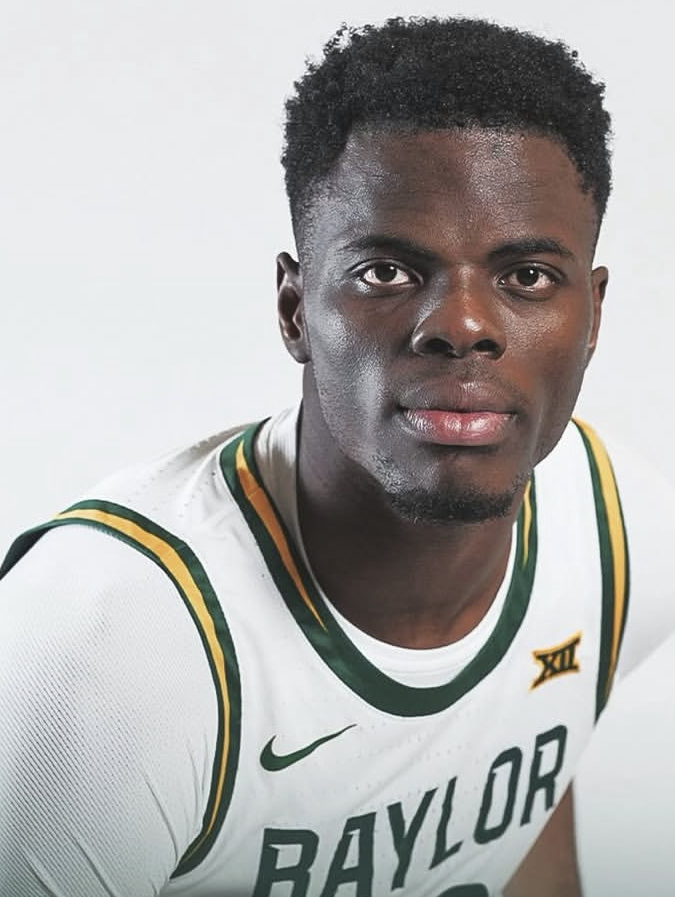
James Nnaji poses in his Baylor Bears uniform. | Photo from @cbbcontent on Instagram

Jan. 21 2026 | Isaac Garcia | Sports Editor

The intense shift in college sports over the past few years has been well documented and discussed ad nauseam. College athletes can now earn money through contracts and brand deals after being strictly prohibited from doing so for essentially the entire history of college sports. In addition, transfer restrictions have been loosened, allowing athletes, for the most part, to become immediately eligible after transferring schools, while the old rule had required them to sit out for a season unless they were a graduate transfer or received some sort of waiver from the NCAA. 

For some, the changes are ruining college sports. For others, the changes are welcome and make the system more fair for athletes. Every few months, it seems a new controversy pertaining to these name, image and likeness rules becomes a topic of debate in the sports industry. The newest of these controversies is the eligibility of Baylor center James Nnaji. 

Nnaji, age 21, was drafted 31st overall to the Detroit Pistons in 2023 after playing professionally for FC Barcelona’s basketball team and then promptly traded to the Charlotte Hornets. A year later, he was traded to the Knicks as part of a larger deal that included All-Star center Karl Anthony-Towns. Nnaji never played official NBA minutes, playing only in the Summer League in 2023 and 2025. Nnaji was also a “draft and stash” player, meaning that while he was drafted to the NBA, he would hold off on signing a contract and continue playing overseas until he and the team that held his draft rights — essentially the right to be the only NBA team negotiating with him — worked out a deal. The practice has been common with international players over the years, with players like Manu Ginobili, Arvydas Sabonis and current Denver Nuggets star Nikola Jokic all taking extra seasons with their pre-draft teams for various reasons before joining their teams in the NBA. Some players are drafted and stashed due to outstanding contractual obligations with their pre-draft teams and/or because their team in the NBA thinks their development as a player is better off with a team in which they’ll be getting more playing time. Some never sign contracts and end up continuing the remainder of their career in another league. 

Nnaji continued playing for Barcelona before being placed on loan to Girona and remaining there until March of 2025, when Nnaji and the club mutually agreed to part ways. Shortly thereafter, he would be loaned again, this time to Merkezefendi Belediyesi Denizli, a basketball club based in Turkey. In July, he announced that he and Barcelona had parted ways, making him a free agent. Nnaji, however, was not ready to give up on his dream of playing basketball at a high level and the Baylor Bears needed the help. After Nnaji’s agent learned that Baylor’s center depth was running thin due to injuries, he proposed the option of Nnaji joining the program to both Nnaji and the Baylor coaching staff. On Christmas Eve, his signing with the team and immediate eligibility were announced, drawing the ire of both coaches and fans. Arkansas coach John Calipari called the situation out in a press conference, saying, “Why did they let that kid play? Tell us all, ‘Here’s the reason.’ Then we’ll all go get pros.” Baylor coach Bryce Drew defended the decision to add Nnaji, saying, “When it came out that you could recruit G-League players, I was against it at first. I didn’t want to do it, but we don’t make the rules. If they say you can drive 80, you’re going to drive 80. If you drive 70, you’re going to get passed.” 

UCLA women’s basketball coach Cori Close came to the defense of Drew, saying, “The reality is that I don’t blame him for doing that if it’s within the rules and it’s the landscape we’ve been given. We didn’t ask for those.” Close continued, “The reality is it’s such a chaotic mess and the rules change every couple weeks, and there’s no accountability, and what they said was going to be true about revenue share and caps and what third parties were going to be allowed to do and not allowed to do … hasn’t transpired.” 

Close’s comments speak to a larger conversation around the NCAA and its ability to enforce rules. It’s important to note that the changes in name, image and likeness rules didn’t come from the NCAA itself but rather from the NCAA essentially having its hand forced by a unanimous Supreme Court ruling that determined rules against student athletes monetizing their name, image and likeness violated antitrust laws. Still undetermined is whether college athletes legally have the same rights as employees of an organization do. There’s also been legal challenges on the NCAA’s rules about their eligibility timeline, and although for the most part those have stood, challenges are still currently going through court cases and could bring significant change. Michigan State head coach Tom Izzo voiced his displeasure with the NCAA as an authority figure, stating, “I’m not real excited about the NCAA or whoever is making these decisions, without talking to us, just letting it go. They’re afraid they’re going to get sued.” Calipari simply said, “Let them sue us.”

Since joining the Bears, Nnaji has appeared in five games, playing an average of 14.2 minutes with 2.0 points, 4.4 rebounds, .4 assists and .4 blocks per game. The Bears have gone 1-4 in those five games and currently sit at 13th in the Big 12, although it is still pretty early in conference play. In his first game on the road against TCU, the crowd booed him. Nnaji believes the frustration is unwarranted, saying, “I didn’t do anything illegal. I didn’t try to break any rule.” Technically, Nnaji is right. He’s still within five years of what his high school graduation would be, which is the window of eligibility the NCAA provides for student athletes, save for a few special cases. He’s never been enrolled in college before and he never signed a real NBA contract. 

It’s not that people are upset at James Nnaji; he’s just an athlete doing whatever he can to chase a dream. In general, they’re upset at the NCAA for what they perceive is a now lawless landscape in college athletics that is slowly turning it into a semi-pro development league, whether that be in football, basketball or any other sport. 


Contact the author at howlsports@mail.wou.edu
Chauncey Billups arrested

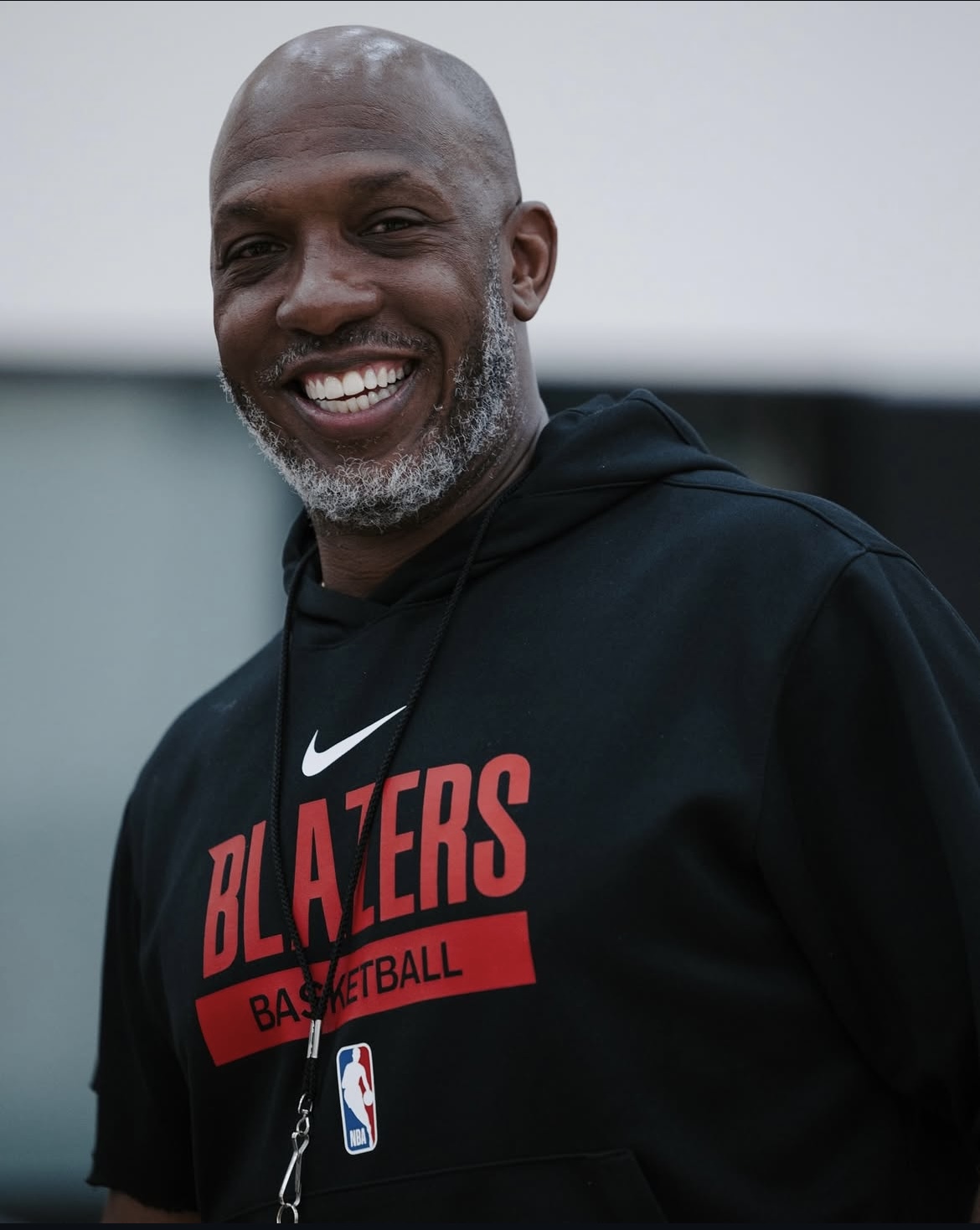
Chauncey Billups coaches the Trail Blazers from the sidelines. | @theoregonian on Instagram

Nov. 5 2025 | Isaac Garcia | Sports Editor

Disclaimer: this is an ongoing matter and the individuals discussed in this article are innocent until proven guilty in a court of law.

The NBA world was shocked the morning of Oct. 23 when it was announced that Portland Trail Blazers head coach Chauncey Billups had been arrested by the FBI at his home in Lake Oswego. He was indicted on charges of wire fraud conspiracy and money laundering conspiracy, both tied to an illegal gambling ring that included members of the Gambino crime family as well as Miami Heat guard Terry Rozier and Cleveland Cavaliers assistant Damon Jones. This isn’t the first time Rozier has been on the radar for gambling-related activities, as in March of 2023, he was investigated by the NBA after they were alerted by a sportsbook that he was placing suspicious wagers on himself. Very soon after the news broke, it was announced by the NBA that both Billups and Rozier would be placed on leave from their respective teams. 

The investigation — called “Operation: Royal Flush” — allegedly has Billups engaging in illegal gambling activities dating back to 2019. The FBI alleges that Billups and Rozier were “face cards” that helped bring in guests to rigged poker games. According to the FBI, these poker games included rigged shuffling machines, special contact lenses and glasses that allowed people, like Billups, to read the backs of cards. Because of the rigged machines, it could be determined by the machine at the table who would receive the winning hand. Once the conspirator had this information, they would use secret hand signals to other conspirators, who would use this information to win high-stakes games, which included up to six-figure hands. Other technology included a chip tray analyzer, which would read everyone’s cards with a hidden camera. 

In addition — while not stating Billups’ name explicitly — it’s alleged that someone was giving out insider gambling information at some time in March of 2023 about Trail Blazers players who would be missing games to other conspirators in the case. While only the alias of “Co-Conspirator 8” is given, the information about Co-Conspirator 8 matches up strongly with Billups. 

Similarly, it’s alleged that Damon Jones gave away insider information that LeBron James would not be playing in a game against the Bucks Feb. 9 of 2023, and allegedly sent a text message to a co-conspirator that read, “get a big bet on Milwaukee tonight.” It’s important to note that this information came before James was publicly listed on any sort of injury report.

For those unfamiliar with gambling — specifically sports gambling — a player of James’ stature greatly impacts betting odds, and the news of him being unavailable in a matchup will swing those betting odds towards the other team, thus making the total payout of a successful bet for said team — in this case, the Bucks — less profitable. However, if someone received the information that James would not be playing before it was public information and placed the bet before odds could change, they would receive a higher payout from a successful bet, which on Feb. 9, 2023, would have been the case as the Bucks won the game 115-106. 

After Billups’ arrest, he was arraigned in a Portland courthouse, where he was released on multiple conditions. Included in these conditions were that he had to surrender his passport and that he could not travel outside of Oregon or Colorado — his home state — with an exception for travel to New York, where court proceedings for the case are to be held. When leaving the courtroom in a Klutch Sports hoodie and grey sweats, Billups — who was also a Hall of Fame player and 2004 finals MVP with the Detroit Pistons — was surrounded by reporters, to whom he said nothing before getting into a vehicle and leaving. Terry Rozier was released after putting his home up as collateral for a $6 million bail, and his next scheduled court appearance is Dec. 8. 

As for the Trail Blazers, they’ve announced in a statement that they “are aware of the allegations involving head coach Chauncey Billups, and the Trail Blazers are fully cooperating with the investigation.” They then named Tiago Splitter, the former San Antonio Spurs center who won a title with the Spurs in 2014, as the interim head coach. Billups is due back in court Nov. 24, and his future as a coach seems almost nonexistent as he faces up to 20 years in federal prison. 

While many fans are rightfully concerned about what this may mean for the team, some fans, most of whom have been calling for his firing for some time, were more than happy to see Billups go and make way for a new hire. In their first game after the incident, the Trail Blazers beat the Golden State Warriors in the Moda Center by a score of 139-119 and have gone 4-2 since that game. 

It remains to be seen not only how the case will be resolved in a court of law, but how it affects the team long-term. For the basketball product, it’s worth noting that Splitter comes from a background that includes who many feel was the best coach of the decade in Gregg Popovich, and he was a member of the 2014 Spurs team that moved the ball beautifully en route to a dismantling of the Miami Heat in those NBA finals. This could signal what kind of offense he might try to install in Portland. 

For the most part, Blazers players have refused to take media questions about the matter, with the sole exception of Deni Avdija, who said, “It’s not an easy situation. We’re thinking about him and his family. We really love Chauncey and what he’s done with this organization. I don’t know a lot of the details, I don’t really want to get into that, I’m trying to focus on the game. But my heart is with him and his family for sure.”

This is the next episode in an emerging trend of gambling troubles in professional sports. Just last year, Toronto Raptors forward Jontay Porter — the younger brother of current Brooklyn Nets forward Michael Porter Jr. — received a lifetime ban for violating the NBA’s gambling guidelines and currently faces federal charges himself. 

The NBA isn’t the only league facing gambling-related issues, as the NFL has had four different instances of punishing players or coaches for violating league gambling policy since 2019. 

This saga correlates with a 2018 Supreme Court ruling that removed a federal ban on gambling. At the time of writing, 32 states — plus Washington, D.C. and Puerto Rico — allow some form of online sports betting, making it more accessible than it’s ever been. According to statista.com, sports betting revenue generated in the United States went from $400 million in 2018 to more than $11 billion in 2023, and according to a study from JAMA Internal Medicine, the online search for “am I addicted to gambling” has increased by 23% since 2018 through June 2024. While this doesn’t necessarily explain the rise in recent gambling scandals in sports, it does raise the question: Is the increased acceptance of gambling in the United States infiltrating sports leagues and harming the integrity of the game?

Deciding to gamble should involve betting responsibly and engaging in healthy behaviors such as setting a hard spending limit and knowing when to quit. If struggling with a gambling addiction, call the National Problem Gambling Helpline (1-800-522-4700) to be connected with helpful resources.


Contact the author at howlsports@mail.wou.edu
The road home

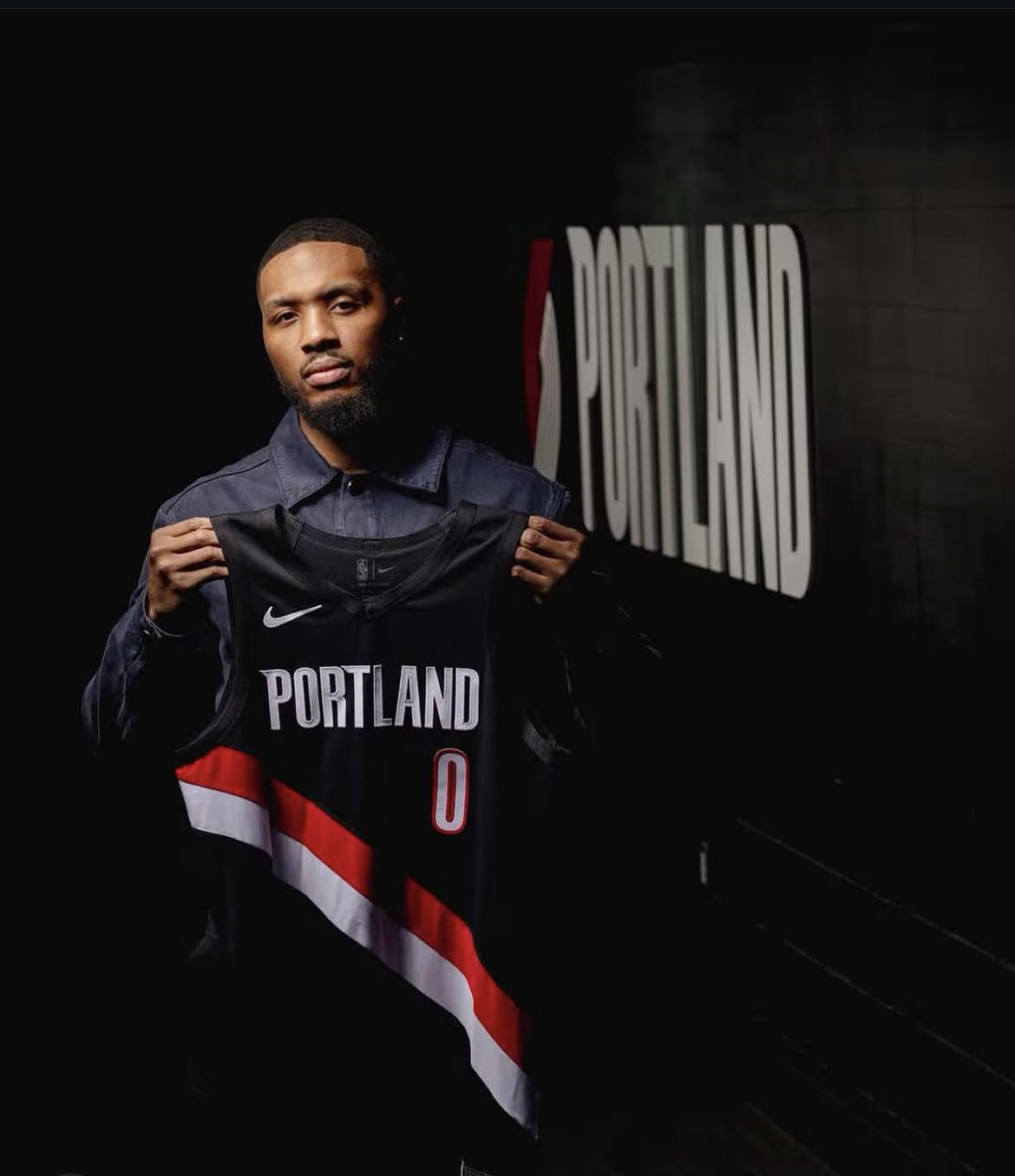
Damian Lillard holds Trail Blazers jersey in a hallway. | From @damianlillard on Instagram

Oct 8 2025 | Isaac Garcia | Sports Editor

On Sept. 27, 2023, Portland Trail Blazers point guard and franchise legend Damian Lillard was traded to the Milwaukee Bucks in a deal that broke the hearts of Blazers fans who had embraced Lillard since he arrived in 2012. Earlier that offseason, Lillard had requested a trade with hopes of having a better opportunity to compete for an NBA championship. The Bucks, who were two years removed from winning a title with two-time MVP Giannis Antetokounmpo leading the team, seemed to give Lillard the best chance he’d ever had to do it. 

Unfortunately, things didn’t go quite as planned. In the first season, internal struggles between Bucks players and the coaching staff kept the team from reaching its high expectations. In his second season with Milwaukee, Lillard was diagnosed with deep vein thrombosis and had to miss the final month of the regular season before returning just in time for the playoffs.

Unfortunately, in the fourth game of the Bucks’ first-round playoff series against the Indiana Pacers, Lillard fell to the ground and immediately reached for his leg. Further examinations would reveal that Lillard had torn his Achilles tendon, a notoriously hard injury to recover from, especially for a player who would soon be 35. The Bucks would go on to lose the series, falling short of expectations again. With pressure mounting to keep the team’s championship window open just a crack, the Bucks decided to waive Damian Lillard and free up cap space in order to add Pacers center Myles Turner. 

From the outside looking in, it seemed as though Lillard’s career had hit rock bottom. He left Portland, the city that his family still called home and where he himself had spent most of his adult life, in search of the championship that had eluded him his entire career, only to come up short and be off the team two years later. Not to mention the long road he now had ahead of him to recover from his injury and begin playing again. 

However, in what might’ve been his career’s darkest moment, something familiar found him again. The Portland Trail Blazers, who had spent the past two seasons trying to rebuild the roster after trading Lillard, offered him a three-year $42 million deal that would allow him to spend his rehab in Portland, alongside his children and an organization that he knew so well. Upon the news that Lillard was returning to Portland, Blazers fans who were heartbroken to see him leave just two years earlier and had watched the Blazers go through the growing pains of the post-Lillard era, were completely re-energized. During his introductory press conference, Lillard said, “It never felt right, not being home.” Last month, the organization held a rally in Pioneer Courthouse Square celebrating Lillard’s return, and it was obvious how much happier both Lillard and Blazers fans have been with him back in Portland. “Just being back in this city, you know, has brought a different type of joy back to my life,” Lillard said while addressing the crowd of thousands at Pioneer Square. While he won’t play until next season, Lillard’s return has injected excitement into a fanbase that surely cannot wait to welcome him back to the Moda Center as a member of the home team.

Contact the author at howlsports@wou.edu

Smith vs. James

April 9, 2025

Written by: Quincy Bentley | Sports Editor

In recent weeks, a high-profile beef has erupted between NBA superstar LeBron James and outspoken ESPN analyst Stephen A. Smith, capturing headlines worldwide. At the heart of the dispute is a larger conversation about media responsibility, family boundaries and the evolving relationship between athletes and those who cover them.
The confrontation began during a nationally televised game between the Los Angeles Lakers and the New York Knicks March 6, 2025. Cameras caught LeBron James walking over to Stephen A. Smith, who was seated courtside, to voice his displeasure with comments Smith had made about LeBron’s oldest son, Bronny James. Smith had previously criticized Bronny’s potential to succeed in the NBA, suggesting that he might not have made it this far without the weight of his father’s name. While not uncommon for Smith to provide the media with strong takes, this one clearly struck a personal chord with LeBron.
In the days following the game, Smith addressed the incident on ESPN’s “First Take,” explaining that LeBron James approached him to express his disappointment in how he had spoken about Bronny. Smith maintained that he was doing his job as a commentator but admitted that he understood why LeBron James, speaking as a father, would be upset. Smith also insisted that his criticism wasn’t personal and that he’s always respected James’ career.
James, however, wasn’t satisfied with that explanation. He later appeared on “The Pat McAfee Show,” where he stated that Smith had “missed the point entirely.” James emphasized that while he can handle criticism directed at himself, he draws the line when it comes to his children being scrutinized on national television — especially by someone with such a large platform. “There’s a difference between talking (about) basketball and talking about someone’s future or their worth as a person,” said James. “That’s not just analysis — that’s personal.”
This war of words quickly became a trending topic, drawing attention from other major sports figures. NBA legend and TNT Sports analyst Charles Barkley weighed in, criticizing both parties. Barkley called James a “bully” for confronting Smith during a live game but also labeled Smith’s response as “lame and weak.” According to Barkley, the entire feud distracts from the game itself and is a symptom of how media and sports personalities sometimes let their egos get in the way.
The situation also appears to have created internal drama at ESPN. Reports from The Sun suggest that producers and colleagues behind “First Take” are growing frustrated with Smith’s perceived egotism and the attention he brings to himself. While the controversy has boosted ratings, some at the network worry about the long-term impact on morale and public perception.

This isn’t the first time Smith and LeBron James have clashed, but this episode feels different due to the personal nature of the comments. It has sparked a larger conversation about where the line should be drawn in sports commentary, especially when it involves family members who are still finding their footing in professional sports.
In the end, this situation serves as a reminder that while athletes and analysts are part of the same ecosystem, mutual respect and boundaries always remain crucial.

Contact the author at howlsports@wou.edu

Beyond the name

April 9, 2025

Written by:  Quincy Bentley | Sports Editor

Bronny James, the oldest son of NBA legend LeBron James, has been making huge strides in the NBA G League, showing off his talent and determination as he carves out his own path in professional basketball. Drafted by the Los Angeles Lakers as the 55th overall pick in the 2024 NBA Draft, Bronny’s journey has been marked by both challenges and notable achievements.​
Following a brief stint with the Lakers during the preseason, where he played limited minutes, Bronny James was assigned to the South Bay Lakers, the team’s G League affiliate, to gain more experience and further develop his skills. This move was strategic, allowing him to adapt to the professional level’s pace and physicality.​
James’ time in the G League has been impressive, with multiple performances that have silenced many critics. On Dec. 12, 2024, he scored a game-high 30 points against the Valley Suns, shooting 13 of 23 from the field. This game showcased his scoring ability and potential as a future NBA contributor.
Continuing his upward trajectory, James achieved a career-high 31 points Jan. 24, 2025, leading the South Bay Lakers to a 122-110 victory over the Rip City Remix. His performance included efficient shooting and proved that his confidence on the court was growing.
The pinnacle of his G League success came March 24, 2025, when James erupted for 39 points, along with seven rebounds, four assists and four steals, in a 122-118 win over the Santa Cruz Warriors. This performance not only set a new personal best, but also highlighted his high-level defense and all-around capabilities.
Over the course of the G League season, James has maintained impressive averages of 21.9 points, 5.2 rebounds and 5.5 assists per game.
Despite his achievements, James has still faced significant scrutiny, with some attributing his opportunities to his father’s influence. Addressing these criticisms, James stated, “People think I’m a f—ing robot,” expressing his individuality and dedication to his craft. He uses the negativity as motivation, focusing on continuous improvement and proving his worth on the court.

James’ performances have garnered attention from various basketball analysts and former players. Gilbert Arenas, a former NBA All-Star, suggested that with increased playing time, James could be a contender for the NBA’s Rookie of the Year award.
While his future with the Lakers remains a topic of discussion, Bronny James’ dedication and growth in the G League have positioned him as a promising talent. With each game, James is not only honoring his family’s legacy but also building his own — one impressive performance at a time.

Contact the author at howlsports@wou.edu

Curry makes history

April 2, 2025

Written by: Quincy Bentley | Sports Editor

Golden State Warriors legend Stephen Curry has once again etched his name in the record books, becoming the first player in NBA history to make 4,000 career three-pointers. In a home game against the Sacramento Kings March 13, 2025, Curry drained a three, sending Chase Center into a frenzy as he shattered yet another milestone that seemed nearly impossible when he first entered the league.
This achievement cements Curry’s legacy as the greatest shooter of all time, putting him well above his competitors. Known for completely changing the game of basketball with his shooting range and quick release, Curry has single-handedly transformed the modern NBA. His influence is evident across all levels of basketball, from youth leagues emulating his shots to NBA teams designing offenses that prioritize three-point shooting.
When Curry surpassed Ray Allen’s previous record of 2,973 made three-pointers back in December 2021, it was clear that he was far from finished. Now, having racked up 4,000, Curry has set a standard that may take decades for another player to even come close to.
While modern players are attempting more threes than ever before, no one has combined Curry’s volume, accuracy and longevity in quite the same way. His career three-point percentage remains around 42%, a remarkable number given the degree of difficulty of many of his shot attempts.
Even as talented shooters like Klay Thompson, James Harden and Kevin Durant continue to ascend the all-time three-point leaderboard, none appear to have the consistency required to approach 4,000 threes. Younger stars like Luka Dončić and Anthony Edwards are also great shooters but will need to maintain an elite level of shooting for over a decade just to match Curry’s mark.
Drafted seventh overall in the 2009 NBA draft by the Golden State Warriors, Curry entered the league with a reputation as a sharpshooter from Davidson College. However, injuries and early skepticism about his durability and size threatened to stunt his career. But Curry’s hard work and commitment to improvement paid off.
By the 2014-2015 season, Curry had reached superstardom, leading the Warriors to their first NBA title in 40 years and capturing the league’s MVP award. His 402 made threes during the 2015-2016 season — another record — showcased his ability to hit shots from unthinkable distances and angles, forever altering how teams approach perimeter defense.
While the 4,000 three-pointers are a remarkable statistic, Curry’s impact on the game transcends the numbers. He has inspired a generation of young players to embrace shooting as an essential skill, shifting the way basketball is taught and played. Other NBA stars such as Trae Young, Damian Lillard and even rising stars such as Jordan Hawkins have admitted to modeling aspects of their game after Curry’s shooting and movement off the ball.
Moreover, Curry’s influence extends beyond the court. His contagious joy, humility and leadership have made him a global icon and a role model for aspiring athletes. Through his “Eat. Learn. Play.” Foundation, Curry and his wife, Ayesha, have helped countless communities by ensuring every student in the Oakland Unified School District has access to high-quality sports and play opportunities at every stage of their education.
At 37 years old, Curry shows no signs of slowing down. Though his role with the Warriors has shifted slightly, he remains the focal point of the team’s offense, capable of taking over games at any given moment. With his conditioning and skill set allowing him to age gracefully, Curry could potentially extend his three-point record well beyond 4,000, perhaps even approaching 5,000 if he maintains his current pace over the next few seasons.
Stephen Curry’s journey to the top of the list in career three-pointers is not just a milestone but a reflection of how one player can redefine an entire sport. His impact on basketball, both culturally and strategically, is immeasurable. As he continues to light up arenas with his shooting, fans around the world can witness history unfold in real-time.

Contact the author at howlsports@wou.edu

Wemby

March 5, 2025

Written by: Quincy Bentley | Sports Editor

In a devastating blow to the San Antonio Spurs, star center Victor Wembanyama has been ruled out for the remainder of the 2024-2025 NBA season due to deep vein thrombosis in his right shoulder. This condition, identified as a blood clot forming in a deep vein, poses serious health risks if not promptly addressed. Wembanyama’s sudden departure from the lineup has thrown the team’s future into uncertainty, as they had been looking forward to a promising second half of the season.
Wembanyama, the reigning Rookie of the Year and a first-time NBA All-Star, was averaging an impressive 24.3 points, 11.0 rebounds, 3.7 assists and a league-leading 3.8 blocks over 46 games this season. His impact on both ends of the floor had made him the face of the Spurs’ rebuild, his absence leaving a significant void in the lineup. The team had high hopes of making a strong push in the second half of the season, especially after acquiring star point guard De’Aaron Fox in a shocking trade with the Sacramento Kings. Fox, known for his speed and playmaking ability, was expected to provide a significant boost to the Spurs’ offense when paired with Wembanyama. However, with Wembanyama sidelined, the team must regroup and form a new strategy moving forward.
The Spurs’ medical team discovered the blood clot after Wembanyama experienced discomfort in his right shoulder. Recognizing the potential severity of blood clots, the team quickly began treatment and ruled him out for the rest of the season to prioritize his health and safety. This situation brings to mind the case of Chris Bosh, the former Miami Heat star whose career was derailed by similar health issues. In February 2015, Bosh was hospitalized due to a blood clot in his lung, leading him to miss the remainder of that season. Despite attempts to return, recurrent clotting issues ultimately forced Bosh into early retirement. Bosh’s story sheds light on the potential career-threatening nature of such conditions. The Spurs, like the Heat did with Bosh, are exercising extreme caution with Wembanyama to make sure his long-term health is not jeopardized.
In response to Wembanyama’s absence, the Spurs have faced challenges with their frontcourt depth. With backup big-man Charles Bassey also out with a knee injury, the team has been experimenting with smaller lineups. They have signed veteran center Bismack Biyombo to a 10-day contract to help fill the position. However, rebounding has become a significant concern, as seen in a recent 118-106 loss to the Houston Rockets, where they were outrebounded 60-41 and allowed 20 offensive rebounds. Despite these challenges, De’Aaron Fox has stepped up on offense, averaging 25.1 points and 7.2 assists per game since joining the team. His ability to push the pace and create for teammates has always been a bright spot in his game, clearly translating with his new team.
Head coach Gregg Popovich has also undergone health problems this year, suffering from a stroke earlier in the season. He has announced he will not return for the remainder of the season to focus on his recovery. Assistant coach Mitch Johnson has taken over head coaching duties, holding a 22-30 record in Popovich’s absence. The loss of both Popovich and Wembanyama has created a season of adversity for the Spurs, but the organization remains committed to building a team around its young core.
Though Wembanyama is out for the rest of this season, the Spurs’ management and medical staff currently expect him to return for the 2025-26 season. For now, the organization’s priority is ensuring Wembanyama makes a full recovery and returns to the court stronger than ever.

Contact the author at howlsports@wou.edu

All-Star Weekend

February 26, 2025

Written by: Quincy Bentley | Sports Editor

The 2025 NBA All-Star Weekend was a three-day spectacle, bringing together the league’s top talent, celebrities and passionate fans for an unforgettable celebration of basketball. Held from Feb. 14 – 16 in the San Francisco Bay Area, the event took over Chase Center, home of the Golden State Warriors. It delivered thrilling competitions, including the AT&T Slam Dunk Contest, the Starry 3-Point Contest and the much-anticipated All-Star Game. This 74th edition of the NBA’s marquee midseason event struck a perfect balance between tradition and innovation, keeping fans on the edge of their seats.
The weekend kicked off on Friday with the NBA All-Star Celebrity Game, where musicians, actors, athletes and social media influencers took center stage. Team Bonds, led by MLB legend Barry Bonds and rapper 2 Chainz, faced off against Team Rice, coached by NFL Hall of Famer Jerry Rice and viral sensation Khaby Lame. The game delivered plenty of entertainment, from comedian Kevin Hart’s surprisingly sharp playmaking to Grammy-winning artist J. Cole’s smooth jump shooting. In a contested matchup, Team Bonds came out with the victory, with actor and model Rome Flynn earning MVP honors for his all-around performance.
Following the celebrity showdown, the Rising Stars Challenge showcased the league’s most promising young talent in a fast-paced, tournament-style format. Four teams — Team T, Team C, Team G League and Team M — battled in target-score games. In the semifinals, Team C worked past Team T, 40-34, while Team G League edged out a nail-biting 40-39 victory over Team M. The championship matchup saw Team C dominate Team G League with a 25-14 win, fueled by an outstanding performance from San Antonio Spurs guard Stephon Castle, who was named MVP.
Saturday’s festivities began with the NBA All-Star Practice, giving fans an exclusive look at their favorite stars in action. The relaxed practice session featured lighthearted drills, team bonding moments and behind-the-scenes interviews. Later in the day, the NBA HBCU Classic took center stage, spotlighting two historically Black colleges and universities in a competitive matchup. The game not only showcased rising talent, but also reinforced the NBA’s ongoing commitment to supporting HBCU athletics and education.

The evening’s main event, State Farm All-Star Saturday Night, brought the action to another level with three of the most highly anticipated skill-based competitions.
The Kia Skills Challenge featured four teams: Team Cavs (Donovan Mitchell, Evan Mobley), Team Rooks (Zaccharie Risacher, Alex Sarr), Team Spurs (Chris Paul, Victor Wembanyama) and Team Warriors (Draymond Green, Moses Moody). After a difficult series of dribbling, passing and shooting challenges, Team Cavs emerged victorious, with Mitchell’s leadership and Mobley’s versatility stealing the show.
Next came the Starry 3-Point Contest, where eight elite sharpshooters — Tyler Herro, Buddy Hield, Darius Garland, Jalen Brunson, Damian Lillard, Cade Cunningham, Cameron Johnson and Norman Powell — competed for the title of the NBA’s most precise marksman. In a thrilling finale, Tyler Herro beat Buddy Hield with a clutch shot on his last rack, while also preventing Damian Lillard from achieving a potential three-peat.
The night reached its climax with the AT&T Slam Dunk Contest, where Mac McClung, Stephon Castle, Andre Jackson Jr. and Matas Buzelis put on an impressive display of athleticism. McClung stole the show once again, successfully defending his title. He threw down a series of never-before-seen acrobatic dunks that earned him perfect scores from every judge. His performance capped off an unforgettable Saturday night.
Sunday night introduced a brand-new format for the 74th NBA All-Star Game, altering the traditional matchup into a four-team mini-tournament. Each squad, composed of eight players, was drafted by honorary general managers. These managers and teams included Charles Barkley’s “Chuck’s Global Stars,” Shaquille O’Neal’s “Shaq’s OGs,” Kenny Smith’s “Kenny’s Young Stars,” and Candace Parker’s “Candace’s Rising Stars.”
The tournament consisted of two semifinal games played to a target score of 40, followed by a championship game played to 50. In the first semifinal, Chuck’s Global Stars defeated Kenny’s Young Stars, 41-32, while Shaq’s OGs narrowly overcame Candace’s Rising Stars, 42-35. The final matchup saw Shaq’s OGs dominate, securing a 50-36 victory over Chuck’s Global Stars.
Playing in his home arena, Stephen Curry delivered a masterclass in shooting for Shaq’s OGs. Curry dazzled the crowd with his signature deep threes and effortless playmaking, and fans erupted when he sealed the championship with a spectacular half-court shot, solidifying his MVP honors and capping off a thrilling conclusion to the tournament.
The 2025 NBA All-Star Weekend successfully combined elite competition with top-tier entertainment, giving fans a weekend that will be remembered for years to come. As the NBA continues to evolve, its annual midseason classic remains a thrilling celebration of the sport, uniting athletes and fans alike in a shared love for the game.

Contact the author at howlsports@wou.edu

What just happened?

February 12, 2025

Written by: Quincy Bentley | Sports Editor

In a shocking move, the Dallas Mavericks have traded Luka Dončić to the Los Angeles Lakers in a three-team deal finalized February 2, 2025. The trade sent Maxi Kleber and Markieff Morris to L.A., while Dallas received Anthony Davis, Max Christie and a 2029 first-round pick. The Utah Jazz also joined the trade, acquiring Jalen Hood-Schifino and two second-round picks.
This trade sent shockwaves throughout the league, as there were no rumors or reports leading up to it — just a sudden announcement on a Saturday night. Even more surprising, Dončić never requested a trade and was expected to sign a supermax extension this summer. CBS Sports graded the trade for the Lakers an “A+” for acquiring a 25-year-old generational talent, while Dallas received an “F” for trading away their franchise cornerstone for an aging, injury-prone Davis.
Mavericks general manager, Nico Harrison, is facing intense backlash for the move. Fans feel betrayed, considering Dončić had just led the team to the NBA Finals last season and even purchased a $15 million home in Dallas, proving his commitment to the franchise.
For Dončić, the trade came as a complete shock. “I wanted so badly to bring you a championship,” he told Mavericks fans in an emotional farewell. Now in Los Angeles, he joins forces with LeBron James, forming, potentially, one of the most skilled duos in NBA history. For the first time in his career, LeBron might not be the best player on his team — allowing him to take a lesser role and let Dončić shine.
The Lakers’ biggest concern is defense, as losing Davis leaves a hole in the frontcourt. General manager Rob Pelinka quickly moved to sign Mark Williams, a 7’0” center from the Charlotte Hornets. This addition aims to compensate Davis’ absence, while also providing stability on the defensive end.
For Dallas, acquiring Davis highlights a positive shift toward defense, but concerns about his age, 31, and injury history loom large. While he remains an elite player when healthy, his long-term durability is extremely questionable.
Some speculate the Mavericks made this move for financial reasons, avoiding Dončić’s upcoming supermax contract. However, most fans see it as a massive misstep, as Dončić was the face of the franchise and still had years of prime basketball ahead of him.
This deal is the first time in NBA history that two reigning All-NBA players have been traded for each other midseason. Some compare it to the 1988 Wayne Gretzky trade, which changed the NHL landscape forever.
Regardless of whether the Lakers secure a championship in the coming years, this trade will be seen as a successful, franchise-defining move. However, if the Mavericks fail to remain competitive, this move will go down as the worst in franchise history.
As the season unfolds, all eyes will focus on how Dončić adapts in L.A. and whether Dallas can recover from losing their biggest star. The debate over this trade is far from over — and its true impact will only be revealed with time.

Contact the author at howlsports@wou.edu

The James’ legacy continues

Written by: Quincy Bentley | Sports Editor

The path to the NBA is often filled with trials, tribulations and triumphs. Bronny James Jr., the eldest son of NBA legend LeBron James, has had a unique and challenging journey that is different from most players. Born into the shadow of one of the greatest basketball players of all time, James Jr. has carved his path, proving that he is more than just a name.
James Jr. was born Oct. 6, 2004, in Cleveland, Ohio, during his father’s early years with the Cleveland Cavaliers. From a young age, it was evident that basketball was in his blood. Watching his dad dominate in the NBA did nothing but influence James Jr.’s passion for the game.
Despite growing up with access to everything the NBA had to offer, James Jr. faced significant pressure to live up to his father’s legacy. However, his parents made sure that he had a balanced upbringing.
James Jr. attended Sierra Canyon School in Chatsworth, California, a powerhouse for basketball talent. Joining the program in 2019, he immediately gained national attention. Playing alongside other top recruits and future NBA players, like Ziaire Williams and Amari Bailey, allowed James Jr. to find his style.
As a freshman, James Jr. showed flashes of brilliance. Even though his stats didn’t jump off the page, he showcased a high basketball IQ, higher than most players his age.
Over the years, James Jr.’s game matured. Standing at 6-foot-3-inches, he developed into a two-way guard capable of playing on or off the ball. His defensive presence, court vision and playmaking ability became trademarks of his game.
Unfortunately for James Jr., being LeBron James’ son comes with immense expectations. Every game James Jr. played was analyzed heavily by critics, fans and social media platforms. Comparisons to his father were inevitable, but James Jr. handled the pressure with remarkable composure.
In addition to pressure from the outside world, James Jr. faced the challenge of playing in the social media age. Highlights of his games would go viral within minutes, and any perceived misstep was put on a pedestal. Yet James Jr. remained focused, leaning on his family and inner circle for support.
After an impressive high school career, James Jr. received offers from all around the country but eventually committed to the University of Southern California — USC. This decision was a pivotal moment in his journey. Staying close to home, he joined a winning program with a strong roster. The move allowed him to develop under a skilled coaching staff, while also continuing to build his brand in Los Angeles.

His resilience was tested further in the summer of 2023 when James Jr. suffered a cardiac arrest during a practice session at USC. The incident sent shockwaves through the basketball world, but fortunately, James Jr. recovered and returned to the court.
As a freshman at USC, James Jr. did not put up game-breaking numbers. He had his moments, but once again, what caught the eyes of NBA scouts was his defense and basketball IQ. He embraced a leadership role at USC and was able to showcase his ability to control the tempo of the game while also regularly defending the opposing team’s best player. His combination of skills, basketball IQ and intangibles made him a top prospect for the NBA draft. While he may not have been the most athletic or dominant player on the court, his poised gameplay and mental approach set him apart.
In 2024, James Jr. declared for the NBA Draft, fulfilling a lifelong dream. The basketball world was filled with anticipation as he worked out for teams and attended the NBA Combine. His workouts and interviews showcased his maturity, proving he was ready for the next level.
Draft night was a historic moment, as James Jr. was selected as the 55th pick to the Los Angeles Lakers to play alongside his father. LeBron James, who had publicly expressed his desire to play alongside his son in the NBA, sat proudly in the audience. When James Jr.’s name was called, it marked a new chapter for the James family legacy.
A lot of critics think that James Jr.’s entry into the NBA only happened because of the name on the back of his jersey, but he is more than just a continuation of his father’s legacy. While comparisons to LeBron James will always exist, James Jr. has consistently told the press that he wants to make a name for himself, not anybody else. He may not have the same exemplary athleticism as his father, but his current skill set makes him a valuable asset to any team.
As James Jr. embarks on his NBA career, the sky’s the limit. While the weight of his father’s legacy will always be evident, James Jr. has proven that he has the talent and determination to shine on his terms.
The basketball world eagerly anticipates what the future holds for James Jr. Whether it’s hitting game-winning shots, leading a team to a championship or even creating his legacy off of the court, one thing is clear: James Jr.’s journey is just beginning, and it promises to be nothing short of legendary.

Contact the author at howlsports@mail.wou.edu

Brainstorming for WNBA success

Written by: Liberty Miller | Lifestyle Editor

In the past year alone, an exponential increase has been observed in media attention for women’s collegiate basketball, prompted by athletes such as Caitlyn Clark and Angel Reese. The nature of Division One college sports ensures that major sports will always have a sizable fanbase, funding and resources at the program’s disposal. 

The situation for the majority of National Collegiate Athletic Association student-athletes has traditionally been to play for four to five years, either retire from the sport or attempt to pursue professional play, either in the U.S. or overseas. While many athletes have accomplished this feat, major discrepancies have been noticed in funding and fanbase potential for women’s professional sports, particularly basketball. 

One factor that many people may overlook is the dedication being contributed, not towards basketball but towards volleyball. In the past two to three years, the U.S. has launched three new professional volleyball leagues — the Pro Volleyball Federation, Athletes Unlimited Volleyball and League One Volleyball, which will begin its inaugural season in January 2025. 

In terms of promotion and social media, the Pro Volleyball Federation has made the most progress in establishing professional volleyball leagues in the U.S. Similar to this year’s WNBA draft, all three volleyball leagues have brought in Olympic veterans, freshly minted star collegiate drafts and a lot of fresh talent to their rosters.

While I believe the WNBA has had similar strategic attempts to garner support for the league, they have notably had to rely on the NBA to garner funding and have become somewhat encompassed in negative and lackluster media attention throughout the years. 

A disproportionate amount of the negative public opinion surrounding women’s basketball, unsurprisingly, stems from sexist ideology and a lack of support for women’s sports in general. Hateful discourse includes the facts that the WNBA is consistently underfunded, relying on the men’s league funds to survive, and claims of unexciting gameplay and WNBA vets that “overstay their welcome.” The reasons behind the WNBA struggling to stay afloat are numerous, which makes it a complex and potentially difficult subject to discuss. 

A multifaceted approach must be taken in order to make sustained progress for the WNBA. The recent boom in popularity due to high-profile newcomers may not be enough to simply “fix” the issues the WNBA has been facing for the last 28 or so years. 

Female athletes are well used to the misogynistic rhetoric that discredits accomplishments and athletic ability — but that doesn’t mean we can place all of the blame on that rhetoric. There are things that must be done and changed by the association, public relations, event managers and even the players themselves to secure the future of the WNBA. 

The first thing that I believe must be done is lowering the rim of the women’s net to nine feet. The rim is currently set at 10 feet, the same height as the men’s rim for the NBA. This is a highly controversial idea and was met with a lot of pushback when pitched by Shaquille O’Neal. 

When asked about it, WNBA player, Diana Tuarasi, even stated that they “…might as well put us in skirts and back in the kitchen.” The idea, admittedly, would make any elite athlete feel somewhat inferior, especially when constantly compared to their male counterparts. 

In my opinion, that feeling of inferiority is rooted in ego. As a volleyball player of 11 years, women’s nets have always been lower, and yes, it is irritating — but we need to recognize that we aren’t “making the game easier” by lowering the rim. We are actually creating a game situation that is proportionately fair for physical capabilities. Think of it this way: women have to put in twice the amount of effort and training in order to match their capabilities with male counterparts. So, setting the same standard, perhaps a 10-foot rim, and expecting the same type of athleticism from men and women would put women at an extreme disadvantage. That’s not to say women aren’t capable or that they cannot put in the work. It means that establishing the playing field as equitable, rather than equal, will allow women to showcase their athleticism more. Lowering the rim would allow for WNBA athletes to make explosive, more dynamic plays and to dunk as well. 

There are many arguments against lowering the rim, with an author from ESPN calling it a “quick fix” and attributing the hateful rhetoric solely to “years of social conditioning.” Many would argue that the WNBA would get the same amount of hate if they did lower the rims. That may be true — but currently, we are limiting the amount of plays that female basketball players can make. 

An example of how countless shows of athleticism are lost can be seen in the 37 dunks made in the entirety of WNBA history, 26 of which were made by Britney Griner. Additionally, it’s not just the athleticism that the public is missing out on. The lack of exciting gameplay creates a lack of media attention, even more negative public opinion and a lack of support, which, guess what? It means that 50% of the WNBA is owned by the NBA, which has to bail them out of bankruptcy every season. The fact that the NBA financially supports the WNBA is then just another piece of bait for misogynistic haters to grab onto. 

Speaking of what teams can do in the WNBA to gain public support — once again, they could invest in more strategic movies for exciting gameplay. The NBA has famously publicized many feuds throughout the years, making the games not just another scoreboard but a story to be told. 

When I talked to Jen Spicher, the CEO for the Pro Volleyball Federation, she told me that the people wanted a story to be told for the game. What I’ve learned throughout the years is that viewers want inspiration, drama and pure passion turned into athleticism when they watch a game. This is the reason Caitlyn Clark and Angel Reese have gained so much attention last year during the NCAA championships. 

As a female athlete, I have always been an intense and competitive player and have had coaches who prefer for female athletes to be controlled, calm and somewhat docile. Angel Reese is an example of what the media and public can do to a woman who isn’t complicit in toning herself down to seem more womanly on the court, and in my opinion, we need about 20 more of her. 

I’m not advocating for fights or conflict for media bait, but coaches need to recruit and promote players who tell their stories and who hone in on that passion and make it evident throughout the game. The game doesn’t exist without the players, and the players control the narrative, pace of the game and how they want to tell their story. 

It is the coach’s job to recruit and coach the game in the best way possible, but it is the team manager, public relations specialists and social media creators for the WNBA who are responsible for telling the stories of these athletes and making marketing decisions that showcase the most fierce, competitive and show-stopping parts of the WNBA that the majority of the public has yet to witness. 

I, like many others, believe that the WNBA has limitless potential to become great, as well as financially independent. By allowing female athletes to make more plays by lowering the rim, raising the quality of the PR and social media outreach and realizing that the means to profit is demanding positive public attention from great plays and storytelling, the WNBA could eventually become an independent entity.

Contact the author at howllifestyle@wou.edu