

Tips for getting a good night’s rest
Allison Vanderzanden | Lifestyle Editor
Sleep is a very important factor in improving concentration, memory, energy and physical health ⏤ though it is well known that we as college students don’t tend to get enough. If getting more sleep is on the to-do list this year, here are some tips from medlineplus.gov and sleepfoundation.org that may help get a better night’s rest.
Get the brain into a habit of going to sleep and waking up at about the same time every day, including weekends. Set recurring alarms or reminders on one’s phone, or utilize a sleep app to help stay on track.
Harbor better sleep by making one’s bedroom more comfortable. People tend to sleep better in dark and colder environments, so decrease the amount of light with blinds or curtains, and lower the temperature by adjusting the thermostat or using a fan. Adjust the noise level by using ear plugs, or use an app to play soft sounds.
For those struggling to fall asleep, try relaxation techniques, like taking a bath or drink a warm, decaffeinated beverage before bed. Reading and listening to soft music can also calm the mind. While lying in bed, try meditative techniques like counting backwards from 100 or perform a breathing exercise.
Some changes to daily routine may be necessary to help get more sleep. This may look like turning off electronics at least 30 minutes before bed or avoiding caffeine, sugar or large meals in the late evening. Try to avoid spending time in bed while awake so that the mind only associates laying in bed with sleeping. One can also try incorporating regular exercise into their routines; studies have found that doing small amounts or regular exercise promotes more deep sleep.
If lack of sleep is interfering with daily function, contact a doctor for professional help.

Contact the author at avanderzanden19@mail.wou.edu
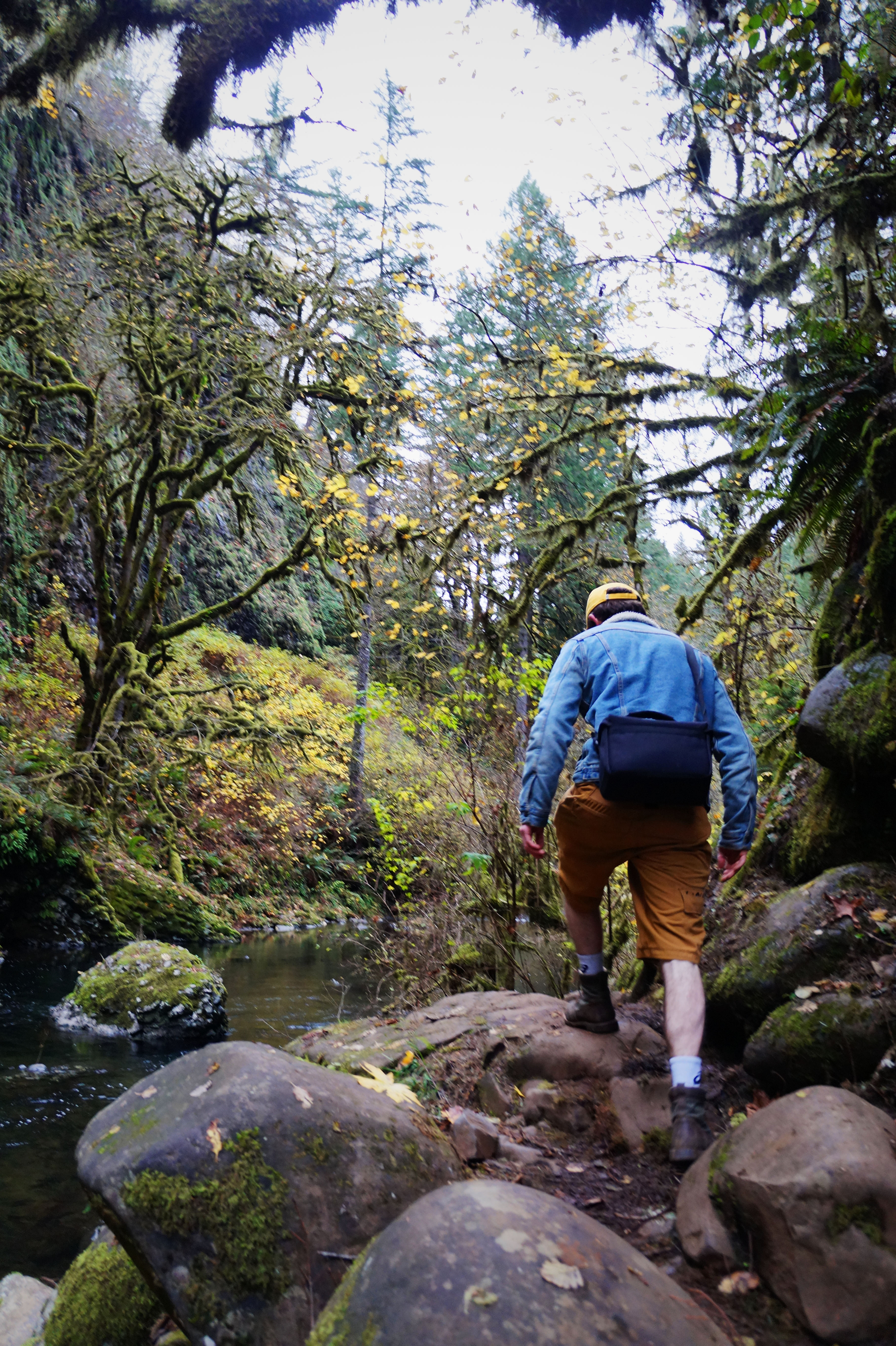 Getting outside can also reduce stress. Being out in nature can be very calming, and exercising is a proven stress reducer. Take 10 minutes or more to lightly exercise by walking around town. Enjoy the sights and take this time to clear the mind and just focus on the present. Remember to bundle up if the weather calls for it.