


Dec. 3 2025 | Abbi Duhart | News Editor
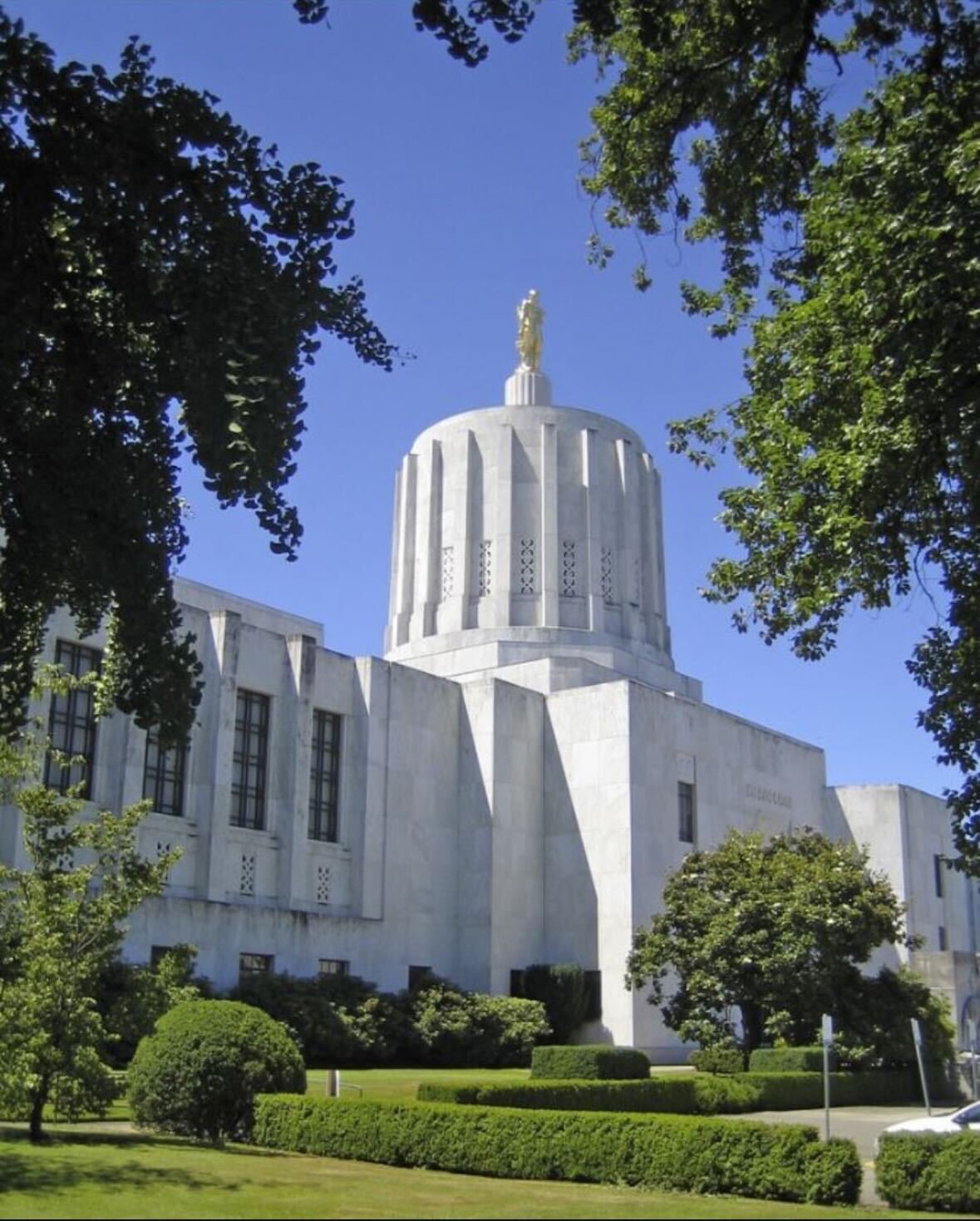
In mid November, the state of Oregon found itself in a $373 million budget deficit, showing over the next two years. State Democrats are placing blame on the Trump administration due to federal tax code changes from “One Big Beautiful Bill.” Because Oregon’s tax code aligns with federal tax changes automatically, the bill led to a reduction of $888 million to Oregon’s estimated income, and now the state is looking to cut 5% of every legislatively approved budget. Oregon did prepare for this in 2025 by allocating $472 million of reserve funds, but it wasn’t enough to cover the $888 million of income lost. Most sectors say they can get through the two years with the cuts, but employees will have to take on extra workloads, and the cuts needed may leave people struggling. State representatives are in debate over what to cut, and have acknowledged that they are in a tough position because they need to make budget restrictions, but also want to preserve state services that Oregonians rely on. Going forward, state representatives are focusing on protecting essential services in Oregon if they can.
A possible area of budget reduction is in education. This includes grants for career and technical education as well as funding for STEM programs. Representatives are also looking to pause attendance improvement efforts, Oregon Promise community college scholarships and childcare grants that help low-income college students stay enrolled.
Another area that may receive cuts is the Oregon Department of Human Services. This could include cuts in provider and contractor rates, caseload and eligibility related cuts, workforce reductions, a possible elimination of the Temporary Assistance for Needy Families program, cuts to public health outreach programs and a possible pause of financial and case management services for low-income seniors who are homeless or at risk.
Public safety also faces risks of budget cuts. Representatives are asking them to make a 5% cut, along with most other sectors, against the advice of public safety officials. They say if cuts were made, it would force the accelerated release of some young offenders, increase crowding in jails, impact court security and delay hearings and trials.
Finally, the Oregon Department of Transportation has potential budget cuts that mostly include project delays, such as the Boone Ridge replacement in Wilsonville and the McCord Creek Bridge project in Cascade Locks.
Recently, the $373 million deficit shrank to $63.1 million. Representatives have linked this shrinkage to “found money,” meaning the state received adjusted corporate income tax from several large Oregon corporations. While this greatly helps Oregon’s financial situation, representatives are still aiming to make cuts ranging from 2.5%-5% from sectors to account for the remaining deficit.
Contact the author at howlnews@wou.edu