
Mount Hood

Ways to stay warm and cozy for the winter season

Rylie Horrall  | Lifestyle Editor

Winter can be a beautiful season: the snow falling and crunching beneath footsteps, icicles hanging from the rooftops and not to mention the aesthetic pictures that come with it. Unfortunately, being in Oregon means that the snow doesn’t happen too often, but the winter still brings cold temperatures and potential sickness. Staying bundled up during this frosty season is simple, easy and cozy.

When leaving the house, make sure to wear layers; they can be fashionable and keep in warmth, serving as a double positive. Layer up with an undershirt, a sweater and a scarf, and pair it with a cute set of leggings or jeans. For shoes, some fashionable fuzzy boots will be warm and cozy, or even some sneakers could complete the outfit. Throw a coat on top of the finished outfit to prevent from freezing while out and about.

On the days where it’s particularly rainy — or even snowy — a pair of gloves will keep hands nice and toasty for frigid days, afternoons or mornings. Match the gloves and scarf with a stylish beanie, or even downy earmuffs or a fleece headband; all three options can be mixed and matched with various outfits.

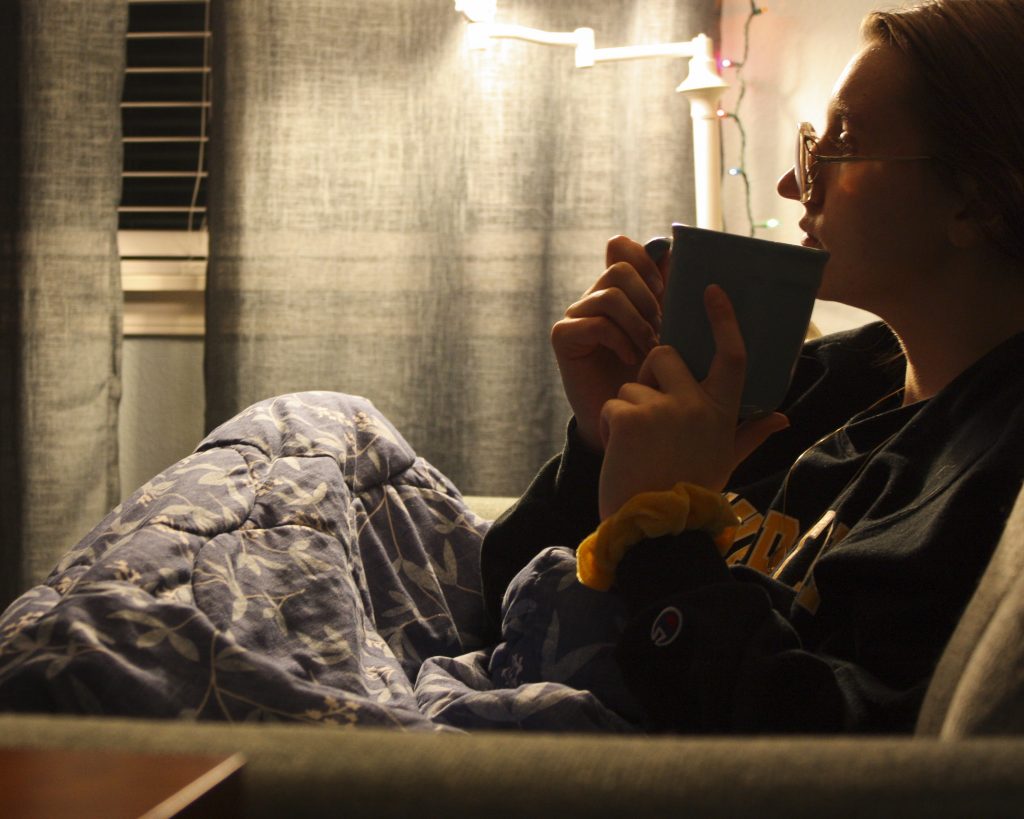
For a quiet night at home, toss on some comfortable pajamas — whether that’s a t-shirt and some shorts, fluffy pajama pants with a matching top and socks, or even a full-on onesie with an animal hood. Snuggle up with a favorite warm blanket and lounge on the couch for those nights that are way too cold to go out.

Both of these options can also be paired with a warm beverage, and there’s a variety to choose from. A cup of coffee can wake up the brain and keep hands warm on morning walks to class. A mug full of tea is perfect for winding down the night with a good book. Apple cider can provide a cozy feeling of warmth during a study break, or hot chocolate can be the perfect sweet treat after afternoon classes.


Contact the author at rhorrall17@wou.edu

Photo by Rylie Horrall

Ways to save electricity, water and money

Rylie Horrall  | Lifestyle Editor

It can be easy to forget to turn off the lights in the house, or even to turn the water off when answering a text while doing the dishes. While little things like these don’t seem too big at the time, they can unfortunately add up to a larger bill — and ecological footprint. However, it’s easy to keep track of a few simple things to save electricity and water.

  • Keep unused appliances unplugged. When the coffee is done brewing or the toaster is no longer in use, make sure it’s unplugged. Even when the contraption isn’t being utilized, it will still use up electricity just from being plugged in. This also applies to extension cords, chargers and similar plugins.
  • Turn off the lights when leaving a room. While some people may have heard this multiple times from parents and guardians growing up, it does have its benefits. By remembering to switch off the lights, up to $15 can be saved on an energy bill, according to bchydro.com. If it’s daylight, open the curtains or blinds and bask in some natural light until it’s necessary to turn on the lights inside. On another note, switch to LED bulbs if possible, as they use over 75% less energy.
  • Air-dry clothes when it’s possible to do so; dryers can consume a lot of energy, so try hanging clothes on a rack or in the bedroom to air-dry. Avoid putting clothes on a radiator, as it restricts the heat from warming up the room and causes it to work harder, according to goodenergy.co.uk.
  • For those who own a dishwasher, only run it when it’s completely full. According to sustainability.ncsu.edu, the dishwasher only uses about four gallons of water during its cycle, but handwashing can use up to 20 when there’s a large load of dishes. Alternatively, shutting off the water in between rinses or filling up one side of the sink with water also work for those who don’t have a dishwasher.
  • Turn off the water while brushing your teeth. It’s recommended that brushing your teeth for two minutes is best, but by shutting off the water while doing so, up to 200 gallons of water can be saved per month.
  • Shower instead of taking a bath; while baths can be relaxing for some, they can also use much more water than is necessary to get clean. Now that doesn’t mean that baths should be completely cut out — especially for those who use them to relax. That just means maybe limit the amount of baths taken each month, or just get the most out of one when it’s used.
  • Use cold or warm water when washing clothes, and make sure the setting size is correct for the load. Continuing from that, try to do laundry when there’s a full load like the dishwasher. Running one large load can save more water than multiple small loads. Flip off the ‘extra rinse’ option if there is one as well.


Contact the author at rhorrall17@wou.edu

Photo by Rylie Horrall
How to get involved in dance within Monmouth

Never Retallack  | Entertainment Editor

Western has a great number of dance classes available, but for those who have never taken the plunge and are still interested in dancing, there are opportunities in Monmouth.

The “Swing Dance Club” is a free opportunity on Mondays and Wednesdays from 6-8 p.m. in room 212 in the Old P.E. Building. On wou.campuslabs.com it says, “The purpose of this organization is to encourage students to participate in swing dancing, an easy-to-learn high energy social dance.” 

Beginner lessons start at 6 p.m. and the regular dancing starts at 7 p.m. This is a great way to get involved with the Western community and have some fun.

The Health and Wellness Center provides many free exercise classes throughout the week, one of which is Zumba. The Zumba class is available in room 253 from 12:05-12:50 p.m. on Fridays. On wou.edu, the activity mentions that “Zumba classes feature exotic rhythms set to high-energy Latin and international beats … It’s easy to do, effective and totally exhilarating, often building a deep-rooted community among returning participants.” 

As for experiences outside of Western’s campus, Monmouth Dance Studio offers a wide variety of dance classes every week, and has a monthly charge depending on the length of the class. The cheapest option is $45 per month for a 30-minute class once a week, in addition to the nonrefundable $30 deposit. For many college students, this is a steep price, but this may be a good option for those who are interested in cultivating their dance skills outside of Western.

While getting involved in dance can be intimidating for those who have never danced before, the dance community is not only inviting, but an amazing opportunity to combine exercise and friendship.


Contact the author at howlentertainment@wou.edu

Art that tells a story: On Western Campus

Never Retallack  | Entertainment Editor

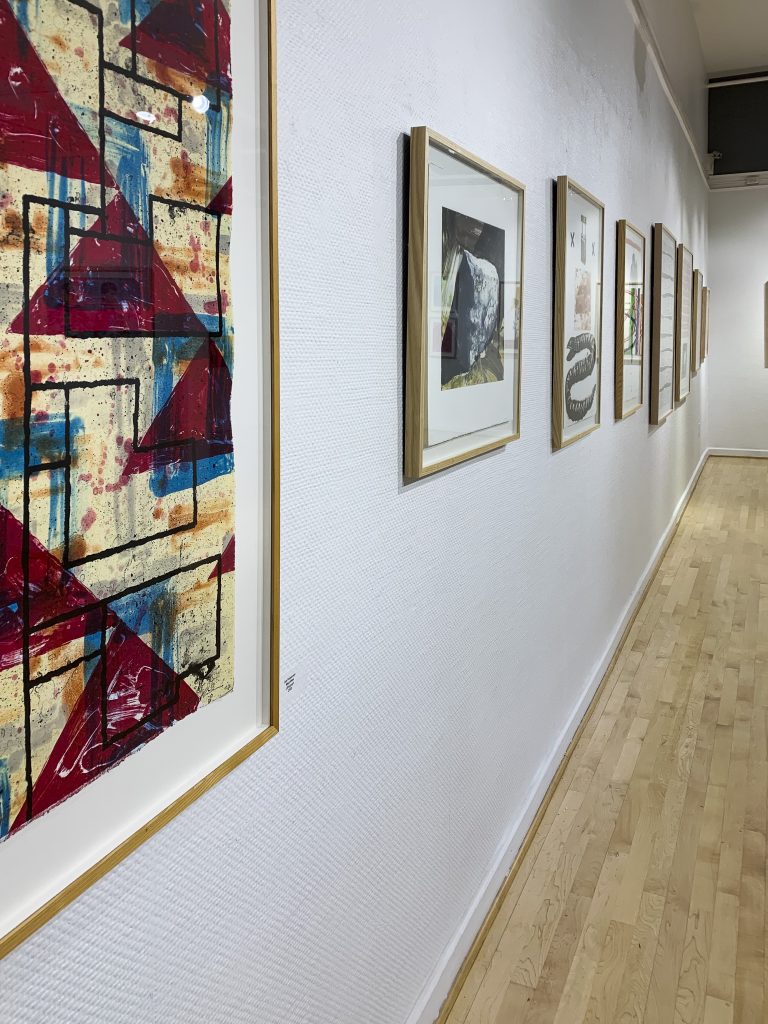
Campbell Hall currently has an exhibit up, called, “Crow’s Shadow Institute of the Arts: Selections from the Permanent Collection” featuring 26 artists. 

The artists shown are Rick Bartow, Marwin Begaye, Pat Boas, Joe Cantrell, Corwin Clairmont, Jim Denomie, Demian DineYahi’, Vanessa Enos, Joe Feodorov, George Flett, Ric Gendron, Jeffrey Gibson, Don Gray, James Lavadour, James Luna, Brenda Mallory, Larry McNeil, Whitney Monthorn, Lillian Pitt, Wendy Red Star, Sara Siestreem, Kay Walking Stick, Marie Watt and Shirod Younker.

According to the “Crow’s Shadow Institute of the Arts at 25” by heather ahtone, Rebecca J. Dobkins and Prudence F. Roberts, the art institute in Pendleton, Oregon was founded by the Oregon painter and printmaker, James Lavadour (Walla Walla), who “envisioned a Native printmaking atelier on the Umatilla Reservation … that would provide a creative conduit for educational, social, and economic opportunities for Native Americans through artistic development.”

The company started out small in 1992 and has now grown into one of the most important printmaking locations in the country that brings together Native and non-Native artists to create with the guidance of master printer Frank Janzen.

Entering the Campbell Hall gallery, the first piece is colorful and bold, featuring two young girls dressed in Native American dresses.

All of the art pieces are either lithograpic or monotype — both are forms of printmaking. The interesting factor of having a collection of different artists all doing the same form of art is the diversity in style and color. Some pieces are neutral colors while others are more bright; all of the pieces are bold in their imagery and meaning.

It is apparent that the connection to Native American roots plays a large role for the artists, showing landscapes, traditional dress and more.

The flow of the gallery is easy to follow and provides a nice contrast between each piece as a viewer walks through.

This gallery is an opportunity for people to learn about Native American culture. The art is expressive and a book is provided that gives background information about the Crow’s Shadow Institute of the Arts, which can be found on the windowsill in the gallery.


Contact the author at howlentertainment@wou.edu

Photos by Never Retallack

Wolves have good luck in first indoor meet of season

Hannah Greene  | Sports Editor

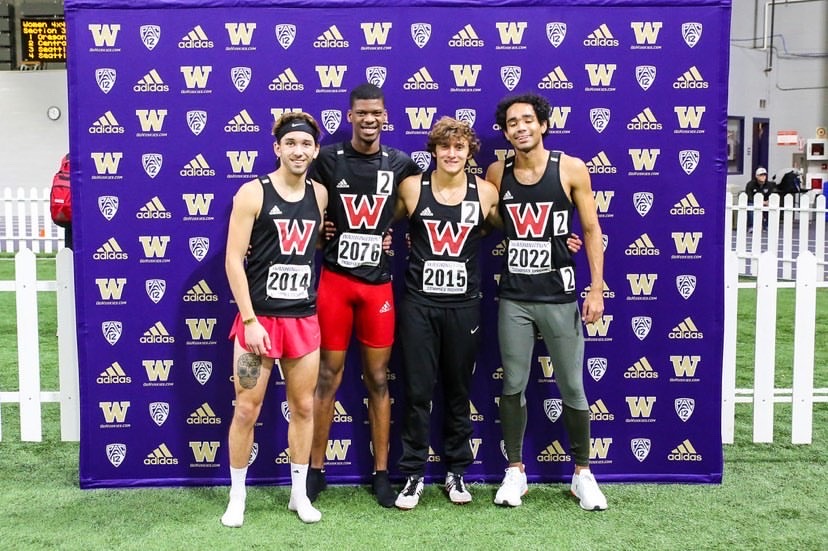
Friday, Jan. 17, the Wolves Track and Field team headed up to Seattle for the start of their indoor season. After settling into their hotel, the Wolves were able to get some solid shuteye before their individual events on Saturday, Jan. 18.

University of Washington held all the events in their indoor facility, keeping runners warm and out of any harsh weather that may have appeared. The Wolves had multiple athletes competing in a range of events, from the 60-meter dash to highjump. 

Below are the results of the events that Wolves finished in the top-10.

In the men’s 400-meter dash, Gabe Arce-Torres, a sophomore, placed ninth overall with a time of 49.91, a split second from eighth place.

The 600-meter dash, a race only ran during the indoor season, came next with Wolves’ sophomore (indoor), Max Carmona, placing first in his heat and eighth overall — with a time of 1:22.37, a personal best from last year’s indoor season.

The men’s 800-meter dash was quite the competition, with four Wolves placing in the top 10 and taking the 11th spot as well. Derek Holdsworth, a junior, placed first with a time of 1:50.02 making it the third on the “WOU All-Time” list, followed by Adam Alnazer, a sophomore, Trey Reed, a junior, and Hunter Hutton, a sophomore, taking eighth through 10th.

Skipping to the relays, the Wolves placed fourth overall in the men’s 4×400 meter relay — a combined time of 3:19.47 — with a squad consisting of Arce-Torres, Lashaun Emile, a sophomore, Carmona and Holdsworth.

Two Wolves, Kalulusno Ngaido, a junior, and Jenelle Hurley, a first-year, tied for 10th place in the women’s high jump with heights of 1.60 meters.

Overall, the Wolves set their standards high for the rest of the indoor season. Next weekend, the Wolves will be competing closer to home — on Saturday, Jan. 25 and Sunday, Jan. 26, at the University of Portland.


Contact the author at hgreene18@wou.edu

Photos courtesy of wouwolves.com

Late night dreams to real time reality, Dom Akina signs first pro rugby contract

Hannah Greene  | Sports Editor

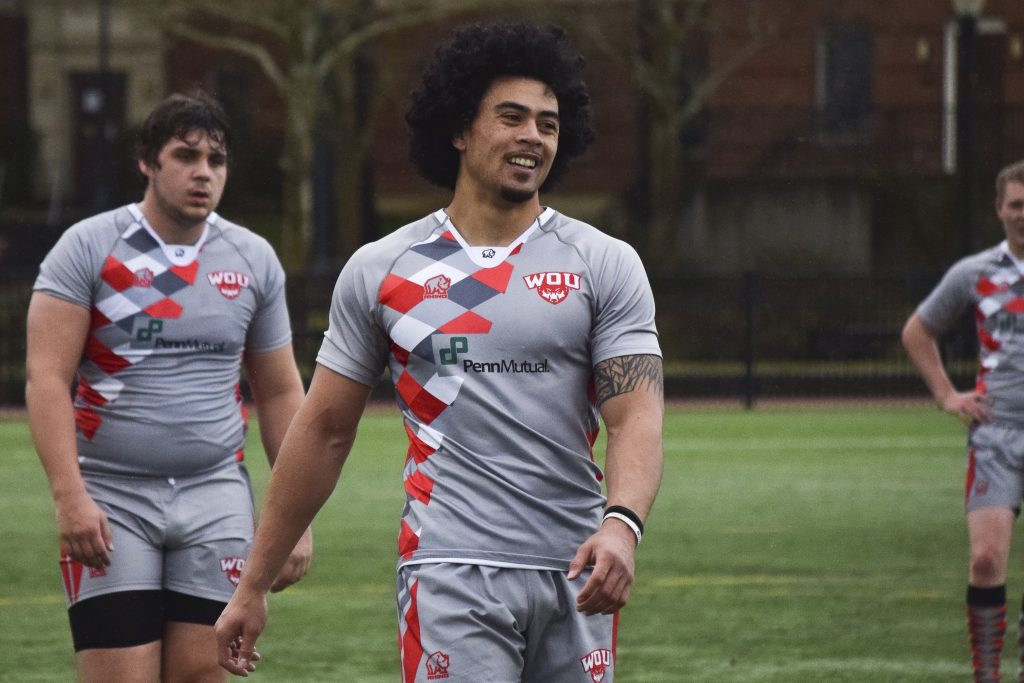
Dom Akina, a former Western Men’s Rugby player, who has signed a professional contract for rugby with the Austin Herd — spoke with me about his future endeavors. Akina was born in Kahuku, Hawaii and started playing rugby about seven years ago. Currently, Akina plays flanker, the player to stop the attack and take the ball away from the opposing team, and wing, those who attack and defend on the “outskirts” of the field. 


Hannah Greene: How has the transition been from playing club rugby at WOU to signing a professional contract and playing at the next level?

Dom Akina: A major change and (an) eye opening experience. (I) didn’t believe it was real until I actually moved into my apartment in Texas.


HG: What would you say has been a great inspiration and driving force towards pursuing pro?

DA: I have to say the driving force was creating a better opportunity, not just for myself but for my family and most importantly my brothers.


HG: Has this been a long time dream?

DA: NFL was actually my dream until about 6 years ago. I really started to love the game (rugby) after my first year when I got to know the game more.


HG: What are some expectations you foresee in going pro?

DA: I expect challenges from players and athletes. I know (the) fitness, physical and mental parts of the game are going to have to be elite in order to stay in the game. 


HG: Are there any fears or nerves in the upcoming season?

DA: “No fear.” I started living by that motto for a long time and I believe that’s how I got to where I am today. Just being able to not be scared and be confident. I was always the small guy growing up and I had to prove a lot and work even harder. 


HG: Who is your idol?

DA: My grandma. My grandma is my everything.


HG: Any last thoughts or things you’d like to say?

DA: Just want to thank Coach Arne Ferguson for everything he had helped me with in football, and just (for) making better choices in life. Thank you to the football program, athletes, and coach Metzgar for teaching me the fundamentals of lifting and helping increase my knowledge of lifting. Lastly just want to thank the Rugby program because I probably would have never played rugby if our school did not have a program. 


Follow the Austin Herd on instagram @austinherdrugby to catch highlights and regular updates.


Contact the author at hgreene18@wou.edu

Photos courtesy of Tava’e Sina Kalena Sofa-Kini

David Ribich, a former Western runner, makes the Olympic trials

Hannah Greene  | Sports Editor

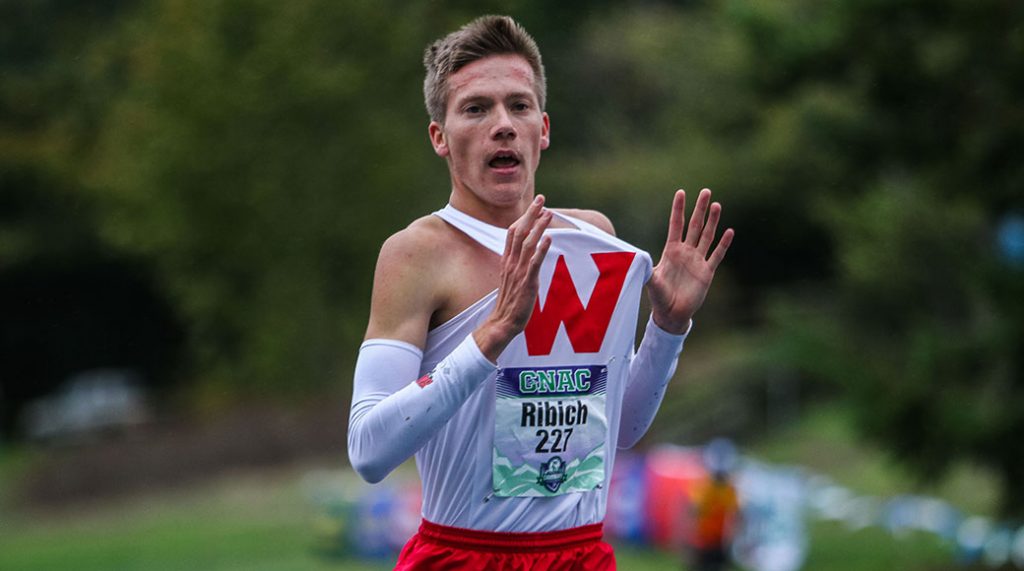
Former Western runner, David Ribich, qualified for the 2020 Olympic trials. Ribich is currently a professional runner for Brooks, a running company based in Seattle, and has achieved a goal most can only dream of. Come June 2020, Ribich will compete in the Olympic trials in Eugene, Oregon. 

Ribich’s time at Western made for a good one — he set three records in the National Collegiate Athletic Association Division II and claimed two records in the NCAA DII national titles.

In 2018, Ribich ran three minutes and 37 seconds in the men’s 1500-meter run, which qualified him for the Olympic trials — but to meet the “Olympic A standard” Ribich must cut two seconds off his time to hit the mark of 3:35.00.

As of right now, Ribich’s entire focus is centered around cutting those two seconds off of his time before entering race day at Hayward Field in Eugene. Shaving these two seconds would guarantee a spot on the Olympic team. If Ribich is unable to get those two seconds swiped off, he must place in the top three or win his race to make the Olympic team.

The Olympic Trials will be held at the Hayward Field from June 19-28 of this year. The first round for the men’s 1500-meter run will be on Thursday, June 25 at 6:04 p.m., where it is open to the public to view and be a part of.


Contact the author at hgreene18@wou.edu

Photo courtesy of wouwolves.com

Students and faculty collaborate to create a mural commemorating the anniversary of the 19th amendment to be displayed in Hamersly Library.

Sage Kiernan-Sherrow  | News Editor

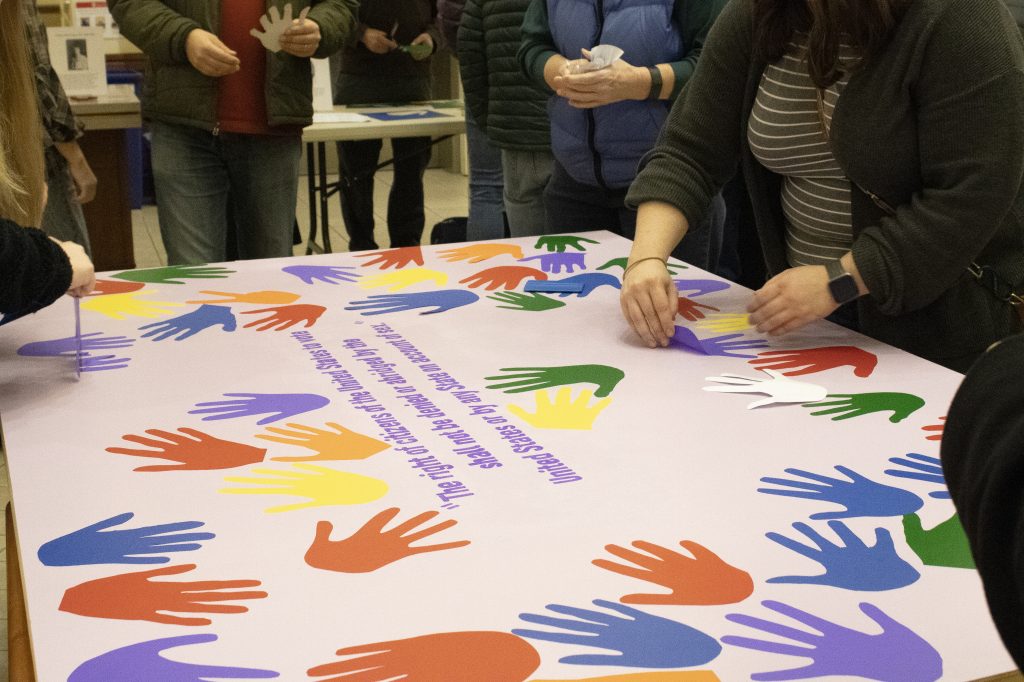
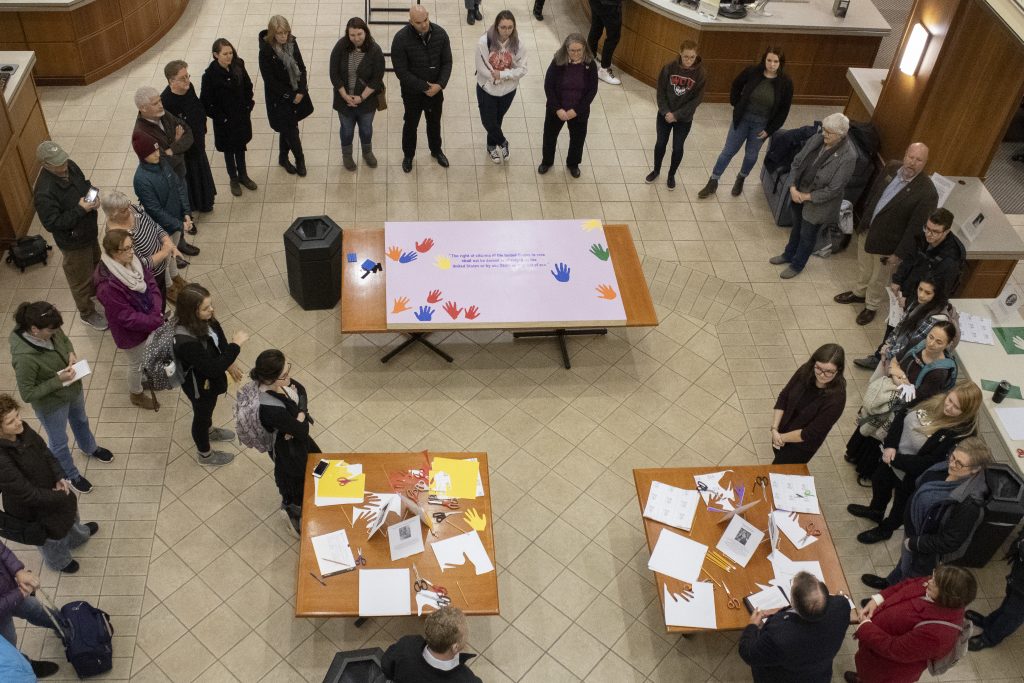
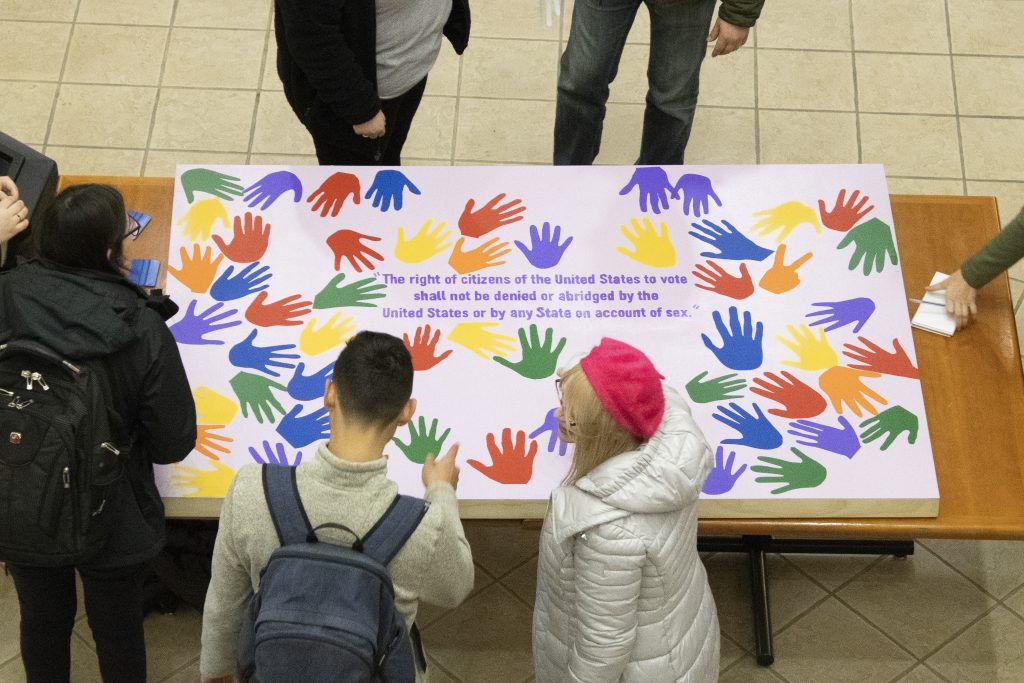
In the foyer of Hamersly Library, students and faculty met on Jan. 14 to celebrate the 100th anniversary of the ratification of the 19th Amendment. To commemorate the occasion, attendees were invited to add a rainbow cutout of their hand to a mural upon which the amendment was printed, symbolizing the diversity of individuals who fought for women’s suffrage and are still supporting women’s rights today. 

Throughout the room, the biographies of a multitude of important activists and allies were displayed, providing various historical perspectives. Among them were Western alumna Teresa Alonso Leon, the first immigrant Latina to represent Woodburn in Congress, and Kathryn Harrison, the first female chair of the Grande Ronde tribal council.

Professor Kimberly Jenson, who teaches a gender issues class at Western, helped organize the event and was one of three speakers including Mayor Cecelia Koontz — the first elected female mayor in Monmouth — and President Rex Fuller. The three of them spoke of Oregon’s historical ties to both current and historical feminist movements. 

Mayor Koontz shared her pride in being an Oregonian, stating that the state motto “she flies with her own wings” has been an inspiration for her. Additionally, she praised Western’s history saying that “it’s fitting to be here … because oral history has it that the pioneer women of the Monmouth migration of the 1850s only agreed to make the dangerous trek West if a school were founded when they got here … a place of learning for both men and women.” 

President Fuller added the historical knowledge that Oregon was among only one of 15 states to grant women the right to vote in 1912 before the ratification of the 19th amendment. 

Jenson continued by reminding everyone that “from the very beginning of our state’s suffragette activism, women of color have been there.” She concluded by stating that “we are strong because we have a state that has this history but it would be a mistake for us to overlook the many struggles that have continued, the very vital work that women leaders and men leaders and people leaders have done.”


Contact the author at howlnews@wou.edu

Photos by Kay Bruley

Western makes history as the first base for a national ASL assessment service in the West.

Sage Kiernan-Sherrow  | News Editor

Western has become the first establishment to offer a nationwide American Sign Language assessment service in the western United States after the Regional Resource Center on Deafness Director, Chad Ludwig, decided to restore an updated model of an old program. Officially titled the Signed Language Proficiency Interview, it “assesses a person’s skills in using a natural sign language for communication (function) and provides an analysis of a person’s sign language vocabulary, production, fluency, grammar, and comprehension skills (form),” according to the RRCD website.

A national organization in North Carolina that runs a similar assessment has become overwhelmed with the increasing demand for services. 

“That’s where we come into the picture,” said Ludwig. 

Discounted for Western students, the $160 basic assessment is essentially a 20-minute interview formatted as a casual conversation addressing three main topic areas: work or school, family and leisure activities or hobbies.

“It’s how you express yourself in ASL that helps our raters determine the level of fluency … our interviewer’s goal is to illicit the most fluency that they can from you,” stated Ludwig. 

After the interview concludes, the data is sent to two separate evaluators who then score the results before sending it back to the ASL coordinator. If there is a match, then the score becomes official; if not, then the evaluators either deliberate or it goes to a third evaluator. 

The assessment might appeal to a variety of individuals from state employees — who can gain differentials for proven competency in another language — to high school and college students interested in taking the assessment to test into a higher class.

Following the implementation of the program on Jan. 7, there have already been a myriad of questions, inquiries and requests, according to Ludwig, who also encourages students to visit the website or email rsla@wou.edu for more details. 


Contact the author at howlnews@wou.edu

Photos courtesy of the Division of Deaf Studies and Professional Studies at Western

PURE Insights, Western’s academic journal, connects students to faculty for collaborative research and publication opportunities.

Sage Kiernan-Sherrow  | News Editor

Originally founded by Camila Gabladon, the collection development librarian at Western, PURE Insights is an annual publication of student work, both creative and research-based, which has been sponsored by at least one faculty member at Western. Currently on its ninth issue, the journal — which stands for Program for Undergraduate Research Experiences — serves to connect students to mentoring faculty members with the hopes of bolstering the student’s academic record.

“One of the really nice things about attending a small college is that you are in contact with actual professors doing actual research … the PURE organization was born of the idea that we weren’t seeing students take advantage of that,” said Maren Anderson, an adjunct professor at Western and Managing Editor of the publication.

Having a published research paper is an excellent thing to put on resumes and grad school applications because, according to Anderson, it’s proof that students know how to do research and work collaboratively with people. 

“Student-led research is particularly attractive to us,” Anderson stated, but as long as that research or body of work is submitted by the deadline, follows correct formatting and is sponsored by a faculty member, the work is eligible. 

“I really enjoy the cross-pollination of student work on campus,” said Anderson, mentioning The Northwest Passage and the Academic Excellence Showcase as similar outlets who have published work also featured in the PURE Insights journal. 

The current issue included the winners of the Peter Sears poetry contest, as well as a couple of fiction pieces in addition to the traditional research papers, and the cover is always designed by a Western student.

Students interested in submitting can visit the PURE Insights webpage and click on the “submit article” link located on the left hand bar. If they’re not sure where to start, they can peruse the list of mentors and their past research topics in order to find someone who fits their objective. They also have the opportunity to explore the map at the bottom of the page, which shows the downloads of past submitter’s work in real-time. If students are still having trouble navigating the page or want more information, they can email the director at pure@wou.edu or the managing editor at insight@wou.edu

The next issue is set to publish in week 10 of the upcoming fall term and the deadline for submissions is June 22.


Contact the author at howlnews@wou.edu

Photo courtesy of Western’s Digital Commons